


Quick Facts
- Location: The most famous carved footprints lie on a boulder between the villages of Morpandai and Tirat on the right bank of the Swat River, Khyber Pakhtunkhwa; related Buddhapada stones are scattered across Swat and Taxila, and several are kept in the Swat Museum at Saidu Sharif.
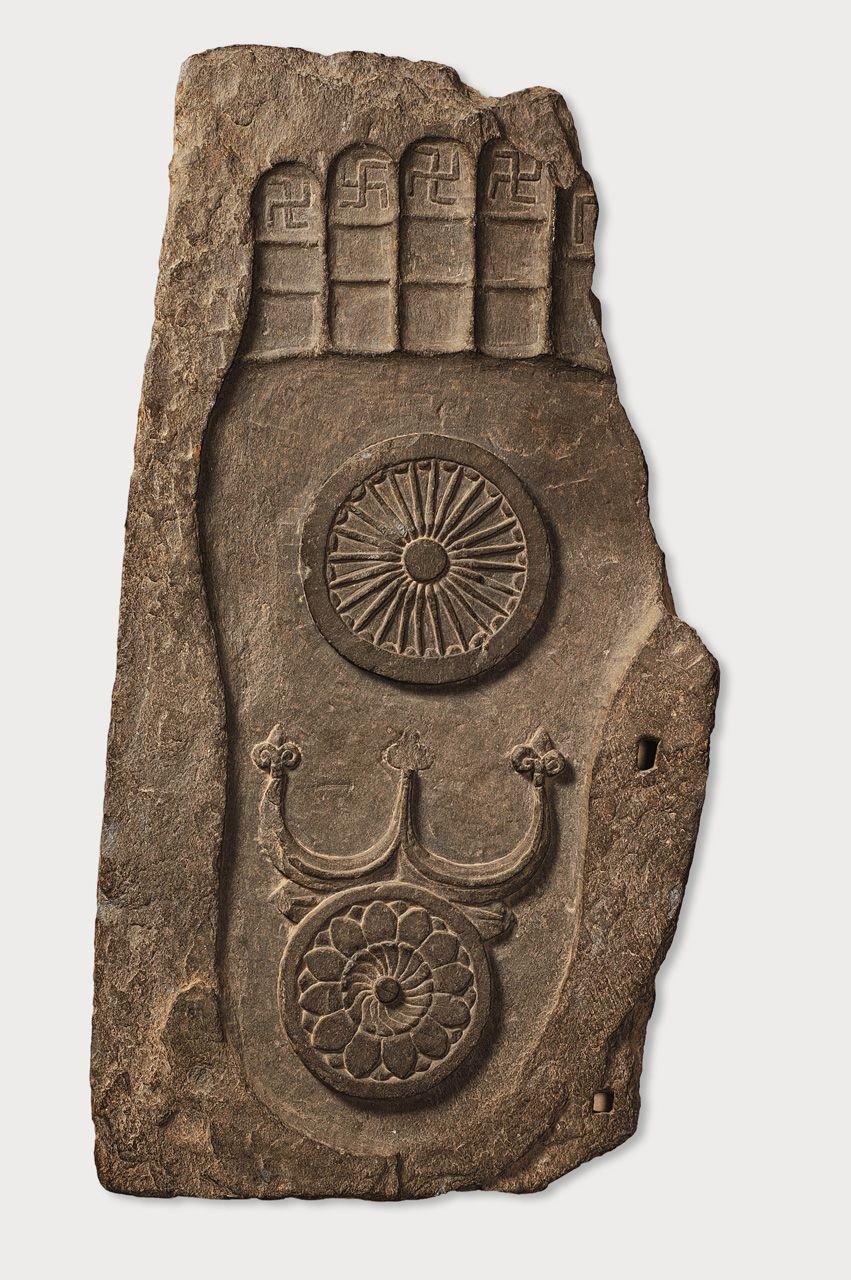
- Famous For: Sacred 1st–2nd century CE stone carvings of the Buddha’s footprints, bearing symbols like the Dharmachakra (wheel of law), worshipped as holy relics (cetiya) in early Gandharan Buddhism.
- Nearest City: Mingora, roughly an hour’s drive south along the Swat River valley.
- Accessibility: Reached by road from Islamabad via the Swat Expressway; the Tirat boulder sits just off the main Mingora–Kalam road and is best visited with a local guide.
- Known Landmarks: The Tirat boulder with its Kharosthi inscription, the Swat Museum (Saidu Sharif), Butkara stupas, the Jahanabad Buddha rock carving, and the Tokar-Dara stupa near Barikot.
- Best For: History lovers, Buddhist pilgrims, photographers, and travelers who want to look past Swat’s scenery and into its ancient soul.
Why Visit Buddha Footprints (Buddhapada), Swat
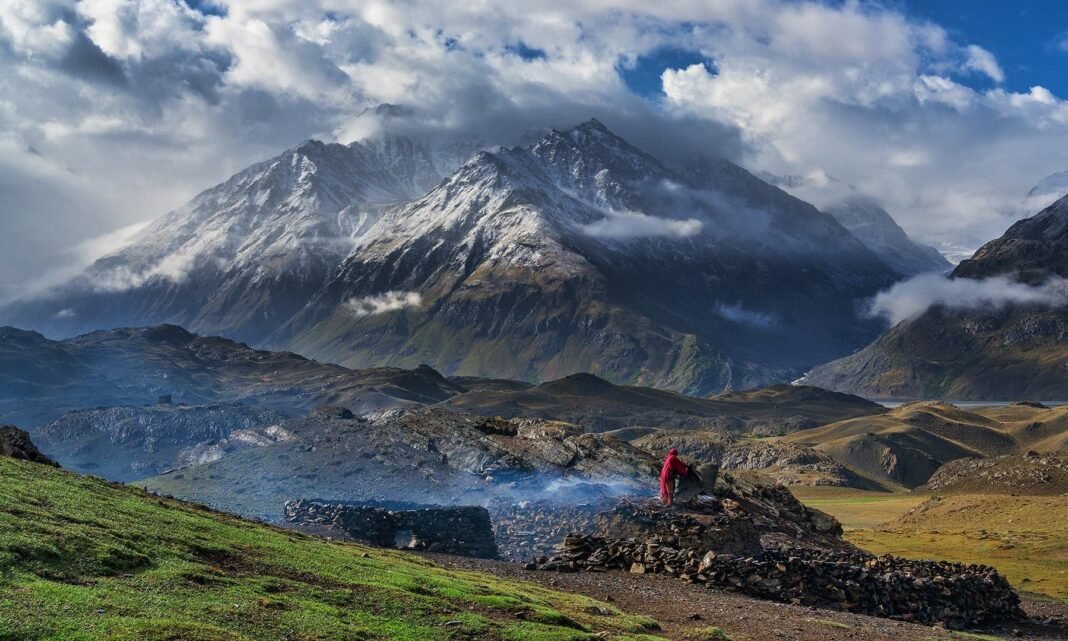
Most travelers come to Swat for its emerald rivers and snowy peaks — and they are right to. But there is another Swat, an older one, lying quietly beneath the postcard views. Around two thousand years ago this valley was called Uddiyana, a celebrated center of Buddhism, and monks, pilgrims, and kings walked its riverbanks. The Buddhapada — the carved footprints of the Buddha — are one of the most moving relics of that world.
A Buddhapada is not just a carving. In early Buddhism, when the Buddha was rarely shown in human form, his presence was suggested through symbols: a footprint engraved with the wheel of law, the lotus, and auspicious marks was worshipped as the Buddha himself, a sacred relic (cetiya) for pilgrims to circle and venerate. Standing before a stone that devotees knelt at eighteen centuries ago is an experience no museum of later statues can quite match — you are looking at faith in its oldest visual language.
This is also a detective story you can walk through. The footprints between Morpandai and Tirat were recorded by the great explorer-archaeologist Sir Aurel Stein in 1926, carry a Kharosthi inscription studied by pioneering scholars, and were noted by Chinese pilgrims centuries before that — who reported, with charming honesty, that the prints seemed to grow or shrink depending on the merit of the person looking at them. And the story reaches into our own time: a priceless 2nd-century Buddhapada slab was looted from the Swat River valley in the 1980s, smuggled across the world, and dramatically returned to Pakistan by American prosecutors in 2016. Few heritage sites come with a plot that gripping.
If you are the kind of traveler who reads the plaques, who lingers in museum halls, who wants their mountain holiday to include a brush with one of the world’s great civilizations — then the Buddha Footprints deserve a place on your Swat itinerary. They are perfect for history enthusiasts, for Buddhist pilgrims from home and abroad, for school and college trips, and for photographers hunting subjects with real depth. Pair them with the stupas of Butkara and the great rock-carved Buddha near Jahanabad, and you have the richest single day of heritage sightseeing anywhere in northern Pakistan.
History of Buddha Footprints (Buddhapada), Swat
To understand the footprints, you have to understand Swat’s golden age. The valley was part of Gandhara, the ancient civilization that flourished in the northwest of the subcontinent and produced some of the finest Buddhist art the world has ever seen — the unmistakable Greco-Buddhist sculptures where the Buddha wears flowing Greek-style robes. Swat, known in ancient texts as Uddiyana, was one of Gandhara’s spiritual hearts. Buddhism took root here early, and by the 1st and 2nd centuries CE the valley was studded with stupas, monasteries, and rock carvings.
The Buddhapada stones date to this period. More than 3,000 such footprint carvings are known worldwide, and a significant share comes from Pakistan’s Gandhara region — chiefly Taxila and Swat. They represent the earliest phase of Buddhist art, when the Buddha’s presence was expressed through aniconic symbols rather than his human image. Within the soles of the feet, carvers etched the Dharmachakra, the lotus, and other auspicious marks; the stones served as sacred relics (cetiya) at shrines where pilgrims gathered, exactly as later generations would gather before statues.
The footprints between Morpandai and Tirat entered the modern record through Sir Aurel Stein, the Hungarian-British archaeologist who visited Swat in March–May 1926 and documented the boulder bearing the prints. The Kharosthi inscription on the stone was first published by the scholar Bühler and later included by Sten Konow in the Corpus Inscriptionum Indicarum. The Italian scholar Giuseppe Tucci, drawing on this record, noted that the boulder was still in its original place, that the prints were conspicuously larger than life-size, and that the Chinese pilgrims had already recorded the local belief about the prints changing apparent size with the observer’s merit. Tucci also recorded the local tradition of a decayed stupa — a “gumbat” — near the spot, matching the account of the Chinese pilgrim Sung Yun, and fragments of Gandhara sculpture found in situ around the site.
Swat’s Buddhist story continued through the centuries of the Hindu Shahi rulers and faded after the region’s conversion to Islam, but it never fully vanished from memory. The valley’s modern archaeological fame was rekindled in the 20th century, and today the Swat Museum at Saidu Sharif — which holds some of the Tirat footprint stones — preserves what looters and time have spared. The 2016 repatriation of the smuggled 2nd-century Buddhapada slab, returned to Pakistan’s Deputy Chief of Mission in New York by the Manhattan District Attorney after it was seized from a smuggling scheme, was a reminder that Swat’s heritage still commands world attention — and still needs protection.
Top Things to Do in Buddha Footprints (Buddhapada), Swat
See the Tirat Boulder with the Kharosthi Inscription
The centerpiece of any Buddhapada visit is the boulder itself, lying between the villages of Morpandai and Tirat on the right bank of the Swat River. The footprints are engraved larger than life on the stone’s face, and the ancient Kharosthi inscription nearby marks it as a genuine object of veneration, not a later curiosity. Go with a local guide — the boulder is not signposted like a modern museum, and a guide from the area can point out the inscription, explain the layout of the site, and tell you about the stupa tradition attached to the spot.
Visit the Swat Museum at Saidu Sharif
The Swat Museum holds one of the finest collections of Gandharan art in Pakistan, including carved footprint stones from Tirat and the wider valley. Its galleries walk you through the full sweep of Swat’s history — from prehistoric finds through the Buddhist centuries to the Islamic period. After standing at the Tirat boulder, the museum gives the carvings their context: you will see how the footprints relate to the stupas, the sculptures, and the monastic life of ancient Uddiyana. The museum was badly damaged in the 2000s and has been restored with international assistance; its reopening was one of the valley’s proudest cultural moments.
Explore the Butkara Stupas
Near Mingora lie the Butkara I and III stupas, among the most important Buddhist monuments in Swat. Excavated over decades, they reveal layer upon layer of construction from the earliest centuries of Buddhism onward. Walking the site with the museum’s story fresh in your mind, you start to see the valley as its ancient pilgrims did — a landscape where every ridge and riverbend might hold a shrine.
Stand Before the Jahanabad Buddha
Less than an hour’s drive from Mingora, with a short zigzag mountain trail at the end, a towering Buddha figure — over five meters tall — sits carved in granite on a steep ridge, gazing over the valley. For some two thousand years it smiled down at Swat; in December 2007 militants defaced its face, an attack that shocked the world. The carving endures, scarred but magnificent, and it is one of the most powerful single sights in the valley — a place for quiet reflection rather than selfies.
Walk the Tokar-Dara Valley
About five kilometers south of Barikot (ancient Bazira, the city Alexander the Great besieged), the Tokar-Dara valley hides a 1st–3rd century Buddhist complex of stupa, monastery, assembly hall, caves, and aqueducts. It is less visited than Butkara, which is exactly its charm — you often have the ancient stones and the mountain air to yourself.
Famous Places In and Around Buddha Footprints (Buddhapada), Swat
- Swat Museum, Saidu Sharif — Gandharan sculptures, footprint stones, and the valley’s full archaeological story under one roof.
- Butkara I & III — layered ancient stupas just outside Mingora.
- Jahanabad Buddha — the giant rock-carved meditating Buddha on a ridge near Mingora.
- Tokar-Dara — a 1st–3rd century stupa and monastery complex near Barikot.
- Barikot (Bazira) — the ancient fortified city excavated by the Italian Archaeological Mission, with a museum of its own.
- Mingora Bazaar — the valley’s commercial heart, good for handicrafts and emeralds after a day of ruins.
- Malam Jabba — Swat’s ski resort, an easy add-on for a second day; see our Malam Jabba travel guide.
How to Reach Buddha Footprints (Buddhapada), Swat
Swat is one of the most accessible mountain valleys in Pakistan, and the Buddhapada sites ride on that accessibility. The gateway is Mingora, the valley’s main town, and from there the Tirat site is a straightforward drive up the valley along the Swat River.
From Islamabad: Take the Swat Expressway (M-16) north — the drive from Islamabad to Mingora is roughly 250 kilometers and takes about five to six hours depending on traffic and stops. This is the standard route for almost every Swat trip and is comfortable in a regular car for most of the year.
From Lahore: Drive the M-2 motorway to Islamabad and continue on the Swat Expressway — around 500 kilometers in total, roughly nine to ten hours. Most Lahore-based travelers break the journey with a night in Islamabad or leave very early.
From Karachi: The road journey is over 1,300 kilometers and best avoided in one stretch; fly to Islamabad (about two hours) and drive onward, or fly to Islamabad and connect to a domestic flight to Saidu Sharif if schedules allow.
Nearest airport: Saidu Sharif Airport, just outside Mingora, has seen resumed domestic services in recent years. Islamabad International Airport is the reliable main gateway, with car rentals, tour vans, and public transport onward to Swat.
Road conditions and transport: The Swat Expressway and the Mingora–Kalam road are paved and fine for cars in the dry months. Winter snow can affect the upper valley beyond Bahrain toward Kalam, but the Tirat area is generally accessible year-round. For the boulder site itself, hire a local driver or guide in Mingora or Saidu Sharif — the site is not heavily signposted, and a guide transforms the visit from “old carvings on a rock” into a proper story. Public vans and coasters run the Mingora–Kalam route and can drop you near Tirat, but a private car gives you the freedom to combine the boulder, the museum, and Butkara in one day.
Route Details
Day-trip route for the Buddhapada trail, starting from Mingora: (1) drive 15 minutes to Saidu Sharif and spend the morning at the Swat Museum, studying the footprint stones and Gandharan galleries; (2) drive north along the Swat River toward Tirat — ask your driver for the boulder between Morpandai and Tirat, on the right bank; allow an hour at the site with your guide; (3) return south and stop at the Butkara stupas near Mingora in the afternoon; (4) if time and light allow, detour to the Jahanabad Buddha ridge before sunset. The whole loop fits comfortably in a day and leaves you back in Mingora for dinner.
Where to Stay in Buddha Footprints (Buddhapada), Swat
Base yourself in Mingora or adjacent Saidu Sharif — both sit within easy reach of the Tirat boulder, the museum, and the Butkara sites. The area offers a full range of options. Mid-range hotels and family-run guesthouses cluster along the main roads of Mingora, offering clean rooms, hot water, and valley views at prices that remain reasonable compared with the big resorts of the upper valley. Budget travelers will find simple lodges and youth-oriented guesthouses, especially in Saidu Sharif. There is no luxury resort at the footprint site itself — nor should there be — so plan on a comfortable town stay and a day trip out to the stones. During the peak summer months (June–August) and public holidays, book ahead; in the quieter spring and autumn season you can often walk in and choose.
Where to Eat: Local Foods of Buddha Footprints (Buddhapada), Swat
Swati food is hearty mountain fare, and the towns around the Buddhapada sites serve it well. Start with chapli kebab — the spiced minced-meat patties that are a Khyber Pakhtunkhwa signature — and the valley’s famous river trout, usually fried fresh and served with lemon, when you are up toward the upper valley. Simple daal, sabzi, and tandoori roti are available everywhere at budget-friendly prices, and roadside dhabas along the Mingora–Kalam road serve filling meals for very little. Swat is also known for its honey and walnuts — buy them in Mingora’s bazaars rather than at tourist stops for better quality. End meals the local way with a glass of doodh patti or green kehwa. A full day of dhaba eating for two people typically costs far less than a single restaurant meal in the big cities.
Weather in Buddha Footprints (Buddhapada), Swat
The Buddhapada sites sit in the lower-to-middle Swat valley, which has a pleasant mountain climate — cooler than the Punjab plains in every season, but not as harsh as the high valleys further north. Winter mornings can be frosty, spring is famously green, and summer days are warm without the plains’ oppressive heat.
| Season | Temperature Range | Conditions |
|---|---|---|
| Winter (Dec–Feb) | 0–10°C | Cold, frosty mornings; snow in the upper valley; museum visits are ideal |
| Spring (Mar–May) | 10–25°C | Green and blooming; arguably the prettiest season for sightseeing |
| Summer (Jun–Aug) | 25–35°C | Warm days, cool evenings; occasional monsoon rain in July–August |
| Autumn (Sep–Nov) | 10–25°C | Clear skies, golden light; excellent for photography and long walks |
Language and Culture of Buddha Footprints (Buddhapada), Swat
The Swat valley is predominantly Pashtun, and Pashto is the language of daily life; in the upper valleys you will also hear Torwali and Gujari. Urdu is widely understood in Mingora and Saidu Sharif, and English works in hotels and with educated guides. The local culture is defined by Pashtun hospitality — guests are honored, and travelers are routinely offered tea and help with directions. Dress modestly, especially when visiting villages and religious sites; women travelers will be most comfortable in shalwar kameez or long, loose clothing. When photographing people, always ask first. The Buddhist sites themselves are archaeological heritage rather than active worship places, but treat them with the quiet respect any ancient sacred site deserves — do not climb on carvings or remove stones.
Shopping in Buddha Footprints (Buddhapada), Swat
Mingora’s bazaars are the place to shop after your heritage day. Swat is famous for its emeralds — gemstone shops around Mingora sell local stones, though buy only from reputable dealers and get stones you care about certified. Woolen shawls, embroidered fabrics, and traditional caps are widely available, as are carved wooden handicrafts from the upper valley. Food souvenirs travel best: Swati honey, dried apricots, and walnuts are the classic take-homes. Bargaining is expected in the bazaars but keep it friendly; fixed-price shops exist in the newer commercial areas.
Travel Tips for Buddha Footprints (Buddhapada), Swat
Packing Essentials
Bring comfortable walking shoes with grip — the Tirat boulder and the Jahanabad trail involve uneven ground. Sun protection matters even on cool days at this altitude. Carry a water bottle, a light jacket for spring and autumn evenings, and a fully charged phone or camera; a small pair of binoculars is a nice extra for the Jahanabad ridge views.
Safety Tips
Swat is a well-traveled tourist valley with a visible security presence, and the Mingora–Tirat corridor is routinely visited. Stick to daylight hours for the boulder and ridge sites, go with a local guide or driver, and keep to marked paths. As at any archaeological site, do not touch or lean on fragile carvings.
Money & Connectivity
ATMs and banks are plentiful in Mingora and Saidu Sharif; carry cash for village stops and guide fees. All major mobile networks cover the main valley towns, though signals weaken in side valleys. Jazz and Telenor generally perform best in the region.
Best Time to Visit Buddha Footprints (Buddhapada), Swat
Spring (March–May) — The Sweet Spot
The valley is green, the weather is mild, and the light is perfect for photographing stone carvings. This is the best all-round season for combining the Buddhapada sites with the rest of Swat.
Summer (June–August) — Easy Access
All roads are open and the valley buzzes with tourists. Visit archaeological sites early in the morning to avoid the midday heat, and pair the trip with the upper valley’s cooler spots.
Autumn (September–November) — Photographer’s Season
Clear skies and golden light make autumn arguably the finest season for the stone sites — the low sun rakes across the carvings beautifully in the late afternoon.
Winter (December–February) — Quiet and Contemplative
The Tirat area stays accessible, crowds vanish, and the Swat Museum is at its most peaceful. Frosty mornings add atmosphere; just dress warmly and check upper-valley road conditions if continuing north.
Final Thoughts
The Buddha Footprints of Swat will never be the valley’s most famous attraction — the mountains and rivers will always win that contest. But for the traveler who wants more than scenery, they offer something rarer: a direct, physical link to one of the great civilizations of the ancient world, standing in a quiet riverside spot where Chinese pilgrims, colonial archaeologists, and modern scholars have all paused to look and wonder.
Go for the mystery of the oversized prints, stay for the museum’s Gandharan masterpieces, and leave with a deeper sense of what Swat really is — not just Pakistan’s “little Switzerland,” but a valley where, two thousand years ago, monks carved the Buddha’s footprints into living rock and pilgrims came from across Asia to stand exactly where you are standing.
FAQs
Where exactly are the Buddha Footprints (Buddhapada) in Swat?
The most famous carved footprints are on a boulder between the villages of Morpandai and Tirat, on the right bank of the Swat River, north of Mingora. Related footprint stones are scattered across Swat and Taxila, and several are preserved in the Swat Museum at Saidu Sharif.
What is a Buddhapada?
A Buddhapada is a stone carving of the Buddha’s footprints, marked with sacred symbols such as the Dharmachakra (wheel of law) and the lotus. In early Buddhism they were worshipped as holy relics representing the Buddha’s presence.
How old are the Swat Buddha footprints?
They date to the 1st–2nd century CE, the early phase of Gandharan Buddhist art, when Swat (ancient Uddiyana) was a major Buddhist center.
How do I reach the Tirat footprint site?
Drive north from Mingora along the Swat River toward Kalam; the boulder lies between Morpandai and Tirat. Hire a local guide or driver in Mingora — the site is not heavily signposted.
Is the Swat Museum worth visiting?
Absolutely. It houses footprint stones from Tirat plus one of Pakistan’s finest Gandharan sculpture collections, and it gives essential context for the field sites.
Is it safe to visit Swat’s archaeological sites?
Yes — Swat is a well-established tourist valley. Visit during daylight, use a local guide for the field sites, and follow normal travel precautions.
Can families visit the Buddha Footprints?
Yes. The museum and the Tirat boulder are suitable for all ages; the Jahanabad Buddha involves a short uphill trail that older children will enjoy.
What else can I combine with this trip?
The Butkara stupas, the Jahanabad Buddha, Tokar-Dara, and Barikot all fit into a one- or two-day heritage circuit — or add Malam Jabba for mountains and skiing. Browse more ideas in our Explore Pakistan collection.
, Swat, Pakistan? Discover why it deserves your visit, the best time to go and top things to do.)