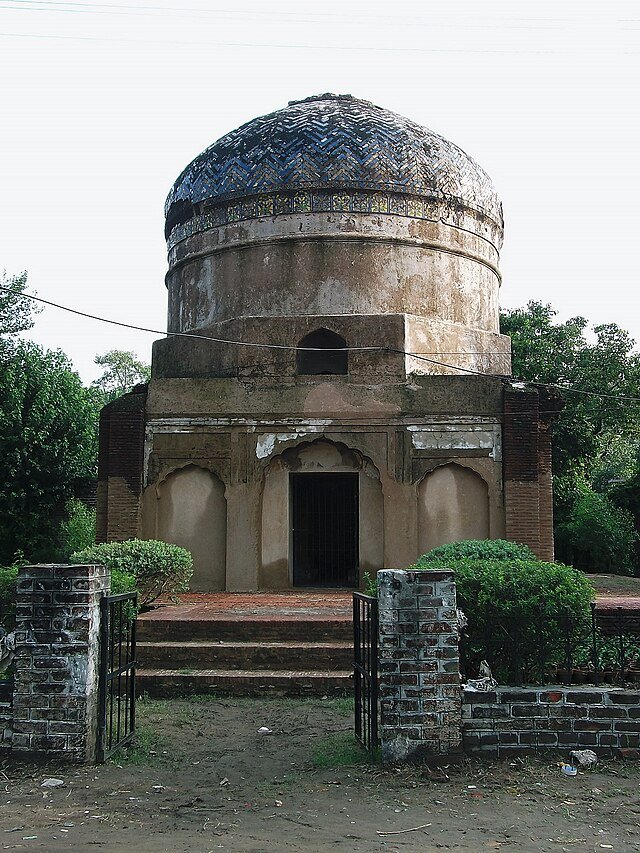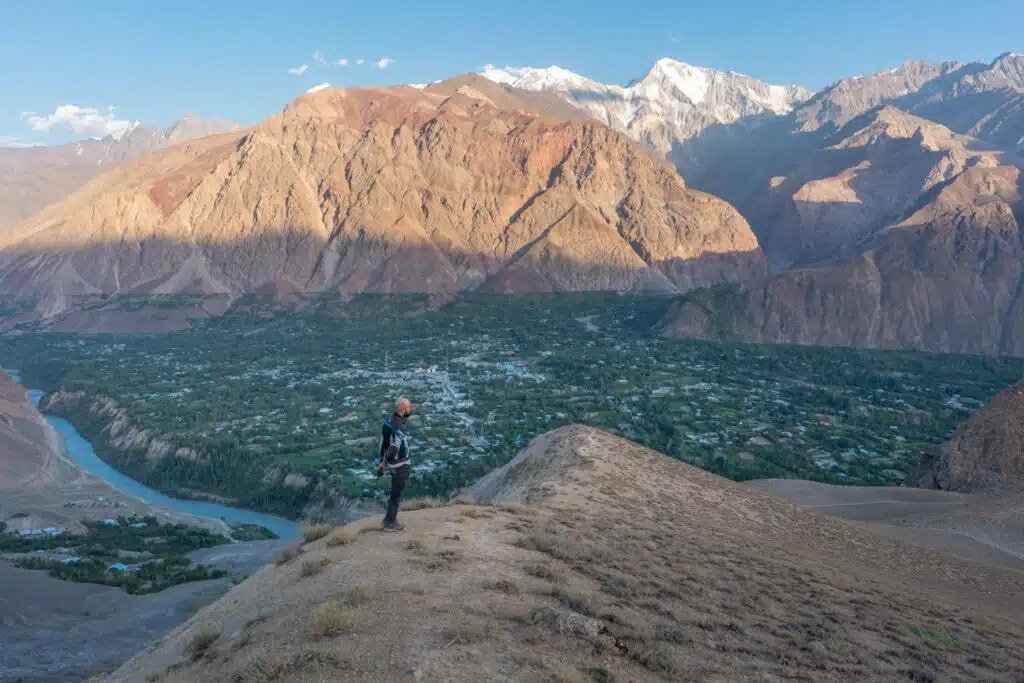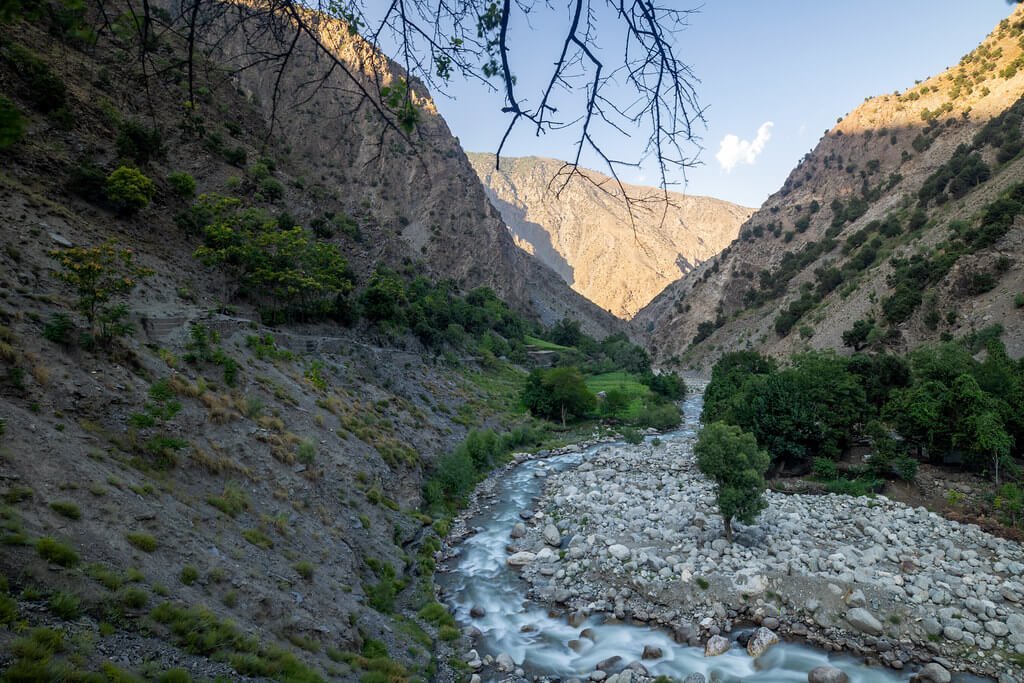
Quick Facts
- Location: Chitral District, Khyber Pakhtunkhwa — one of the three Kalash valleys in the Hindu Kush mountains, near the Afghan border.
- Famous For: Being the largest and most visited of the Kalash valleys, home to the Kalash people — Pakistan’s unique indigenous community with its own language, dress, festivals, and ancient traditions.
- Nearest City: Chitral town, about 2.5 hours away by road via Ayun.
- Accessibility: Reached by road from Islamabad through the Lowari Tunnel (10–14 hours to Chitral), then a mountain road to the valley. Islamabad–Chitral flights shorten the journey.
- Known Landmarks: The Kalasha Dur museum (House of the Kalasha) in Bumburet, traditional wooden Kalash villages strung along the valley stream, and the trekking route over to Rumbur valley.
- Best For: Culture seekers, festival travelers, photographers, trekkers, and anyone who wants to meet one of the world’s most fascinating indigenous communities.
Why Visit Bumburet Valley
There are beautiful valleys all over northern Pakistan — and then there is Bumburet, which is something else entirely. This is the largest of the three Kalash valleys, and it offers what no other destination in the country can: a living, breathing indigenous culture that has survived for centuries in the folds of the Hindu Kush. The Kalash people — some three thousand strong across Bumburet, Rumbur, and Birir — speak their own language, wear their own brilliantly colored dress, celebrate their own festivals, and follow traditions found nowhere else on earth. Visiting Bumburet is less like sightseeing and more like stepping gently into another world.
That is the honest pitch: come for the culture first, and let the scenery be the bonus. The valley itself is undeniably beautiful — a green ribbon of fields and walnut trees running between steep, forested mountains, with a bright stream rushing down its center. But what you will remember is the people: Kalash women in black robes embroidered with cowrie shells and bright thread, their elaborate headdresses beaded and unmistakable; the sound of traditional drums and dancing at festival time; the carved wooden houses stacked up the hillsides; the warmth of a community that welcomes respectful visitors into its daily life.
Bumburet is also the practical choice among the Kalash valleys. It is the most developed and most visited of the three, which means it has the best road access, the most guesthouses, and the Kalasha Dur museum — the cultural museum that orients every first-time visitor. Rumbur and Birir are quieter and more traditional, and you can visit them as day trips or onward journeys; but Bumburet is where you start, where the festivals are biggest, and where a first-time traveler will feel most at ease.
This valley is perfect for festival travelers (time your trip for Chilam Joshi in May or Choimus in December and you will never forget it), for photographers, for cultural explorers tired of generic mountain views, and for families who want their children to see that Pakistan contains multitudes. It asks one thing of you in return: respect. Ask before photographing people, dress modestly, and remember you are a guest in someone’s home valley. Do that, and Bumburet will give you one of the richest travel experiences in the country.
History of Bumburet Valley
The history of Bumburet is the history of the Kalash people, and it is delightfully mysterious. The Kalash are thought by some to be descendants of the soldiers of Alexander the Great, who passed through this region in 327 BCE — a romantic theory the locals themselves sometimes repeat with pride. Scholars debate it; what is certain is that the Kalash are an ancient indigenous people whose language, religion, and customs set them entirely apart from their neighbors. Their faith is a form of animism with its own gods, spirits, and rituals, and for centuries they lived in near-total isolation in these three valleys, largely untouched by the conversions that swept the surrounding regions.
That isolation ended gradually. The valleys came under the orbit of the princely state of Chitral, and after Chitral’s merger with Pakistan the Kalash became Pakistani citizens — a tiny, celebrated, and vulnerable minority. Their numbers have declined over the generations through conversion and emigration, which is why cultural preservation has become urgent. The Kalasha Dur museum in Bumburet — the “House of the Kalasha” — was established to document and protect this heritage, displaying traditional clothing, jewelry, household objects, and musical instruments so that the culture is recorded for future generations.
In recent decades Bumburet has transformed from an almost-unknown mountain backwater into Pakistan’s most famous cultural destination. Roads improved, guesthouses opened, and the festivals — once purely community rituals — became events that draw visitors from across Pakistan and abroad. Through it all, the valley has kept its essential character: the wooden houses, the dancing, the festivals, and the fierce pride of the Kalash in who they are. Visiting now means witnessing a culture at a fascinating moment — ancient, adapting, and very much alive.
Top Things to Do in Bumburet Valley
Visit the Kalasha Dur Museum
Start here. The Kalasha Dur — the House of the Kalasha — is the cultural museum in Bumburet that every visitor should see first. Its exhibits of traditional dress, jewelry, household items, and musical instruments give you the vocabulary to understand everything else you will see in the valley: why the headdresses look the way they do, what the carved motifs mean, how the festivals work. An hour in the museum will triple the value of the rest of your trip.
Walk the Traditional Villages
The real Bumburet is experienced on foot. Village paths connect the wooden houses, fields, and communal spaces strung along the valley stream. Walk slowly, greet people, watch daily life unfold — women working in the fields in their embroidered dress, children on their way to school, elders on verandas. Keep your voice down and your curiosity respectful; you are walking through people’s neighborhoods, not a theme park.
Experience a Kalash Festival
If your dates align with Chilam Joshi (May), Uchal (the late-summer harvest festival), or Choimus (December, around the winter solstice), you are in for something extraordinary: days of traditional dancing, drumming, singing, and ritual, with the whole community in festival dress. These are genuine religious and social occasions, not staged shows — participate only when invited, photograph only with permission, and savor the privilege of being there.
Trek the Bumburet to Rumbur Walk
One of the classic walks in the region connects Bumburet with neighboring Rumbur valley, offering sweeping panoramas of both valleys and the Hindu Kush beyond. The trail is best done with a local guide, who knows the route, the weather, and the villages along the way. It is the perfect half-day or full-day adventure for reasonably fit walkers.
Day-Trip to Rumbur and Birir
Bumburet’s sister valleys each have their own character: Rumbur, branching north, is more secluded and dramatic, while Birir to the south is the least touristed and the most traditional. Visiting all three gives you the full Kalash picture — and a real appreciation for why Bumburet, the largest and most developed, makes the best base.
Famous Places In and Around Bumburet Valley
- Kalasha Dur Museum — the essential cultural museum of the Kalash people, in Bumburet.
- Bumburet’s wooden villages — traditional carved houses and terraced fields along the valley stream.
- Rumbur Valley — the quieter, more dramatic sister valley to the north.
- Birir Valley — the least-visited valley, with the strongest traditional character.
- Ayun — the gateway village where the road to the Kalash valleys begins.
- Chitral Town — the historic Shahi Qila (fort), the bazaar, and the riverfront, 2.5 hours away.
- Chitral Gol National Park — home of the markhor, Pakistan’s national animal, a day trip from Chitral town.
How to Reach Bumburet Valley
Getting to Bumburet is a genuine journey — and that is part of its magic. The standard route runs through Chitral town, and from there a mountain road winds via Ayun into the Kalash valleys, reaching Bumburet in about 2.5 hours.
From Islamabad: Drive north through Mardan and Dir, then through the 10.4-kilometer Lowari Tunnel — the engineering marvel that gave Chitral year-round road access. The full Islamabad–Chitral drive takes 10–14 hours depending on stops and conditions; most travelers break it with a night in Dir or leave Islamabad before dawn. From Chitral town, hire a local jeep or car for the 2.5-hour run to Bumburet.
From Lahore: Drive to Islamabad first (4–5 hours on the M-2), then follow the Islamabad route above — or fly to Islamabad and continue by road or air.
From Karachi: Fly to Islamabad (about 2 hours), then continue as above. The overland journey from Karachi is extremely long and not recommended in one go.
Nearest airport: Chitral Airport receives scheduled flights from Islamabad, which cut the journey dramatically when operating. Confirm schedules before planning around them, as mountain weather can disrupt flights.
Road conditions and transport: The Lowari Tunnel road is paved but the mountain sections are narrow and winding; beyond Chitral, the valley roads require local vehicles and experienced drivers — hire jeeps locally rather than attempting them in a rental sedan. Winter access to the valleys can be limited by snow and is weather-dependent. Public transport reaches Chitral town; for the Kalash valleys you will need a hired jeep or a tour van. Foreign visitors should register with local authorities on arrival in Chitral, and some nationalities may need an NOC — check current requirements with your embassy or tour operator before traveling.
Route Details
A practical itinerary: Day 1 — depart Islamabad early, drive via Dir and the Lowari Tunnel to Chitral town (night halt). Day 2 — morning in Chitral town (fort, bazaar), afternoon jeep to Bumburet via Ayun (about 2.5 hours). Days 3–4 — museum, village walks, the Bumburet–Rumbur walk, and festival events if the season is right. Day 5 — return to Chitral town and begin the journey back. Festival periods (May, late summer, December) need advance booking for both transport and beds.
Where to Stay in Bumburet Valley
Accommodation in Bumburet is simple, locally run, and full of character — this is not a luxury destination, and that is entirely the point. The PTDC Motel Bumburet offers clean, government-managed rooms at budget-friendly rates and is a reliable choice for first-time visitors. Private options include mid-range hotels such as the Kalash Galaxy Hotel, with mountain views and local food, and a growing number of family-run guesthouses and eco-stays where Kalash families host travelers directly — the most immersive way to experience the valley. Facilities are basic by city standards: heating, electricity, and hot water can be limited, so pack accordingly and embrace the simplicity. During the big festivals (especially Chilam Joshi in May), every bed in the valley fills up — book well in advance or arrange a homestay through a local operator. Rumbur and Birir have even fewer options, which is another reason Bumburet makes the best base.
Where to Eat: Local Foods of Bumburet Valley
Kalash food is simple, hearty mountain fare built on what the valley grows. Walnuts are everywhere — eaten fresh, pressed for oil, and ground into dishes. Dairy is central: fresh cheese, buttermilk, and ghee from mountain cattle and goats. Dried apricots and mulberries are the classic snacks and travel food. Try tsirok, the Kalash-style cornbread, and the warming vegetable stews and lamb curries served in guesthouses. The Kalash also traditionally make their own wine from grapes and mulberries (jush), served at festivals and ceremonies — it is part of their culture, though visitors should be discreet and respectful about alcohol in this conservative region. Meals at guesthouses are home-cooked and generous; in the small bazaar, dhabas serve simple Pakistani staples at budget-friendly prices. A day’s eating in the valley costs very little by city standards.
Weather in Bumburet Valley
Bumburet sits at moderate mountain altitude, giving it four distinct seasons. Winters are cold with snow, springs are fresh and green, summers are warm but rarely harsh, and autumns are crisp and golden. The weather shapes everything here — festivals, farming, and road access all follow the seasons.
| Season | Temperature Range | Conditions |
|---|---|---|
| Winter (Dec–Feb) | -5 to 5°C | Cold with snow; Choimus festival in December; some access challenges |
| Spring (Mar–May) | 8–20°C | Fresh, green, blooming; Chilam Joshi festival in May |
| Summer (Jun–Aug) | 18–30°C | Warm days, pleasant nights; Uchal harvest festival; best trekking |
| Autumn (Sep–Nov) | 5–18°C | Crisp and golden; harvest season; clear mountain views |
Language and Culture of Bumburet Valley
The Kalash speak Kalasha (Kalasha-mun), their own distinct language, alongside Khowar (the regional language of Chitral) and Urdu, which most people dealing with visitors understand. Their culture is the valley’s treasure: the women’s black robes with vivid embroidery and cowrie shells, the beaded headdresses, the music, dance, and festivals, and a traditional way of life organized around farming, herding, and community ritual. Visitors must be exemplary guests: always ask before photographing anyone (a smile and a gesture go a long way), dress modestly, keep noise down in villages, and never intrude on religious ceremonies uninvited. Respect local customs around alcohol — it has a traditional place in Kalash culture but is not for casual tourist consumption. Hiring a local guide is strongly recommended: a good guide opens doors, explains customs, and ensures your visit benefits the community.
Shopping in Bumburet Valley
Shopping in Bumburet means handicrafts, not malls. Look for walnut-wood carvings, traditional Kalash embroidery and textiles, beaded jewelry in the Kalash style, and the valley’s famous honey and dried fruits (apricots, mulberries, walnuts) — all authentic souvenirs that directly support local families. The small bazaar in Bumburet and the larger market in Chitral town are the places to buy. Bargain gently and fairly; these are artisans and farmers, not souvenir factories. Avoid buying anything that looks like a genuine antique or ritual object — the community’s heritage belongs in the valley.
Local Events and Festivals
Bumburet’s festivals are the heartbeat of Kalash culture, and timing your visit for one transforms the trip. Chilam Joshi (also spelled Chilimjusht), the spring festival held in May, celebrates the end of winter with days of dancing, music, and ritual — it is the most famous and most visited of the three. Uchal (Uchau), the harvest festival of late summer (August/September), gives thanks for the summer crops with feasting and dance. Choimus, the winter festival held for about two weeks around the December winter solstice, is the most spiritually intense — torchlit rituals, purification ceremonies, and community feasting in the snow. Festival dates follow the traditional calendar, so confirm exact days locally before traveling, and book transport and accommodation far in advance for May and December.
Travel Tips for Bumburet Valley
Packing Essentials
Layers are everything: warm fleece and a good jacket even in summer (mountain nights are cold), sturdy walking shoes for village paths and the Rumbur walk, sun protection, a water bottle, and a headlamp for basic guesthouses. Bring any medications you need — pharmacies are limited to Chitral town.
Safety Tips
The Kalash valleys are generally safe for tourists, with a visible security presence, but this is a remote border region: register with local authorities as required, follow your guide’s advice, and avoid wandering off marked routes. The biggest risks are natural — mountain roads, river crossings, and sudden weather changes — so travel with experienced local drivers and check conditions daily.
Money & Connectivity
Carry cash — ATMs are scarce beyond Chitral town and cards are rarely accepted in the valleys. Mobile signals are poor in Bumburet; expect limited or no data, and tell family you may be offline. Buy a local SIM in a big city before heading up if you need the best chance of a signal.
Best Time to Visit Bumburet Valley
May — Chilam Joshi (Festival Season)
The single most magical time to visit: spring in full bloom, the valley green and alive, and the great spring festival in swing. Book months ahead — this is peak season.
June–September — Summer & Trekking
Full road access, warm weather, the Uchal harvest festival in late summer, and the best conditions for the Bumburet–Rumbur walk and longer treks. Ideal for active travelers.
October–November — Golden Autumn
Clear skies, harvest colors, fewer visitors, and crisp air. A beautiful, contemplative season for village walks and photography.
December — Choimus (Winter Festival)
For the adventurous: snow, torchlit rituals, and the most profound of the Kalash festivals. Cold and logistically challenging, but utterly unforgettable. January–April is the quietest period, with limited access.
Final Thoughts
Bumburet Valley is not just another beautiful place in northern Pakistan — it is a reminder of how much human variety this country holds. The mountains are magnificent, but they are the frame; the picture is the Kalash themselves, dancing in their embroidered black robes as their ancestors did centuries ago, in valleys that the modern world somehow forgot to flatten.
Go with respect, go with a guide, and if you can, go when the drums are playing. Stand at the edge of a festival dance in May or December, look up at the Hindu Kush rising over the wooden rooftops, and you will understand why travelers call Bumburet the most unforgettable valley in Pakistan. Just remember to ask before you take the photograph — and to leave the valley a little better than you found it.
FAQs
Where is Bumburet Valley located?
In Chitral District, Khyber Pakhtunkhwa, in the Hindu Kush mountains near the Afghan border. It is the largest of the three Kalash valleys (Bumburet, Rumbur, Birir), about 2.5 hours by road from Chitral town via Ayun.
Who are the Kalash people?
An indigenous community of around three thousand people living in the three Kalash valleys, with their own language (Kalasha), distinctive dress, and ancient animist traditions. Some traditions link them to the armies of Alexander the Great.
When is the best time to visit Bumburet Valley?
May (for the Chilam Joshi spring festival), June–September (for trekking and the Uchal harvest festival), and December (for the Choimus winter festival). October–November offers beautiful, quiet autumn weather.
How do I reach Bumburet Valley from Islamabad?
Drive to Chitral via the Lowari Tunnel (10–14 hours), or fly Islamabad–Chitral, then take a local jeep from Chitral town via Ayun (about 2.5 hours) into the valley.
Is Bumburet Valley safe for tourists?
Yes — it is a well-established tourist destination with a security presence. Register with local authorities as required, use local drivers and guides, and follow normal mountain-travel precautions.
Can families visit Bumburet?
Absolutely. The museum, village walks, and festivals are wonderful for children, though facilities are basic — bring what young kids need and embrace the simplicity.
Where can I stay in Bumburet?
The PTDC Motel Bumburet, mid-range hotels like the Kalash Galaxy Hotel, and family-run guesthouses and homestays. Book far ahead for festival periods.
What should I know about Kalash culture before visiting?
Always ask before photographing people, dress modestly, respect religious ceremonies, and hire a local guide. For more northern inspiration, see our Hunza Valley guide and browse the Explore Pakistan collection.