Quick Facts
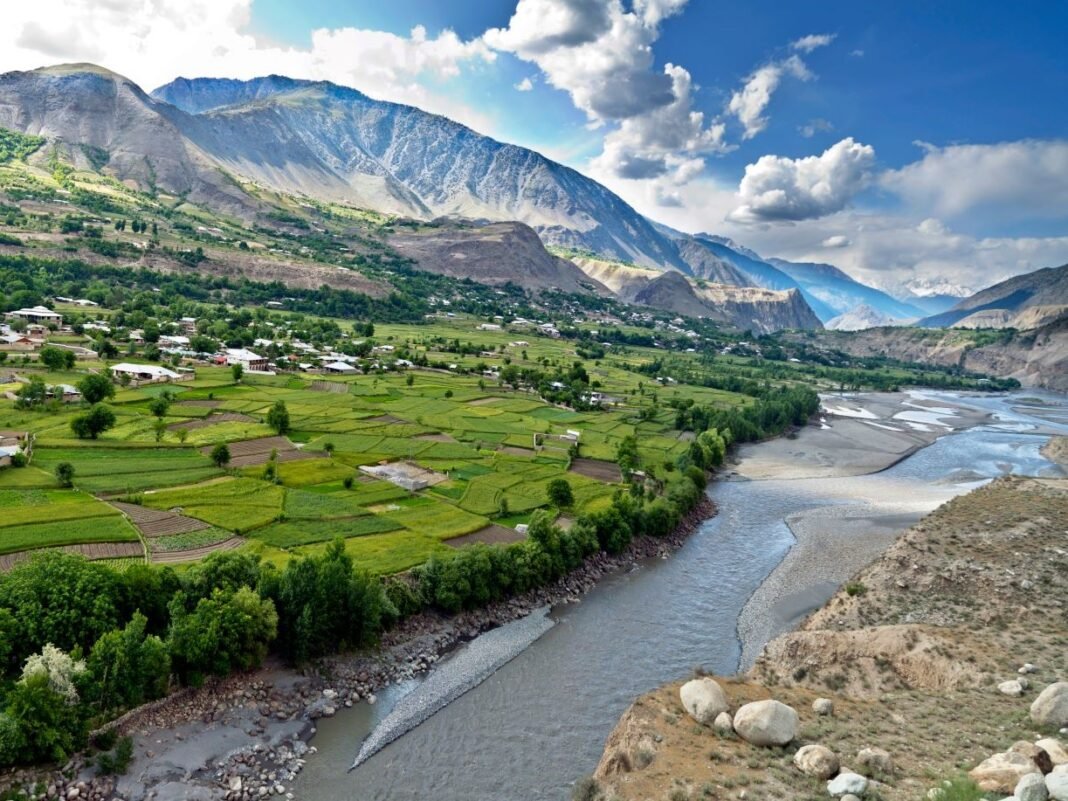
- Location: In the upper Chitral Gol watershed, northwest of Chitral town, Lower Chitral district, Khyber Pakhtunkhwa — in the heart of the Hindu Kush.
- Altitude: Elevations range from about 1,500 metres to 5,000 metres above sea level; the Chaghbini viewpoint sits at around 8,961 feet (2,730 metres).
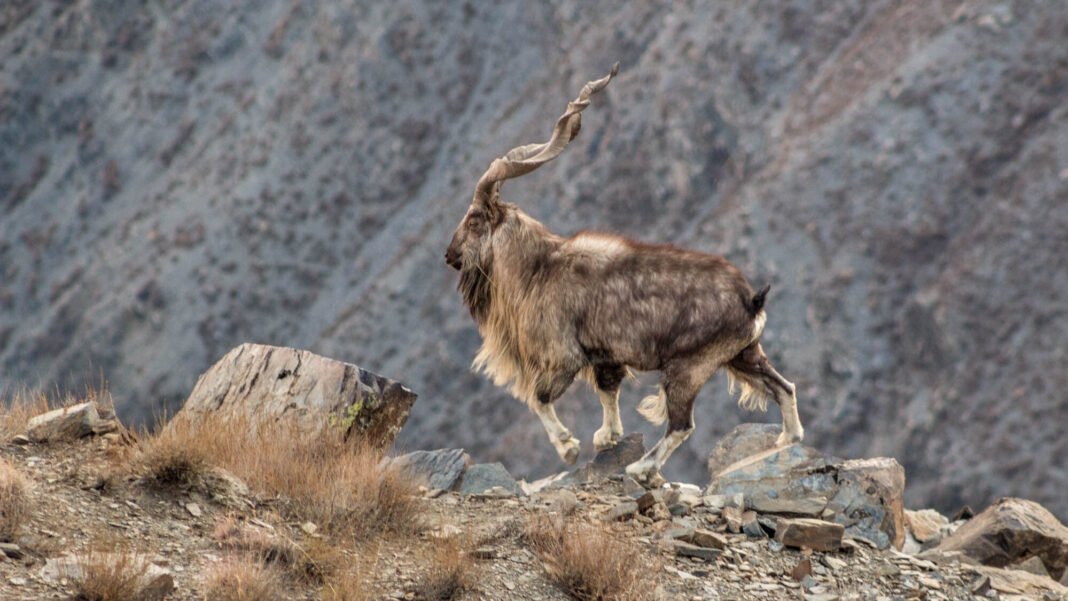
- Famous For: Being one of the best places on earth to see the flare-horned markhor in the wild, plus snow leopards, Himalayan ibex, cedar forests and the meadows of Birmoghlasht.
- Nearest City: Chitral town — the park boundary begins just a short drive from the town’s edge.
- Accessibility: A jeep road runs about 18 km from Chitral town to Chaghbini inside the park; several mountain foot tracks also lead in. Day trips from town are easy.
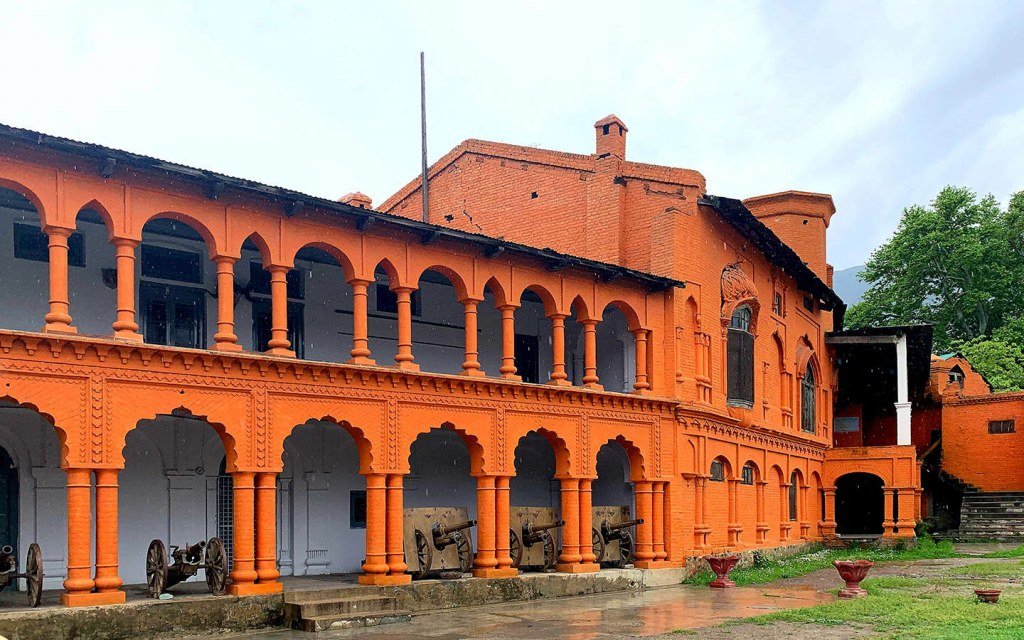
- Known Landmarks: Chaghbini hut and wildlife-viewing point, Birmoghlasht alpine pasture (with views of Tirich Mir), the old summer fort of the Mehtar, glacial streams and cedar forests.
- Best For: Wildlife watchers, birders, hikers, photographers and families wanting an easy nature day-trip from Chitral.
Why Visit Chitral Gol National Park
Pakistan’s national animal is the markhor — that magnificent wild goat with spiraled, flare-shaped horns — and Chitral Gol National Park is quite simply the best place in the country to see it living free. This is not a zoo experience and not a lucky glimpse on a distant ridge: the park’s steep cedar-clad slopes hold a real, protected population, and from the wildlife-viewing point at Chaghbini, visitors regularly watch herds grazing in the late afternoon light, so close you will not believe your binoculars. For anyone who has ever wanted to see Pakistan’s most iconic animal in its own mountains, this chitral gol national park travel guide points to the one place that delivers.
But the park is far more than one species. Spread across 7,745 hectares of the Hindu Kush, it climbs from dense cedar forest through alpine meadows to barren 5,000-metre ridges. Snow leopards — the ghosts of these mountains — were first photographed here by the legendary biologist George Schaller, and they still pass through. Golden eagles and lammergeiers ride the thermals overhead. An 18-kilometre glacial stream threads the valleys, and the alpine pasture of Birmoghlasht offers one of the finest views of Tirich Mir anywhere in Chitral.
And here is the practical magic: this is a national park you can visit on a day trip, without expedition planning. It begins minutes from Chitral town, the jeep road does the hard climbing for you, and the trails suit everyone from serious hikers to families with children. If your northern Pakistan itinerary already includes Hunza Valley or Malam Jabba for scenery, make Chitral Gol your wildlife chapter — it is the one your camera will thank you for.
History of Chitral Gol National Park
Long before it was a national park, the Chitral Gol watershed was the private hunting reserve of the Mehtars of Chitral — the princely rulers who kept these valleys as their own royal shikargah from as early as the 1880s. That royal protection, ironically, is what saved the markhor here while populations elsewhere declined: for a century, these slopes were guarded for the Mehtar’s hunts, and the wildlife thrived under that strange, privileged shelter.
After the princely state merged with Pakistan in 1969, the area’s conservation value was formally recognized. It was declared a wildlife sanctuary in 1979 and then established as a national park in 1984, covering 7,745 hectares of the upper Chitral Gol. The park also entered scientific history through the work of George Schaller, the pioneering field biologist who took some of the first photographs of the snow leopard here and spent long seasons tracking the cats — an account he later told in his book Stones of Silence. Today the park is managed by the Khyber Pakhtunkhwa Wildlife Department, whose field staff guide visitors at the Chaghbini viewing point and patrol against poaching.
Top Things to Do in Chitral Gol National Park
Watch Markhor at Chaghbini
The single essential experience. Drive the jeep road about 18 km from Chitral town to Chaghbini (around 8,961 feet), where the Wildlife Department has set up a proper wildlife-viewing point. With binoculars and a field guide’s help, scan the slopes — and be patient. Local visitors swear by the late afternoon: markhor herds often come down to graze as the light softens, and around 4 to 5 p.m. your chances are best. Watching a dozen flare-horned markhor pick their way across a cliff face, completely wild and completely unhurried, is the memory you will carry home.
Hike the Valley and Ridge Trails
The park offers well-defined trails for different fitness levels. An easier valley-floor route follows the stream through forest cover for 3 to 5 km — a gentle two-to-three-hour round trip with minimal climbing. More ambitious hikers can take the ridge ascent routes, 6 to 8 km round trips of four to six hours over open slopes with big mountain exposure. Wear proper boots: the footing on the higher trails can be loose. Four inspection huts dot the park — Chaghbini, Kasawir, Gokshal and Marine — connected by a network of foot tracks, each leg roughly a three-hour walk.
Go Birdwatching
Bring binoculars even if you come for the mammals. The park’s birdlife is superb: bearded (lammergeier) and Himalayan griffon vultures, golden eagles, peregrine falcons, demoiselle cranes on passage, Himalayan snowcock, snow partridge, rock partridge and the spectacular Himalayan monal. Dawn and late afternoon are the best hours, and the forest belt around Chaghbini is the richest ground.
Take in Birmoghlasht and the Tirich Mir View
Birmoghlasht, at about 8,487 feet, is an alpine pasture now within the park that was once the Mehtar’s summer retreat — a dilapidated old fort of the former ruler still stands here. The reward for the climb is a sweeping panorama: Tirich Mir rising to the north and the whole of Chitral town spread below to the south. Come for sunset if you can.
Picnic by the Glacial Streams
The park’s 18-kilometre stream runs cold and clear eastward toward the Chitral River, and its banks make perfect picnic spots. There are no restaurants inside the park, so pack food in Chitral town — fresh bread, dried apricots and walnuts from the bazaar make the ideal mountain lunch. Carry all rubbish out with you.
Famous Places In and Around Chitral Gol National Park
- Chaghbini — the main visitor hub at 8,961 feet, with the wildlife-viewing point and rest house.
- Birmoghlasht — alpine pasture at 8,487 feet with Tirich Mir views and the old summer fort.
- Chitral town — the gateway town, with the historic Chitral Fort and Shahi Mosque.
- Chitral Museum — ethnographic collections a short drive from the park gate.
- Garam Chashma — hot springs valley, a popular combined day-trip with the park.
- Kalash valleys — Bumburet, Rumbur and Birir, south of Chitral town.
How to Reach Chitral Gol National Park
First get to Chitral town. From Islamabad, the all-weather route runs via the M-1 motorway to Chakdara, then through Dir and the Lowari Tunnel — about 404 km, 8 to 10 hours. From Lahore, join the same corridor via the M-2 (about 750 km, 12 to 13 hours — plan an overnight stop). From Karachi, fly to Islamabad or Peshawar and continue by road. PIA also flies Islamabad to Chitral Airport (CJL), a few kilometres north of town, subject to weather.
From Chitral town, the park is remarkably close. A jeep road runs about 18 km northwest to Chaghbini Hut — roughly an hour’s drive in a 4×4. Local jeeps and taxis in town know the route well, and many hotels can arrange the trip. Alternatively, several mountain foot tracks lead into the park for those who prefer to walk in. Entrance charges are nominal — a small fee collected at the gate, best confirmed locally as amounts can change.
Route Details
Step 1: Reach Chitral town by road (Lowari Tunnel route) or by PIA flight from Islamabad.
Step 2: In town, hire a 4×4 jeep or taxi for Chitral Gol — agree the fare and waiting time in advance.
Step 3: Drive the jeep road northwest about 18 km to the park gate and on to Chaghbini (roughly one hour).
Step 4: Pay the nominal entry fee, meet the Wildlife Department field staff, and walk or drive to the viewing point. For the best markhor sightings, time your visit for the late afternoon.
Where to Stay in Chitral Gol National Park
Almost everyone visits the park as a day trip from Chitral town — and that is the most comfortable option. The town offers mid-range hotels near the bazaar, budget guesthouses famous for their hospitality, and a few better-appointed resorts on the outskirts with gardens and mountain views. Staying in town also gives you the bazaar, the fort and the restaurants in the evening.
Inside the park itself, accommodation is minimal by design: there is a small rest house at Chaghbini and a designated camping area. If you want to wake up to mountain silence and be on the trails at dawn — the finest hour for wildlife — camping is the way to do it, with your own gear and the necessary permissions. Book the rest house well ahead through the Wildlife Department if you hope to use it, and note that there are no shops or restaurants inside the park boundaries.
Where to Eat: Local Foods of Chitral Gol National Park
There are no restaurants inside the park, so the smart move is to pack a picnic in Chitral town before you drive up. The town’s bazaar gives you everything you need: fresh tandoori bread, kebabs and chapli kebab from the grill shops, and the valley’s famous dried apricots, mulberries and walnuts for trail snacks. If your guesthouse will pack it, ask for ghalmandi — the cheese-and-butter layered flatbread — or a thermos of kali noodle soup; both travel well and taste even better at 9,000 feet.
Back in town after your visit, reward yourself properly: trout from the valley’s cold streams is the celebrated local dish, and the food street around PIA Chowk offers the liveliest evening eating in Chitral. An honest local note: the most authentic Chitrali home cooking is found in guesthouses rather than restaurants, so ask your host — many will happily cook a traditional meal with advance notice.
Weather in Chitral Gol National Park
The park’s huge elevation range — 1,500 to 5,000 metres — means weather changes dramatically as you climb. The lower valleys around Chaghbini are pleasant from late spring to early autumn, while the high ridges stay cold and can hold snow well into summer. Winter brings deep snow and closes the upper park entirely.
| Season | Temperature Range (lower park) | Conditions |
|---|---|---|
| Winter (Dec–Feb) | -15°C to 2°C | Snow-covered; upper trails closed; markhor descend to lower slopes — good for sightings if you can reach the gate. |
| Spring (Mar–May) | 5°C to 18°C | Melting snow, fresh green growth, wildflowers; streams run high; excellent wildlife viewing. |
| Summer (Jun–Aug) | 12°C to 22°C | The prime season: all trails open, long days, markhor and ibex active; occasional afternoon clouds. |
| Autumn (Sep–Nov) | 2°C to 15°C | Golden larch and cedar colors, crisp clear air, fewer visitors; superb photography and rutting-season activity. |
Language and Culture of Chitral Gol National Park
The park lies in the homeland of the Kho people, whose language Khowar is the everyday tongue of the Chitral valley. You will hear it from the jeep drivers, the Wildlife Department field staff and the shepherds whose flocks graze the park’s edges. Urdu works everywhere for visitors, and some English is spoken in town hotels.
Culturally, the park carries the imprint of the old princely state — it was the Mehtars’ royal hunting reserve for a century before it became a national park, and local people still speak of it with a pride that mixes conservation with heritage. Visitors should respect grazing customs, keep to trails, never disturb wildlife for a photograph, and carry out all litter. A greeting in Khowar — “ishpata” (hello) — is always appreciated by the field staff who make your visit possible.
Shopping in Chitral Gol National Park
There are no shops inside the park — do all your shopping in Chitral town before you drive up. The town bazaar is excellent for trip supplies and souvenirs alike: stock up on dried apricots, walnuts and local honey for the trail, and browse pakol caps, shuqa woolen fabric, waistcoats and Kalash handicrafts (embroidered textiles, beaded jewelry, carved wood) to take home. You may also spot gemstones and minerals from the Hindu Kush. As elsewhere in Chitral, there are no shopping malls — the bazaar is the authentic experience.
Travel Tips for Chitral Gol National Park
Packing Essentials
Binoculars are non-negotiable — without them you will miss most of the wildlife. Bring layered clothing (temperatures swing with altitude and the afternoon), sturdy boots with ankle support for the ridge trails, sun protection, a picnic and plenty of water, and a camera with the longest lens you own. A small daypack, a basic first-aid kit and offline maps complete the kit.
Safety Tips
Stay on marked trails, keep a respectful distance from all wildlife (markhor are wild animals on cliff edges — never chase them for a photo), and start ridge hikes early so you are down before dark. The footing on higher trails can be loose; trekking poles help. Hire a local guide through your hotel or the Wildlife Department if you plan anything beyond the main viewpoints. The KP tourist helpline (1422) covers the province 24/7.
Money & Connectivity
Carry cash for the jeep, the nominal park entry fee and any tips — there are no ATMs or card facilities anywhere near the park. Mobile signal fades quickly once you leave Chitral town, so download offline maps and tell your hotel your plans. Confirm the entry fee and rest-house availability locally, as both can change.
Best Time to Visit Chitral Gol National Park
Spring (April to May) — Wildlife Wakes Up
Snow melts, meadows green up, and animals are active and visible on the lower slopes. Fewer visitors than summer, and the birdlife is at its liveliest.
Summer (June to August) — Prime Season
All trails and huts accessible, long daylight hours, and the best overall wildlife viewing. Visit the Chaghbini viewpoint in the late afternoon for markhor. Book town accommodation early in July, when the Shandur Polo Festival fills Chitral.
Autumn (September to October) — Golden and Quiet
Crisp air, autumn colors in the forests, rutting season activity among the markhor and ibex, and far fewer people. Many photographers call this the finest season.
Winter (November to March) — For the Hardy
Deep snow closes the upper park, but markhor descend to the lowest slopes — if you can reach the gate, winter can offer remarkable sightings. Check access locally; this season suits experienced winter travelers only.
Final Thoughts
Chitral Gol National Park is that rare thing: a genuinely wild place that is also genuinely easy to visit. You do not need an expedition, a porter team or a week of acclimatization — you need a jeep, a pair of binoculars and one free day in Chitral. In return you get the best chance in Pakistan of watching markhor in the wild, walking cedar forests beneath 7,000-metre walls, and standing where George Schaller first photographed the snow leopard.
Go in the late afternoon, when the light turns gold and the herds come down to graze. Stand quietly at Chaghbini, let the mountains do the talking, and you will understand why this small corner of the Hindu Kush has been protected — by kings, by scientists and now by law — for well over a century. Find more wild places in our Explore Pakistan collection.
FAQs
Where is Chitral Gol National Park located?
In the upper Chitral Gol watershed, northwest of Chitral town in Khyber Pakhtunkhwa — about 18 km by jeep road from the town to Chaghbini.
What animals can I see in Chitral Gol National Park?
Markhor (the star attraction), Himalayan ibex, Ladakh urial, snow leopards (rarely seen), Asian black bear, Tibetan wolf, red fox — plus golden eagles, lammergeiers and Himalayan monal among the birds.
When was Chitral Gol National Park established?
It was a royal hunting reserve of the Mehtars from the 1880s, declared a wildlife sanctuary in 1979 and established as a national park in 1984.
What is the best time to visit for markhor sightings?
May to October overall, with late afternoons (around 4–5 p.m.) at the Chaghbini viewing point offering the best daily chances.
How do I reach the park?
Drive or hire a 4×4 jeep from Chitral town — about 18 km, roughly an hour, to Chaghbini. Chitral town itself is reached via the Lowari Tunnel from Islamabad (8–10 hours) or by PIA flight.
Is there an entry fee?
A small nominal fee is collected at the gate; the exact amount can change, so confirm locally in Chitral town.
Can families visit Chitral Gol National Park?
Yes — the valley-floor trails and the Chaghbini viewpoint are easy and suitable for children. Save the ridge hikes for fit, experienced walkers.
Where can I stay near the park?
Most visitors day-trip from Chitral town’s hotels and guesthouses. Inside the park there is only a small rest house at Chaghbini and a camping area — no restaurants or shops.