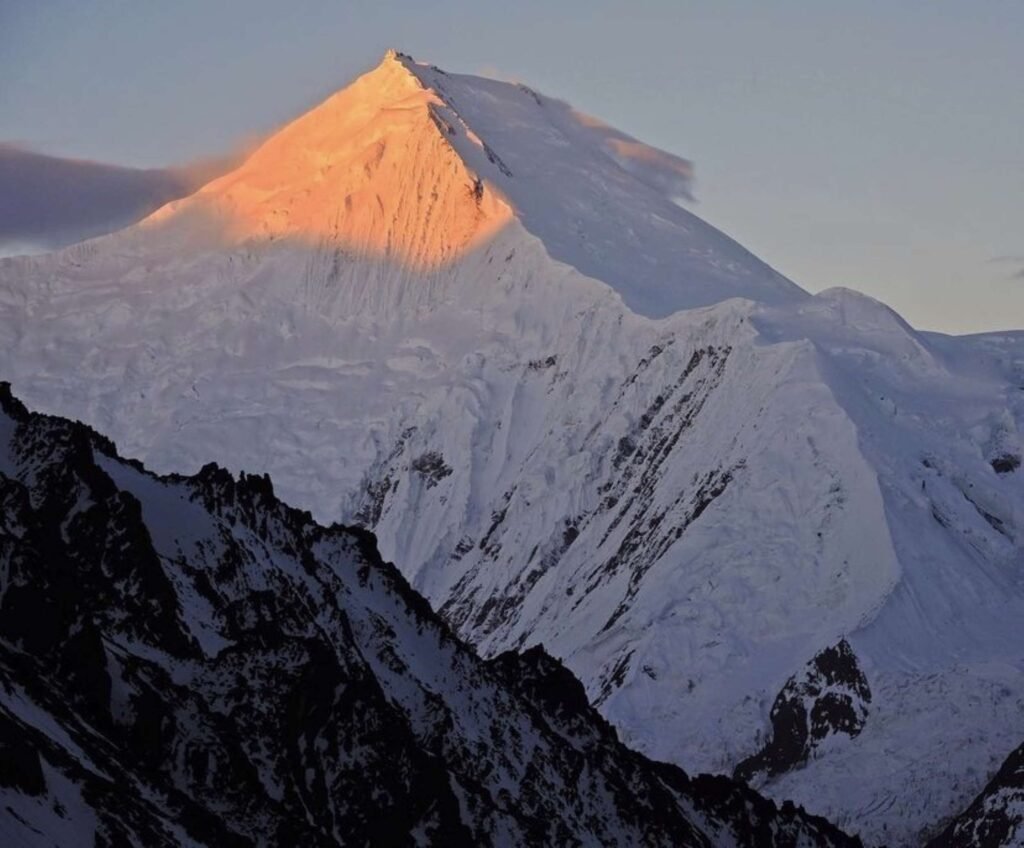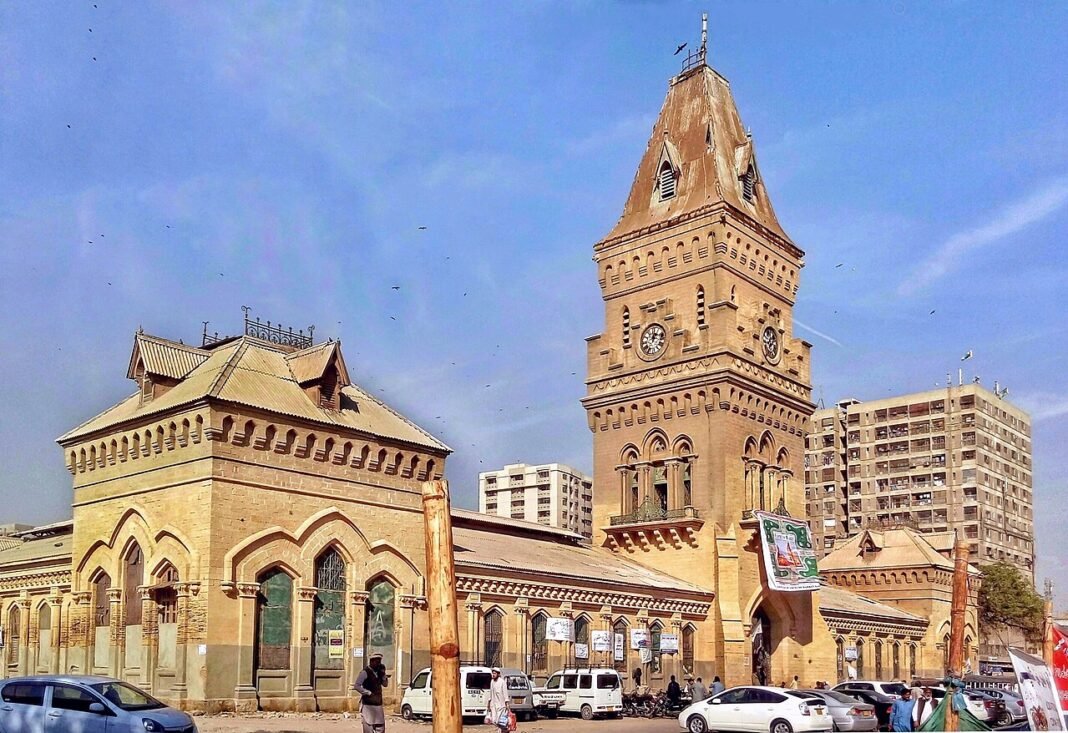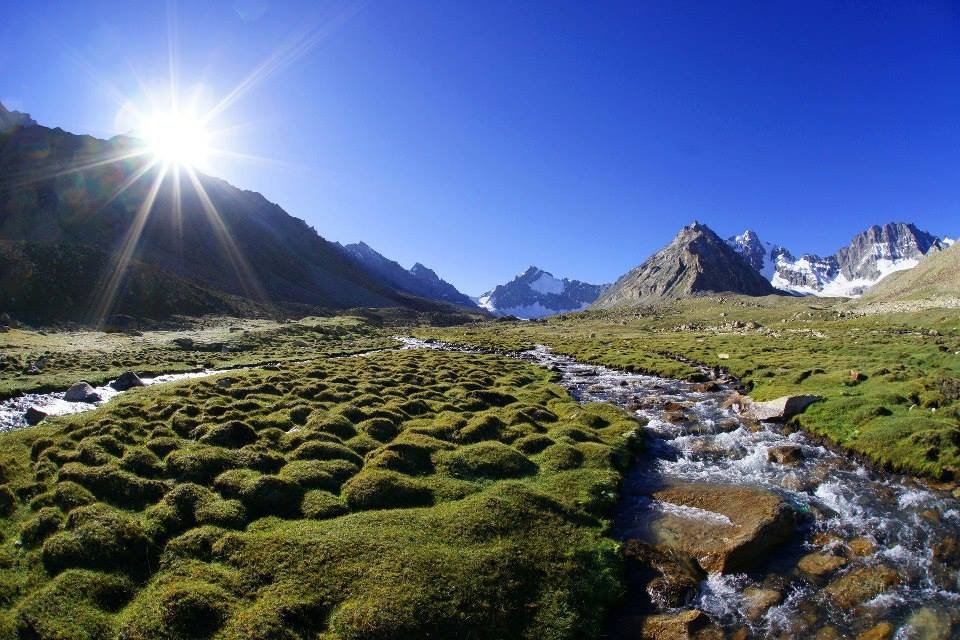
Quick Facts
- Location: The eastern Shyok River Valley in Khaplu tehsil, Ghanche District, Gilgit-Baltistan, Pakistan — stretching from the edge of Khaplu toward the Line of Control with Ladakh
- Altitude: A high mountain valley of the Karakoram (exact figures vary by village; the valley runs well above 2,500 metres)
- Famous For: Being the last valley of Baltistan before Ladakh begins; Balti villages strung along the Shyok River; the historic seat of the Khan of Chorbat at Siksa; a valley divided by the 1971 war
- Nearest City: Khaplu, about 60 km to the northwest, which is the gateway town for the valley
- Accessibility: A day trip east from Khaplu along the Shyok River by jeep or car; the valley sits close to the Line of Control, so travel with local guidance
- Known Landmarks: Siksa (the old capital), the Chorbat La pass on the Line of Control, the Shyok River, and villages like Hassanabad, Franu and Dawou
- Best For: Culture lovers, history buffs, photographers and travellers who want the quiet, authentic Baltistan beyond the tourist trail
Why Visit Chorbat Valley
Most travellers to Baltistan stop at Khaplu — and that is their loss. East of Khaplu, the Shyok River valley continues into Chorbat, a string of Balti villages that most Pakistanis have never heard of and almost no tourists ever see. This is the last valley where the geography of Baltistan holds before Ladakh begins, a place with its own accent, its own history of kings, and a border story written in villages that were divided by war. If you want the Karakoram without the crowds, Chorbat is waiting.
Chorbat’s appeal is not a single famous peak or lake — it is the valley itself. The Shyok River, wide and braided, runs through a landscape of high Karakoram mountains, green summer fields and villages that have farmed this harsh land for centuries. The people here are Noorbakhshi Muslims with a distinct Balti accent, and their hospitality is the old-fashioned kind: travellers are guests, not customers. Walk through Siksa, Dawou or Franu in summer and you will see apricot orchards, bean and maize fields, and a way of life that changes slowly.
Then there is the history, which is genuinely moving. In the 18th century, the Khan of Chorbat moved his capital from Siksa — originally called Chorbat itself — to Turtuk. When the 1971 war redrew the map, four villages of the valley (Chalunka, Thang, Turtuk and Tyakshi) ended up on the other side of the Line of Control. Families were divided. To travel here today is to visit a place that remembers what it lost, and that quiet dignity gives Chorbat a depth that no postcard valley can match.
Chorbat is perfect for the traveller who has done Hunza and Skardu and wants what comes next: authenticity. It suits culture lovers, photographers chasing unphotographed valleys, and anyone who believes the best journeys are the ones where you are the only outsider in the village. This chorbat valley travel guide will show you how to reach it, when to go, and what to expect in one of Baltistan’s least-visited corners.
History of Chorbat Valley
Chorbat’s recorded history is the history of a small mountain kingdom on a great frontier. The valley — whose name in Balti is written chor bad — was once ruled by the Khan of Chorbat, whose original capital was the village of Siksa, itself originally named Chorbat. In the 18th century, the Khan moved his seat from Siksa to Turtuk, and these two villages grew into the largest settlements of the region — a pairing that would later be split by one of the subcontinent’s hardest borders.
Geographically, Chorbat has always been the meeting point of two worlds. The valley is marked by the Chorbat La pass, the traditional boundary between Baltistan and Ladakh. For centuries, traders, herders and armies crossed between the Balti and Ladakhi worlds through this corridor along the Shyok River, and the valley’s culture still carries that blended character — Balti in language and custom, with the high desert atmosphere of Ladakh beginning just beyond.
The modern tragedy of Chorbat came with the Indo-Pakistani War of 1971. Four villages of the valley — Chalunka, Thang, Turtuk and Tyakshi — were lost across the new Line of Control. Turtuk, the Khan’s 18th-century capital and one of the two great villages of Chorbat, now lies in Indian-administered Ladakh, while Siksa remains in Pakistan. The valley that had been one cultural and family unit for centuries was divided, and the Chorbat La pass that once joined Baltistan to Ladakh became a military frontier. Travellers should understand this history with sensitivity: for the people of Siksa, Dawou and Franu, Turtuk is not a foreign place — it is the other half of home.
Today the Pakistani-administered portion of Chorbat comprises more than thirteen villages in the Khaplu tehsil of Ghanche district — including Dawou, Marcha, Kuwas, Hassanabad, Partuk, Piun, Siksa, Kalaan, Sukhmos, Chhowar, Thongmus, Siari and Franu — while the villages across the line sit in Nubra tehsil of Leh district. The valley remains quiet, agricultural and deeply traditional, visited by few outsiders. Its very obscurity has preserved it: Chorbat is Baltistan as it was before tourism arrived.
Top Things to Do in Chorbat Valley
Walk the Villages Along the Shyok
The essential Chorbat experience is simply moving slowly through its villages. Start from the Khaplu side and work east along the Shyok River through Hassanabad, Siksa, Dawou and Franu. Each village has its own character — orchards, old stone houses, small mosques — and the mountain backdrop changes with every bend of the river. This is walking country: the distances between villages are manageable, the paths are used daily by locals, and a local guide from Khaplu can arrange the route.
Visit Siksa, the Old Capital
Siksa was the original seat of the Khan of Chorbat and bore the valley’s own name before the capital moved to Turtuk in the 18th century. It remains one of the largest villages of Pakistani Chorbat and the natural centre of any visit. Ask locally about the old sites associated with the Khan’s era — village elders are the keepers of this history, and a respectful conversation here teaches more than any book.
See the Chorbat La and the Line of Control
The Chorbat La pass marks the traditional border between Baltistan and Ladakh and now sits on the Line of Control. You cannot cross it, and you should not try — but understanding where it lies gives the valley’s divided history a physical reality. Travel in this area with a local guide who knows the sensible limits, and follow all guidance from local authorities near the border zone.
Experience Balti Village Life
Chorbat’s agriculture is summer-only — beans, maize and other hardy crops grown in a short season between extreme winters — and watching the valley work its fields is a highlight of a summer visit. The people of the valley are Noorbakhshi Muslims, and the valley’s mosques and khanqahs are central to community life. If you are invited for tea, accept: Balti hospitality is generous, and these unplanned moments become the memories you keep.
Photograph the Shyok Valley
The Shyok River valley east of Khaplu is superb photography country: braided river channels, green fields against bare Karakoram slopes, and villages that have barely changed in a century. Early morning light on the river is exceptional. As always, ask before photographing people.
Famous Places In and Around Chorbat Valley
- Khaplu: The gateway town 60 km west, with the historic Khaplu Palace and the 14th-century Chaqchan Mosque
- Siksa: The old capital of the Khan of Chorbat and the largest village of Pakistani Chorbat
- Franu, Dawou and Hassanabad: Classic Chorbat villages along the Shyok, ideal for slow walks
- Saling: Home to a large man-made forest, the biggest in Ghanche district, on the Khaplu side
- Thagas Valley: A neighbouring valley of Khaplu with its own cluster of villages
- Hushe Valley: The famous mountaineering valley further west, gateway to Masherbrum and the Gondogoro La
- Skardu: The main city of Baltistan, the base for the whole region — see our northern guides in the Explore Pakistan collection
How to Reach Chorbat Valley
Chorbat is reached through Khaplu, and Khaplu is reached through Skardu. From Islamabad, fly to Skardu (about 45 minutes, weather permitting) or drive the long Karakoram Highway route via Chilas — a two-day journey. From Lahore, connect through Islamabad; from Karachi, fly to Islamabad and onward. The nearest airport is Skardu Airport.
From Skardu, the road to Khaplu runs east along the Shyok River — roughly 100 km of dramatic valley driving, about 3 to 4 hours by jeep or car. From Khaplu, continue east along the Shyok into Chorbat Valley itself; the valley’s villages are strung along this road, and the drive from Khaplu into the heart of Chorbat takes a few hours depending on how far east you go. The whole of Pakistani Chorbat can be explored as a day trip from Khaplu, though staying overnight in a village guesthouse gives you the valley at its best — sunrise and sunset on the Shyok.
Road conditions are typical Karakoram: paved in stretches, rough in others, and subject to landslides after rain. A 4×4 jeep is the sensible choice, hired in Skardu or Khaplu with a driver who knows the valley. Public transport to the far villages is limited, so a hired vehicle or an organised trip is strongly recommended. Because the valley runs close to the Line of Control, travel with a local guide and respect any checkpoints or guidance from authorities.
Route Details
- Islamabad to Skardu: Fly (weather dependent — keep buffer days) or drive via the Karakoram Highway and Chilas over two days. Overnight in Skardu and arrange your Khaplu transport.
- Skardu to Khaplu: Drive east along the Shyok River, about 100 km and 3 to 4 hours. Explore Khaplu Palace and Chaqchan Mosque on arrival.
- Khaplu to Chorbat Valley: Continue east along the Shyok River road into the valley — Hassanabad, Siksa, Dawou, Franu and beyond. Stop, walk, talk to people, and take it slowly.
- Return: Most travellers return to Khaplu the same day or the next morning; allow a full day for the valley itself.
Where to Stay in Chorbat Valley
Chorbat has no hotels in the conventional sense — and that is part of its charm. Accommodation means village guesthouses and homestays, arranged through local contacts in Khaplu or through a tour operator. These are simple, clean family-run places: a charpoy or bed in a traditional house, home-cooked food, and a warmth that no hotel lobby can provide. Book through someone who knows the valley — your Khaplu guesthouse host or a Skardu-based operator can make the introduction.
Khaplu itself has a proper range of options, from the beautifully restored Khaplu Palace hotel to mid-range hotels and budget guesthouses in the town. Most visitors base themselves in Khaplu and visit Chorbat as a day trip, which works perfectly well. In Skardu, hotels of every tier serve as the regional base. Camping is possible in summer with your own gear, but ask village permission before pitching a tent near settlements — land here is community or family owned.
Where to Eat: Local Foods of Chorbat Valley
Chorbat’s food is the food of high Baltistan: simple, hearty and shaped by a short growing season. The valley’s summer agriculture produces beans, maize and hardy vegetables, and these appear on village tables in the season. Year-round staples are the classic Balti dishes you will find across the region: mamtu (steamed meat dumplings), local wheat breads baked fresh, noodle soups, and endless milk chai. Apricots — dried for winter — are the valley’s sweet staple, along with apricot oil used in cooking.
In the villages, you eat what your host family eats, which is the most authentic food experience in the region. In Khaplu’s bazaar, small restaurants serve Balti dishes alongside Pakistani staples like daal, chicken karahi and grilled meats — a full meal is very budget-friendly. In Skardu, the restaurant scene is broader, with everything from Balti specialities to barbecue and Chinese. Carry snacks and water for the valley drive; village shops stock only the basics.
Weather in Chorbat Valley
Chorbat’s climate is harsh and dry — a classic high Karakoram desert valley with very little rain, bitterly cold winters and a short, glorious summer. Its proximity to the Siachen Glacier and the high peaks keeps winter temperatures brutal, and agriculture is possible only in the summer months. The valley is at its best from late spring to early autumn, when the fields are green, the Shyok runs full with meltwater and the roads are open.
| Season | Temperature Range | Conditions |
|---|---|---|
| Winter (Nov–Mar) | Around -15°C to -5°C, often colder | Extremely cold, snowbound villages, valley cut off from easy travel |
| Spring (Apr–May) | Around 0°C to 15°C | Thaw begins, apricot blossom, roads reopening; still chilly at night |
| Summer (Jun–Sep) | Around 10°C to 28°C | Best season; green fields, full river, all villages accessible |
| Autumn (Oct) | Around -5°C to 15°C | Golden harvest colours, clear air, nights turning cold fast |
May to October is the recommended window, with June to September the peak. Winter travel is for the very hardy only — temperatures plunge, and the valley’s high villages are snowbound.
Language and Culture of Chorbat Valley
The people of Chorbat speak Balti, the Tibetic language of Baltistan, with an accent distinctive enough that locals note it as peculiar to the valley. Urdu works for communication with guides and in Khaplu, but in the smaller villages you will rely on your guide for deeper conversation. The population is entirely Muslim, of the Noorbakhshi tradition — a Sufi-influenced school with deep roots in Baltistan — and religious life centres on the village mosques and khanqahs.
Culturally, Chorbat is conservative and traditional. Dress modestly, remove shoes where custom requires, and always ask before photographing people — especially women. The valley’s position on the Line of Control means you should be discreet with cameras near any military installations and follow your guide’s advice absolutely. Perhaps the most important cultural note is the divided history: speak of Turtuk and the villages across the line with the sensitivity they deserve. For the families of Chorbat, this is not politics — it is personal.
Shopping in Chorbat Valley
Do not come to Chorbat expecting bazaars — the villages have small general stores and little else. What you can buy here is better than souvenirs: dried apricots, apricot oil, and in season, fresh fruit from village orchards. If a family offers to sell you dried fruit or handmade items, buy — the money goes directly to the household.
For real shopping, Khaplu’s bazaar sells Balti handicrafts, woollen shawls and caps, and dry fruits, while Skardu offers the region’s full range: gemstones, wood carvings, traditional clothing and trekking supplies. Bargaining is expected and polite haggling is part of the fun. Stock up on any trekking or travel essentials in Skardu; beyond Khaplu, supplies thin out fast.
Travel Tips for Chorbat Valley
Packing Essentials
For a summer visit: layered clothing (days are warm, evenings cool), a warm jacket for high passes, comfortable walking shoes, sun protection (the high-altitude sun is fierce), a hat, sunglasses and sunscreen. If staying in village guesthouses, a sleeping bag liner adds comfort. Carry a basic first-aid kit, any personal medicines, water purification tablets and snacks. A power bank is useful — electricity in small villages can be intermittent.
Safety Tips
Chorbat is peaceful, and crime against travellers is virtually unknown — the main safety considerations are the road and the border. Hire a local driver who knows the Shyok road; do not attempt the far eastern tracks without local guidance. Stay clear of the Line of Control zone, follow all instructions at checkpoints, and do not photograph military installations. Register your travel plans with your Khaplu host. Standard mountain precautions apply: tell someone your itinerary, carry water, and do not wander off alone in unfamiliar terrain.
Money & Connectivity
Carry all the cash you need from Skardu or Khaplu — there are no ATMs in Chorbat’s villages and no card payments. Budget for your jeep, guide, guesthouse and meals, plus a little extra for village purchases. Mobile signals are patchy in the valley; some networks reach the larger villages but do not rely on connectivity. Download offline maps before leaving Khaplu and let family know you may be out of contact for a day or two.
Best Time to Visit Chorbat Valley
Summer (June to September) — The Valley at Its Best
Green fields, flowing river, warm days and fully open roads. This is when Chorbat shows you everything: village life in full swing, apricot season, and the Karakoram at its most welcoming. Plan your trip in this window if you can.
Spring (April to May) and Autumn (October)
Shoulder seasons with their own rewards — blossom in spring, golden harvest colours in autumn — and fewer travellers. Nights are cold, and early or late snow is possible, but the valley is beautiful and the light is superb for photography.
Winter (November to March) — For the Hardy Only
Temperatures plunge toward minus 10 and below, villages go quiet under snow, and travel becomes difficult. Only visit in winter if you are experienced with extreme cold and have solid local support.
Final Thoughts
Chorbat Valley will not shout for your attention. It has no famous peak with a trademark pyramid, no lake that fills Instagram feeds. What it has is rarer: a living Balti culture in a valley that history divided and the world forgot, set along one of the Karakoram’s great rivers. To walk its villages, drink tea with its people and stand on the Shyok’s banks looking toward the pass that once joined two worlds is to experience a Pakistan that few travellers ever see.
If your idea of exploration includes places that have not been packaged for tourists, put Chorbat on your list for next summer. Go with a local guide, go slowly, and go with respect for a valley that has kept its dignity through difficult history. For more journeys into Pakistan’s quieter corners, browse our Explore Pakistan collection — from the high peaks of Chogolisa to the alpine treks of Chitta Katha Lake.
FAQs
Where is Chorbat Valley located?
Chorbat Valley is the eastern section of the Shyok River Valley in Khaplu tehsil, Ghanche District, Gilgit-Baltistan, Pakistan — stretching from the edge of Khaplu toward the Line of Control with Ladakh. Part of the historic valley lies across the line in Nubra, Ladakh.
How do I reach Chorbat Valley?
Fly or drive from Islamabad to Skardu, drive to Khaplu (about 100 km), then continue east along the Shyok River into the valley. It works well as a day trip from Khaplu with a hired jeep and local guide.
What is the best time to visit Chorbat Valley?
May to October is the recommended window, with June to September the very best — green fields, open roads and warm days. Winters are extremely cold and the valley is largely snowbound.
Is Chorbat Valley safe for tourists?
Yes, the valley is peaceful and the people are famously hospitable. The main cautions are the mountain roads and the valley’s proximity to the Line of Control — travel with a local guide and follow all official guidance near the border zone.
What language do people speak in Chorbat Valley?
Balti, with an accent distinctive to the valley. Urdu works with guides and in Khaplu. The population is Muslim, of the Noorbakhshi tradition.
Where can I stay in Chorbat Valley?
Village guesthouses and homestays, arranged through contacts in Khaplu — simple, clean and wonderfully hospitable. Khaplu itself has proper hotels, including the restored Khaplu Palace hotel.
What is the history of Chorbat Valley?
The valley was ruled by the Khan of Chorbat, whose capital moved from Siksa to Turtuk in the 18th century. In the 1971 war, four villages — Chalunka, Thang, Turtuk and Tyakshi — ended up across the Line of Control, dividing the historic valley.
What food will I find in Chorbat Valley?
Hearty Balti food: mamtu dumplings, fresh local breads, bean and maize dishes in summer, dried apricots year-round, and endless milk chai. Village homestays serve whatever the family is eating — the most authentic meals in the region.