Quick Facts
- Location: Neelum Valley, Azad Jammu and Kashmir, Pakistan, on the Neelum Valley road between Keran and Sharda
- Altitude: Around 1,600 metres (about 5,200 feet) above sea level
- Famous For: Being the gateway village to Ratti Gali Lake, one of the most beautiful alpine lakes in Pakistan
- Nearest City: Muzaffarabad, the capital of Azad Jammu and Kashmir
- Accessibility: Metalled road from Muzaffarabad up the Neelum Valley; jeep track from Dowarian toward the Ratti Gali base camp; the road beyond Dowarian toward Sharda and Kel is rough and weather-dependent
- Known Landmarks: The Ratti Gali trek trailhead, the Dowarian stream and waterfalls, the old suspension bridges over the Neelum River
- Best For: Trekkers heading to Ratti Gali Lake, road-trippers exploring upper Neelum Valley, families looking for a quiet mountain stop, nature photographers
Why Visit Dowarian
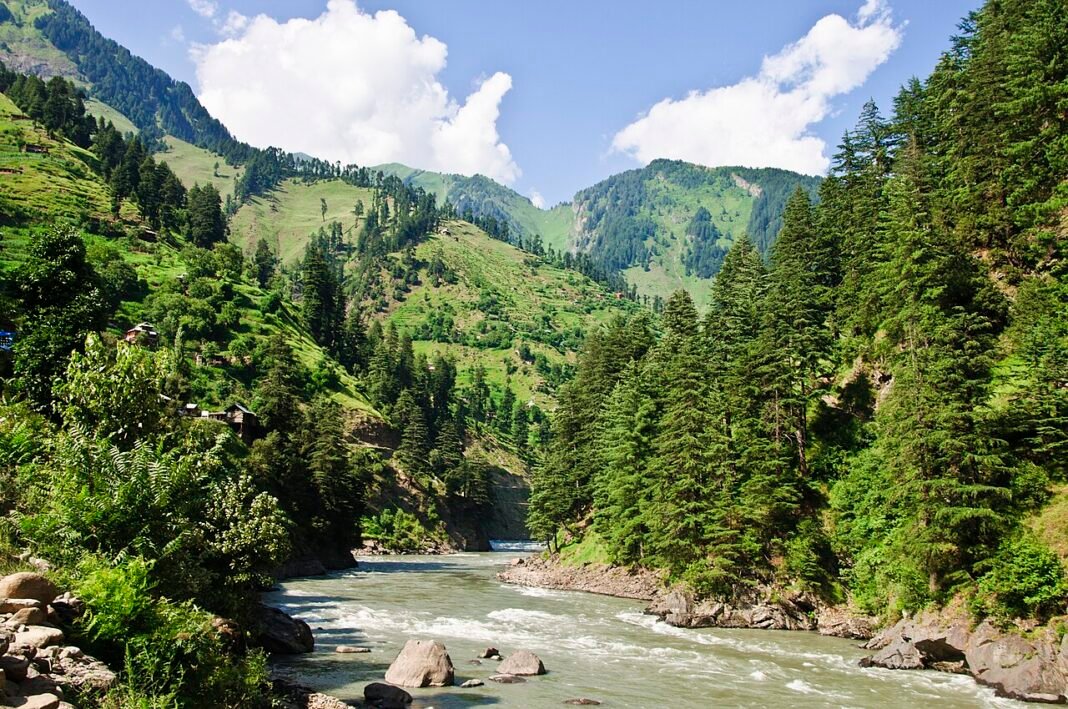
Most travelers race up the Neelum Valley toward Sharda and Kel without ever stopping at Dowarian, and that is exactly why you should. Dowarian is the kind of mountain village that guidebooks skip and travelers remember: a small settlement of wooden houses and terraced fields wrapped around a rushing stream, sitting on the banks of the Neelum River with pine-covered ridges rising steeply behind it. It is quiet in a way that bigger valley towns stopped being years ago, and the mountain air here smells of pine resin and woodsmoke rather than diesel.
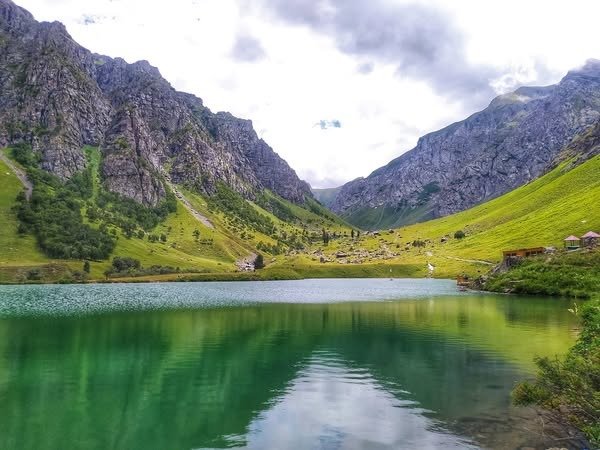
But Dowarian’s real claim to fame is what lies above it. This unassuming village is the starting point for the trek to Ratti Gali Lake, the celebrated alpine lake the locals call Dowarian Lake, sitting at roughly 3,683 metres (12,083 feet) among snow-dusted peaks. Every summer, hundreds of trekkers pass through Dowarian on their way to that turquoise water, hiring jeeps, porters, and guides at the village before the 19-kilometre journey up. Even if you never make the climb, standing in Dowarian and looking up at the glacier-fed ridges the lake hides behind gives you a sense of standing at the doorstep of something extraordinary.
Dowarian is also perfectly placed for the classic Neelum Valley road trip. It sits between Keran and Sharda on the main valley road, which means you can sleep here in peace, wake to the sound of the stream, and still be within easy reach of Sharda’s ancient university ruins, the waterfalls at Kundal Shahi, and the jeep tracks that climb toward Kel and Arang Kel. A Dowarian travel guide has to be honest: the village itself does not have grand monuments or bazaars. What it offers is something rarer — an authentic mountain village that still belongs to its people, serving as a launch pad for one of Pakistan’s great treks.
So who should come? Trekkers bound for Ratti Gali Lake, obviously. But also slow travelers who like their mountains without the crowds, families who want a safe and scenic stopover on the road to Sharda, and photographers chasing waterfalls, suspension bridges, and the electric green of terraced fields in summer. If your idea of a perfect trip involves a quiet guesthouse veranda, a cup of hot chai, and a glacier-fed river roaring below, Dowarian deserves a night or two of your journey.
History of Dowarian
Dowarian has no recorded founding date and no ancient fort or shrine to anchor a long written history — it is, like many settlements of the middle Neelum Valley, a village that grew up around water, farmland, and the old footpaths that once linked the valley’s communities. For centuries, the Neelum Valley’s villages lived off terraced wheat and maize, walnut and apple orchards, and the summer movement of livestock to high pastures. Dowarian’s stream, which tumbles down from the same mountains that hold Ratti Gali Lake, gave the village the one thing every settlement in these hills needs: reliable water. The terraces you see today follow lines that villagers have maintained for generations.
The wider Neelum Valley, known historically as Kishanganga, has a layered past. The valley sat on the fringes of Kashmir’s old princely state, and just up the road from Dowarian lies Sharda, once home to one of the subcontinent’s great centres of learning — the ruins of the Sharda University (Sharada Peeth) still stand there, a reminder that this remote valley was once a seat of scholarship. Trade and pilgrimage routes crossed these mountains long before any road existed, and villages like Dowarian served as waystations where travelers rested and restocked.
Dowarian’s modern significance began when adventure travel discovered Ratti Gali Lake. As word spread about the lake’s astonishing beauty — a glacial lake so high that part of it can stay frozen even in summer — Dowarian transformed from a quiet farming village into the lake’s official trailhead. The 19-kilometre trek route from the village became one of Azad Kashmir’s signature hikes, and today the village’s summer economy revolves around it: jeep drivers, porters, guides, tea stalls, and small guesthouses that fill up every season. In that sense, Dowarian’s history is still being written each summer by every trekker who sets off up the mountain at dawn.
Top Things to Do in Dowarian
Trek to Ratti Gali Lake
This is the reason most people come, and it is worth every step. The route from Dowarian covers roughly 19 kilometres: most visitors take a jeep for the first 16 kilometres up the rough mountain track to the base camp, then hike the final stretch of about 1.5 kilometres to the lake itself. The ascent climbs from around 1,550 metres at the village to the lake’s shore at about 3,683 metres, passing through pine forest, alpine meadows dotted with wildflowers, and past tumbling waterfalls. The lake, fed by surrounding glaciers, glows an unreal turquoise-blue, and a smaller companion lake called Barakatia sits just below the main body of water, formed by the main lake’s outflow. Go early in the morning for the calmest water and the best reflections, and carry warm layers even in August — the wind at 12,000 feet has a bite. Trekkers typically allow a full day for the round trip from Dowarian, or camp overnight at the base camp to catch the lake at sunrise.
Walk the Village and the Neelum River Banks
Dowarian rewards unhurried walking. The village spreads along its stream in a loose cluster of wooden and stone houses with sloped tin roofs, and narrow lanes wind between terraced fields where maize and potatoes grow in summer. Down at the Neelum River, the water runs a startling shade of blue-green, cold straight off the glaciers, and the old suspension bridges make for wonderful photographs — especially in the soft light of early morning. This is a working village, not a resort, so a walk here is also a window into mountain life: children driving goats home at dusk, women carrying firewood, the smell of fresh rotis from clay ovens.
Chase the Dowarian Waterfalls
The stream that gives the village its character drops through a series of small waterfalls and cascades on its way down to the Neelum River, and a short walk upstream from the village brings you to pools and falls that few visitors ever see. After the monsoon and during the spring melt, these falls are at their most dramatic. Ask a local to point you to the best spots — villagers know every bend of the stream — and wear shoes with grip, because the rocks are slick with spray. Pack a small picnic and you have a perfect half-day outing.
Day Trip to Sharda and the Ancient University Ruins
Sharda lies a short drive further up the Neelum Valley road from Dowarian, and it is one of the valley’s essential stops. The ruins of the ancient Sharda University stand on a grassy terrace above the town, their weathered stone walls still holding the outline of what was once a major seat of learning in the region. The town itself has a lively little bazaar, riverside restaurants, and views up toward the snow peaks that guard the road to Kel. Combine Sharda with a stop at the Kundal Shahi waterfall on the way back for a full and satisfying day.
Photography: Peaks, Bridges, and Terraces
Dowarian is a photographer’s playground in the golden hours. The terraced fields glow green-gold in late afternoon, the Neelum River throws back the sky, and on clear days the high snow peaks that hide Ratti Gali Lake catch pink alpenglow at sunset. The suspension bridges, the wooden houses with their carved balconies, and the waterfalls all make strong subjects. Bring a tripod if you like long exposures of the stream, and be respectful when photographing people — a smile and a greeting in Urdu goes a long way.
Fishing and Riverside Picnics
The Neelum River and its tributaries hold trout, and licensed angling is possible in parts of the valley — check locally about permits and seasons before you cast a line. Even without a rod, the riverbanks around Dowarian are made for picnics: flat grassy spots under the pines, the roar of the water as background music, and mountain views in every direction. Local dhabas will happily pack you rotis and daal to take along.
Famous Places In and Around Dowarian
- Ratti Gali Lake — the celebrated alpine lake at about 3,683 metres, reached by jeep and trek from the village; locals call it Dowarian Lake.
- Sharda — historic valley town with the ancient university ruins, a short drive up the valley road.
- Kundal Shahi Waterfall — a popular roadside waterfall between Keran and Sharda.
- Keran — the lower-valley town on the Line of Control, with riverside views and guesthouses.
- Kel and Arang Kel — the upper valley’s famous meadow village, reached via Sharda by jeep and chairlift.
- Upper Neelum (Karen) — a scenic village stop with sweeping valley views, on the road below Dowarian.
How to Reach Dowarian
Dowarian sits on the Neelum Valley road, roughly 75 kilometres up the valley from Athmuqam, the district headquarters. The only practical way in is by road — there is no commercial airport in Azad Kashmir, so nearly every traveler comes via Islamabad and Muzaffarabad. The journey is long but spectacular, and the road itself is half the experience.
From Islamabad: Drive to Muzaffarabad (about 3.5 hours via the Murree–Kohala route), then continue up the Neelum Valley road through Pattika, Noseri, and Keran to Dowarian. The full trip typically takes 7 to 9 hours depending on road conditions and stops. Public transport runs as far as the main valley towns — vans and coasters leave from Rawalpindi/Islamabad for Muzaffarabad and onward — but for Dowarian itself, a private car or hired vehicle is far more convenient.
From Lahore: Take the motorway to Islamabad/Rawalpindi (about 4.5 to 5 hours), then follow the Islamabad route above. Plan for a full day of travel, and consider breaking the journey with a night in Muzaffarabad or Keran.
From Karachi: Fly to Islamabad (about 2 hours) and continue by road — this is by far the most sensible option. The overland drive from Karachi to the Neelum Valley is well over 1,500 kilometres and not recommended in one go.
Nearest airport: Islamabad International Airport. From there, hire a car or join a tour heading for the Neelum Valley.
Road conditions: The road from Muzaffarabad to Keran is metalled and generally fine for ordinary cars in the May-to-October season. Beyond Keran toward Dowarian, Sharda, and Kel, the road gets rougher — jeeps and high-clearance vehicles are strongly recommended, especially after rain. In winter, heavy snow can close the upper valley road entirely, and landslides are a risk during the monsoon. Always check local conditions before setting out, and fill your fuel tank in Muzaffarabad or Athmuqam.
Route Details
- Islamabad → Muzaffarabad via Murree Expressway and Kohala (about 3.5 hours).
- Muzaffarabad → Athmuqam along the Neelum Valley road, following the Neelum River (about 3 hours).
- Athmuqam → Keran → Dowarian, continuing upstream on the valley road (about 2 hours).
- For Ratti Gali Lake: hire a jeep in Dowarian for the 16-kilometre track to the base camp, then trek the final 1.5 kilometres to the lake (allow a full day, or camp overnight at base camp).
Where to Stay in Dowarian
Dowarian is a small village, so accommodation is simple and honest rather than luxurious — and that is part of its charm. A handful of family-run guesthouses and small hotels operate in and around the village, offering clean rooms, hot water (usually), and home-cooked meals. These fill up quickly in the July–August peak season, so arriving early in the day or booking ahead through a tour operator is wise. Expect budget-friendly rates and warm hospitality rather than room service.
For more choice, the towns of Keran (down the valley) and Sharda (up the valley) both have a wider range of guesthouses and small hotels, including some government rest houses. Many travelers base themselves in Sharda and visit Dowarian as a day trip for the Ratti Gali trek. If you are trekking to the lake, basic tented camps operate at the Ratti Gali base camp during the summer season — bring your own sleeping bag for comfort, and confirm availability in the village before heading up.
Camping is also possible on the meadows around the base camp for experienced trekkers with their own gear. There are no luxury resorts in Dowarian, and that is precisely the point: you come here for the mountains, not the minibar.
Where to Eat: Local Foods of Dowarian
Food in Dowarian is simple, fresh, and mountain-style. The village dhabas and guesthouse kitchens serve the staples of the region: daal (lentils), mixed sabzi (vegetables), chicken karahi, and endless fresh tandoori rotis, all washed down with doodh patti — strong milky chai that tastes twice as good at altitude. A filling dhaba meal typically costs only a few hundred rupees, making Dowarian one of the most budget-friendly stops in the valley.
The Neelum Valley is known for its trout, and riverside restaurants in the nearby towns serve fresh river trout fried or grilled — ask in Dowarian and your guesthouse can usually arrange it or point you to the nearest spot. In summer, the valley’s orchards produce apricots, apples, and walnuts; buy them fresh from roadside sellers along the valley road. For the Ratti Gali trek, pack dry snacks, biscuits, and plenty of water from the village — there are tea stalls at the base camp in season, but nothing at the lake itself.
Weather in Dowarian
Dowarian’s weather follows the classic rhythm of a mid-altitude Himalayan valley: short, glorious summers and long, snowbound winters. The village is a summer destination — the Ratti Gali trek is only possible once the snow melts, and the upper valley road can be blocked by snow from late autumn through early spring. Monsoon rains reach the valley in July and August, so build a buffer day into your plans.
| Season | Temperature Range | Conditions |
|---|---|---|
| Winter (Dec–Feb) | -5 to 5°C | Heavy snowfall, freezing nights; the Ratti Gali trek and upper valley road are closed |
| Spring (Mar–Apr) | 5 to 15°C | Snow melting, waterfalls at full flow, wildflowers beginning; road reopens gradually |
| Summer (May–Sep) | 12 to 25°C | Pleasant days, cool nights; the Ratti Gali trek is open (best July–September); occasional monsoon rain |
| Autumn (Oct–Nov) | 5 to 15°C | Golden foliage, crisp clear skies; trekking season winds down as snow returns to the heights |
Language and Culture of Dowarian
The people of the middle Neelum Valley speak Kashmiri-influenced Pahari dialects, with Hindko also widely used in the lower valley; Urdu is understood almost everywhere and is the easiest bridge language for visitors. The culture is mountain Kashmiri: deeply hospitable, conservative, and community-oriented. Guests are treated with genuine warmth, and it is common for villagers to offer directions, chai, or help without expecting anything in return.
Visitors should dress modestly — this is a traditional Muslim community, and respectful clothing (covering shoulders and knees) is appreciated, especially for women. Ask permission before photographing people, particularly women and elders. Remove your shoes when entering a home or mosque, and accept offered tea when you can — refusing hospitality can unintentionally offend. Friday is the congregational prayer day, so plan trekking logistics around it; jeep drivers and guides may be unavailable at midday.
Shopping in Dowarian
Dowarian itself has only basic village shops, so think of shopping here as souvenir-hunting rather than a retail expedition. Walnuts, dried apricots, and wild honey from the valley make excellent, lightweight gifts — buy them from village households or roadside stalls rather than town shops for the freshest stock. Hand-knitted woollen socks, caps, and shawls appear in the bazaars of nearby Sharda and Keran, made for the mountain cold and genuinely useful back home. There are no shopping malls anywhere in the Neelum Valley, and that is not a complaint: the valley’s “shopping” is its produce, its honey, and its handicrafts, sold by the people who make them.
Travel Tips for Dowarian
Packing Essentials
Pack for mountain weather that changes by the hour: warm layers, a windproof and waterproof jacket, sturdy trekking shoes with ankle support, and a warm sleeping bag if you plan to camp at the Ratti Gali base camp. Sun protection matters at altitude — sunscreen, sunglasses, and a cap. Carry a basic first-aid kit, any personal medication, water purification tablets, snacks, and a power bank; electricity in the village can be intermittent.
Safety Tips
Dowarian and the Neelum Valley are generally safe for tourists, and the local community is welcoming. The real risks are natural: hire a local jeep driver who knows the mountain track to Ratti Gali rather than driving it yourself, never trek alone, and start the lake trek early enough to return before dark. Check weather and road conditions locally before heading up, especially in the monsoon. Keep to marked paths near waterfalls and the river — the rocks are slippery and the current is strong. Carry identification, as there are security checkposts along the valley road.
Money & Connectivity
Bring cash — there are no ATMs in Dowarian itself, so withdraw in Muzaffarabad, Athmuqam, or Keran before arriving. Mobile signals are patchy; some networks work in the village but coverage disappears quickly once you start climbing toward Ratti Gali. Download offline maps before you leave Islamabad, and let someone know your trekking plan.
Best Time to Visit Dowarian
Summer (June to September) — The Trekking Season
This is when Dowarian comes alive. The Ratti Gali trek is open, the meadows are green, the waterfalls are full, and the village guesthouses buzz with trekkers. July and August are the peak months — expect company on the trail but also the best weather for the lake. This is the best time for a Dowarian travel guide to recommend, full stop.
Spring (April to May) — Quiet and Blooming
The valley wakes up: fruit trees blossom, the stream runs high with meltwater, and the crowds have not arrived yet. The Ratti Gali trek may still be snowbound at the top, but the village and the lower valley are beautiful. A lovely time for a peaceful road trip.
Autumn (October to November) — Golden and Clear
The poplars and walnuts turn gold, the skies are at their clearest, and the summer crowds are gone. Nights get cold and the first snows can close the high trek by late October, but for photography and solitude, autumn is superb.
Winter (December to March) — For the Hardy Only
Heavy snow, freezing temperatures, and a closed upper valley road make winter a time for locals only. Not recommended for casual travelers.
Final Thoughts
Dowarian will never have the fame of Sharda or the crowds of Kel, and the village is better for it. It is a place that asks little of you — a night in a simple guesthouse, a walk along the river, a dawn start up the mountain — and gives back far more: the sight of Ratti Gali Lake glowing turquoise under the glaciers, the taste of chai on a cold morning, the memory of a village that still moves at the pace of its stream. In a valley that grows busier every year, Dowarian remains a pocket of the old Neelum.
If you are planning a Neelum Valley trip, build Dowarian into it — not as a drive-through, but as a destination. Whether you come for the great trek above it or simply for the quiet below, you will leave understanding why the locals call the lake above them Dowarian Lake. It belongs to this village, and for a night or two, so will you. For more northern inspiration, see our guides to Arang Kel and Malam Jabba, and browse the full Explore Pakistan collection.
FAQs
Where is Dowarian located?
Dowarian is a village in the Neelum Valley of Azad Jammu and Kashmir, Pakistan, sitting on the Neelum Valley road between Keran and Sharda, about 75 kilometres from Athmuqam.
What is the best time to visit Dowarian?
June to September is the best time, when the weather is pleasant and the Ratti Gali Lake trek is open. April–May and October–November are quieter shoulder seasons.
How do I reach Dowarian?
Drive from Islamabad to Muzaffarabad (about 3.5 hours), then continue up the Neelum Valley road via Athmuqam and Keran to Dowarian — 7 to 9 hours in total. The nearest airport is Islamabad International.
How long is the trek from Dowarian to Ratti Gali Lake?
The route is about 19 kilometres: roughly 16 kilometres by jeep to the base camp, then a 1.5-kilometre hike to the lake. Most visitors do it as a long day trip or camp overnight at base camp.
Is Dowarian safe for tourists?
Yes. The village and the valley are generally safe and welcoming; the main precautions are natural ones — mountain roads, weather, and altitude. Hire local drivers and guides.
Is Dowarian suitable for families?
The village itself is family-friendly and peaceful, though the Ratti Gali trek is demanding and best suited to older children and fit adults. Families can enjoy the river, waterfalls, and day trips to Sharda.
Where can I stay in Dowarian?
Small family-run guesthouses in the village, with more options in nearby Keran and Sharda. Basic tented camps operate at the Ratti Gali base camp in summer.
What food is available in Dowarian?
Simple mountain fare — daal, sabzi, chicken karahi, fresh rotis, and doodh patti — at village dhabas and guesthouses, plus river trout at nearby riverside restaurants.