Hoax Bomb Alerts Force 300 Schools to Evacuate in Italy
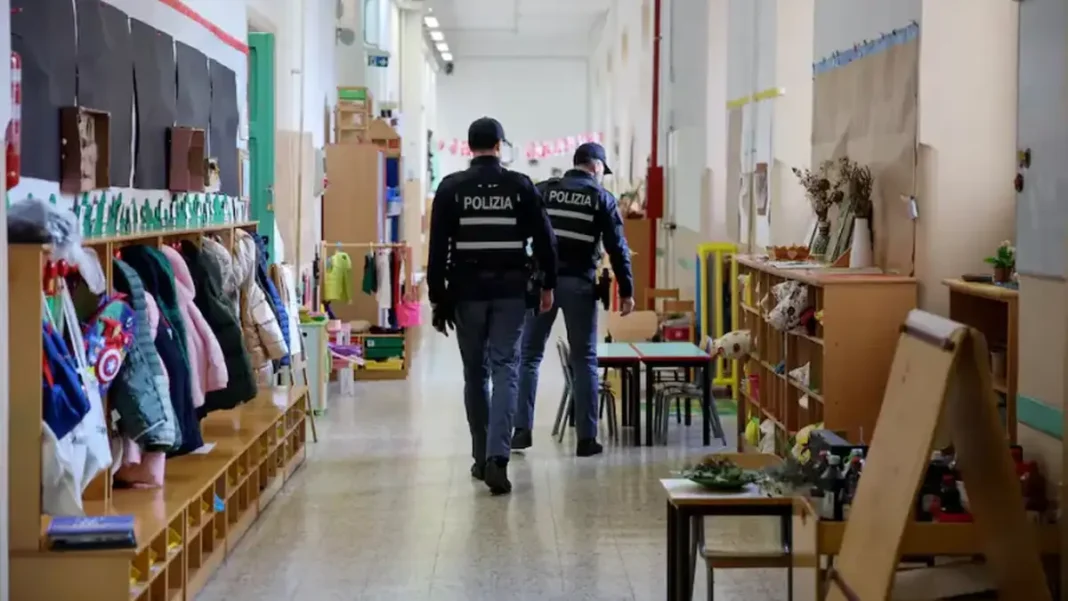
More than 300 schools in Italy were evacuated on Wednesday after hoax bomb alerts spread across several European nations, in the latest wave of threats and cyberattacks aimed at everyday life in Europe. Similar email threats reached schools in Scotland, Northern Ireland and the Republic of Ireland, though they were quickly classed as hoaxes and did not disrupt classes there.
In Italy, many parents had to drop what they were doing and hurry to the school gates to collect their children. Dawn reported, citing Reuters, that the alerts formed part of a series of threats and cyberattacks on supermarkets, blood banks, air traffic and television broadcasters.
“My daughter Dafne started crying because the kids did not understand what was happening, and she was still shaken when I picked her up,” said Nensi Bego, a parent of a child at the Mazzini middle school in Rome. “This is so annoying. It is obvious it is just a hoax that disrupts lessons and disrupts everyone’s day.”
No danger, but real disruption
Prime Minister Giorgia Meloni said the bomb alerts posed no danger and that police and other public bodies were monitoring the situation. One school in Rome told parents through a messaging app that all students had been taken to a safe area and remained under the supervision of teaching staff.
The email received in Italy was signed “Mikhail Andropov, leader of the Vilayat of Misoginistan”, according to a copy of the message seen by Reuters. The same purported author claimed responsibility for email bomb threats sent on Friday to newsrooms in Ireland and Bulgaria.
Antonello Giannelli, head of the Italian School Principals Association, said the alerts were upsetting for students, families and school staff. “Even though today’s threats are clearly hoaxes, we cannot underestimate the consequences of incidents that alarm entire school communities and disrupt the normal conduct of educational activities,” he said.
The pattern is now familiar to European officials. A threat arrives by email, schools and offices must treat it as real until police clear it, and the disruption spreads faster than any investigation can follow. The cost falls on parents, teachers and children, even when no bomb exists.
Who is behind the hoax bomb alerts
Some European officials suspect Russia may be behind a campaign of disruption against nations supporting Ukraine after Moscow’s invasion. Russia denies that and accuses the West of a smear campaign.
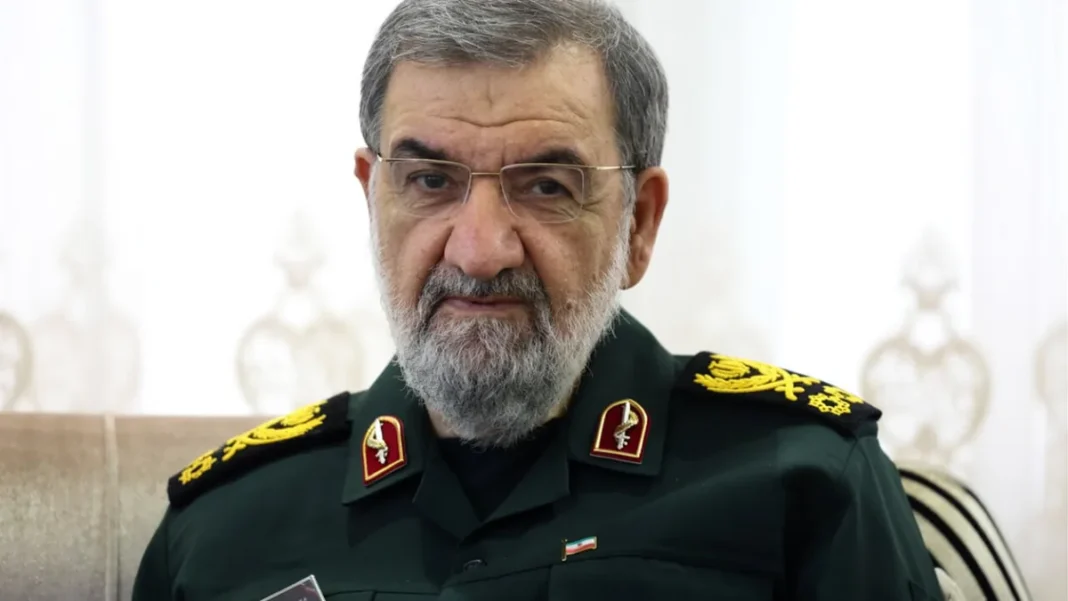
Iran is another suspect. France summoned Iran’s ambassador on Tuesday after accusing Tehran of a cyberattack that disabled refrigerators in hundreds of supermarkets last week. Iran rejected those accusations as “baseless and hostile”.
Italian Defence Minister Guido Crosetto said Wednesday’s threats were “part of a strategy that is quite clear by now: to spread fear and create anxiety”, according to the Adnkronos news agency. He added that the work was not always that of foreign countries or hostile entities. “There are also attention-seekers and lunatics who, at a time like this, cannot wait to unleash terror in a city or a region,” he said.
No group has produced proof of who sent the emails, and officials have not named a culprit. The uncertainty is part of the problem: a threat that cannot be traced still forces evacuations, and each evacuation carries its own risk, from traffic chaos outside school gates to panic among young children.
A wider campaign of disruption
The school alerts are the latest in a run of incidents that have hit ordinary services across Europe. Supermarkets have faced cyberattacks on their refrigeration, blood banks and air traffic systems have been targeted, and television broadcasters have received threats.
European governments have treated the incidents as a test of resilience rather than a series of isolated crimes. The aim, as Crosetto put it, is to spread fear and anxiety, and the choice of schools as targets shows how little effort it takes to alarm whole communities.
The alerts come at a time of wider tension. Iran has threatened American bases in Europe, and the United States has skipped a United Nations human rights review this year. For now, Italian police continue to monitor the situation, and schools have been told to follow their safety plans. The alerts may have been hoaxes, but the disruption they caused was real, and officials expect more of the same while the campaign continues.
Frequently asked questions
How many schools were evacuated in Italy?
More than 300 schools in Italy were evacuated on Wednesday, November 11, after hoax bomb alerts were sent by email.
Did schools in other countries receive threats?
Yes. Schools in Scotland, Northern Ireland and the Republic of Ireland also received a similar email threat from abroad, but it was quickly classed as a hoax and did not disrupt classes.
Who signed the threatening email?
The email received in Italy was signed “Mikhail Andropov, leader of the Vilayat of Misoginistan”, according to a copy seen by Reuters. The same name was linked to threats sent to newsrooms in Ireland and Bulgaria.
What did the Italian government say?
Prime Minister Giorgia Meloni said the bomb alerts posed no danger and that police and other public bodies were monitoring the situation.
Is this part of a wider pattern?
Yes. The alerts are the latest in a series of threats and cyberattacks on supermarkets, blood banks, air traffic and television broadcasters across Europe.