Iran Threatens US Bases in Europe if Attacked Again
Iran threatens US bases in Europe if American aircraft use them to strike Iran. The warning from the country’s top security official widens the scope of any future clash beyond the Middle East.
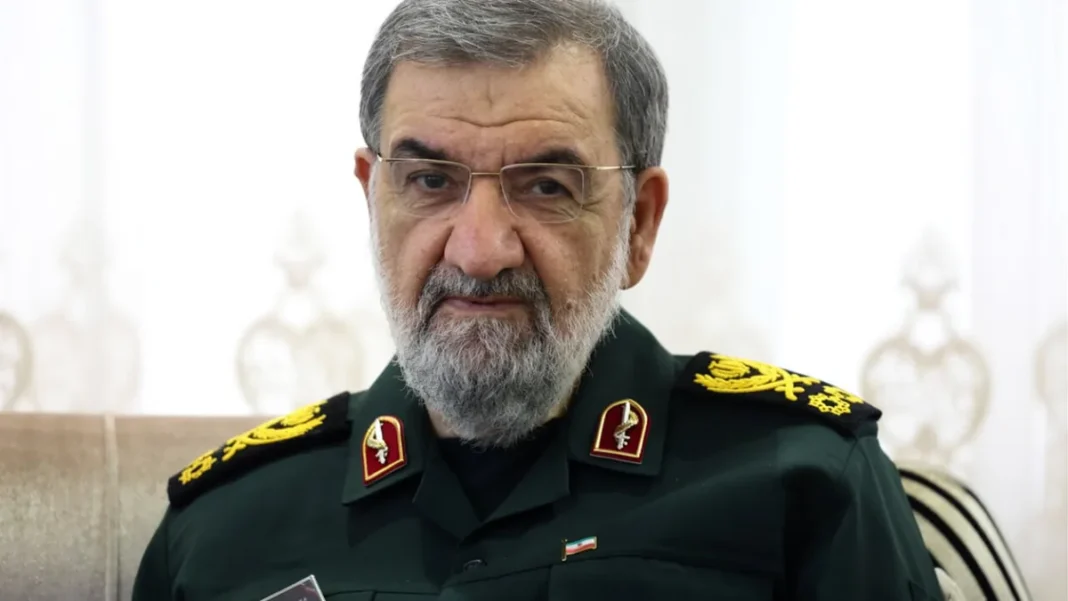
Maj Gen Mohsen Rezaei is secretary of Iran’s Supreme National Security Council. He said Tehran would hit distant American bases as well as nearby ones if the United States attacked Iran again. He spoke in an interview with Lebanon’s Al Mayadeen television, reported by Dawn.
“If American aircraft take off from an American military base, even one located in a European country or some other distant region, to bomb Iran, we will strike those bases as well,” Rezaei said.
Iran threatens US bases in Europe: what Rezaei said
Rezaei said Iran would not limit its response to bases it had already targeted. He added that any place from which American planes took off would be regarded as a threat. He urged countries hosting US bases not to cooperate with any American assault.
“We will not content ourselves with targeting nearby bases, but will strike all nearby bases, and we will also target distant American bases,” he said in the interview, according to Al Mayadeen.
He argued that Iran’s defensive and offensive capabilities had grown since the war began.
Rezaei denied that Iran was holding talks with the United States. He dismissed reports of a meeting in Qatar as fabrications meant to ease economic pressure on Washington and lower oil prices.
“I affirm that we are not conducting any talks with the Americans at the present time; there are no negotiations between the United States and us at present,” he said.
Hormuz stays shut until seven conditions are met
Rezaei tied the reopening of the Strait of Hormuz to seven Iranian conditions. He said the strait would stay closed until Washington met them.
“We have set seven conditions, and if the Americans implement these conditions, we will open the Strait of Hormuz,” he said. “We announced our seven conditions, and they are the very rights of the Iranian people.”
The first demand was an end to the war on all fronts, particularly in Lebanon. He called the American response so far evasive. Tehran was still waiting for a frank and clear reply, he said.
On the nuclear file, Rezaei said not a single particle of enriched uranium would leave Iran. He said Iran needed the material for nuclear-powered ships and submarines. It might also build small modular reactors. The IAEA has estimated that Iran held 440.9 kg of uranium enriched to 60 per cent. That estimate dates from June 2025, when Israel and the United States attacked Iranian nuclear facilities.
Iran’s defence ministry spokesperson, Reza Talaei-Nik, added that there were only two outcomes in the war. Washington would accept Iran’s demands, or face defeat on the battlefield.
The Pakistan link: Islamabad agreement and mediation
Rezaei’s interview carried a direct Pakistan link. He accused Washington of signing an agreement in Islamabad and then abandoning it within a month. He named Pakistan and Qatar as the most active mediators between Tehran and Washington.
“In Islamabad, despite our reaching an agreement and both sides signing it, the Americans reneged on their signature,” he said. “It is rare in history for a head of state to sign an agreement, then tear it up and abandon it after less than a month.”
He said messages had also reached Tehran from Iraq, the United Arab Emirates and others close to President Donald Trump, but none matched Iran’s conditions.
For Pakistan, the stakes are direct. The country buys much of its crude oil from Gulf producers, and those shipments move through the Strait of Hormuz. Attacks on shipping in the strait have already pushed oil prices higher. Brent crude fell after Donald Trump signalled restraint on Iran. A wider war, or a longer closure, would feed straight into Pakistan’s fuel import bill.
Rezaei also argued that Trump and Israeli Prime Minister Benjamin Netanyahu had lost the political ability to continue the war. A new offensive could not last more than three to five days, he said. That was his own assessment, not an announced American plan. Trump has said the war with Iran is effectively over. The issue also featured in G7 talks in Paris involving US Secretary of State Marco Rubio.
What happens next
No talks are under way, by Rezaei’s own account, and no American reply to the seven conditions has arrived. The threat is conditional: it applies only if the United States strikes Iran again. For now, it serves as a signal to Washington and to the European states hosting American bases.
Frequently asked questions
What did Iran threaten?
Security chief Mohsen Rezaei warned that if the US attacked Iran again, Tehran would strike distant American bases as well as nearby ones, including bases in Europe if aircraft took off from them to bomb Iran.
Is Iran negotiating with the United States?
No, according to Rezaei. He said no talks were taking place and dismissed reports of a meeting in Qatar as fabrications.
Why is the Strait of Hormuz still closed?
Rezaei said Iran had set seven conditions and would open the strait only if the United States implemented them. The first demand is an end to the war on all fronts, particularly in Lebanon.
Will Iran give up its enriched uranium?
Rezaei said not a single particle of enriched material would leave Iran, and that Iran needed it for nuclear-powered ships and submarines and possibly small modular reactors.
What is Pakistan’s link to the dispute?
Rezaei said the United States signed an agreement in Islamabad and then abandoned it, and he named Pakistan and Qatar as the most active mediators between Tehran and Washington.