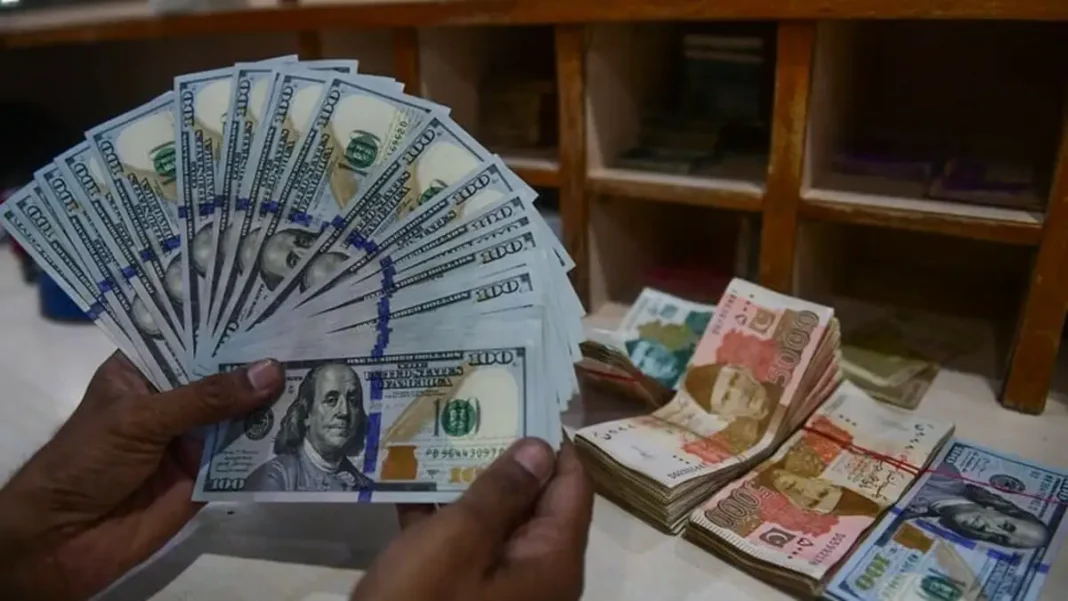
Foreign Investors Pour $747m into Pakistan Bonds
Foreign investors bought $747 million of Pakistan bonds in the first four months of the current financial year, drawn by returns that are the highest in the region.
Latest State Bank of Pakistan data shows investors bought Pakistan Investment Bonds worth $509.2 million during July-October of 2026-27, the highest amount in this period. About $251 million of that total came in October alone.
Inflows into treasury bills totalled $238 million over the same four months, taking the combined figure for the two bond types to $747 million.
Pakistan bonds attract record foreign buying
The United Arab Emirates provided the largest share of the bond buying, investing $395.7 million in Pakistan Investment Bonds. The UAE has faced severe economic strain since the war in the Gulf began on February 28, with Dubai’s trade, tourism and property sectors all weakening sharply.
Bahrain was the second-largest investor in the bonds, putting in $80 million, and it also invested $72 million in treasury bills. The United Kingdom was the biggest investor in treasury bills, with $80 million.
Inflows into the equity market were the lowest of the three categories, at $124.4 million over the four months. Total inflows into domestic bonds and the equity market reached $872 million.
Rate rise to 12 per cent sharpened the appeal
Returns on domestic bonds were already the highest in the region when the State Bank raised its policy rate by 50 basis points to 12 per cent on October 26. The benchmark six-month treasury bill now offers a return of 12.54 per cent.
The financial sector believes the attraction is too strong to ignore, for foreign investors and for domestic investors alike. Some analysts believe many Pakistanis are also buying domestic bonds through overseas accounts because of the high returns and the near risk-free nature of the investment.
The investment is seen as close to risk-free because the exchange rate has remained stable for more than a year. That stability, backed by the International Monetary Fund programme, has lowered the risks that once kept foreign buyers away.
IMF programme underpins the inflows
Pakistan remains under an IMF programme, which has lent stability to the economy and lowered risks. Both the IMF and the World Bank have acknowledged this stability, even as they note that the country faces severe poverty.
The government and the State Bank continue to seek other sources of dollars despite expectations of $45 billion in remittances in 2026-27. Bond inflows of this size help, but they are small next to the remittance flow.
The same search for dollars sits behind other recent moves. Pakistan is reviewing a plan to tokenise its Eurobonds, and a Saudi loan of $3 billion was rolled over to shore up reserves.
What the inflows mean for Pakistan
The mood among investors was visible elsewhere on Tuesday. The KSE-100 index jumped 4,654 points in morning trade as buyers returned to the stock market after the long weekend, helped by falling oil prices and easing fears of a United States strike on Iran.
Pakistan’s exports to the United States rose in the first quarter, and Islamabad is pushing for an early free trade agreement with the Gulf states. Together, the trade and investment figures point to an economy that foreign money is starting to trust again.
There is a cost, though. Some financial experts said higher returns on Pakistan Investment Bonds and treasury bills have attracted more domestic investment, leaving little room for the private sector to borrow this costly money from the banking system.
The government is trying to push banks to lend to small and medium enterprises and the housing sector, but banks have been too slow in lending to bring any major change to the two sectors. Dawn reported the foreign inflows.
Frequently asked questions
How much did foreign investors put into Pakistan bonds?
They bought Pakistan Investment Bonds worth $509.2 million and treasury bills worth $238 million in July-October 2026, a combined $747 million.
Which country invested the most?
The United Arab Emirates invested $395.7 million in Pakistan Investment Bonds, the largest share, followed by Bahrain with $80 million.
Why are the returns so attractive?
The State Bank raised its policy rate to 12 per cent on October 26, and the benchmark six-month treasury bill offers 12.54 per cent, the highest returns in the region.
How much came in October alone?
About $251 million of the Pakistan Investment Bond inflows arrived in October, nearly half of the four-month total.
What is the downside of high bond returns?
Experts say high returns have pulled domestic money into bonds, leaving little room for the private sector to borrow, while banks remain slow to lend to small businesses and housing.