Quick Facts
- Location: Kirthar Mountain Range, Dadu District, Sindh — about 94 km northwest of Dadu city
- Altitude: Around 5,689 feet (about 1,734 metres) above sea level — among the highest points in Sindh
- Famous For: Being Sindh’s only hill station — cool weather in the middle of one of Pakistan’s hottest provinces; dramatic sunrises and sunsets over the Kirthar range. Nicknamed the “Murree of Sindh.”
- Nearest City: Dadu (~94 km); Sehwan Sharif is the alternative approach town. Karachi is the main gateway.
- Accessibility: Long drive from Karachi (8–9 hours), then a 4×4-only mountain track from the Wahi Pandhi base camp to the top. Normal cars cannot make the final ascent.
- Known Landmarks: The hilltop plateau and sunset/sunrise viewpoints, the Gorakh Hills Development Authority (GHDA) rest house, nearby tribal settlements
- Best For: Adventure seekers, campers, stargazers, photographers, and groups of friends or families from Karachi and Hyderabad wanting a real mountain escape without leaving Sindh.
Why Visit Gorakh Hill Station
Here is a sentence that sounds impossible until you have been there: it can be freezing in Sindh. Gorakh Hill Station sits on a rocky plateau high in the Kirthar Mountains, where the air is cool even when the plains below are baking — the one place in the province where winter temperatures drop below zero and frost sometimes dusts the stones. For the millions who live in Karachi and Hyderabad, it is the nearest real taste of mountain weather, and it has earned its nickname honestly: the Murree of Sindh.
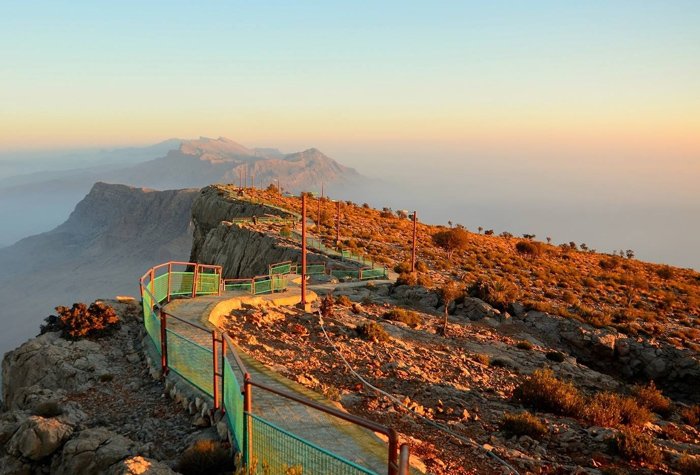
What makes Gorakh special is the contrast. You drive out of the flat, furnace-hot plains, climb through increasingly wild mountain country, and suddenly you are standing on a windswept plateau with the whole Kirthar range rolling away beneath you, breathing air that smells of stone and cold. The sunsets here are the stuff of travel posters — the sun dropping behind ridge after ridge of arid mountains — and the sunrises are just as good. At night, far from any city glow, the sky does what desert skies do: it burns with stars.
This is not a polished resort town. Gorakh is a frontier hill station — basic facilities, a government rest house, tents for rent, bonfires, and a frontier-town atmosphere at the Wahi Pandhi base camp. That roughness is the appeal. It is perfect for the traveler who wants adventure rather than amenities: camping under enormous skies, the white-knuckle jeep ride up the mountain track, chai at a roadside dhaba with Baloch and Sindhi tribesmen. If you want five-star, go to Murree. If you want a story, come to Gorakh.
It is also wonderfully achievable. No flights to the north, no week-long expedition — just a long drive from Karachi, a jeep ride, and you are there. Weekend groups from the cities do it all the time. For more Sindh adventures, browse Explore Pakistan — and if you are coming from the capital region, our Islamabad travel ideas pair well with a longer Pakistan itinerary.
History of Gorakh Hill Station
Gorakh’s story has two threads: an old name and a young hill station. The name itself is ancient. One account holds that the hill was named after Gorakhnath, the revered Hindu saint of the Nath tradition who lived in the 11th century and is said to have wandered these hills. Another derives it from the Sanskrit word “gorakh,” with historians offering two readings: “intricate, complex, very difficult” — which anyone who has ridden the mountain track will find apt — or “shepherding,” for the grazing of sheep, goats, and cattle that has gone on in these mountains for centuries. The Kirthar range itself forms the natural boundary between Sindh and Balochistan, and its valleys have been home to Baloch and Sindhi tribal communities since long before any map named them.
The hill station, though, is modern. Gorakh was formally developed as a hill station in 1989, when the government recognized what the tribesmen had always known: this plateau, nearly 5,700 feet up, was the coolest ground in Sindh. The Gorakh Hills Development Authority (GHDA) was set up to manage it, building the rest house and restaurant at the top and organizing the jeep transport from Wahi Pandhi. Word spread through the 1990s and 2000s — first among adventurous Karachiites, then through travel groups and social media — until Gorakh became what it is today: Sindh’s beloved mountain getaway, busy on winter weekends and public holidays.
The road tells its own history. The track from Wahi Pandhi to the top was carved out of the mountainside as a jeep trail, and it remains a jeep trail — steep, narrow, winding, and strictly 4×4. Every year it reminds visitors that the mountains set the terms here, not the tourists. Plans to improve it surface periodically, but for now the rough road is part of the rite of passage.
Top Things to Do in Gorakh Hill Station
Watch the Sunset and Sunrise
This is the headline act. The plateau’s western edge looks out over layer upon layer of the Kirthar range, and the sunset here — the sun sinking behind ridge after ridge, the rocks turning gold, then rose, then purple — is genuinely world-class. Serious photographers plan their whole trip around it. The sunrise, with mist pooling in the valleys below, is the quieter, equally beautiful second act. Bring warm layers for both: the temperature drops fast when the sun goes down.
Camp Under the Stars
Gorakh is a camping destination first and a sightseeing destination second. The GHDA rents out tents, beds, and bedding at the top, and private groups bring their own gear. A bonfire, good company, and a sky full of stars at 5,700 feet — with the lights of no city anywhere — is the essential Gorakh night. Winter campers should bring serious warm clothing; the plateau gets properly cold after dark.
Take the Jeep Ride Up
The 4×4 track from Wahi Pandhi to the summit is an attraction in itself: roughly 50-plus kilometres of steep, winding mountain road that takes a couple of hours, climbing through stark, beautiful terrain. Only skilled drivers in 4×4 vehicles attempt it — normal cars are not allowed, for good reason. Sit back, hold on, and enjoy one of Sindh’s great drives.
Hike the Plateau and Viewpoints
The hilltop is a broad rocky plateau made for wandering. Walk its edges for shifting panoramas of the Kirthar range, scramble the small rises for better angles, and explore on foot in the cool of the morning. The terrain is arid mountain — sturdy shoes, sun protection, and water are essential even in winter.
Stargaze and Photograph the Night Sky
With minimal light pollution, Gorakh’s night sky is among the best easily accessible from Karachi. The Milky Way is vivid on moonless nights, and astrophotographers make the trip specifically for it. A tripod and a warm jacket are the only equipment that matters.
Meet the Local Tribesmen
The settlements around Gorakh belong to Baloch and Sindhi tribal communities, and the base camp at Wahi Pandhi has the atmosphere of a frontier town. Travelers who show respect — a greeting, an accepted cup of chai — often come away with the best stories of the trip. In the coldest weeks of January, even local families move downhill; visiting in the main season means the mountain community is at its liveliest.
Famous Places In and Around Gorakh Hill Station
- Wahi Pandhi: The base camp town where the jeep track begins; dhabas, jeep hire, and frontier atmosphere.
- Sunset Point: The plateau’s western edge — the definitive Gorakh viewpoint.
- Sehwan Sharif: The historic town of Lal Shahbaz Qalandar’s shrine, on the approach route from Karachi.
- Manchar Lake: One of South Asia’s largest freshwater lakes, in the Sehwan region — a fine addition to a longer trip.
- Kirthar Range viewpoints: The drive up passes spectacular arid-mountain scenery worth stopping for.
How to Reach Gorakh Hill Station
Almost everyone approaches from Karachi. The drive is roughly 400–430 km and takes 8–9 hours: take the highway toward Dadu/Sehwan (many travelers go via Jamshoro and Sehwan Sharif, which is shorter than the Dadu route for Karachi traffic), then on to Johi and the base camp town of Wahi Pandhi. The roads as far as the base camp are a mix of good highway and rougher stretches — check locally on conditions, as the Sehwan–Johi section has historically been poor.
From Wahi Pandhi, the journey changes character. You transfer to hired 4×4 jeeps for the mountain track to the top — about 50-plus kilometres taking 2–3 hours, climbing steeply the whole way. This section is strictly jeep-only; do not attempt it in a normal car. From Lahore or Islamabad, fly to Karachi first and join the road journey there — or join one of the many Karachi-based travel groups that run organized Gorakh weekend trips, which handle transport, tents, and food as a package.
Fuel up fully before leaving the highway towns, carry drinking water and snacks, and confirm your return jeep arrangements at Wahi Pandhi before heading up. Mobile signal is unreliable on the mountain — tell people your plans before you lose coverage.
Route Details
- Karachi → Sehwan Sharif/Jamshoro: highway driving, roughly 3–4 hours.
- Sehwan → Johi → Wahi Pandhi: rougher roads; Wahi Pandhi is the base camp (~40 km from Sehwan to Johi, then onward).
- Wahi Pandhi: hire 4×4 jeeps, stock water and snacks, confirm return transport.
- Wahi Pandhi → Gorakh top: ~50+ km jeep track, 2–3 hours of steep mountain driving.
- Return the same way; most visitors do it as a 2-day weekend trip (drive up Saturday, return Sunday).
Where to Stay in Gorakh Hill Station
Accommodation at the top is basic and that is part of the deal. The GHDA runs a guest house and restaurant at the summit with a limited number of well-kept twin-sharing rooms — book ahead for winter weekends, when they fill fast. For everyone else, there are tents and additional beds available on rent, and the staff can reportedly accommodate large numbers across rooms, tents, and rented bedding when the weekend crowds arrive.
Most visitors camp, either in GHDA tents or with their own gear brought by an organized group. Bring a warm sleeping bag in winter — nights drop below freezing — and your own blanket even if you are renting bedding, as mountain nights are colder than first-timers expect. There are no hotels, no luxury options, and no room service; there is a restaurant serving hot food, which after a cold night on the plateau tastes better than any fine dining. Day-trippers sometimes drive up and back in a day, but the sunset, the stars, and the sunrise all argue for staying the night.
Where to Eat: Local Foods of Gorakh Hill Station
The GHDA restaurant at the top serves hot, simple food — exactly what you want after the jeep ride and the cold: expect Pakistani staples like daal, chicken curry, fresh roti, and endless chai. At Wahi Pandhi base camp, the roadside dhabas serve the traveler’s classics — parathas, omelettes, daal fry — at dhaba prices. If your group includes a cook or you are with an organized tour, the great Gorakh meal is a barbecue or sajji-style roast by the bonfire under the stars.
Bring your own supplies regardless: drinking water (more than you think), snacks, fruit, dry fruits, and biscuits from Karachi or Dadu. There are no shops at the top beyond the restaurant, and prices for basics reflect the cost of hauling everything up the mountain. A dhaba meal at the base camp is budget-friendly; the restaurant at the top costs a little more but is still modest by city standards. And the chai at 5,700 feet, watching the sun go down over the Kirthars, is priceless.
Weather in Gorakh Hill Station
Gorakh’s whole identity is its weather — the shock of cold air in hot Sindh. Summer days on the plateau are pleasant, often staying below 20°C, while the plains below swelter past 40°C; nights are cool even in June. Winter is the dramatic season: temperatures fall below freezing, frost forms, and on rare occasions there is even light snowfall — the only place in Sindh where that sentence can be written. January is the coldest month; even some local families move downhill to escape it. The sweet spot for most visitors is October to March: cool, clear, and comfortable.
| Season | Temperature Range | Conditions |
|---|---|---|
| Winter (Dec–Feb) | -5°C to 15°C | Cold, sometimes below freezing; frost and rare light snow; clearest skies |
| Spring (Mar–Apr) | 10°C to 25°C | Mild and pleasant; excellent for camping |
| Summer (May–Aug) | 15°C to 30°C | Warm days but far cooler than the plains; cool nights; the great summer escape |
| Autumn (Sep–Nov) | 10°C to 25°C | Cooling down; October–November ideal visiting weather |
Language and Culture of Gorakh Hill Station
The Kirthar region is home to Baloch and Sindhi tribal communities, and you will hear Sindhi, Balochi, and Siraiki around the base camp and the mountain. Urdu works for basic communication with drivers, dhaba owners, and GHDA staff. The tribal culture places high value on hospitality and honor — guests are treated with genuine warmth, and a respectful attitude opens every door.
Dress for the mountains and the culture: modest, practical clothing, warm layers in winter, and sturdy shoes. Women travelers should keep shoulders covered and carry a scarf, as in any rural Pakistani setting. Ask before photographing local people, accept offered chai graciously, and keep noise down at night — sound carries across the plateau, and other campers (and the mountain) will thank you. If you are traveling with a mixed group, note that facilities are basic and shared; plan accordingly.
Shopping in Gorakh Hill Station
There is essentially no shopping at Gorakh — and that is a feature, not a bug. Wahi Pandhi’s small shops cover the practical: water, biscuits, basic supplies. Dadu’s bazaar, on the way, is the place for dry fruits and local snacks to take home. Do not expect handicraft markets or souvenir stalls at the top; the plateau’s economy runs on jeeps, tents, and chai, not trinkets. If you want Sindhi handicrafts — ajrak, embroidery, pottery — buy them in Hyderabad or Karachi before or after the trip. The one thing worth “buying” at Gorakh is the photograph, and it is free.
Travel Tips for Gorakh Hill Station
Packing Essentials
Warm clothing is non-negotiable, even in summer — a jacket for the evenings at minimum, and full winter gear (thermals, heavy jacket, warm socks, gloves, cap) from November to February. Sturdy walking shoes, sun protection, a headlamp or torch, a power bank (limited charging at the top), drinking water, snacks, any personal medication, and a sleeping bag if you are camping in winter. A tripod if you are into night photography.
Safety Tips
The jeep track is the main risk: use only experienced local drivers in proper 4×4 vehicles, wear seatbelts where fitted, and do not travel the mountain road after dark. The plateau edges have sheer drops — keep children supervised and do not wander near cliff edges at night. Check the weather before you go; winter storms can make the track dangerous. Travel in a group, share your itinerary with someone in the city, and carry a basic first-aid kit — the nearest proper medical help is hours away.
Money & Connectivity
Carry all the cash you will need — there are no ATMs at Wahi Pandhi or the top, and no card payments. Budget for jeep hire (the major cost, usually split across the group), GHDA rooms or tent rental, food, and fuel. Mobile signal is patchy on the mountain and around the base camp; download offline maps and do not rely on mobile data. Some networks catch signal at the top; none can be counted on.
Best Time to Visit Gorakh Hill Station
October to March: The Prime Season
Cool to cold, clear skies, the best sunsets, and the full camping experience. December and January bring the real winter — freezing nights, frost, the chance (rare but real) of snow. This is when Gorakh is at its most magical and its most popular; book GHDA rooms early for winter weekends.
April to June: The Summer Escape
When Karachi and Hyderabad are baking, Gorakh stays pleasant — often below 20°C. It is the classic summer weekend escape for Sindh’s city dwellers, with cool nights and warm, comfortable days.
July to September: Monsoon Caution
The monsoon can make the mountain track slippery and occasionally dangerous. Check conditions before going, travel only with experienced drivers, and be ready to postpone if there has been heavy rain.
Final Thoughts
Gorakh Hill Station is proof that Pakistan’s wonders are not all in the north. A few hours from one of the world’s hottest cities rises a plateau where you can watch the sunset over a hundred ridges, sleep under a desert sky full of stars, and wake to frost on the stones — in Sindh. It is rough, basic, and utterly unforgettable.
Go with friends, go with warm clothes, go with a sense of adventure. Book the jeeps, pack the snacks, and give yourself two days: one for the climb and the sunset, one for the sunrise and the long, happy drive home. For more ideas across the province and beyond, keep Explore Pakistan handy — the next destination is always closer than you think.
FAQs
Where is Gorakh Hill Station?
Gorakh Hill Station is in the Kirthar Mountain Range of Dadu District, Sindh, about 94 km northwest of Dadu city and roughly 400–430 km from Karachi.
What is the height of Gorakh Hill?
The plateau sits at around 5,689 feet (about 1,734 metres) above sea level, making it one of the highest points in Sindh.
Why is it called the Murree of Sindh?
Because it is Sindh’s only hill station with genuinely cool weather — pleasant in summer and freezing in winter — offering mountain scenery in a province otherwise known for heat and plains.
What is the best time to visit Gorakh Hill Station?
October to March for the classic cool-weather experience (including the coldest winter weeks); April to June works well as a summer escape from the plains’ heat.
How do I reach Gorakh Hill from Karachi?
Drive to Wahi Pandhi base camp via Sehwan Sharif/Johi (8–9 hours total), then take hired 4×4 jeeps up the mountain track (2–3 hours). Normal cars cannot do the final ascent.
Can I stay overnight at Gorakh Hill?
Yes — the GHDA rest house has limited rooms, and tents with bedding are available on rent. Most visitors camp. Book rooms ahead for winter weekends.
Is Gorakh Hill safe for families?
Yes, with sensible precautions: use experienced jeep drivers, supervise children near plateau edges, bring warm clothing, and carry water and a first-aid kit. Many families visit on winter weekends.
Does it snow at Gorakh Hill?
Temperatures regularly drop below freezing in winter with frost, and light snowfall has occurred on rare occasions — remarkable for Sindh, though not guaranteed in any given year.
What food is available at Gorakh Hill?
The GHDA restaurant at the top serves hot Pakistani staples; base-camp dhabas at Wahi Pandhi serve parathas and BBQ basics. Bring your own water, snacks, and dry fruits regardless.
Is there mobile signal at Gorakh Hill?
Signal is patchy and unreliable on the mountain and around the base camp. Download offline maps, carry cash, and inform someone of your plans before you go.