Iran Iodine Tablets Handed Out Near Bushehr
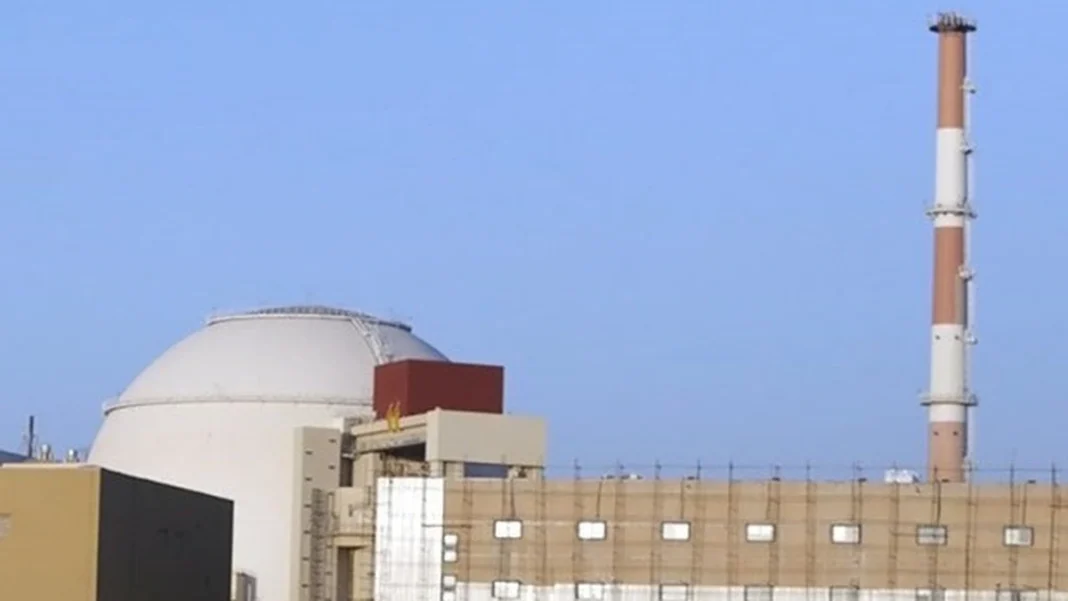
Iran iodine tablets are being handed out in Bushehr, home to the country’s only working nuclear power plant, as part of an emergency preparedness plan, Iranian media reported on Friday. The reports have not been independently verified, and the distribution has yet to be confirmed by international sources.
The Young Journalists Club (YJC) reported that distribution began near the plant and later spread across the city. Crisis management authorities ordered the release of 180,000 tablets, which are now available to Bushehr residents only at comprehensive health centres.
What Iranian media reported
The distribution is part of an emergency preparedness plan that was launched before the June 2025 war, according to the reports. The tablets are meant to protect the thyroid gland from radioactive iodine in a nuclear or radiological incident.
Officials said the tablets should be taken from 24 hours before possible exposure to four hours after it. Doses vary by age: infants under one month get one-eighth of a tablet, children aged one month to three years get one-quarter, those aged three to 12 get half, and people over 12 take a full tablet.
The reports also carried a clear limit. The tablets do not protect against other radioactive substances or against external radiation. They work only against radioactive iodine, by filling the thyroid with stable iodine so it absorbs less of the radioactive kind.
Caution is needed with the story. The reports are circulating mainly through outlets linked to Iran and its allies, and verified international sources have not confirmed the distribution. The claim rests on YJC and the Iranian crisis management authorities, not on independent reporting from Bushehr.
Iran iodine tablets: how they work
Potassium iodide tablets are a standard part of nuclear emergency planning around the world. In an accident or attack at a nuclear plant, radioactive iodine can escape into the air. People who breathe it in or swallow it can absorb it into the thyroid gland, raising the risk of thyroid cancer, especially in children.
Taking stable iodine before or shortly after exposure fills the thyroid first. The gland then takes in far less of the radioactive iodine. The timing matters: the tablets work best when taken before exposure or within a few hours after it, which is why Bushehr’s authorities set the window at 24 hours before to four hours after.
The tablets are not a general shield. They do nothing against other radioactive materials, such as caesium, and nothing against radiation from outside the body. They are one tool in a wider emergency plan that also includes sheltering, evacuation and food controls.
Why Bushehr matters now
Bushehr is Iran’s only operational nuclear power plant, on the Gulf coast. Any threat to it carries weight far beyond the city, because a release of radioactive material would affect the Gulf region.
The timing of the distribution follows weeks of rising tension. On November 1, US President Donald Trump warned that Washington could strike remaining suspected nuclear facilities within 10 minutes, citing Pickaxe Mountain. On October 16, he ruled out nuclear weapons but left the door open to further conventional strikes.
That context is why the reports are being watched closely. US and Israeli strike plans on Iran were drawn up after the midterms, according to earlier reporting. The US defence secretary has defended the Iran war as an impeachment threat looms. In the region, Saudi Arabia denied a report claiming the Houthis demanded $51 billion to halt hostilities, and Houthi missile attacks targeted the Saudi holy cities of Najran and Madinah.
What happens next
If the distribution is confirmed, it would show Iran preparing its public for the possibility of strikes on nuclear sites. If it is not confirmed, the reports still show how the information war around Iran is running alongside the military one. Either way, Bushehr’s residents are the ones caught between the warnings and the weapons.
What are iodine tablets for?
Iodine tablets, usually potassium iodide, protect the thyroid gland from radioactive iodine released in a nuclear or radiological incident. Stable iodine fills the thyroid so it absorbs less radioactive iodine.
Who can get the tablets in Bushehr?
According to the reports, the 180,000 tablets are available to Bushehr residents only at comprehensive health centres in the city.
How should iodine tablets be taken?
Officials said the tablets should be taken from 24 hours before possible exposure to four hours after it. Infants under one month get one-eighth of a tablet, children up to three years get one-quarter, children aged three to 12 get half, and people over 12 take a full tablet.
Do iodine tablets protect against all radiation?
No. They protect only against radioactive iodine. They do not protect against other radioactive substances or against external radiation.