Many people notice higher readings on their home monitors each winter. Doctors confirm that blood pressure generally runs higher in cold months than in summer. As a result, understanding why blood pressure rises in winter helps you protect your heart through the season.
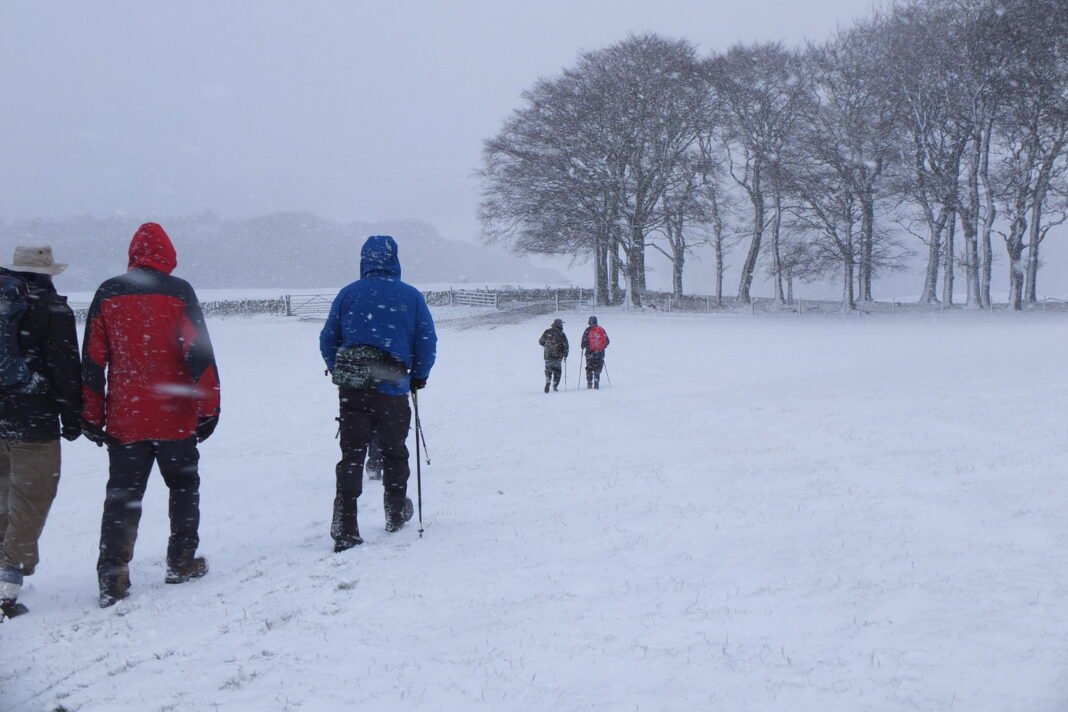
Your body reacts to cold by trying to hold in heat. Consequently, blood vessels near the skin narrow, and the heart pumps harder to push blood through tighter passages. This tightening, called vasoconstriction, directly raises blood pressure. This simple reaction explains why blood pressure rises in winter.
Why Blood Pressure Rises in Winter: What Happens in Your Arteries
Cold triggers your nervous system to defend your core temperature. For example, vessels constrict so less heat escapes through the skin. Meanwhile, the heart works harder to circulate blood through narrower pathways. Consequently, both systolic and diastolic readings can climb on cold days.
Vessels relax again when you warm back up. Therefore, a heated room helps restore normal readings after a cold outing. In contrast, a sudden step into freezing morning air can cause a quick spike. The Mayo Clinic explains this cold-weather connection in more detail.
Sudden weather changes can add to the effect. In addition to cold air, shifts in humidity, air pressure, or wind can nudge readings upward in sensitive people. However, vessel narrowing remains the main reason why blood pressure rises in winter.
More Than Cold: Winter Habits That Raise Blood Pressure
People tend to move less when temperatures drop. As a result, winter brings less exercise, and lower activity levels can push blood pressure up. Moreover, many of us gain a little weight over the season, which also raises readings.
Holiday meals play a role too. For example, comfort foods and festive dishes are often high in salt, and extra sodium pulls water into the blood. Consequently, blood volume rises, and so does blood pressure. In addition, holiday stress and shorter days can disturb sleep, which may lift readings further.
Festive drinks and snacks add hidden salt as well. For instance, processed gravies, chips, and ready-made sauces pack more sodium than you expect. Therefore, small swaps at holiday meals can make a real difference.
Who Should Watch Readings More Closely
Older adults feel the winter effect more strongly. For instance, weather-related blood pressure changes are more common in people ages 65 and older. Consequently, seniors should track their readings through the season.
People who already have hypertension should stay alert. In addition, those with heart conditions face extra strain from cold weather. If readings change noticeably, talk to your doctor about your medicines. However, never change a dose on your own.
Cold mornings deserve special care. For example, sudden exertion in freezing air can strain the heart. Consequently, warm up indoors first, and ask for help with heavy outdoor work like shoveling.
How to Control Blood Pressure Through the Cold Months
Stay warm when you head outside. For example, dress in layers, and cover your head and ears to reduce heat loss. Consequently, your blood vessels stay a little more relaxed.
Keep moving through winter. In addition, choose indoor exercise like walking or home workouts when the cold keeps you inside. Moreover, regular activity helps control weight, which supports healthy blood pressure.
Watch your salt intake during the holidays. For example, balance rich meals with vegetables and whole foods, and check labels on packaged items. As a result, you avoid the hidden sodium that pushes readings up.
Warm meals and drinks can help too. For instance, soups and herbal teas feel comforting without loading you with salt. Moreover, staying hydrated supports steady circulation through the dry winter months.
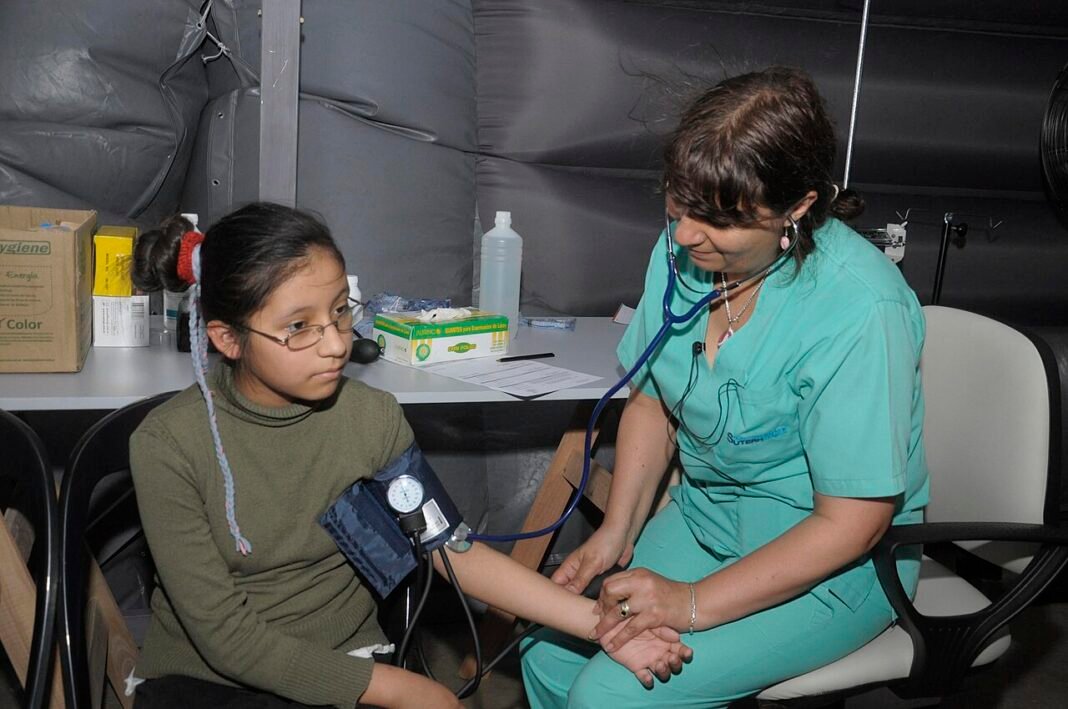
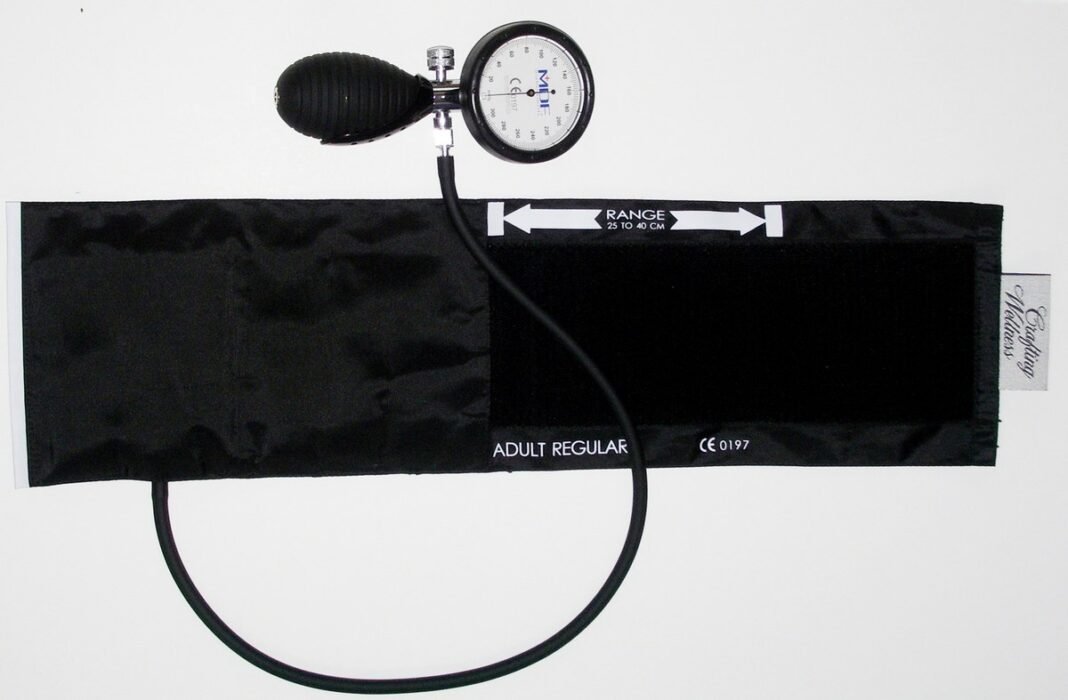
Track your blood pressure at home. Meanwhile, write down your readings so you can share them with your doctor. For more seasonal health tips, read our guide on vitamin D in autumn. If numbers stay high, talk to your doctor, who may adjust your treatment.
Knowing why blood pressure rises in winter helps you act early. This article shares general information, not medical advice. However, everyone responds to cold differently. Consequently, talk to your doctor if winter readings worry you, especially if you take blood pressure medicines.