Karachi University Mental Health Centre Opens for All
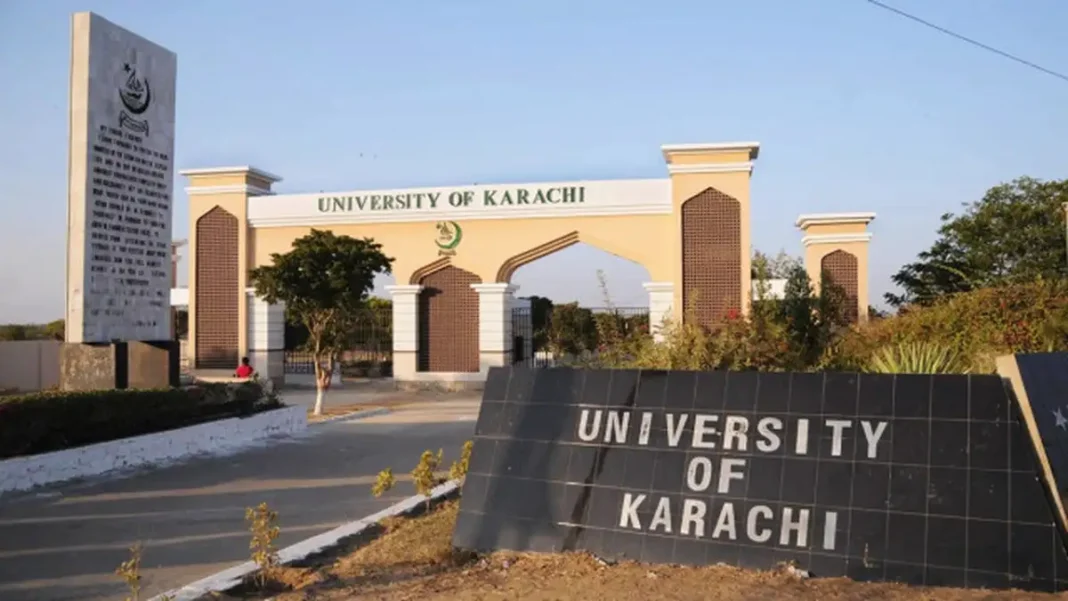
Karachi University mental health centre services are now available at the university’s Medical Centre, after a dedicated Mental Health and Well-being Centre was set up to address psychological challenges, emotional stress, anxiety and mental health concerns among students, faculty members and administrative staff. The initiative marks an institutional commitment to a healthier and more supportive university environment, with professional help available on campus rather than only through outside services.
The centre was formally inaugurated on Monday by Senator Dr Karim Ahmed Khawaja, Chairman of the Sindh Mental Health Authority, along with University of Karachi Vice Chancellor Professor Dr Wasim Qazi. The inauguration brought together the province’s mental health authority and the university’s leadership, a pairing that signals the centre is meant to work within a wider support system, not as a standalone room.
Karachi University mental health centre: what it offers
The centre will provide free and confidential psychological counselling, therapy and support services to students, faculty members and non-teaching employees. Alongside one-to-one help, it will run awareness programmes and preventive interventions, and it will offer referral services where a case needs specialist care beyond what the centre can provide.
That combination matters. Early intervention and accessible counselling can reach people before a difficulty becomes a crisis, and a referral route means the centre does not have to handle every case itself. Confidentiality is also central: students and staff are more likely to seek help when they trust that their visit will stay private.
Why the university says it is needed
Vice Chancellor Qazi highlighted the scale of mental health challenges in Pakistan and emphasised that psychological well-being must become a national development priority. Citing available estimates, he observed that approximately 37 per cent of people across different age groups in Pakistan experience some form of mental stress, psychological complication or mental health disorder.
The university’s own scale explains why the centre was placed at its Medical Centre. The University of Karachi currently has more than 47,000 enrolled students, in addition to a substantial teaching and non-teaching workforce. Given the size and diversity of that community, Qazi said, providing accessible psychological support, early intervention and professional counselling was among his foremost priorities.
Senator Khawaja appreciated the initiative and announced that he would facilitate the establishment of a dedicated helpline for the university, on the pattern of the facility operating at Dow University of Health Sciences. He also assured support in arranging the necessary equipment and technical expertise to strengthen the centre’s operational capacity. A helpline would extend the centre’s reach beyond its opening hours and beyond the campus, giving students a route to help at the moment they need it.
A wider shift in support services
The Karachi centre fits a wider move toward named, funded support services inside public institutions. Feature Pakistan reported on the Rawalpindi autism centre approved at a cost of Rs580 million, and on a new block at Abbasi Shaheed Hospital in Karachi, both of which add capacity for people who previously had to travel or wait for care. The university centre is smaller in scale, but its logic is the same: place help where the people who need it already are.
The test for the centre will be practical. Free counselling only helps if students know about it, trust its confidentiality and can get an appointment without a long wait. The promised helpline, the equipment and the technical expertise will matter as much as the inauguration itself. The Tribune report gives the full account of the inauguration and the services announced.
Frequently asked questions
Where is the new centre?
It is located at the University of Karachi’s Medical Centre, and it serves the university community.
Who can use the centre?
Students, faculty members and non-teaching employees of the university can use its services.
What services will it provide?
It will provide free and confidential psychological counselling, therapy and support services, alongside awareness programmes, preventive interventions and referrals where required.
Who inaugurated the centre?
Senator Dr Karim Ahmed Khawaja, Chairman of the Sindh Mental Health Authority, inaugurated it with Vice Chancellor Professor Dr Wasim Qazi.
Will there be a helpline?
Senator Khawaja announced he would facilitate a dedicated helpline for the university, on the pattern of the facility at Dow University of Health Sciences.