From Sargodha to BBC: Muhammad Ali Tabassum’s Inspiring Rise as a Pakistani Content Creator
Success in the digital world does not always begin in a major city, an expensive studio, or behind the doors of a large media company. Sometimes, it begins with an idea, a smartphone and the determination to keep creating.
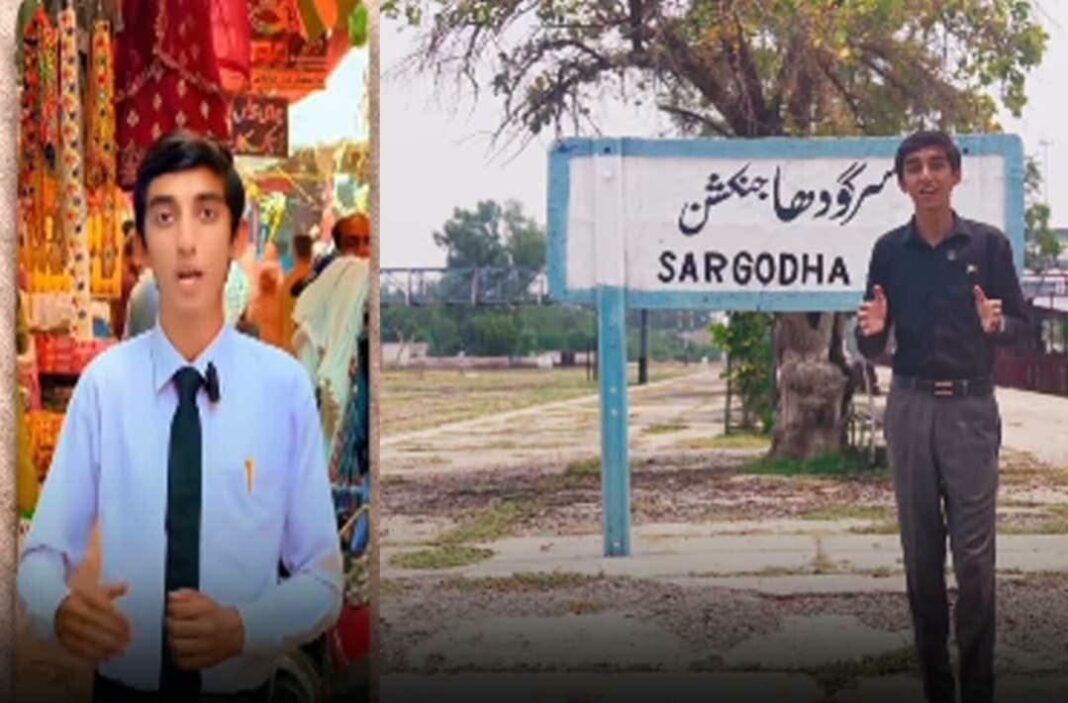
Muhammad Ali Tabassum, a content creator from Sargodha, has become a fresh example of how Pakistan’s young digital talent can reach audiences far beyond their hometowns.
His journey recently attracted wider attention after BBC News featured him for his work as a content creator.
For a young creator emerging from Sargodha, recognition from an international media organisation represents much more than another social media milestone. It demonstrates how digital platforms are changing who gets the opportunity to be seen and heard.
It also carries an encouraging message for thousands of young Pakistanis trying to build careers through content creation.
Who Is Muhammad Ali Tabassum?
Muhammad Ali Tabassum is a digital content creator from Sargodha, Punjab.
His online work has helped him attract an audience and build recognition as part of Pakistan’s rapidly developing creator community.
His name gained considerably more attention after reports emerged that BBC News had featured him for his work as a content creator.
The achievement quickly attracted attention online, with Pakistani platforms highlighting his recognition and celebrating another creator emerging from outside the country’s traditional media centres.
That detail makes his story particularly interesting.
When people discuss Pakistan’s influencer and content creation industry, cities such as Karachi, Lahore and Islamabad often dominate the conversation.
Tabassum’s rise puts Sargodha into that conversation.
From Sargodha to an International Audience
Sargodha is widely known for its agricultural importance, particularly its citrus industry. It may not immediately come to mind when people think about Pakistan’s digital creator economy.
The internet, however, has changed that equation.
A creator no longer needs to live close to a television studio, advertising agency or major production house to build an audience.
Social media has effectively removed many geographical barriers.
Someone sitting in Sargodha can create a video today and potentially reach viewers in Lahore, Karachi, London, Dubai, Toronto or New York.
Muhammad Ali Tabassum’s recognition demonstrates that possibility.
His story therefore belongs to a much larger transformation taking place across Pakistan.
Why the BBC Recognition Matters
Getting noticed by an international media organisation can significantly increase a creator’s visibility.
For Muhammad Ali Tabassum, the BBC appearance places his work before an audience far beyond the social media circles where people may initially discover a creator.
It also gives his achievement symbolic importance.
A creator from a Pakistani city outside the country’s biggest media hubs can produce work capable of attracting international attention.
That possibility would have seemed much more difficult only a generation ago.
Traditional media once controlled most routes to large audiences. Television stations, newspapers, radio networks and production companies decided which voices received national exposure.
Digital platforms changed that structure.
Today, creators can establish their own audiences.
They can experiment with ideas, develop their own presentation styles and communicate directly with viewers.
Tabassum’s recognition provides another example of that transformation.
Pakistan’s Creator Economy Is Expanding
Pakistan has one of the world’s largest young populations, while smartphones and affordable internet access have changed how millions of people consume entertainment and information.
YouTube, Facebook, Instagram and TikTok have created entirely new career possibilities.
Young Pakistanis now create content about technology, education, food, comedy, travel, business, fashion, gaming, lifestyle and countless other subjects.
Some creators begin casually.
Others gradually turn their audiences into professional careers.
This shift has created opportunities that did not exist for previous generations.
A university student can build an educational channel. A freelancer can teach digital skills. A traveller can document unexplored destinations. A comedian can entertain millions without first securing a television contract.
The biggest requirement is no longer geographical location.
It is the ability to create something people want to watch, read or share.
Small Cities Can Produce Big Digital Stories
Perhaps the most inspiring part of the Muhammad Ali Tabassum story is the city attached to his name.
Sargodha represents dozens of Pakistani cities where talented young people may once have believed that major opportunities existed only in Lahore, Karachi or Islamabad.
That perception is slowly disappearing.
Creators now emerge from Faisalabad, Multan, Gujranwala, Peshawar, Quetta, Sialkot, Sargodha and smaller towns throughout the country.
Digital platforms give these creators something previous generations rarely had: direct access to an audience.
The opportunity does not guarantee success.
Competition remains intense, and building a meaningful audience requires creativity, patience and consistency.
However, location itself no longer creates the barrier it once did.
That is an important lesson for Pakistan’s next generation of creators.
Content Creation Is Becoming a Real Career
Parents once struggled to understand what someone meant when they said they wanted to become a “content creator.”
That conversation is changing quickly.
Digital content now supports an enormous global industry.
Successful creators can earn through advertising, brand partnerships, sponsorships, affiliate marketing, digital products, consulting and other opportunities.
Businesses also increasingly need people who understand video production, storytelling, social media management, digital marketing and audience engagement.
Therefore, even creators who never become major influencers can develop highly valuable professional skills.
Content creation teaches communication.
It teaches editing.
It develops storytelling skills.
It forces creators to understand audiences and trends.
Most importantly, it encourages people to produce rather than simply consume digital content.
The Lesson for Young Pakistanis
Muhammad Ali Tabassum’s recognition offers an important lesson for young people who believe their hometown limits their ambitions.
The digital economy operates differently from the traditional economy.
Your location still matters in some industries, but it matters far less when your work can travel instantly across the internet.
A talented creator in Sargodha can reach the same social platform as a creator living in London.
The difference often comes down to ideas, execution, consistency and the ability to understand an audience.
That does not mean success happens overnight.
Behind most successful digital creators sits a long process of experimentation.
Videos may receive little attention.
Ideas may fail.
Algorithms change.
Audiences move to different platforms.
Creators must constantly learn.
Recognition usually appears at the end of a process that viewers never completely see.
Consistency Matters More Than Going Viral Once
Social media sometimes creates the illusion that success happens overnight.
A video suddenly receives millions of views, and its creator appears everywhere.
However, sustainable digital careers rarely depend on one viral moment.
Creators need consistency.
They need an identity that audiences can recognise.
They also need to understand why people follow them.
A viral video may bring attention, but valuable content gives people a reason to return.
This distinction matters for aspiring Pakistani creators.
Instead of asking, “How can I go viral?”, a better question may be:
“What can I create consistently that people will genuinely value?”
That mindset can build a stronger foundation for long-term growth.
Pakistani Stories Can Reach Global Audiences
Pakistan contains countless stories that remain largely invisible to international audiences.
Digital creators can help change that.
Every city has its own culture, humour, food, traditions, personalities and everyday experiences.
Creators who understand those stories can introduce them to viewers who might otherwise never encounter them.
That creates an opportunity not only for individual creators but also for Pakistan’s digital image.
International audiences often encounter countries through media narratives dominated by politics, conflict or major events.
Creators provide another window.
They can show ordinary lives.
They can highlight creativity.
They can introduce local culture.
They can make audiences laugh.
They can also challenge stereotypes simply by showing authentic experiences.
Recognition Brings Responsibility
Greater visibility also brings responsibility.
As creators build larger audiences, their words and actions can influence thousands or even millions of people.
Accuracy becomes important.
Authenticity becomes important.
Respect for audiences becomes important.
Creators who want sustainable careers must eventually think beyond views and followers.
Trust becomes one of their most valuable assets.
The creators who maintain that trust often build communities rather than temporary audiences.
That distinction may determine who remains relevant as Pakistan’s digital creator industry matures.
A Win Beyond One Creator
Muhammad Ali Tabassum’s BBC recognition deserves attention because its significance extends beyond one individual.
It tells aspiring creators in smaller Pakistani cities that international visibility is possible.
A young person does not necessarily need to wait for a television channel, newspaper or production company to discover them.
Digital platforms have created another route.
Create.
Learn.
Improve.
Publish.
Listen to your audience.
Then create again.
The process may sound simple, but maintaining it requires considerable discipline.
The Future Belongs to Pakistan’s Digital Creators
Pakistan’s next generation of well-known storytellers may not emerge from television studios.
They may emerge from bedrooms, university campuses, small offices and ordinary streets across the country.
Some will become filmmakers.
Others will become educators, entertainers, entrepreneurs, journalists or digital business owners.
Their first audience may consist of only a few hundred people.
But the internet gives good ideas room to travel.
Muhammad Ali Tabassum’s journey from Sargodha to international media recognition captures that possibility beautifully.
His achievement reminds young Pakistanis that they do not always have to leave their hometown before they start building something meaningful.
Sometimes the better strategy is simply to start where you are.
Develop your skills.
Find your voice.
Create something worth sharing.
And allow the world to discover it.
For aspiring Pakistani content creators, Muhammad Ali Tabassum’s story carries a simple but powerful message: your starting point does not have to determine how far your work can travel.