Petroleum Levy Brings Rs220bn in Two Months
The federal government collected Rs220 billion through the petroleum levy in the first two months of the current fiscal year, keeping it on course for its annual target of Rs1.676 trillion.
The levy is charged on petrol and diesel, and it has become one of the government’s largest sources of revenue. The two-month figure covers July and August of FY2026-27, the fiscal year that began on July 1.
The government has set a higher target for this year than it achieved last year. In FY2025-26, it first aimed to collect Rs1.468 trillion from the levy but ended up with Rs1.567 trillion, beating its own estimate by about Rs100 billion.
Petroleum levy target rises for FY27
The new target of Rs1.676 trillion is about 7 per cent higher than last year’s actual collection. To reach it, the government needs to collect an average of roughly Rs140 billion a month through the levy over the full year.
The first two months brought in Rs220 billion, which works out to Rs110 billion a month. That pace sits below the monthly average needed for the full-year target, so collections will need to pick up in the months ahead.
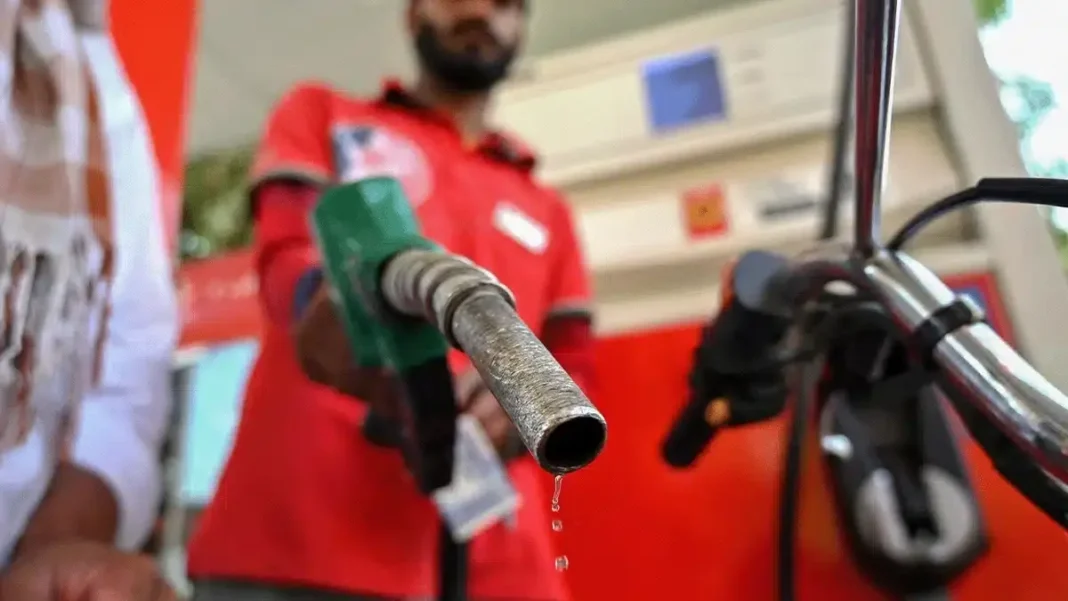
The levy sits on top of the fuel price paid at the pump. The government sets the levy rate per litre, and it can change the rate when it reviews fuel prices. Because the levy goes straight to the federal government, it is a quick way to raise money without new taxes. It also draws criticism, since higher fuel prices feed into transport fares and the cost of goods.
The levy has faced protests in the past over its effect on fuel prices. Transporters and traders have argued that it pushes up the cost of moving goods, and that cost reaches the public in the form of higher prices. The government has defended the levy as a steady source of funds for public spending.
Why the levy matters for the budget
Fuel taxes now carry a large share of the government’s revenue effort. With debt payments eating a big part of the budget, the levy gives the treasury money it can count on each month. Last year’s overshoot showed that the tax can beat its target when fuel sales hold up.
Pakistan has stretched the average maturity of its public debt to 3.8 years, easing the pressure of refinancing, though Rs17 trillion in domestic principal falls due in FY27. Foreign investors have added to the inflows, putting $747 million into government bonds and treasury bills in the first four months of FY27. Overseas Pakistanis sent home $3.89 billion in October alone, another pillar of the external account.
The levy also shapes what drivers pay. Petrol pumps in the twin cities have already halted a prime ministerial fuel subsidy, showing how closely pump prices are watched. LPG prices have moved under a new setup too, with PSO and SSGCL taking over price-setting from OGRA.
The next test comes with the coming fuel price reviews. If the government keeps the levy rate steady and sales stay firm, the annual target stays within reach. If sales slip or the rate is cut to ease prices, the treasury will need to find the money elsewhere.
ProPakistani reported the collection figures on Tuesday.
Frequently asked questions
How much petroleum levy did the government collect in two months?
The federal government collected Rs220 billion through the petroleum levy in the first two months of FY2026-27, covering July and August 2026.
What is the annual petroleum levy target for FY27?
The government has set a target of Rs1.676 trillion for the current fiscal year, up from Rs1.567 trillion actually collected in FY2025-26.
How much did the levy bring in last year?
In FY2025-26, the government first targeted Rs1.468 trillion but collected Rs1.567 trillion, beating its estimate by about Rs100 billion.
What is the petroleum levy?
The petroleum levy is a federal charge on petrol and diesel. It is added to the fuel price and goes straight to the government as revenue.
Why does the levy matter for fuel prices?
The levy forms part of the price paid at the pump, so a higher levy rate can push fuel prices up. That feeds into transport fares and the cost of goods.