700kg Explosives Seized in North Waziristan Operation
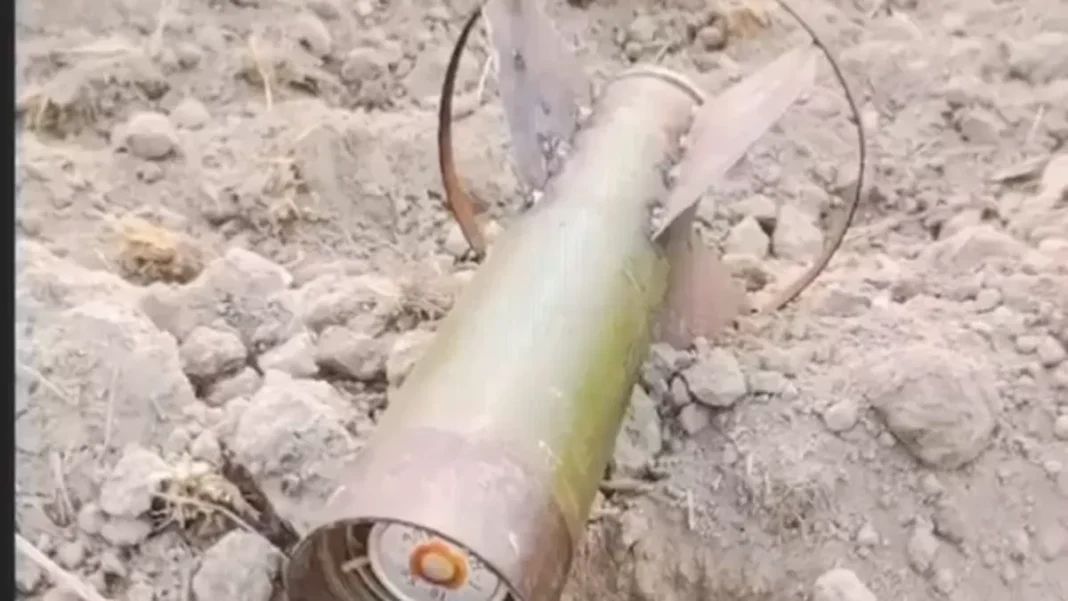
Security forces have recovered 700 kilogrammes of locally made explosives, a missile and other equipment during a North Waziristan operation, security sources said on Tuesday.
The North Waziristan operation covered several areas of the district, where troops searched 62 more houses and compounds. Searches were completed at 17 compounds between Api village and Haider Khel, 28 in Maski and 17 in other areas, while 14 targeted locations were cleared in Hassu Khel.
The operation will continue until the possible presence of militants in the area, and the places used by them, have been cleared, the sources said.
North Waziristan operation widens after Mir Ali find
The latest sweep came a day after security forces recovered a large cache of improvised explosive devices, explosives, weapons and ammunition from two militant hideouts set up inside mosques in Muzak village, on the southern edge of Mir Ali, also in North Waziristan.
That find, announced by the military’s media wing, exposed hideouts used to store explosives and run torture cells. The Inter-Services Public Relations said the hideouts belonged to Fitna al-Khawarij, the state’s term for the banned Tehreek-e-Taliban Pakistan.
Tuesday’s recovery shows the same network had spread its stores across the district. Troops found the 700 kilogrammes of explosives in Mosaki, while the missile, 200 kilogrammes of urea and other equipment came from Hassu Khel. Urea is often used in making improvised explosives, which is why its seizure matters as much as the explosives themselves.
What troops found in Mosaki and Hassu Khel
The haul points to a group that was preparing attacks rather than merely hiding. A single Al-Farooq missile, hundreds of kilogrammes of explosives and the raw material to make more suggest a cell with both the means and the intent to strike.
The search pattern also tells its own story. Troops worked through dozens of compounds across four areas in one day, clearing targeted locations one by one rather than sweeping blindly. That is slow, dangerous work in a district where militants have used homes, shops and mosques to hide their stores.
North Waziristan has been the focus of repeated clearance operations since the military pushed militants out of the area a decade ago. Fighters have filtered back in small groups, using the rough terrain and the long border with Afghanistan to move men and material.
A rising threat in Khyber Pakhtunkhwa
The operation comes against a grim trend. Attacks in Pakistan have risen every year since 2022, according to data from the Armed Conflict Location and Event Data project, a global monitoring group. Its figures show attacks rose nearly fourfold, to 2,425 in 2025 from 658 in 2022.
Two security reports presented to the federal cabinet in October showed that militant incidents in Khyber Pakhtunkhwa rose by 195 per cent between March 2024 and September 2026. The reports also found that 73 per cent of attacks recorded in the province during 2026 had targeted police and security personnel, while drones and improvised explosive devices had become growing threats.
Pakistan has repeatedly accused the Afghan Taliban authorities of letting the banned Tehreek-e-Taliban Pakistan operate from Afghan soil and launch attacks inside Pakistan. A United Nations Security Council monitoring report published in February 2026 backed Islamabad’s concerns, saying attacks by the group originating from Afghanistan had continued.
The Tehreek-e-Taliban Pakistan’s political front has also moved to challenge the Khyber Pakhtunkhwa emergency in court, a sign that the fight in the province now runs through the courts as well as the hills.
What happens next
The clearance operation will go on until troops are sure the area is free of militant stores and hideouts, the sources said. That work is painstaking, and it carries real risk for the soldiers doing it.
For the people of North Waziristan, the seizures bring a measure of relief, but also a reminder of how much ordnance still lies hidden in the district. A probe team has also been formed after a Karachi police inspector was killed, a sign of the wider strain on the country’s security forces. Health teams are also working in the province, with a vaccination drive for girls under way in Khyber Pakhtunkhwa, and five children died of a mysterious illness in Khyber district this week. The Express Tribune reported the recovery.
Frequently asked questions
How much explosive was recovered in North Waziristan?
Security forces recovered 700 kilogrammes of locally made explosives in Mosaki, along with an Al-Farooq missile, 200 kilogrammes of urea and other equipment in Hassu Khel.
Where did the operation take place?
Troops searched 62 houses and compounds across several areas, including Api village, Haider Khel, Maski and Hassu Khel, and cleared 14 targeted locations.
What happened in Mir Ali the day before?
Security forces found a large cache of improvised explosive devices, weapons and ammunition in two militant hideouts set up inside mosques in Muzak village, near Mir Ali.
Who did the hideouts belong to?
The military said they belonged to Fitna al-Khawarij, the state’s term for the banned Tehreek-e-Taliban Pakistan, and were used to store explosives and run torture cells.
Are attacks rising in Pakistan?
Yes. Monitoring group ACLED recorded 2,425 attacks in 2025, up from 658 in 2022, and incidents in Khyber Pakhtunkhwa rose 195 per cent between March 2024 and September 2026.