Pakistan Offers Bangladesh Help on Energy Crisis
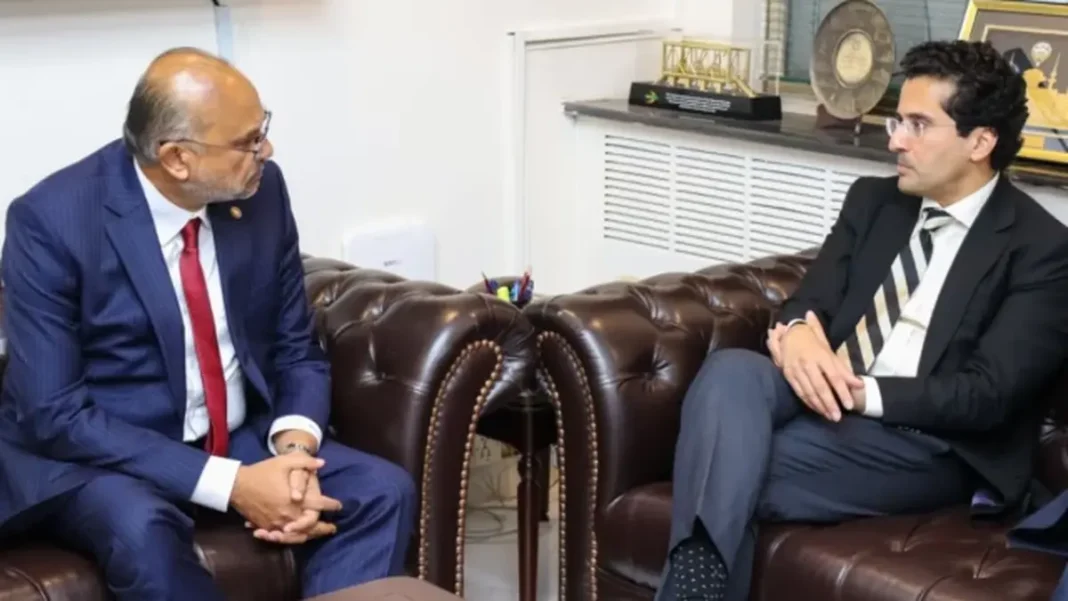
Pakistan has offered to share its experience of managing the energy crisis with Bangladesh, as both countries deal with fuel supply risks linked to the Middle East conflict and disruption to shipping through the Strait of Hormuz. The offer came during Pakistan Bangladesh energy crisis talks in Islamabad between Petroleum Minister Ali Pervaiz Malik and Bangladesh’s Adviser on Finance, Rashid Al Mehmood Titumir.
Tribune reported the meeting, citing a press release. The two sides discussed their strategies to manage what they called an unprecedented energy crisis, to keep fuel supplies running, and to limit the damage from rising uncertainty in energy markets.
Malik briefed the Bangladeshi adviser on Pakistan’s efforts to secure fuel supplies in difficult global conditions. He also shared details of government measures, including targeted fuel subsidies, aimed at giving relief to the public while managing the fallout from the crisis.
Pakistan Bangladesh energy crisis: what each side shared
Titumir set out the steps Bangladesh has taken to secure fuel supplies and to handle new challenges. He said the crisis had pushed energy security to the front of policymaking, and he stressed the need to diversify energy sources and supply routes so that one disruption cannot cut off supplies.
He also praised Pakistan’s diplomatic efforts to de-escalate the conflict involving Iran. He said de-escalation was essential for global economic stability, since the crisis is hitting economies and energy markets worldwide. He thanked Pakistan for its work to secure liquefied natural gas cargoes from Qatar through the Strait of Hormuz despite difficult conditions.
Malik described the situation as an unprecedented energy crisis. He stressed preparedness, diversification and regional cooperation as the tools that matter most when global supply lines come under strain. He said Pakistan was willing to share its experiences and lessons with Bangladesh to help it manage the crisis and build stronger energy security.
Both sides stressed continued engagement and the sharing of experience, so that common energy challenges can be met with greater resilience against future supply shocks.
Why the offer matters for Pakistan
The offer is not abstract. Pakistan has spent recent weeks managing its own fuel pressures in public. Feature Pakistan reported that the government enlisted oil refineries to shield citizens from global price hikes, with refineries absorbing about Rs15 billion a month, and that petrol and diesel prices were cut from November 3. Those steps form the practical record behind the lessons Pakistan has now offered to share.
The regional context gives the talks added weight. The Strait of Hormuz carries about one fifth of global oil shipments, so any threat to passage through it raises prices and insurance costs for importers across South Asia. Bangladesh, like Pakistan, imports fuel and gas, which leaves both countries exposed to the same shipping and price risks.
A day earlier, Titumir had set out a five-point development paradigm for South Asia at the annual Sustainable Development Policy Conference. He argued that legitimacy must come from the people, and he called for a shift from efficiency-driven development to resilience-oriented development. He said recent crises showed that efficiency without resilience creates serious vulnerabilities. Climate Change Minister Musadik Malik shared those concerns, saying debt-driven growth was unacceptable when servicing eats half the country’s revenues.
What happens next
The two sides agreed to keep talking and to share experience on fuel security. No new supply deal was announced, and no figures were given for any future shipments. The practical test will come in the next round of talks, when officials will need to turn shared lessons into concrete steps on procurement, shipping routes and subsidy design.
For readers in Pakistan, the talks are also a reminder of how closely domestic fuel prices track events far from home. Decisions on shipping lanes, gas cargoes and regional diplomacy feed directly into the prices paid at the pump and the cost of power generation.
Feature Pakistan has also covered the region’s shifting diplomacy in its report on Iran Saudi Arabia talks.
Frequently asked questions
What did Pakistan offer Bangladesh?
Pakistan offered to share its experience and lessons in managing the energy crisis, including fuel supply measures and targeted subsidies.
Who led the talks on each side?
Petroleum Minister Ali Pervaiz Malik led for Pakistan, and Adviser on Finance Rashid Al Mehmood Titumir led for Bangladesh.
Why is the Strait of Hormuz important in this crisis?
The strait carries about one fifth of global oil shipments, so disruption there raises prices and shipping costs for fuel importers.
Did the talks produce a new fuel supply deal?
No. No new supply deal or shipment figures were announced. The two sides agreed to continued engagement and shared experience.
What did Titumir propose a day earlier?
He proposed a five-point development paradigm for South Asia, centred on legitimacy, resilience, industrial policy, human capability and multilateral cooperation.