Peshawar Police Body Cameras for Station Clerks
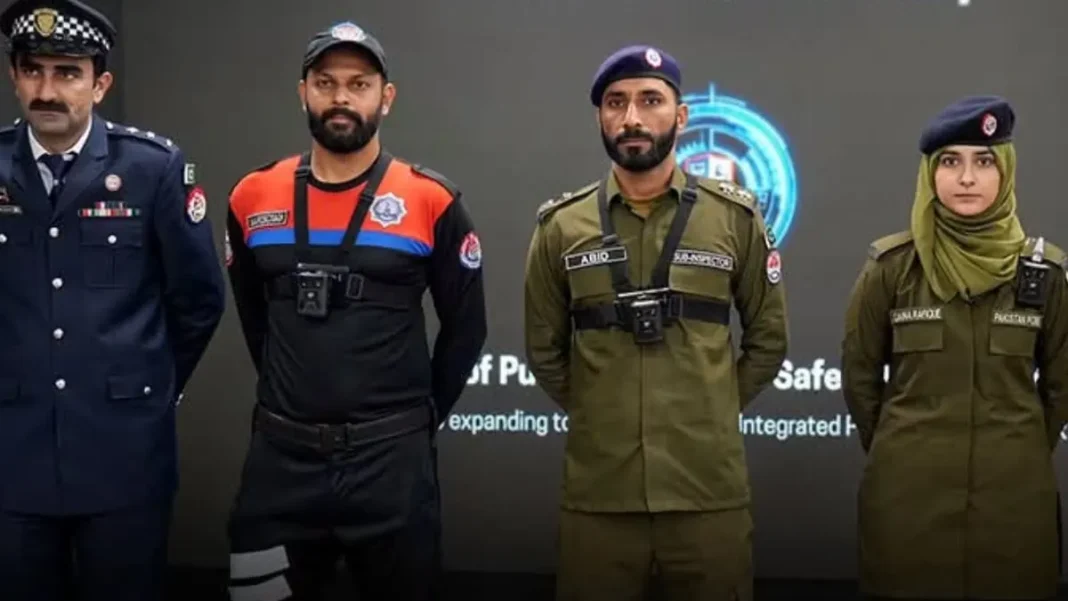
Peshawar police body cameras will now watch the clerks who deal with the public at police stations across the city. The Peshawar police equipped clerical staff at all police stations with body-worn cameras on Tuesday, under a new online surveillance system.
The cameras connect directly to the office of the capital city police officer (CCPO) at Police Lines. They will record conversations between police station clerks, known as muharrars, and visitors, along with the handling of complaints and other official proceedings during duty hours.
Peshawar CCPO Dr Mian Saeed Ahmad said the move was aimed at promoting transparency, accountability and professional policing. He said direct oversight of clerical staff would improve how they deal with the public.
What the Peshawar police body cameras will record
All muharrars have been directed to record their interactions with complainants and the official proceedings they handle, so that a proper record of their conduct and performance is kept.
The cameras will also be linked to the Safe City system. Their footage will be monitored from the CCPO office, giving senior officers a live view of what happens at police station front desks.
The recordings could be used as evidence in cases involving complaints of misconduct, inappropriate behaviour or mistreatment of citizens by police personnel. That gives a complainant a record to point to if a visit to a police station goes wrong.
CCPO Ahmad said the initiative was intended to improve police performance, strengthen public service delivery and ensure transparency and accountability in the discharge of official duties. He said the system would make police personnel more answerable for their conduct towards citizens.
Why the station clerk matters most
For most citizens, the muharrar is the first person they meet at a police station. Complaints are lodged with the clerk, statements are recorded there, and the first response a citizen gets often comes from that desk.
That is why the Peshawar police chose clerical staff rather than patrol officers for this rollout. The camera sits where the public meets the police, not only where the police meet the street.
The same day, the CCPO also ordered CCTV and thermal cameras at all police stations and posts in Peshawar and Khyber districts. He called for stronger entry-point security, boundary walls and protective equipment, and directed police to step up action against street crime.
Part of a wider police technology push
Peshawar is not the first city to turn to cameras to keep the police in check. Karachi’s e-challan system has issued two million tickets, using cameras to record traffic offences instead of relying on roadside stops. Lahore has ordered dashcams and panic buttons in ride-hailing cars to protect passengers and drivers.
The difference in Peshawar is the focus. Earlier systems watched the road. This one watches the front desk, where citizens file complaints and seek help.
Whether the cameras change behaviour will depend on what happens to the footage. A camera only helps if a citizen can complain, the recording is checked, and action follows when it shows wrongdoing. The CCPO’s office now holds that footage, and the public will judge the system by the cases it acts on.
Police in Peshawar have also stepped up arrests in recent weeks, and a Peshawar association has pressed for the recovery of an officer’s children, showing how closely the city’s policing is watched.
Frequently asked questions
Who will wear the cameras?
Clerical staff, known as muharrars, at all police stations in Peshawar will wear the body cameras during duty hours.
What will the cameras record?
They will record conversations between clerks and visitors, the handling of complaints and other official proceedings at police stations.
Who watches the footage?
The footage will be monitored from the CCPO office at Police Lines in Peshawar, and the cameras will also be linked to the Safe City system.
Can the recordings be used as evidence?
Yes. Police officials said the recordings could be used as evidence in cases involving complaints of misconduct, inappropriate behaviour or mistreatment of citizens.
Why is Peshawar doing this now?
CCPO Dr Mian Saeed Ahmad said the aim was to promote transparency, accountability and professional policing, and to improve public service delivery at police stations.