Working Boundary Pakistan: Why the Punjab–Jammu Frontier Has Its Own Name
Between the settled Radcliffe Line and the disputed LoC lies a ~200 km stretch with an odd name: the Working Boundary. This guide explains what it is, where it runs, and why neither side calls it an international border.
Quick answer: The Working Boundary (~200 km) separates Pakistan’s Punjab province from Indian-administered Jammu. It’s called “working” because Pakistan’s claim over Jammu & Kashmir means it can’t recognise the line as an international border — while India administers the other side as its territory.
What the Working Boundary is
The Working Boundary is the de facto boundary between Punjab (Pakistan) and the Jammu region — roughly 200 km from the end of the settled International Border near Sialkot to the start of the LoC. It is fenced, patrolled and administered like a border — but it is not called one, because the word “border” would imply settled sovereignty that Pakistan’s Kashmir position doesn’t concede.
Where it runs
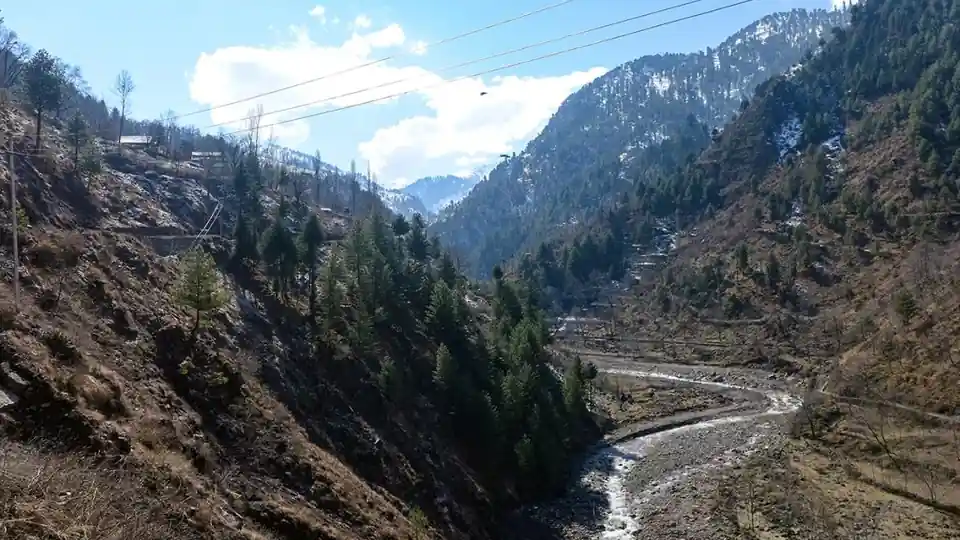
The line runs north from the Sialkot sector — where the Radcliffe Line’s Punjab stretch ends — past villages on both sides to the Chenab river region, where the LoC begins. Sialkot, a major industrial city, sits just kilometres from it; the sector has seen artillery exchanges in every major crisis, most recently during the post-2019 tensions.
Why the name matters
Names are claims. Calling it an “international border” would mean accepting Jammu as Indian territory — which Pakistan, claiming the former princely state, won’t do. Calling it part of the LoC would mean accepting the whole Kashmir dispute as merely military — which India resists. So it remains the “Working Boundary”: a bureaucratic term for a very real line of fences, posts and guns.
On the ground
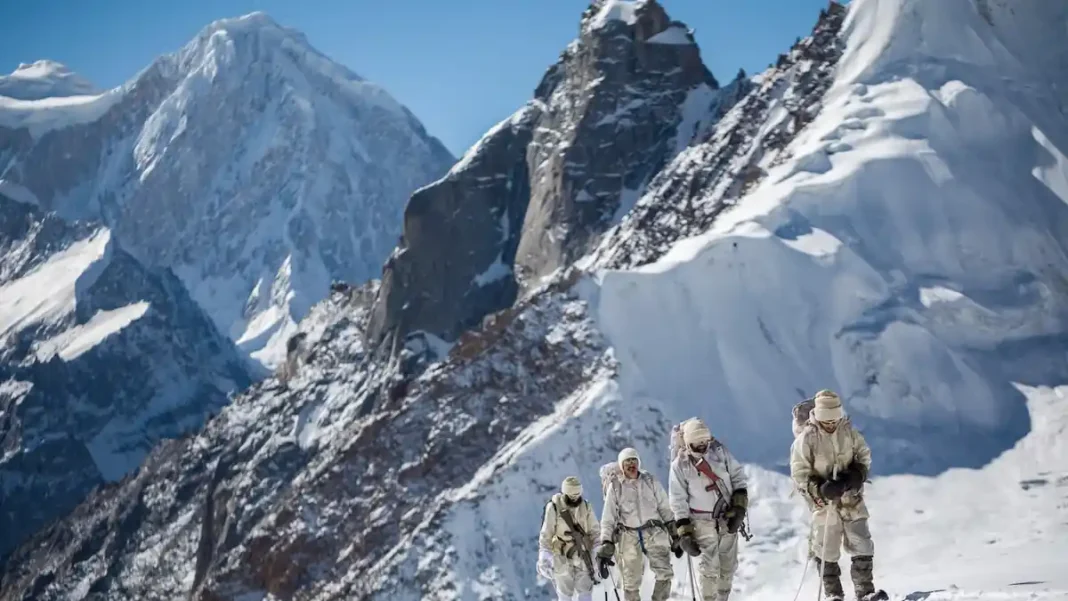
For the soldiers and villagers along it, the terminology is academic: the Working Boundary is fenced and floodlit like the rest of the frontier, guarded by Pakistan Rangers on one side and the BSF on the other, and its villages live with the same shelling risk as LoC villages. The distinction matters in diplomacy — and in atlases. The frontier around it: border map · the LoC.
Working Boundary: FAQs
What is the Working Boundary?
The ~200 km de facto boundary between Pakistan’s Punjab and Indian-administered Jammu.
How long is the Working Boundary?
About 200 km.
Why isn’t it called an international border?
Because Pakistan’s claim over Jammu & Kashmir prevents recognising the line as a settled international border.
Who guards the Working Boundary?
Pakistan Rangers on the Pakistani side; the BSF on the Indian side.