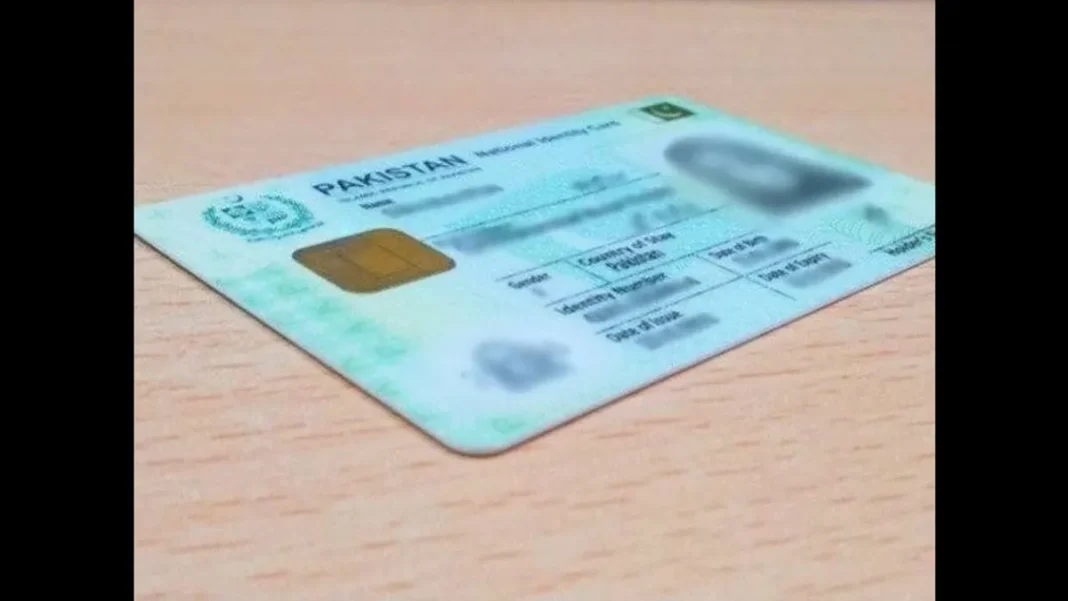
Pakistan has cancelled 326,341 CNICs held by Afghan nationals over the past five years. The 326,341 CNICs cancelled were obtained through fraud and forgery, the Interior Ministry told the National Assembly.
The ministry gave the figures in a written reply during Question Hour at the 30th session of the National Assembly. It said the cards belonged to Afghan citizens whose legal status was considered questionable, and the cards were cancelled after the fraud came to light.
The year-wise breakdown shows a sharp rise in 2026. The ministry cancelled 255,139 cards in 2026, against 62,414 in 2025 and 8,609 in 2024. A further 117 cards were cancelled in 2023, and 62 in 2022. The five yearly figures add up to the total of 326,341.
Why the 326,341 CNICs cancelled figure matters
A computerised national identity card opens access to a bank account, a mobile phone connection, a passport application and a range of public services. When cards obtained through fraud stay in circulation, they weaken every system that relies on identity checks.
The 2026 figure alone accounts for more than three quarters of the five-year total. That surge points to a recent verification drive rather than a steady annual trend. It also shows how far the problem had grown before the crackdown.
The same written reply set the CNIC action in a wider security picture. Interior Minister Mohsin Naqvi told the House that security forces and law enforcement agencies conducted 5,143 operations against terrorists across Pakistan from January 1 to September 29, 2026. Those operations killed 2,410 militants, injured 806 and led to 3,518 arrests, all under the National Action Plan.
The reply also flagged gaps. It said adequate attention had not been given to curbing extremist content online, and that federal and provincial authorities lacked a systematic, coordinated mechanism to address online threats. It said the National Counter Terrorism Authority sought more than Rs2.98 billion for fiscal 2026-27 but received Rs1.33 billion for the current year, and that the authority would be transformed into the National Counter Terrorism Division.
Identity fraud remains a live problem
The CNIC cancellations are not an isolated case. NADRA separately told the Senate that it had blocked 138,166 fake CNICs in Balochistan, as reported here: NADRA blocks 138,166 fake CNICs in Balochistan, Senate told. Punjab has also ordered NADRA verification of all students’ B-Form numbers within 10 days to curb fake enrolments, covered here: Punjab orders B-Form verification for all students in 10 days. And the state has warned citizens about fake arms licence websites in Punjab, as reported here: NADRA Warns Citizens Against Fake Arms Licence Websites in Punjab. Fees for Pakistani e-passports in the UAE were also announced recently, as reported here: Pakistani E Passport Uae Fees October 2026.
Together, those cases show a pattern: identity documents obtained through fake papers, followed by cancellation or blocking once verification catches up. The cost falls on genuine applicants too, because every crackdown brings fresh checks for everyone.
What happens next
The ministry has not said how many of the cancelled cards belonged to people who have since left Pakistan, or how many cases are under appeal. Those details will matter for families who claim their papers were genuine.
For now, the figures confirm the scale of the fraud and the speed of the 2026 crackdown. Verification drives, not one-off raids, will decide whether the number keeps rising or starts to fall.
How many CNICs were cancelled?
A total of 326,341 CNICs held by Afghan nationals were cancelled over five years, according to the Interior Ministry.
Which year saw the most cancellations?
The year 2026 saw the most, with 255,139 cancellations, against 62,414 in 2025 and 8,609 in 2024.
Why were the cards cancelled?
The ministry said Afghan nationals had obtained Pakistani identity cards through fraud and forgery, and their legal status was considered questionable.