Punjab Announces Apna Kisan Bank for Farmers
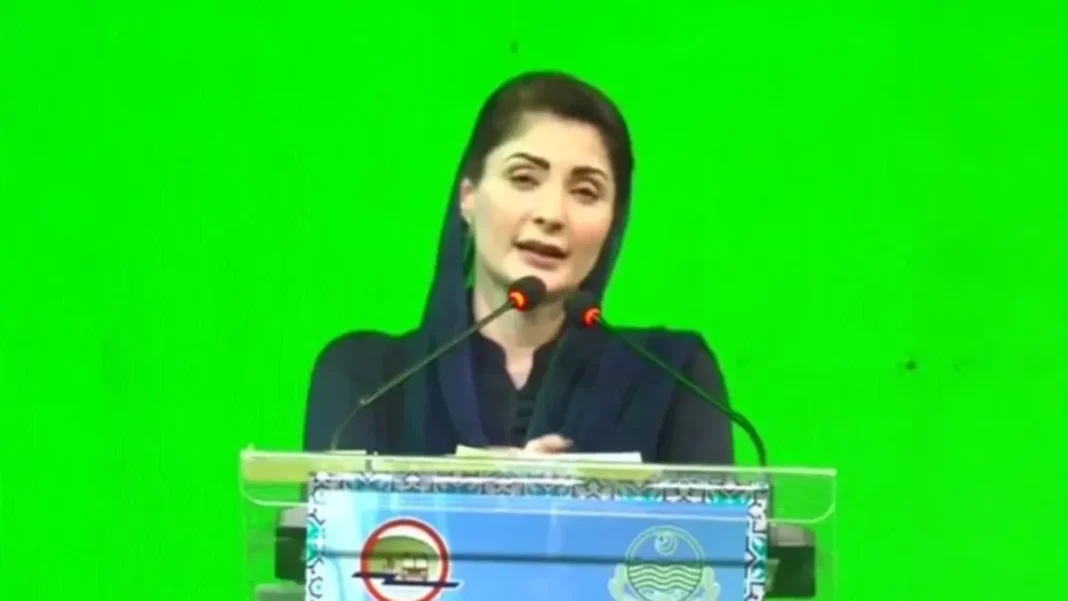
Punjab Chief Minister Maryam Nawaz has announced the province’s first Apna Kisan Bank, along with subsidised agricultural loans worth Rs17 billion and an increase in financing under the Kisan Card scheme. She made the announcements on Wednesday during a meeting with representatives of small, medium and large farmers from across Punjab, dedicating her birthday to the farming community.
The package arrives just as wheat sowing season gathers pace, when farmers need cash for seed, fertiliser and diesel. It is also the provincial government’s latest attempt to cut farmers’ dependence on middlemen and informal lenders, who often charge far more than banks.
Apna Kisan Bank: what it will offer
Under the proposed financing structure, farmers will be offered loans of up to Rs10 million at zero markup, loans of up to Rs30 million at 2 per cent interest and loans of up to Rs50 million at 5 per cent interest through the Punjab Urban Unit.
The chief minister said the Rs17 billion in subsidised loans would benefit farmers cultivating around five million acres. The government has not yet published the bank’s full operating rules, including eligibility criteria, application process and repayment schedules, and those details will decide whether small farmers can actually access the cheapest loans.
The chief minister also announced an increase of Rs3,500 per acre in the Kisan Card loan limit for the purchase of diammonium phosphate (DAP) fertiliser, raising it from Rs30,000 to Rs33,500 per acre. She said the government would ensure implementation of the wheat support price of Rs4,500 per maund in coordination with the federal government.
The Kisan Card record so far
Ms Nawaz said more than one million small farmers are benefiting from the Kisan Card scheme, which has helped them access fertiliser, seeds and pesticides without having to depend on middlemen. Over the past two years, she said, farmers have received Rs400 billion through the scheme.
The chief minister said the government had resisted pressure to impose agricultural income tax on farmers and was committed to protecting their interests. Digitalisation, she added, has improved transparency in the disbursement of loans, and loan recovery has remained close to 100 per cent.
On mechanisation, she said 25,000 tractors have already been provided on subsidy, while the Green Tractor Scheme would be expanded. She said Rs70 billion has been allocated for high-tech agricultural mechanisation, adding that the initiative is encouraging local production of tractors ranging from 85 to 100 horsepower.
She also announced plans to establish agro-parks in Sargodha, Bhakkar, Khanewal and Okara to improve returns for farmers. Processing facilities for grading and storing mangoes, kinnows, oranges and potatoes are being developed to promote value addition and exports, and Punjab would seek to export value-added products, including pasta, following an increase in wheat production.
Why the timing matters
Wheat is Pakistan’s staple crop, and the support price is one of the most closely watched numbers in rural Punjab. Feature Pakistan has already reported that the wheat indicative price for 2027 is Rs4,500 per maund, and the government has been acting against hoarding as wheat prices rose, as covered in Dar orders action on wheat prices.
The Kisan Bank announcement sits inside that larger wheat story. A support price only helps if farmers can afford inputs at sowing time, and if procurement actually happens at the announced price at harvest. Cheap credit addresses the first half of that problem. The second half will be tested in the spring, when the crop comes in.
An imported wheat cargo reached Karachi port in October, a reminder that domestic supply remains tight. If the new bank and the higher Kisan Card limit help farmers plant more wheat, the province could reduce its dependence on imports. If the loans are slow to arrive, or reach only larger growers, the benefit will be far smaller.
Frequently asked questions
What is the Apna Kisan Bank?
It is Punjab’s first dedicated farmers’ bank, announced by Chief Minister Maryam Nawaz, offering subsidised agricultural loans through the Punjab Urban Unit.
How much can farmers borrow?
Loans of up to Rs10 million will carry zero markup, loans of up to Rs30 million will be charged 2 per cent interest, and loans of up to Rs50 million will be charged 5 per cent.
What changed under the Kisan Card?
The per-acre loan limit for buying DAP fertiliser rose by Rs3,500, from Rs30,000 to Rs33,500 per acre.