Pakistan, Germany Agree to Boost Trade Under GSP Plus
Pakistan and Germany have agreed to expand bilateral trade and investment, with both sides stressing the pivotal role of the GSP Plus framework in giving Pakistan access to European markets while resolving export-related challenges.
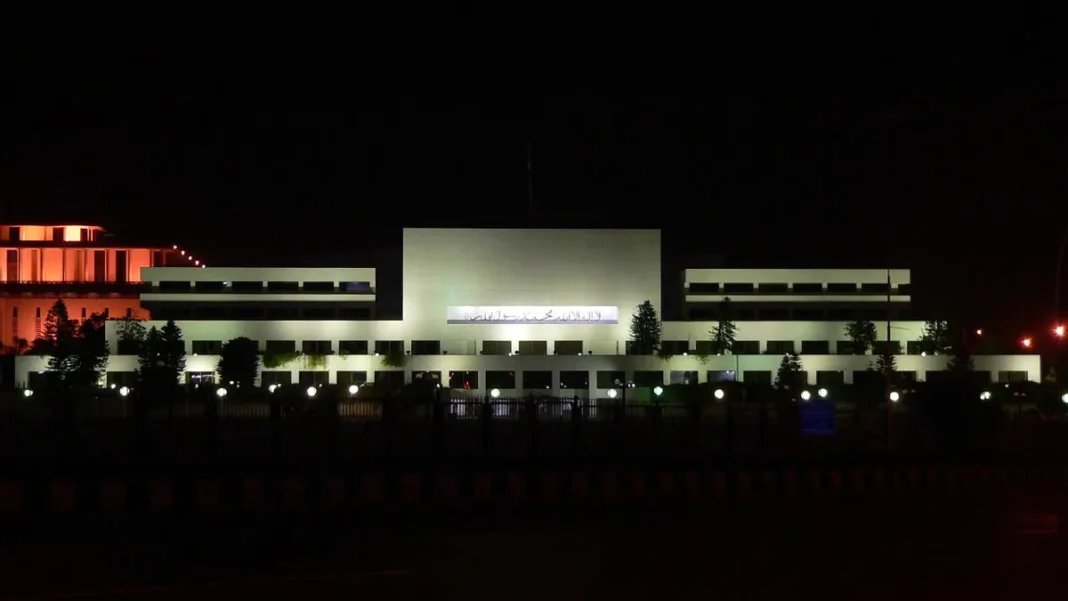
The understanding came during a meeting of the Pakistan-Germany Parliamentary Friendship Group in Islamabad. The two sides reviewed strategies to overcome regulatory bottlenecks and accelerate commercial ties, and they also discussed academic collaboration, student scholarships and cultural exchanges, alongside a mutual commitment to advancing women’s empowerment and entrepreneurship.
Who attended the meeting
Convener of the group and Deputy Speaker of the National Assembly, Syed Ghulam Mustafa Shah, led the Pakistani side, while the German ambassador represented his country. The meeting was attended by MNAs Mohammad Ilyas Choudhary, Mohammad Riaz Fatyana, Dr Shahida Rehmani and Ms Natasha Daultana.
Mr Shah reaffirmed the longstanding friendly relations between Pakistan and Germany, highlighting the significance of the 75th anniversary of diplomatic relations in 2026. He emphasised strengthening parliamentary exchanges and expressed hope for the establishment of a counterpart Friendship Group in the German Bundestag.
The ambassador appreciated Pakistan’s commitment to parliamentary diplomacy and reaffirmed Germany’s cooperation in development, climate change, renewable energy, vocational training and skills development.
Why GSP Plus matters for Pakistan
GSP Plus is the European Union’s special incentive arrangement for sustainable development and good governance. In practical terms, it gives Pakistan duty-free access to EU markets for most of its exports, in return for commitments on human rights, labour rights, environmental protection and good governance.
That access matters enormously for Pakistan’s economy. Textiles and clothing dominate the country’s exports to Europe, and Germany is one of the largest EU economies and a major buyer. When exporters face regulatory bottlenecks, whether on product standards, certification or customs procedures, orders can be delayed or lost, and small exporters feel the pinch first.
Parliamentary friendship groups do not set tariffs or sign trade deals. Their value lies elsewhere: they keep a channel open between lawmakers, flag problems before they become disputes, and build the political goodwill that trade officials draw on in formal talks. A counterpart group in the Bundestag, as Mr Shah proposed, would give Pakistan a regular point of contact inside the German parliament itself.
A relationship already in motion
The meeting follows a busy period in Pakistan-Germany relations. President Asif Ali Zardari recently undertook a trade-focused visit to Germany, as reported in President Zardari begins three-day Germany visit for trade-focused talks. The parliamentary talks build on that diplomatic groundwork, shifting the focus from headline visits to the practical work of making trade easier.
Germany’s offer of cooperation in vocational training and skills development also fits Pakistan’s needs. The country has a young workforce, but employers often complain that graduates lack job-ready skills. German-style vocational training, with its mix of classroom learning and workplace practice, is frequently cited by Pakistani policymakers as a model worth adapting.
For now, the meeting produced no new agreement or figure. Its test will be whether the regulatory bottlenecks it identified are actually cleared, and whether Pakistani exporters find it easier to sell into Germany and the wider EU market in the months ahead.
Frequently asked questions
What is GSP Plus?
GSP Plus is an EU scheme that gives Pakistan duty-free access to European markets for most exports, in return for commitments on human rights, labour rights, the environment and good governance.
What did Pakistan and Germany agree?
The two sides agreed to expand bilateral trade and investment, resolve export-related challenges, strengthen parliamentary exchanges and cooperate on scholarships, culture, climate, renewable energy and vocational training.
Why is the 75th anniversary significant?
Pakistan and Germany mark 75 years of diplomatic relations in 2026, and both sides used the milestone to reaffirm friendly ties and push for deeper commercial and parliamentary links.
Does this meeting change tariffs?
No. Parliamentary friendship groups do not set tariffs. They build political links and flag trade problems for the officials who handle formal negotiations.