Pakistan Doctors Strike Over FBR Tax Demands
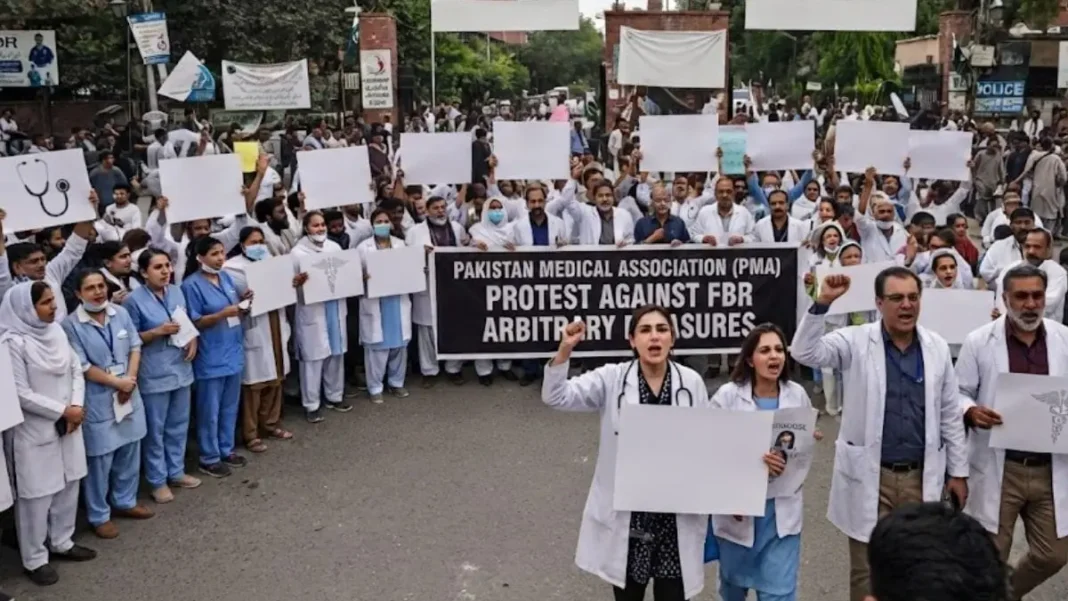
Pakistan doctors strike action began on Monday, November 2, 2026, as the Pakistan Medical Association (PMA) suspended outpatient department (OPD) services at public and private hospitals across the country. Private clinics also closed as part of the two-day protest.
Emergency departments stayed open throughout the protest. Hospitals continued to treat patients who needed urgent medical care, while routine outpatient appointments were suspended.
The PMA said doctors across Pakistan had unanimously adopted a resolution supporting the shutdown on October 29. PMA Karachi said the association’s central leadership had directed the action, and the Karachi chapter confirmed the suspension applied in Karachi as well as nationwide.
Pakistan doctors strike: the four grievances
The association listed four concerns behind the protest. First, it objected to what it called unjustified first information reports (FIRs) registered against doctors. Second, it pointed to legal complications and proceedings involving medical professionals.
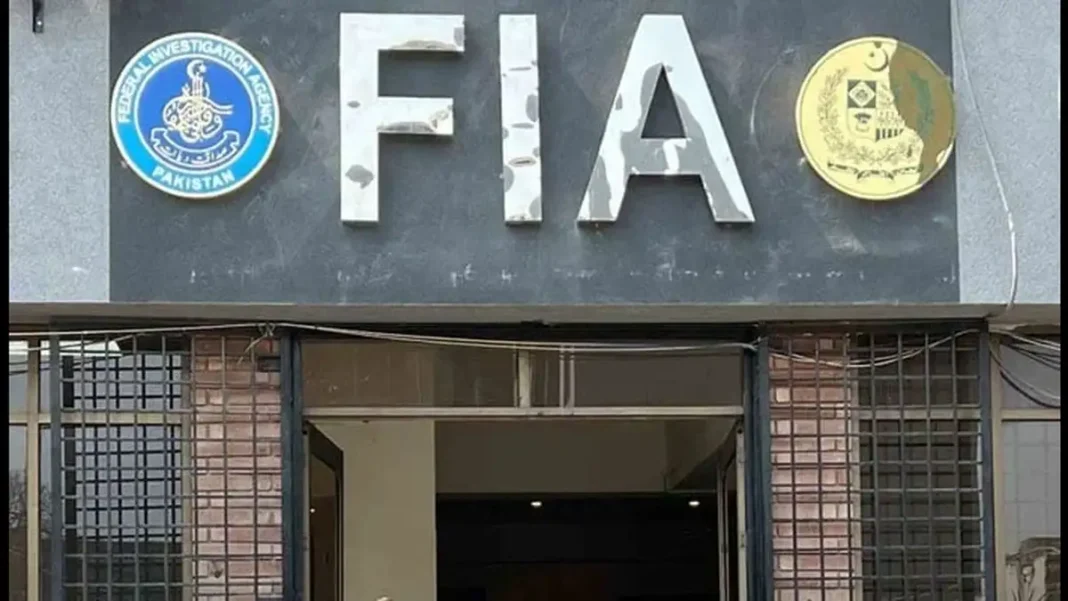
Third, the PMA alleged humiliation and harassment of doctors. Fourth, it opposed the Federal Board of Revenue’s (FBR) compulsory point-of-sale (POS) system, which requires certain businesses and professionals to record sales through FBR-linked systems.
In a joint statement, PMA Karachi President Dr Muhammad Ismail Memon and General Secretary Dr Shahid Ibrahim MAMSA stressed the need to safeguard doctors’ dignity. They also called for the protection of doctors’ professional independence and legitimate rights.
The association urged doctors, healthcare institutions and professional organisations to back the collective decision. It also asked them to help implement the two-day shutdown effectively.
What stays open, and what does not
Routine OPD services and private clinics closed for the protest. Emergency facilities continued to operate, so patients who required immediate treatment could still reach care.
That distinction matters for patients planning a hospital visit during the shutdown. A routine check-up or follow-up appointment falls under the suspended services, while a medical emergency remains covered by emergency departments.
No separate list of exempt services beyond emergency care was set out in the material reviewed. Patients with non-urgent appointments should expect delays and check with their hospital before travelling.
Why the FBR point-of-sale issue matters here
The point-of-sale dispute sits at the centre of this protest, alongside the FIR and harassment claims. The FBR uses point-of-sale integration to record transactions and widen the tax net, and doctors argue that compulsory implementation creates practical and professional problems for clinics and hospitals.
The protest also comes at a time when FBR revenue collection is under close watch. Feature Pakistan has reported an FBR revenue shortfall of Rs96 billion in four months and a separate FBR tax shortfall reaching Rs124 billion for July to October. Those figures do not, on their own, explain the doctors’ grievances, but they show why tax enforcement remains a sensitive subject for professionals and for the revenue authority alike.
The strike is a protest about how tax rules are applied to medical practice, not a dispute about whether doctors should pay tax. The PMA frames its case as one of dignity, due process and workable implementation, and it has kept emergency care outside the protest.
What happens next
The shutdown is a two-day action, so routine services face disruption beyond Monday unless the PMA and the authorities reach an understanding. No settlement had been reported in the material reviewed for this report.
Doctors, hospitals and patients will watch for three things: any response from the FBR on the point-of-sale requirement, any move on the FIR and harassment complaints, and whether the PMA extends, ends or changes the protest after the two days.
Related Feature Pakistan coverage includes the FBR revenue shortfall report and the July to October tax shortfall report.
Frequently asked questions
Why are doctors on strike in Pakistan?
Pakistan doctors strike action follows a PMA decision over FIRs against doctors, legal complications, alleged harassment, and the FBR’s compulsory point-of-sale system. The association says these issues affect doctors’ dignity and professional independence.
How long will the doctors’ strike last?
The PMA announced a two-day suspension of OPD services at public and private hospitals, along with a shutdown of private clinics nationwide.
Are emergency services open during the strike?
Yes. Emergency departments remain open throughout the protest, and hospitals continue to treat patients who need urgent medical care.
Which services are closed during the strike?
Routine outpatient department services at public and private hospitals are suspended, and private clinics are closed. Patients with routine appointments should check with their hospital before travelling.
When did doctors agree to the strike?
Doctors nationwide unanimously adopted a resolution supporting the decision on October 29, according to PMA Karachi, and the central leadership then directed the shutdown.