FIA Arrests Man for Selling Fake Umrah Visas
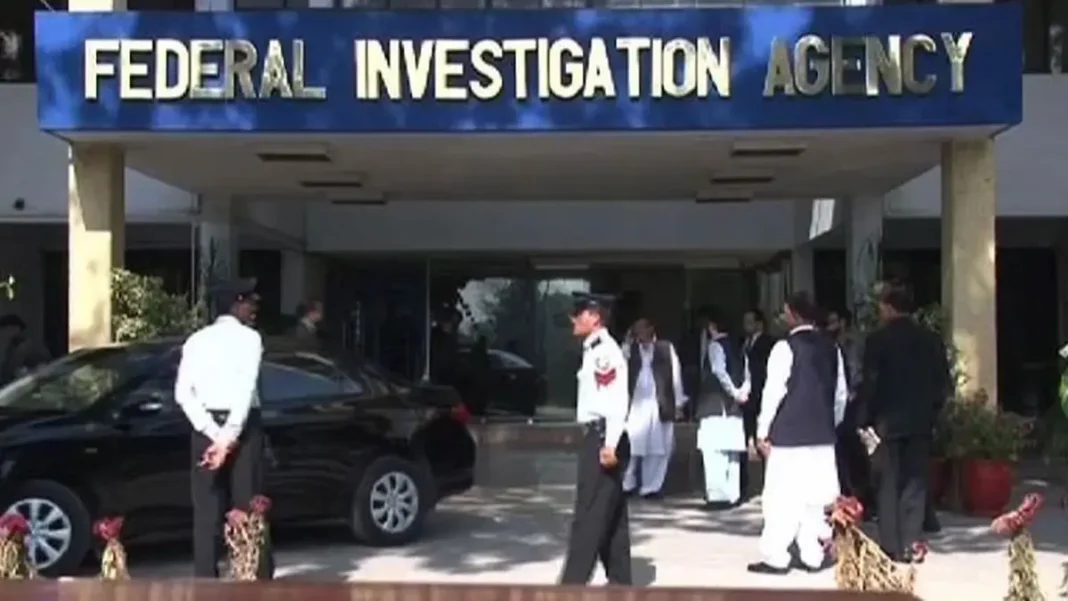
The Federal Investigation Agency (FIA) has arrested a man accused of selling fake Umrah visas and defrauding 49 people of approximately Rs7 million.
The FIA’s Anti-Human Trafficking Circle (AHTC) in Karachi identified the suspect as Ishtiaq Ali, who was associated with M/S Karwan-e-Safar Travel and Tours. According to the agency, Ali collected around Rs7 million from 49 people but failed to provide the promised Umrah services. Instead, he allegedly issued fake airline tickets and hotel vouchers. ProPakistani reported the arrest on Thursday.
The FIA said it registered a case against him under Sections 406, 420 and 109 of the Pakistan Penal Code, which deal with criminal breach of trust, cheating and abetment. At about Rs143,000 per person on average, the sums involved were large enough to cover a full Umrah package for a family, which is why the victims paid up front and only found out later that their documents were fake.
Second arrest in a 2014 trafficking case
In a separate operation, the agency arrested Shahzad Baloch, who was wanted in a human trafficking and visa fraud case registered in 2014. The FIA said Baloch was named in the case’s first information report (FIR) and had been declared a proclaimed offender by a court after repeatedly failing to appear in legal proceedings.
The agency said Baloch was part of an alleged human trafficking and visa fraud network involved in sending Pakistani citizens to the UAE through fake visas for money. His arrest, more than a decade after the case was registered, shows how long these networks can keep operating while their cases move slowly through the courts.
How the fake Umrah visas fraud worked
The pattern in this case matches a familiar one. An agent promises Umrah visas, tickets and hotel bookings, collects full payment in advance, and then hands over documents that look genuine but do not exist in any official system. The victim only discovers the fraud at the airport, at check-in, or when the visa is verified.
Travellers can protect themselves by checking a few basic points before paying. Umrah visas can be verified through the Saudi visa platform, and airline tickets can be checked directly with the airline using the booking reference. A travel agent should be registered, and payment should come with a proper receipt that names the services in full. Anyone asked to pay in cash, without paperwork, should treat that as a warning sign.
Part of a wider FIA crackdown
The arrests are part of a wider FIA drive against visa fraud and human trafficking. Only last week, the FIA’s Multan zone arrested seven suspects in separate cases involving alleged visa fraud, illegal issuance of Pakistani identity cards to Afghan nationals and embezzlement of imported wheat. In one of those cases, a suspect from Khanewal allegedly received Rs1.891 million from a complainant on the pretext of arranging Umrah visas for his family, but provided fake visas.
The FIA has also been acting at airports. In a separate case this week, the agency booked 12 Pakistanis deported from Libya in a human trafficking case, after agents allegedly lured them with promises of overseas jobs and sent them to Libya through Dubai and Egypt on visit and Umrah visas, with plans to smuggle them to Italy by boat.
The scale of the problem is visible in the courts as well. The Lahore High Court recently ruled on a case involving the FIA and wilful default, which shows how often the agency’s work now reaches the higher judiciary. For travellers, the lesson is simple: the FIA keeps catching agents after the money is gone, so the check has to happen before payment, not after.
Air travel itself has been under strain this week. Bomb threats forced flights to land across Europe, and PIA plans to resume Karachi to London flights in March 2027. With more Pakistanis travelling, the number of people exposed to travel fraud is only likely to grow.
Frequently asked questions
Who was arrested for selling fake Umrah visas?
Ishtiaq Ali, associated with M/S Karwan-e-Safar Travel and Tours, was arrested by the FIA’s Anti-Human Trafficking Circle in Karachi.
How much money was involved?
About Rs7 million collected from 49 people, or roughly Rs143,000 per person on average.
What charges has the FIA registered?
A case under Sections 406, 420 and 109 of the Pakistan Penal Code, covering criminal breach of trust, cheating and abetment.
Who else was arrested?
Shahzad Baloch, wanted in a human trafficking and visa fraud case registered in 2014, who had been declared a proclaimed offender after failing to appear in court.