Grid Failure Adds Rs400bn to Electricity Bills
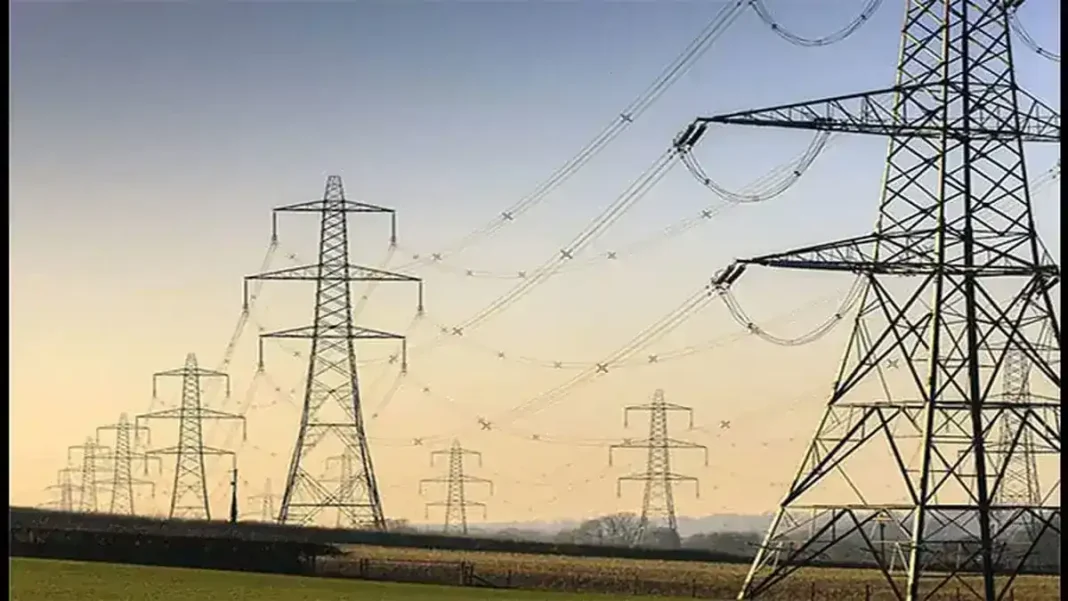
Pakistan’s electricity bills carry billions of rupees in extra costs because the National Grid Company (NGC), formerly NTDC, has failed to move cheaper electricity from Sindh and the south to major consumption centres in the north.
Transmission hurdles force reliance on expensive RLNG and imported coal, while cheaper Thar coal, nuclear and wind stay underused. At a NEPRA hearing on the June 2026 fuel cost adjustment, transmission constraints were reported to impose an annual burden exceeding Rs400 billion, or about Rs3.07 per unit.
Electricity bills carry the cost of the bottleneck
The Federation of Pakistan Chambers of Commerce and Industry (FPCCI) has questioned the proposed calendar year 2027 Power Purchase Price Reference and demanded accountability for transmission-related inefficiencies.
Responding to the Central Power Purchasing Agency’s petition, the body warned consumers should not absorb the cost of a network that cannot deliver cheaper electricity.
The FPCCI also raised concerns about the proposed increase in fixed charges, particularly capacity payments, arguing the extra revenue could sustain high salaries, perks and expenses of senior executives. It further cautioned that a proposed cut in variable charges could mislead consumers about lower tariffs while shifting more of the burden onto them through higher fixed charges.
ProPakistani reported the FPCCI warning on Thursday, as the regulator examined the price reference that will shape consumer tariffs from January 2027.
Industry asks NEPRA to summon the grid company chief
The FPCCI objections go further than criticism. In written objections submitted to Registrar NEPRA, FPCCI representative Rehan Javed asked the regulator to summon the Managing Director of the National Grid Company at its 3 November hearing on the proposed power purchase price for calendar year 2027.
Business Recorder reported the objections on 2 November. Javed challenged CPPA-Guaranteed’s proposed 2027 reference of Rs27.309 per unit against the existing approved rate of Rs25.32 per unit, an increase of Rs1.989 per unit worth about Rs366 billion. He argued the reference should not be set until NGC quantifies the losses caused by north-south transmission constraints and other grid limits. The north-south constraint alone costs the power sector more than Rs400 billion a year, or about Rs3.07 per unit, as disclosed at NEPRA’s hearing on 29 July 2026.
Javed also noted CPPA-G had cut assumed north-south transfer capacity from 5,000 to 4,800 megawatts without explanation after Lahore North was commissioned. He demanded an NGC assessment, including actual transfer against assumed capacity, energy curtailed and capacity payments to underused plants, plus firm dates for Lahore North and Matiari. He urged NEPRA to hold the 2027 reference at Rs25.32 per unit.
Cheaper Thar coal could replace expensive RLNG
In June 2026, RLNG-based electricity cost Rs35.5087 per unit, against Rs11.4629 for Thar coal and Rs2.8501 for nuclear power. Replacing RLNG generation with Thar coal could therefore reduce fuel costs by about Rs24 per unit. That gap is the clearest measure of what the bottleneck costs consumers: power that could be generated cheaply in the south cannot reach the north, so the system burns expensive imported fuel instead.
The scale is large. Feature Pakistan reported in October that CPPA-G projects total power purchase cost of Rs3.552 trillion under its base case for 2027, against sales of 130,081 gigawatt hours. The ideal case is Rs25.883; the two worst cases are Rs28.835 and Rs29.255.
What it means for consumers
For households and businesses, this is not abstract. The price reference set now will feed into consumer-end tariffs from 1 January 2027, and the reforms to end uniform tariffs for distribution companies will change how those tariffs vary by region. Winter electricity bills are already expected to rise on fuel adjustments, and relief for consumers using up to 250 units has been debated in the Senate. OGRA has already raised RLNG prices for October, by up to 15.27 per cent. Each stacks onto the same household bill, and a price reference baking in Rs400 billion of avoidable transmission cost would make those bills harder still.
Frequently asked questions
How much do transmission constraints add to electricity bills?
Over Rs400 billion a year, or about Rs3.07 per unit.
Why is cheap electricity not reaching northern Pakistan?
The grid company has failed to move cheaper southern electricity north, so the system relies on expensive RLNG and imported coal while Thar coal, nuclear and wind stay underused.
What has the FPCCI asked NEPRA to do?
Rehan Javed asked NEPRA to summon the National Grid Company chief at the 3 November hearing and to hold the 2027 price reference at Rs25.32 per unit until NGC quantifies the losses.
How much cheaper is Thar coal than RLNG?
In June 2026, RLNG cost Rs35.5087 per unit, against Rs11.4629 for Thar coal and Rs2.8501 for nuclear, so replacing RLNG with Thar coal could cut fuel costs by about Rs24.