Houthis Deny Targeting Madina After Saudi Claim
Yemen’s Houthi movement has denied targeting Saudi Arabia’s Madina region, hours after the Saudi-led coalition said its air defences had intercepted a ballistic missile fired towards the area.
Houthi military spokesperson Yahya Saree rejected the claim on Thursday evening, saying the group only targets military and oil facilities. He described the Saudi claim as a continuation of great and immense lies against Muslims, and the group called the accusation a blatant and grave falsehood.
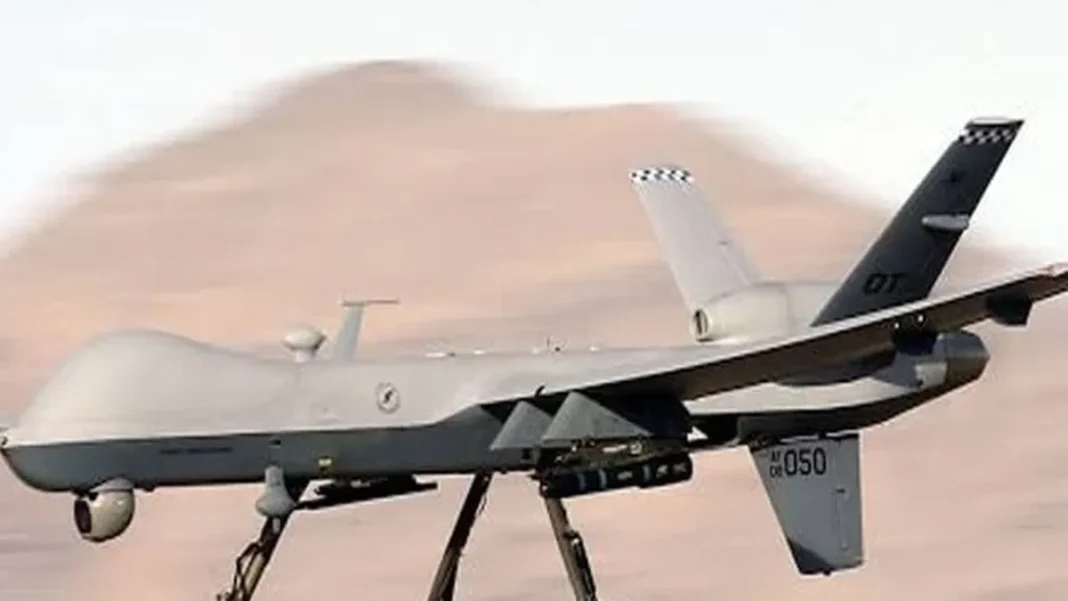
The denial came after a day of conflicting claims. The coalition’s spokesman, Major General Turki al-Malki, said in a post on X that air defence had intercepted and destroyed a ballistic missile launched by the Houthi militia towards the Madina region. The announcement came minutes after the kingdom’s civil defence agency warned of potential danger in the area near the strategic Red Sea port of Yanbu. It was unclear whether the two events were connected.
Why the Houthis deny targeting Madina
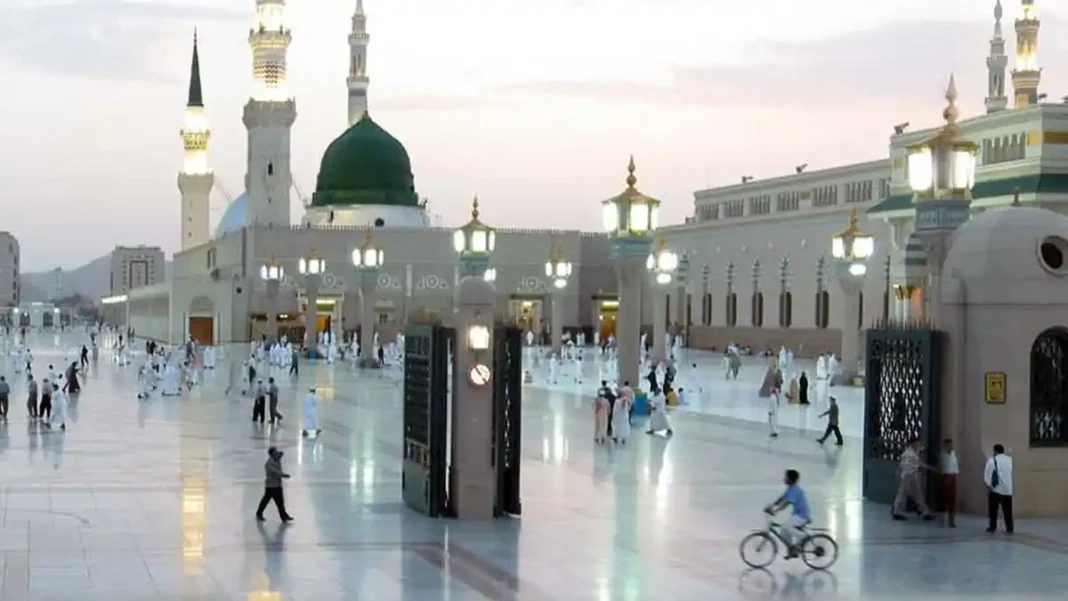
Madina is home to the Prophet’s Mosque and is one of Islam’s two holiest cities, alongside Makkah. The coalition’s statement referred to the wider Madina region and did not say whether the missile was headed towards the city itself.
That distinction matters. A missile aimed at the holy city would be a major escalation, while a claim about the wider region is a different matter. Neither side has produced evidence the public can check: the coalition has not shown debris or a launch site, and the Houthis have not shown proof that no missile was fired.
The Houthis have repeatedly said their forces would not target the holy cities of Makkah or Madina. They have made the same denial before. On October 31, the group denied launching a drone towards Madina after the coalition reported intercepting one over the region. On October 30, the coalition reported intercepting Houthi drones in both the Medina and Mecca regions.
A wider war with a new front
The dispute comes as the Houthis have opened another front in the wider Middle East war, stepping up attacks on Saudi Arabia since the United States and Israel launched strikes on Iran on February 28.
Yanbu is the terminus of the East-West Pipeline, which lets Saudi oil bypass the Strait of Hormuz, so even warnings near the port feed into oil prices. Shipping through the strait has also been hit, with tankers and a tugboat catching fire in the strait this week.
Oil has now fallen for a fourth day on expectations that the US election results may reduce the risk of escalation, but each new incident pulls prices back up.
Pakistan’s stake in the dispute
Pakistan has a direct interest in what happens around the holy cities. Large numbers of Pakistanis travel to Saudi Arabia each year for Hajj and Umrah, so any threat to the city, real or claimed, is felt keenly by families with relatives travelling or living in the kingdom.
Deputy Prime Minister and Foreign Minister Ishaq Dar spoke by phone with his Omani counterpart on Thursday, and the two stressed continued dialogue and diplomatic engagement to promote regional peace. Dar also spoke with Saudi Foreign Minister Prince Faisal bin Farhan, and both sides underlined the importance of dialogue in promoting regional peace and stability.
The United States has imposed sanctions on Indian companies over the Iran shadow fleet, while Pakistan and the UK have agreed to deepen cooperation in security, trade and migration.
For now, the facts are narrow: the coalition says it intercepted a missile, the Houthis say they fired no missile at Madina, and no independent evidence has been published. What is certain is that the dispute has added another flashpoint to a war that is already pulling in the region’s governments, its oil markets and its pilgrims. Dawn reported the denial in its live coverage on Thursday.
Frequently asked questions
What did Saudi Arabia claim on Thursday?
The Saudi-led coalition said its air defences intercepted and destroyed a ballistic missile launched by the Houthis towards the Madina region.
What did the Houthis say in response?
Houthi spokesperson Yahya Saree rejected the claim, saying the group’s operations target only oil facilities and military bases, not the holy cities.
Was the missile aimed at the city of Madina itself?
The coalition’s statement referred to the wider Madina region and did not say whether the missile was headed towards the city. No independent evidence has been published.
Has this happened before?
Yes. On October 31, the Houthis denied launching a drone towards Madina after the coalition reported an interception, and on October 30 the coalition reported intercepting drones in the Medina and Mecca regions.
Why does this matter for Pakistan?
Madina is one of Islam’s holiest cities and a centre for Hajj and Umrah travel by Pakistanis, and Pakistan’s foreign minister has been engaged in diplomatic calls with Saudi Arabia and Oman about the regional situation.