IMF Urges Pakistan to Broaden Tax Base for Growth
The International Monetary Fund on Thursday called on Pakistan to broaden tax base coverage and carry out deeper structural reforms, saying the country must move beyond stabilisation and towards lasting growth. The IMF’s Pakistan representative, Dr Mahir Binici, said the country needs a broader, simpler, fairer and more predictable tax system.
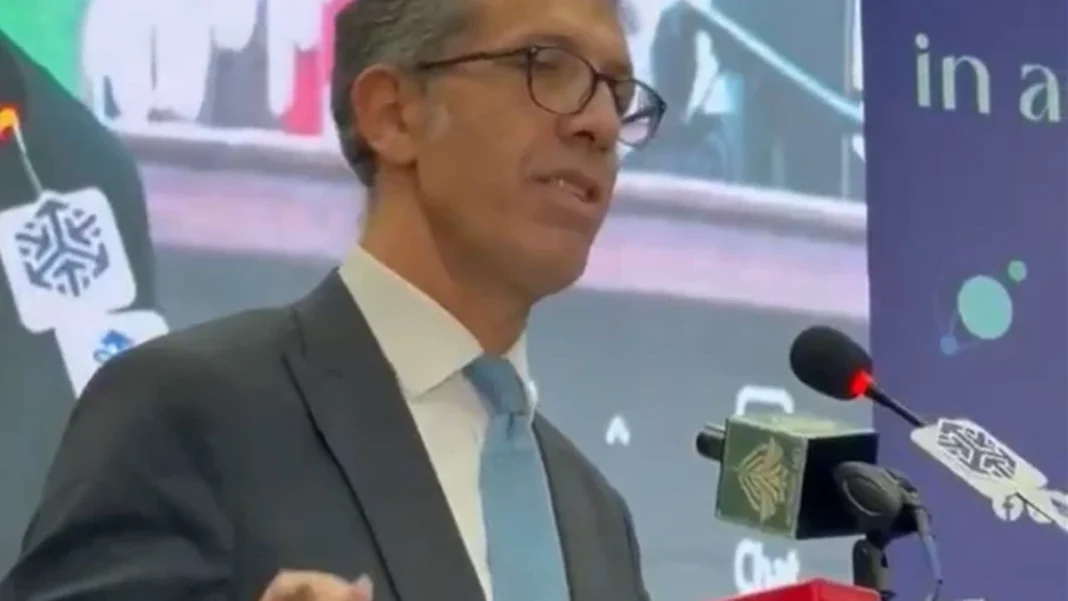
Speaking at the closing session of the SDPI’s 29th Sustainable Development Conference in Islamabad, Binici praised Pakistan’s efforts to hold the economy steady through global and domestic shocks. But he said the hard work so far must now be turned into investment, exports, jobs and better living standards.
“I think Pakistan has already done the hard work and, from this point forward, it is really about how to cement that stabilisation and where we are right now, and move towards a direction where we have more investment, activity and better jobs,” he said.
Broaden tax base to fund health, education and infrastructure
Binici said the Fund’s research shows that emerging economies like Pakistan need revenue of at least 15 per cent of GDP to run a strong state that can deliver services. Pakistan remains far below that level, he said.
“Our fund’s research has shown that countries like emerging developing economies like Pakistan need, at least, as a threshold, somewhere around 15 per cent of GDP in revenue so that they can actually have a strong, well-functioning state and capacity that can provide services and enable better living standards,” he said.
He set out five areas where Pakistan can lift its growth prospects: keeping the economy stable, using public money better, cutting the cost of doing business, building a tax system that supports growth, and strengthening governance. Fiscal discipline must be backed by price stability and by buffers against shocks such as the Middle East conflict, climate shocks and uncertainty over trade and tariffs.
Binici said spending on health and education had risen from about two per cent of GDP, and the aim is to lift it to between 2.8 and 3 per cent in the current fiscal year. “It is still, I think, far below our peers and what Pakistan needs, but there has been some gradual progress,” he said.
Provinces must raise more of their own revenue
Binici said revenue mobilisation cannot rest on federal taxes alone. He urged provincial governments to widen their own tax bases by bringing sales tax on services into line across provinces, and by taxing farm income and property more effectively.
He praised the authorities for completing a governance and corruption diagnostic and preparing a reform plan, saying governance, tariff policy and the cost of doing business are where Pakistan can win a large growth dividend.
The Fund has raised the same concerns before, flagging slow reform of state-owned enterprises, continued market intervention and gaps in budget transparency. IMF Regional Director Jihad Azour made a similar call last month, saying a fairer tax structure would help firms grow instead of staying small and informal.
Growth is rising, but the tax net stays narrow
Binici said growth is rising from two per cent to 3.5 per cent, Geo News reported, calling it a significant step. He said the IMF will keep working with Pakistan long term.
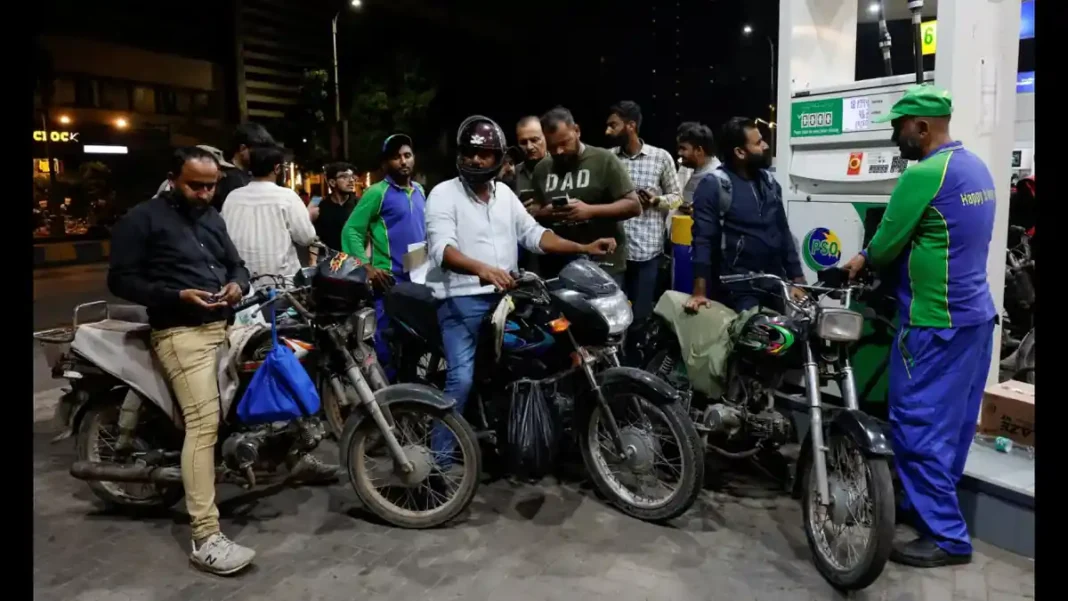
The stabilisation he praised is visible in recent figures. The State Bank’s foreign exchange reserves rose to $21.56 billion, and the stock market extended its rally as the KSE-100 gained 3,450 points. Petrol prices have now been cut four days in a row, easing costs for households and transporters.
Yet the tax system still lags behind. The Fund agreed in June to cut withholding tax rates for real estate, and it backed a scheme for traders that allows cash transactions. But by October 15, only 137 new retailers had joined that scheme, against a target of one million for the year.
The Federal Board of Revenue plans to scrap the super tax in phases, after cutting its rate by two percentage points. The test will be whether such plans turn into revenue for the schools, clinics and roads Binici described.
What did the IMF call for?
A broader, simpler, fairer and more predictable tax system, plus deeper reforms in governance, energy, tariffs and the cost of doing business.
How much revenue does Pakistan need?
Emerging economies like Pakistan need revenue of at least 15 per cent of GDP to run a strong state. Pakistan remains considerably below that level.
How fast is Pakistan’s economy growing?
Binici said growth is rising from two per cent to 3.5 per cent, describing the improvement as a significant step.
What are the five reform priorities?
Macroeconomic stability, better use of public money, a lower cost of doing business, a tax system that supports growth, and stronger governance.