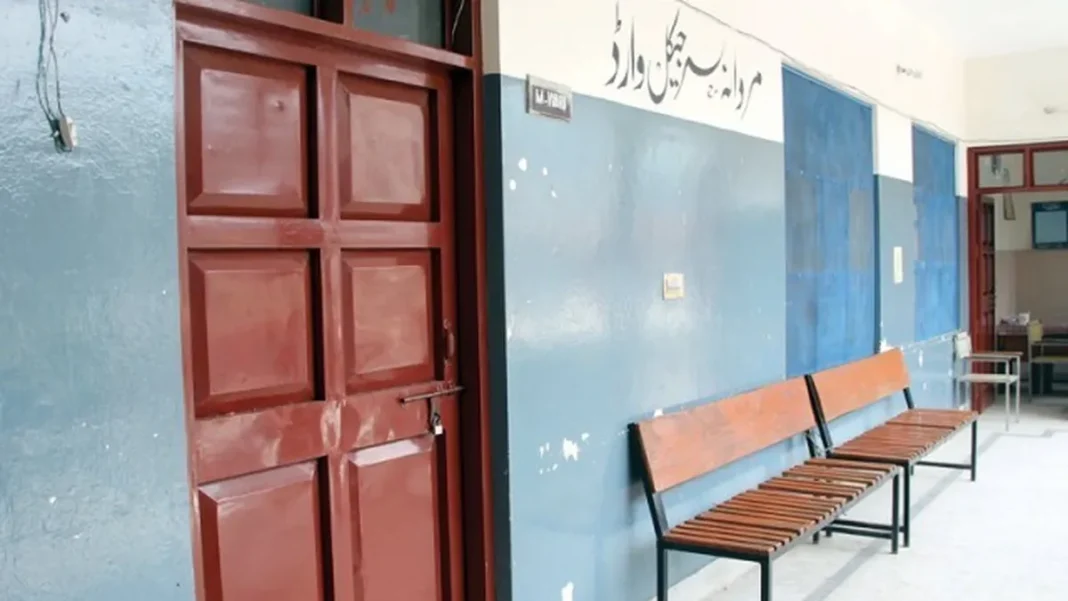
K-P hospitals still lack basic facilities, medicines and treatment, even after 13 years of Pakistan Tehreek-e-Insaf rule and several big healthcare initiatives in the province.
Residents say the reforms brought little change for ordinary patients, and they want the new administration to fix services rather than make fresh promises.
The PTI government brought in several health measures while in office: the Sehat Card programme, Boards of Governors in public hospitals and the Institution-Based Practice system. They were presented as ways to improve care and shore up hospital finances, but residents have asked how far ordinary patients actually benefited.
Why K-P hospitals are still struggling
Javed Khan, who lives in Gulberg in Peshawar Cantt, told The Express Tribune the poor had gained little from 13 years of PTI rule. He claimed public hospitals had been privatised to suit people close to the former ruling party, not to improve care for the public.
Khan also claimed billions of rupees had been embezzled through the Sehat Card, raising questions about how one of the former government’s flagship schemes was run. He said governor’s rule had raised hopes that the new administration would put public needs ahead of political pressure and interests.
He hoped the technocrats in the new administration would use their expertise to tackle the health sector’s longstanding problems. He said the public wanted service delivery first, so that people who cannot afford private treatment can still get care.
Abbas Khan, from Mardan, said district hospitals still lacked basic facilities despite years of government claims about better healthcare. He told The Express Tribune that patients with cancer and other serious illnesses still struggled to get treatment and medicines at public hospitals.
He said it was worst in remote districts and tribal areas such as Mohmand, Bajaur and Kurram, where basic healthcare was still inadequate and patients often had to travel far for treatment, a heavy burden on families with little money.
He added that the PTI had promised change again and again, yet roads and infrastructure across K-P, Peshawar in particular, were still in poor shape. The problems went beyond infrastructure, he said, since residents still struggled to get even basic healthcare.
Governor to discuss Sehat Card with health adviser
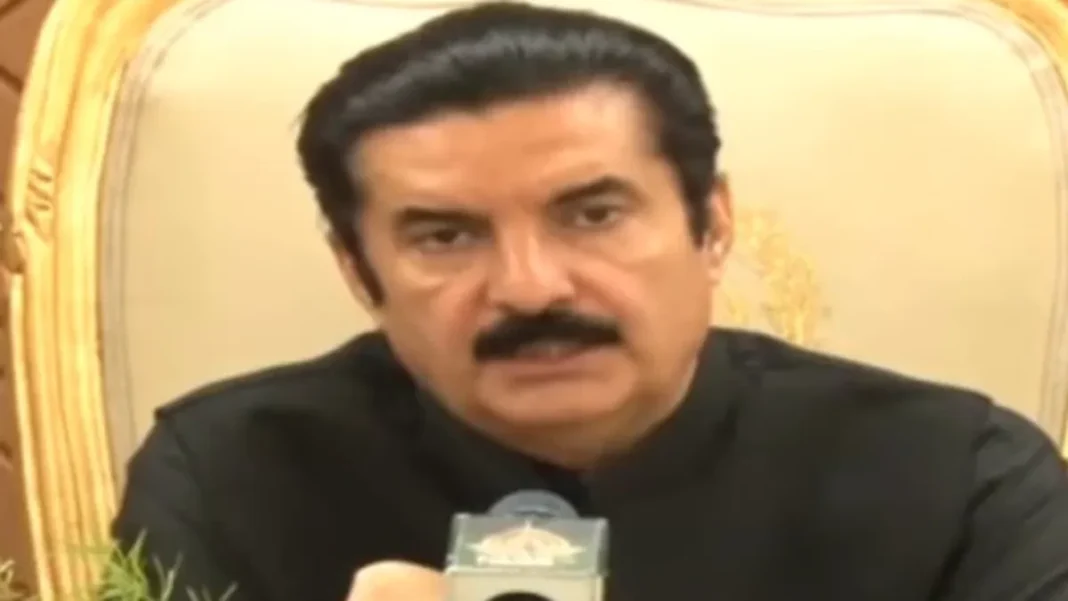
Governor Faisal Karim Kundi said he had received many complaints about the province’s healthcare system and would meet the health adviser to talk about hospital governance, the Sehat Card and better medical facilities.
Kundi promised to keep welfare initiatives going for the public, but said PTI’s 13 years in power had failed to build new hospitals or basic health units.
PTI provincial information secretary Shaukat Yousafzai hit back, pointing to hospital upgrades and the Sehat Card. He dismissed the corruption claims and challenged the government to show evidence, saying none had been produced.
The Express Tribune reported that residents and the governor both want a review of hospital governance and the Sehat Card.
A province under financial strain
The hospital crisis is part of a wider funding squeeze in Khyber-Pakhtunkhwa. K-P universities face a Rs5.6bn deficit, with 26 of 34 institutions in the red and a plea for an Rs18bn federal grant. The grant a student receives has fallen from Rs82,000 to Rs72,000, and fees have risen by 28 per cent.
The health department has also seen rapid turnover at the top. Momin Agha became the ninth health secretary in 19 months, a sign of the instability in the department that runs the hospitals.
Security is another pressure. K-P plans to spend Rs70bn on police and the CTD as part of its counterterrorism push, and Shehbaz briefed Nawaz on K-P security and the economy. Khyber Pakhtunkhwa and Gilgit-Baltistan have agreed to settle old boundary disputes through talks. In the merged districts, measles cases rose in South Waziristan, a reminder of how thin health services are in remote areas.
What happens next
The governor’s meeting with the health adviser will be the first test of whether the new administration acts on the complaints. Residents want a review of the Sehat Card and of hospital governance, and they want medicines and staff in district hospitals.
The PTI has challenged the government to produce evidence for the corruption claims. If the review finds wrongdoing, it will become a political issue. If it finds only mismanagement, the focus will shift to funding and staffing.
Either way, patients in Mardan, Mohmand, Bajaur and Kurram will judge the new administration by whether they can get treatment closer to home.
Frequently asked questions
Why are K-P hospitals still struggling?
Residents point to a lack of medicines, basic facilities and treatment in public hospitals, despite the Sehat Card, Boards of Governors and Institution-Based Practice brought in under PTI rule.
What is the Sehat Card?
The Sehat Card is a health insurance programme that covers treatment costs for families at public and some private hospitals. It was a flagship scheme of the former PTI government in Khyber-Pakhtunkhwa.
What has the governor promised?
He said he would meet the health adviser to talk about hospital governance, the Sehat Card and better medical facilities.
How did the PTI respond?
Shaukat Yousafzai, the PTI’s provincial information secretary, pointed to hospital upgrades and the Sehat Card, dismissed the corruption claims and challenged the government to show evidence.
Which areas are worst affected?
Residents say remote districts and tribal areas, including Mohmand, Bajaur and Kurram, have the weakest facilities, and patients often travel long distances for treatment.