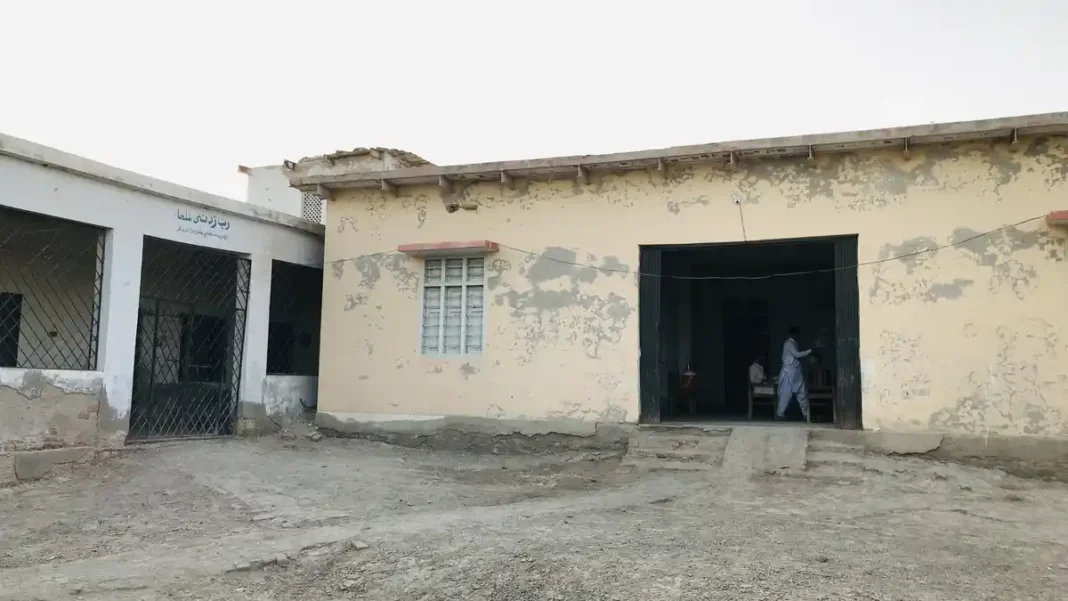
Sindh Schools Outsourced: 750 Go to Private Operators
The Sindh government has approved handing the management of 750 government schools to private operators on 10-year contracts, in a major expansion of public-private partnerships in the province’s education sector. Under the Sindh schools outsourced scheme, the schools will move to private management after a three-month preparatory period.
The decision was taken at the 53rd meeting of the Public-Private Partnership Policy Board, chaired by Chief Minister Murad Ali Shah. The board also approved plans to develop Keti Bandar as a maritime and economic hub, attract industrial investment to the Dhabeji Special Economic Zone and overhaul Sukkur’s water supply and sewerage system.
The Express Tribune reported that the schools will be handed over after a three-month preparatory period.
Sindh schools outsourced: which schools are included
The second phase of the scheme covers 750 schools: 453 under the Sindh Secondary Education Improvement Project, 295 under the Sindh Early Learning Enhancement through Classroom Transformation (SELECT) programme and two English-medium Peoples Schools.
The schools have a combined capacity of 345,940 students, while 188,852 are enrolled at present. That means just over half of the seats are filled, a gap the government will hope private management can help close.
What private operators will run
Under the contracts, private education management organisations will handle teachers’ salaries, non-teaching staff, administrative expenses, uniforms, stationery and other essential services. The government will provide financial support.
The board also approved a technical and financial evaluation committee and an open national competitive bidding process through the e-PADS platform, the government’s electronic procurement system.
Keti Bandar, Dhabeji and Sukkur
The meeting covered more than schools. The board approved a revised joint venture model for the Dhabeji Special Economic Zone, replacing the earlier build-operate-transfer arrangement. Under the new framework, the Sindh government, through the Sindh Economic Zones Management Company, will partner with private investors.
The government will contribute land and completed development works, while private partners will bring capital, technical expertise and investment. The zone covers about 1,171 acres, including 1,071 acres for industry and 100 acres for commercial use.
Sukkur’s drinking water project was also ordered by the chief minister, and the board approved an overhaul of the city’s water supply and sewerage infrastructure.
Why this matters for Sindh’s classrooms
Sindh has struggled for years with teacher shortages, low enrolment and schools that exist on paper but not in practice. Handing management to private operators is the government’s answer, and the three-month preparatory period suggests the handover will be gradual rather than instant.
Costs are part of the pressure on families. Education costs have risen sharply for young Pakistanis, and a school that works properly matters more than ever.
The model is not new in Pakistan. The Awam Express train service was outsourced to a private operator, and Sindh has tightened rules for school transport in recent months. But schools are a bigger test: they touch nearly 189,000 enrolled children, and the contracts run for a decade.
The open question is accountability. With the government paying and private operators running the schools, parents will want to know who answers when a teacher is absent or a classroom has no books. The bidding process and the evaluation committee will be the first test of whether the system is built to answer that.
Frequently asked questions
How many Sindh schools are being outsourced?
750 government schools, under 10-year contracts with private education management organisations.
Which schools are included?
453 schools under the Sindh Secondary Education Improvement Project, 295 under the SELECT programme and two English-medium Peoples Schools.
How many students do the schools serve?
The 750 schools have a combined capacity of 345,940 students, with 188,852 currently enrolled.
Who pays for teachers and running costs?
Private operators will handle salaries, staff, administration, uniforms and stationery, with financial support from the government.
What else did the board approve?
Plans for Keti Bandar as a maritime and economic hub, a revised joint venture model for the Dhabeji Special Economic Zone and an overhaul of Sukkur’s water supply and sewerage system.