Merged Districts Students Funding Crisis Puts 40,000 at Risk
The merged districts students funding crisis has put about 40,000 children at risk of losing their schooling, as the education programmes that serve them run out of money and hundreds of teachers go unpaid for months.
Education programmes run by the Merged Areas Education Foundation (MAEF) in the merged districts are facing financial and administrative difficulties, threatening the education of around 40,000 students and leaving hundreds of teachers without salaries.
The foundation runs Literacy for All, Basic Education Community Schools (BECS) and the National Commission for Human Development (NCHD). Sources said four projects had been dropped from the annual work plan despite approval, while new admissions under the scholarship programme were suspended.
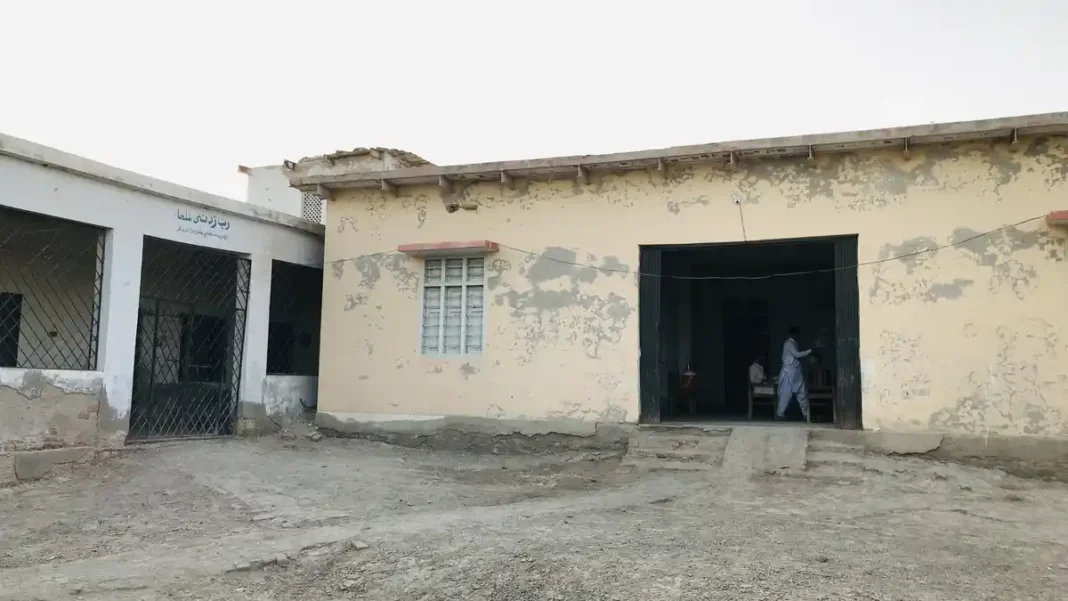
Merged districts students funding crisis hits 420 schools
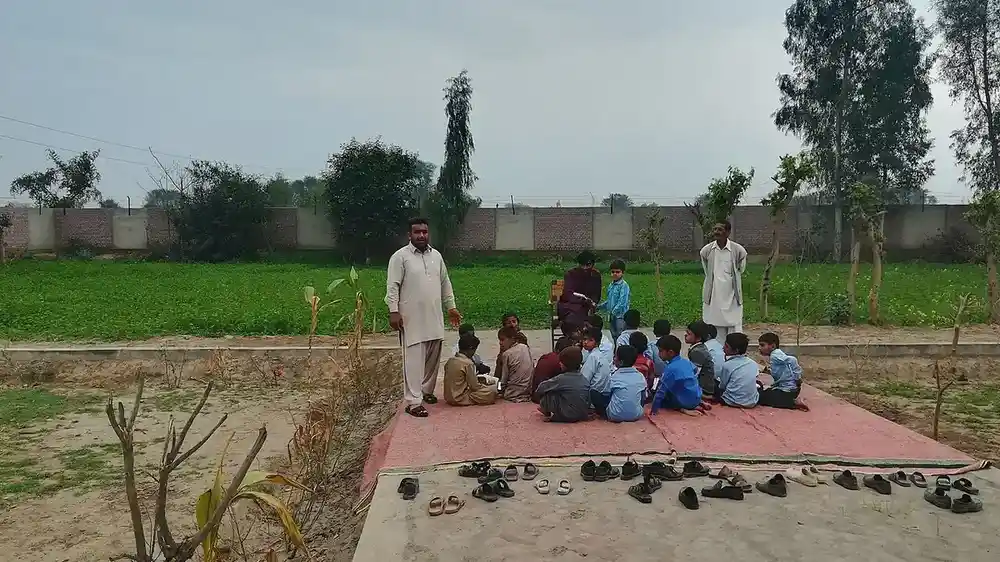
The foundation operates around 420 community schools in the merged districts, serving nearly 40,000 children. Disruptions or closures could hit students in remote areas hardest, since they have limited access to government schools.
Set up to improve literacy, enrol out-of-school children and expand access to education in militancy-hit areas, the foundation has run projects there for two decades. But its operations have been affected by administrative problems and alleged political interference over the past 14 months, sources said.
They alleged officials from other departments had been given key administrative posts through political influence, including teachers who had left teaching duties for administration. These appointments had affected the foundation’s performance and the continuity of its programmes, they added.
Sources attributed the prolonged salary delays to the expiry of project approval periods and a lack of funds. The original PC-I for the Literacy for All project expired on 30 June 2025, while those for BECS and NCHD ended on 30 June 2026.
Teachers unpaid for two and a half years
Noor Nawaz, a community school teacher, said he and around 200 colleagues had not received salaries for two and a half years but continued to teach despite financial hardship.
He said teachers were increasingly concerned following the imposition of governor’s rule and the declaration of an emergency in 12 districts. They remained uncertain about when their outstanding salaries would be paid and whether the education programmes would continue, he added.
The uncertainty is not limited to the merged districts. Universities across Khyber-Pakhtunkhwa face a combined deficit of Rs5.6 billion, and the province’s education system has already seen exams postponed in North Waziristan. The funding crisis in the community schools is part of a wider strain on education in the province.
Officials say approval is in final stages
Foundation officials said the Literacy for All teachers had been recruited in 2016 under an Annual Development Programme (ADP) project whose original PC-I expired on 30 June 2025.
A revised PC-I had gone to the Elementary and Secondary Education Department (ESED) and the Pre-Provincial Development Working Party (Pre-PDWP), and the Finance Department had issued revenue clearance, they said.
Approval of the revised PC-I was in its final stages before the Provincial Development Working Party (PDWP), they said, and outstanding salaries and dues would be paid once approval was granted and funds released.
Teachers had been paid up to December 2024, they said, but funds for later salaries had not been released despite repeated requests to ESED.
The officials rejected allegations of political interference and appointments against merit, saying all administrative matters were being handled under approved rules and regulations.
Why the crisis matters
The merged districts are the former tribal areas that joined Khyber-Pakhtunkhwa in 2018. Their schools were built to reach children in areas where militancy had closed classrooms and driven teachers away. Community schools, often the only school in a village, are the last link in that chain.
If 420 schools close, the children they serve have few options. Government schools are scarce in the remote valleys, and the loss would fall hardest on girls, who already face the steepest barriers to schooling in the region.
The contrast with the rest of the country is sharp. Sindh has handed 750 government schools to private operators under 10-year contracts, with funding and staffing settled in advance. In the merged districts, teachers who have worked without pay for two and a half years are still waiting for a revised approval to clear.
What happens next
The revised PC-I is now before the Provincial Development Working Party. If it is approved and funds are released, the outstanding salaries and dues will be paid, according to foundation officials.
But approval alone will not fix the underlying problem. The PC-I cycle has already lapsed twice, and each lapse has left teachers unpaid and programmes suspended. Unless the funding is put on a longer footing, the same crisis will return when the next approval period ends.
Frequently asked questions
How many students are affected by the funding crisis in the merged districts?
Around 40,000 students are at risk. The Merged Areas Education Foundation operates about 420 community schools in the merged districts, serving nearly 40,000 children.
Why have teachers in the merged districts not been paid?
Sources attributed the salary delays to the expiry of project approval periods and a lack of funds. The PC-I for Literacy for All expired on 30 June 2025, and those for BECS and NCHD ended on 30 June 2026.
How long have some teachers gone without salaries?
Community school teacher Noor Nawaz said he and around 200 colleagues had not received salaries for two and a half years but continued to teach despite financial hardship.
Which programmes does the Merged Areas Education Foundation run?
The foundation runs Literacy for All, Basic Education Community Schools (BECS) and the National Commission for Human Development (NCHD), serving children in militancy-hit areas.
When will the outstanding salaries be paid?
Foundation officials said approval of a revised PC-I is in its final stages before the Provincial Development Working Party, and outstanding salaries and dues will be paid once approval is granted and funds are released.