Pakistan Urges Gulf De-escalation at UN Security Council
Pakistan urged Gulf de-escalation at the UN Security Council on Friday, calling for an immediate end to military provocations as the United States, Iran and Gulf Arab states traded different accounts of attacks on shipping.
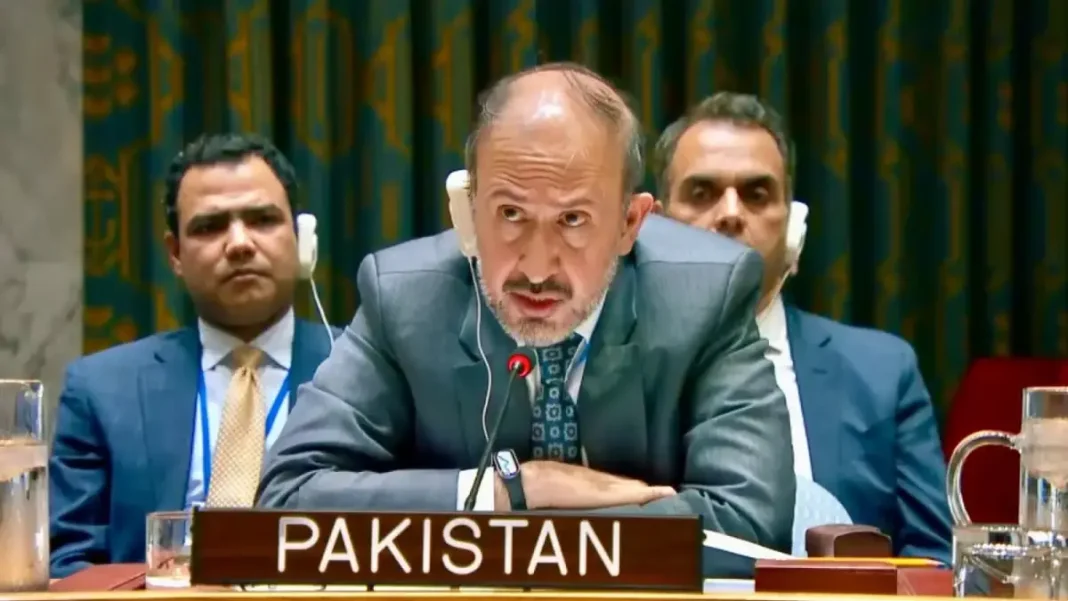
Pakistan’s Permanent Representative, Ambassador Syed Haider Shah, told the Council that attacks on Gulf countries must stop and regional diplomacy must resume. He condemned strikes on civilian sites and vessels, and called for respect for Gulf states’ sovereignty.
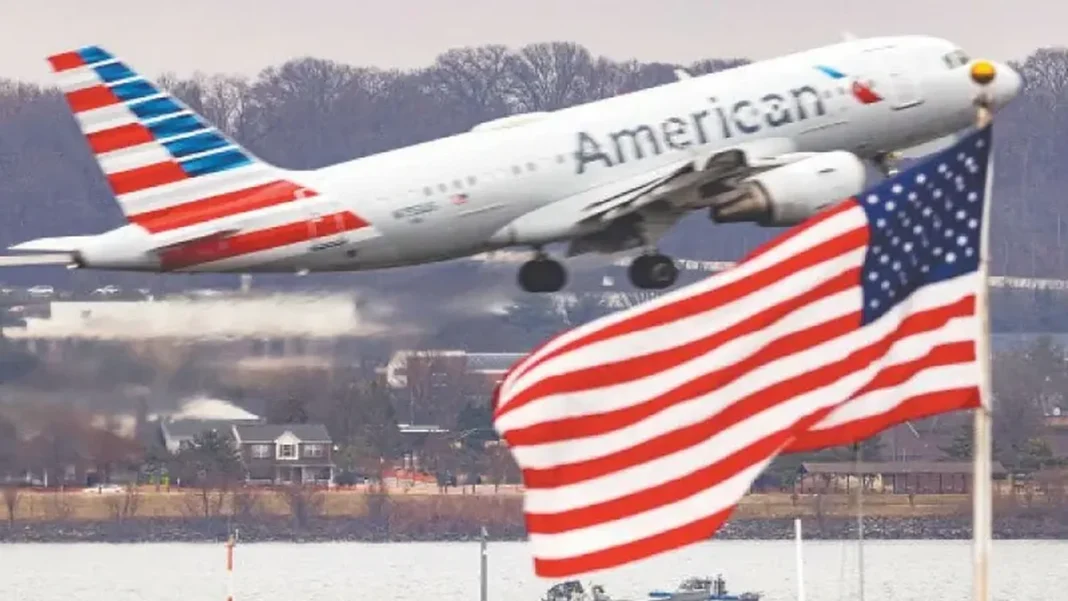
The debate showed how far apart the sides remain. Each side blamed the other for threats to shipping in the Strait of Hormuz and the Bab el-Mandab Strait.
Gulf de-escalation: Pakistan’s case at the Council
Ambassador Shah condemned Houthi attacks and threats against Saudi Arabia, including strikes on civilian sites and lawful trade vessels. He reaffirmed Pakistan’s support for the kingdom’s sovereignty, security and territorial integrity.
He warned that threats to shipping endangered seafarers, disrupted commerce and worsened energy and food insecurity in vulnerable economies. He called for the protection of vessels and crews, freedom of navigation and safe delivery of humanitarian supplies.
Lasting peace, he said, meant tackling the causes of regional conflicts through common security. He urged all parties to end attacks and back diplomatic efforts, including the UN secretary-general’s good offices.
US and Iran trade blame at the Council
The United States and Iran offered sharply contrasting accounts of the crisis, each blaming the other for the growing threats to maritime security.
Iranian Ambassador Gholamhossein Darzi accused Western members of ignoring the origins of the confrontation. He blamed what he called unprovoked wars by the United States and Israel on June 13, 2025, and February 28, 2026.
He said the attacks violated international law and hit the supreme leader, officials, nuclear scientists and civilian sites. He put the death toll at 5,000, including 254 children, and called the attacks war crimes.
“The insecurity surrounding the Strait of Hormuz is a direct consequence of these acts,” Ambassador Darzi said.
He rejected Resolution 2817 (2026) as politically motivated. Tehran had not closed the door to diplomacy, he said, but Washington must end its military actions and lift what he called unlawful coercive measures.
The US representative, Ambassador Jennifer Locetta, accused Iran of aggression against its neighbours and threats to international shipping. “The regime attacks its neighbors, fires on commercial ships, arms terrorist proxies, and defies this Council at every turn,” she said.
She said Tehran was defying the international community despite Resolution 2817, which had 136 co-sponsors. “Iran ignores this Council. It ignores the overwhelming opinion of the international community,” she said.
GCC cites 7,000 missiles and drones
GCC Secretary-General Jasem Mohamed Albudaiwi said Gulf countries had faced more than 7,000 Iranian missiles and drones since February 28, targeting airports, ports, oil and gas facilities, power stations, desalination plants and homes.
Speaking for the GCC, Bahrain’s Ambassador Jamal Fares Alrowaiei welcomed mediation efforts by Oman, Qatar and Pakistan. “The security of the GCC States is indivisible,” he said, insisting that Gulf countries must take part in any talks on regional security.
The debate centred on restoring freedom of navigation, protecting seafarers and ensuring humanitarian access.
Why it matters for Pakistan
Pakistan has deep stakes in the Gulf. Its citizens live and work across the region, its energy supplies move through the same shipping lanes now under threat, and any disruption in Hormuz feeds into fuel prices at home. Brent crude fell sharply this week as the US president signalled restraint.
Islamabad has also cast itself as a mediator. Pakistan helped broker a Tehran security dialogue in October, Defence Minister Khawaja Asif saw progress in the Tehran talks on the Gulf war, and officials under the Makkah Pact travelled to Tehran for de-escalation. The Makkah defence alliance is due to meet in Islamabad this month.
That role explains why Bahrain named Pakistan alongside Oman and Qatar as a welcome mediator at the Council.
Frequently asked questions
What did Pakistan ask for at the UN Security Council?
Pakistan called for an end to military provocations in the Gulf, protection of shipping and seafarers, and renewed regional diplomacy.
Who spoke for Pakistan at the meeting?
Pakistan’s Permanent Representative, Ambassador Syed Haider Shah, addressed the Council on Friday.
What did Iran say about the attacks?
Iran’s envoy blamed US and Israeli attacks in June 2025 and February 2026, put the death toll at 5,000, and rejected Resolution 2817.
What did the United States say?
The US envoy accused Iran of attacking neighbours, firing on ships and arming proxies, and said Tehran defied the Council despite 136 backers of Resolution 2817.
What did the GCC report?
The GCC chief said Gulf states faced more than 7,000 Iranian missiles and drones since February 28.