Lahore Fort Akbari Gate to Reopen After Nearly 200 Years
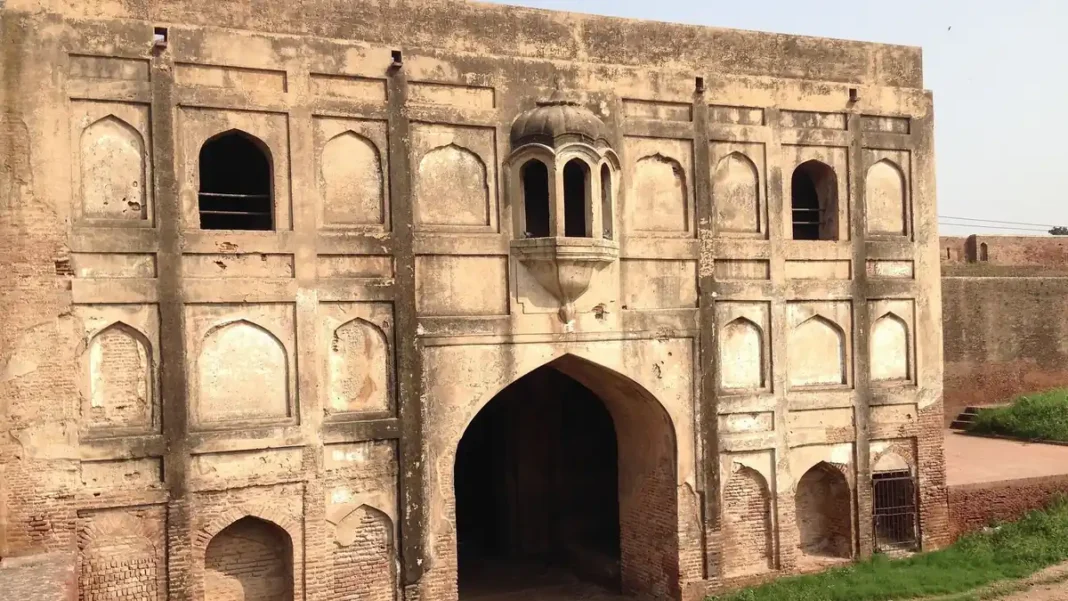
Lahore Fort’s historic Akbari Gate will open to the public in December, nearly 200 years after the British closed it, after a restoration project that began in 2023.
The gate has undergone restoration after remaining closed for nearly two centuries. Preparations are now under way to open it to tourists and the public in December this year. A soft launch ceremony at the fort earlier this month marked the completion of the restoration work.
Built during Mughal Emperor Akbar’s reign, the gate was closed under British rule. A restoration project launched in 2023 has restored its original architectural character and prepared the site for tourism and public activities.
The history of the Akbari Gate
The Akbari Gate stands on the eastern side of Lahore Fort. The Mughals built it to connect the Walled City with the royal complex. Residents, traders and royal delegations once used this entrance to reach the fort.
Director Conservation Wajahat Ali Khan said the gate formed part of the fort’s earliest structures. The complex later expanded from east to west, while later rulers added other entrances.
The British administration shut the Akbari Gate as part of its administrative policy and to assert its authority, Khan said. The closure lasted close to two centuries, through the rest of British rule and the decades after independence.
Lahore Fort is one of Pakistan’s most visited historic sites, and part of the Lahore Fort and Shalimar Gardens complex listed by UNESCO as a World Heritage Site. The gate’s reopening restores the fort’s original eastern entrance for the first time in living memory.
What the restoration uncovered
The Punjab Walled Cities and Heritage Areas Authority, the French Development Agency and Aga Khan Cultural Service Pakistan jointly completed the restoration project.
During the work, conservation teams removed plaster layers added during the Sikh and British periods. Beneath them, they discovered historic frescoes, including images of Hindu deities. The teams took special measures to preserve the paintings.
Project engineer Yasir Ali said the heavy wooden main gate had become jammed and misaligned after decades of disuse. Workers repaired it and restored its operation. They also built an access route and a slope to improve entry from the Rim Market side.
Meanwhile, excavation in the courtyard revealed an old drainage system. The project incorporated this discovery into the restoration work.
What visitors will find
Under the project, the building’s ground floor will house a ticketing cabin. The first floor will feature a gallery of historical photographs and documents. Plans also include a CCTV monitoring room.
Visitors will receive wheelchair access through a ramp, alongside parking facilities. The access route from the Rim Market side is designed to make the eastern entrance usable for the public for the first time in generations.
Lahore Fort in-charge Awais Raza said residents would be able to enter the fort through the historic route once the Akbari Gate opens in December. He added that efforts extend beyond preserving historic buildings. Work is also under way to adapt them for galleries, cafes and other public facilities.
For Lahore, the reopening adds a new way into its most famous monument, and a reason for residents to see the fort from the side their grandparents never entered. The city has been in the news this week for less welcome reasons, after Delhi overtook Lahore as the world’s most polluted city. A restored Mughal gate will not clear the air, but it gives the city something to show visitors when the skies clear.
The gate’s return also fits a wider push to open Punjab’s heritage to the public, alongside the province’s schools and civic projects, from matric exam schedules for 2027 to the ban on private events at public schools and the completion of the Lillah-Jhelum dual carriageway.
Frequently asked questions
When will the Akbari Gate open?
The gate will open to tourists and the public in December this year, after restoration work that began in 2023.
Why was the Akbari Gate closed?
The British administration shut the gate as part of its administrative policy and to assert its authority. It stayed closed for nearly 200 years.
Who restored the gate?
The Punjab Walled Cities and Heritage Areas Authority, the French Development Agency and Aga Khan Cultural Service Pakistan jointly completed the restoration.
What did the restoration uncover?
Workers found historic frescoes, including images of Hindu deities, beneath plaster layers added during the Sikh and British periods. They also found an old drainage system in the courtyard.
What facilities will visitors find?
The ground floor will have a ticketing cabin, the first floor a gallery of historical photographs and documents, plus a CCTV room, wheelchair access via a ramp, and parking.