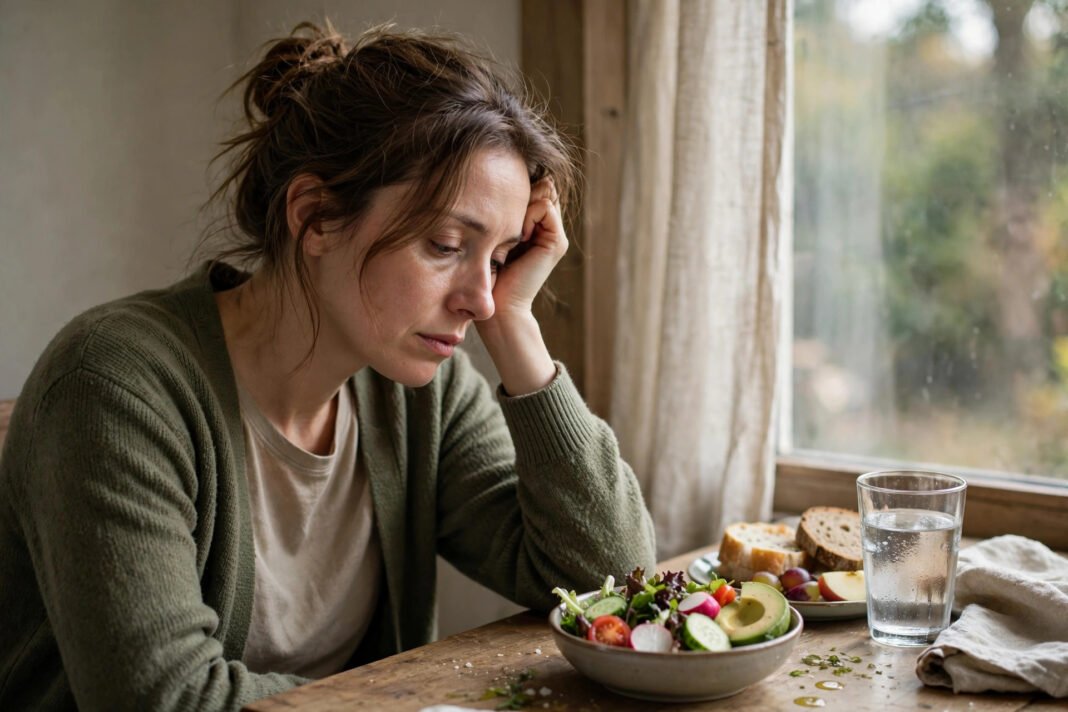
October arrives, and something in you goes quiet. You snap at small things. You feel on edge for no clear reason. Sleep comes in long, heavy stretches, yet you wake up tired. If this sounds familiar, you are not failing at life. Seasonal depression in women is real, common, and often hidden behind the word “tired.”
This guide looks at the autumn change through women’s eyes. It explains why women are affected more, why anxiety and irritability matter as much as low mood, and what genuinely helps. It also shows when to seek professional help. Finally, it offers a simple message: what you feel has a name, and you do not have to carry it alone.
Why Autumn Feels Heavier for Many Women
Autumn asks a lot of women. The days shorten, the light fades, and the pace of life does not slow down. School runs, work, cooking, and caring for others all continue. Yet your energy drops just as the demands stay the same. That gap between what you must do and what you feel able to do is where autumn weighs heaviest.
Many women blame themselves first. They call themselves lazy, or say they should try harder. However, the change is not a failure of willpower. It is a real response to a real change in light, sleep, and body chemistry. Naming it honestly is the first step toward handling it well.
The change can also affect your relationships. You may feel less patient with the people closest to you, and then guilty about it afterwards. That guilt adds another weight to an already heavy season. However, the people who love you would rather know what is happening than watch you struggle alone. A short, honest conversation can make the season easier for everyone.
What Is Seasonal Depression in Women?
Seasonal depression, also called seasonal affective disorder, is a type of depression that follows the seasons. Symptoms usually begin in autumn, deepen through winter, and lift in spring and summer. The main symptom is low mood that arrives with the darker months and goes away when the light returns.
The NHS lists the common signs: low mood, loss of interest in things you usually enjoy, feeling restless or irritable, difficulty concentrating, sleeping more than usual, and eating more than usual. Some women also feel guilty or worthless. For a full guide to the condition, including light therapy and talking therapies, see our autumn mood guide.
Seasonal Depression in Women: Why the Risk Is Higher
Women are diagnosed with seasonal depression four times more often than men. That figure comes from the National Institute of Mental Health, and it is one of the most consistent findings in this field. The exact reasons are not settled, but researchers suggest that hormones may play a part. Life roles and daily pressures may add to the load as well.
Age matters too. Younger adults face a higher risk than older adults, and a family history of depression raises the risk further. Living far from the equator also increases the risk, because winters there are longer and darker. None of these factors decide your fate. They simply help explain why autumn hits some women harder than others.
Anxiety and Irritability: The Hidden Signs
When people picture depression, they picture sadness. However, seasonal depression in women often shows up as anxiety and irritability first. You may feel restless, on edge, or quick to snap. Small problems feel bigger than they are, and patience runs out fast. These signs are easy to miss, because they look like stress rather than low mood.
That is what makes the autumn impact hidden. A woman who is irritable and anxious rarely thinks, “This is seasonal depression.” She thinks she is coping badly, or that life is simply too much. In fact, irritability is listed among the recognised symptoms. If your fuse shortens every autumn, the season may be part of the story.
How Shorter Days Change Your Body Clock
Daylight is the signal that sets your body clock. When autumn weakens that signal, two brain chemicals shift. Melatonin, the hormone that makes you sleepy, runs longer into the morning. Serotonin, a chemical linked to mood, drops as daylight fades. The result is a double hit: you feel sleepy when you should feel alert, and low when you should feel steady.
The exact cause of seasonal depression is not fully known. However, the link to reduced daylight is well established. That is why the pattern repeats each year at the same season. Your body is not broken. It is responding to a real change in its environment, and understanding that can ease some of the self-blame.
Seasonal Depression in Women vs the Winter Blues
Almost everyone feels a little flat when summer ends. That is the winter blues: mild, brief, and lifted by a sunny day or a good weekend. It does not stop you from working, caring for your family, or enjoying life. Seasonal depression is different in three ways.
Firstly, it lasts. The low mood stays for weeks at a time, most days, not just on gloomy days. Secondly, it interferes. Work suffers, relationships strain, and basic self-care starts to slip. Thirdly, it returns at the same season each year. If your low mood checks all three boxes, treat it as something to address rather than wait out.
Small Daily Steps That Genuinely Help
No single habit fixes seasonal depression. However, small daily steps layered together can make a real difference. Get outside in daylight every day, especially in the morning. A short walk before work counts. Sit near a window while you work, and keep rooms brightly lit in the daytime.
Move your body gently and regularly. You do not need punishing workouts. A walk, a stretch, or dancing in your kitchen all count. Keep a steady sleep routine, with the same wake time every day, including weekends. Stay in touch with people who lift you, even when withdrawal feels easier. Finally, limit alcohol and avoid screens right before bed, because both can disturb sleep.
Eating well also supports your mood through the darker months. Regular, balanced meals keep your energy steadier than skipping food on busy days. In addition, a steady meal routine helps your body clock stay on track. Small, kind choices add up over a season. They will not fix everything, but they can soften the hardest weeks.
Seasonal Depression in Women: When to Get Help
Self-help has limits, and knowing them is part of taking yourself seriously. Talk to a doctor if you think you might have seasonal depression, especially if low mood lasts more than two weeks. This matters most if it starts affecting your work, your studies, or your relationships. A doctor can confirm whether your experience fits the pattern and discuss the options with you.
There is one situation where waiting is never the right choice. If you have thoughts of harming yourself, seek help immediately. Contact a doctor, go to emergency services, or reach a trusted crisis helpline in your country. Reaching out in that moment is not weakness. It is the bravest and most important thing you can do.
You Are Not Lazy, and You Are Not Alone
Many women carry autumn low mood in silence. They worry that others will dismiss it, or that they should simply cope better. Yet seasonal depression is a recognised condition, and millions of women experience it every year. You are not lazy, you are not ungrateful, and you are not imagining it.
Telling one trusted person can lift some of the weight. You do not need a long explanation. A simple sentence is enough: “Autumn is hard for me, and I feel low.” Naming it takes away its secrecy. It also lets the people around you offer the support you deserve.
The Bottom Line
Autumn changes the light, and the light changes how you feel. For many women, that means anxiety, irritability, and low mood that arrive with the darker months. It is not a flaw in your character. It is a pattern with a name, and there are real steps that help.
So meet the season halfway. Get your mornings bright, keep your body moving, and hold your people close. If the weight does not lift, pick up the phone and talk to a doctor. What is one small step you will take this week to look after your mood?
This article is for general information only. It is not medical advice.