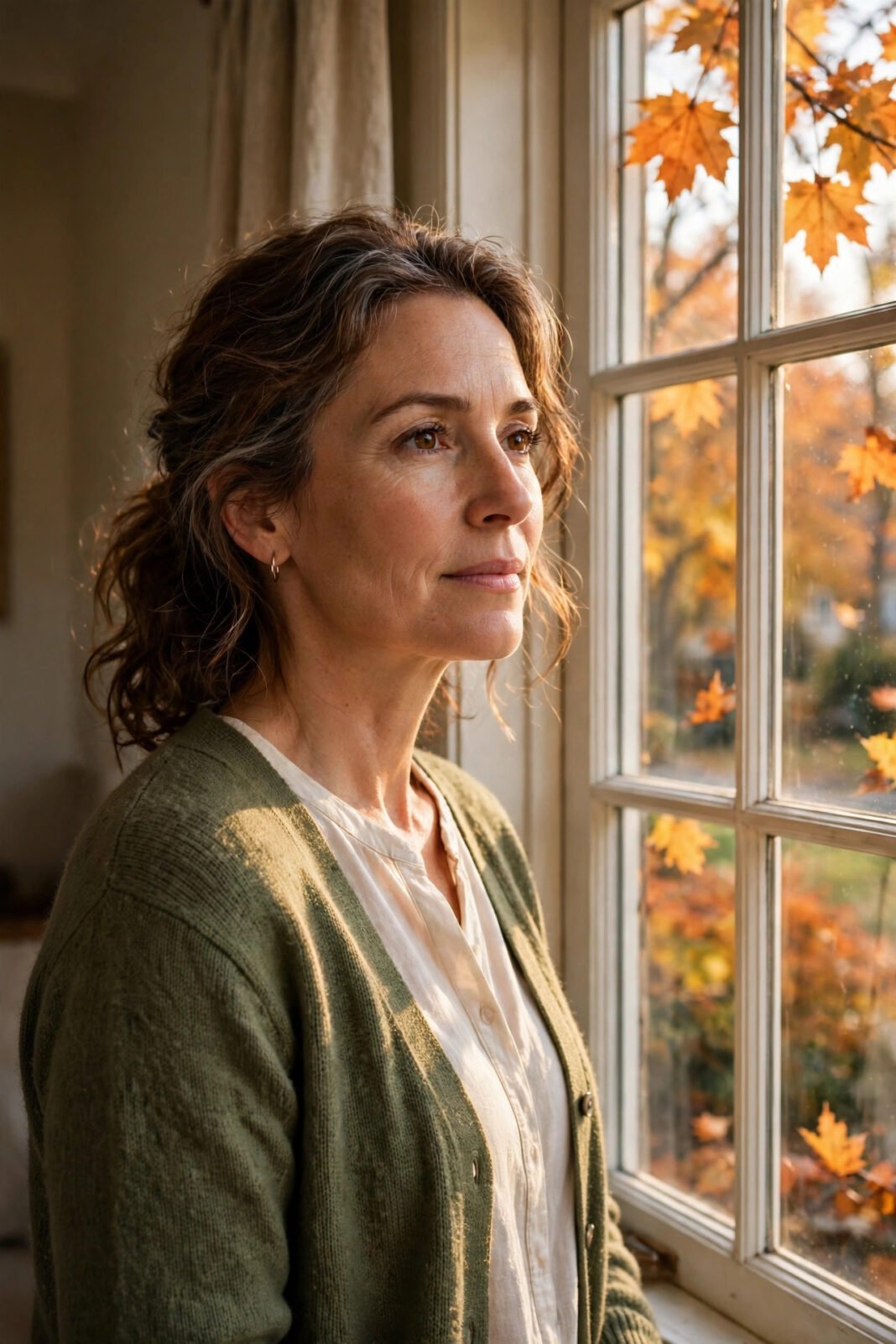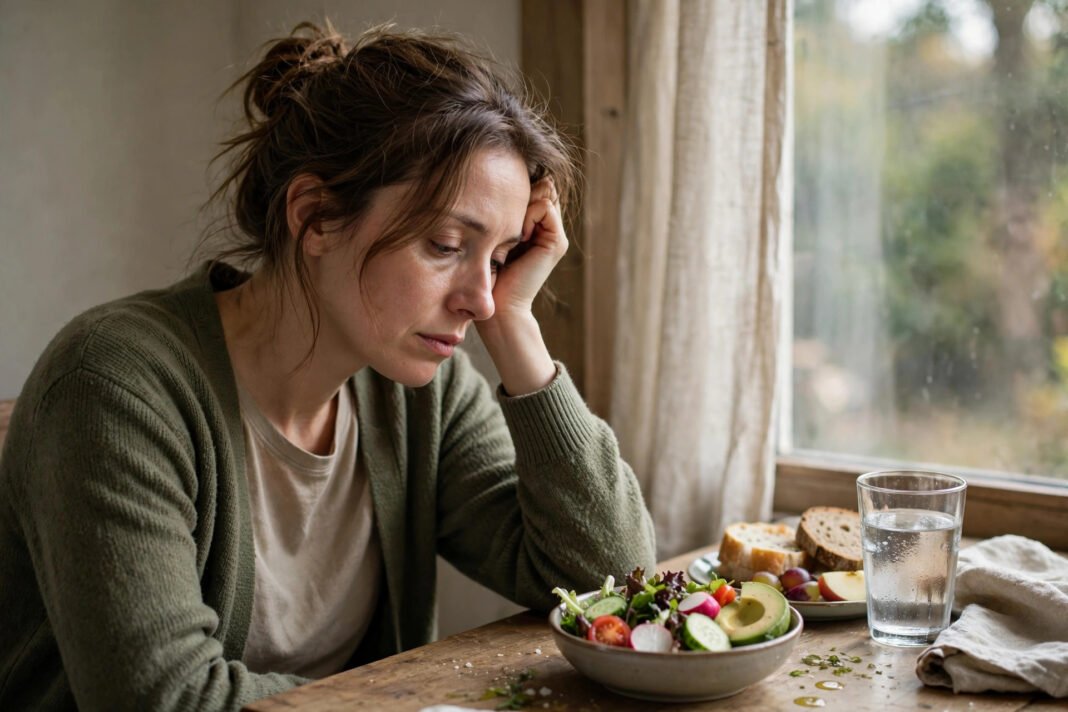
You sleep for eight hours, yet you wake up tired. The stairs leave you breathless, and your skin looks paler than it did a few weeks ago. Autumn gives every one of these signs an easy excuse, because shorter days and colder weather tire everyone out. But constant weakness is not always just autumn tiredness. Anaemia in women is common, and it often hides behind the season. This article explains the signs, why women face a higher risk, and when weakness needs a doctor’s attention. The good news is that a simple blood test can check for it.
What Anaemia in Women Really Means
Iron deficiency anaemia happens when your body lacks the iron it needs to make enough healthy red blood cells. Red blood cells carry oxygen around your body, so when their numbers fall, your tissues get less oxygen. That is why tiredness and breathlessness are the most common signs. In fact, iron deficiency anaemia is the most common type of anaemia, and it can develop slowly over weeks or months.
At first, the signs may be so mild that you barely notice them. You may put tiredness down to a busy week or a bad night’s sleep. But as iron levels fall further, the signs grow harder to ignore. That slow build is one reason anaemia in women often goes unnoticed for a long time.
The Signs of Anaemia in Women You Should Not Ignore
The most common signs of anaemia in women are tiredness and a lack of energy. Shortness of breath is another common sign, and you may notice your heart beating faster than usual. Your skin may look paler than normal, and headaches may become more frequent. These signs can appear together, or one may stand out on its own.
Less common signs include dizziness, hair loss, a sore tongue, and restless legs. Your nails may become brittle or spoon-shaped, and you may feel an odd urge to eat non-food items such as ice. However, one sign alone proves nothing, because tiredness and headaches have many possible causes. What matters is the pattern, and whether the signs keep coming back.
Why Women Face a Higher Risk of Anaemia
Women face a higher risk of anaemia for a simple reason: monthly blood loss. Every period removes iron from your body, and heavy periods remove even more. In fact, heavy periods are one of the most common causes of iron deficiency anaemia in women of reproductive age. Pregnancy raises the need further, because your body needs extra iron for your baby as well as for you.
Diet plays a part too. If your meals lack iron-rich foods, your iron stores fall slowly over time. Restricted diets can make this worse, and so can a habit of skipping meals. For example, a diet low in meat, beans, and leafy greens may not replace the iron you lose each month. That is why anaemia in women often comes down to a mix of blood loss and diet, not one single cause.
Blood loss inside the body can also cause anaemia. Bleeding in the stomach or intestines may come from ulcers, piles, or inflammation of the bowel. Some painkillers can irritate the stomach lining too, and that can lead to slow blood loss over time. That is why a doctor may ask about stomach pain and digestion when checking for anaemia.
Why Autumn Makes Weakness Feel Worse
Autumn does not cause anaemia, but it can hide it. Shorter days mean less daylight, and colder weather keeps many women indoors more. Heavier comfort food often replaces lighter, varied meals. As a result, tiredness feels normal in autumn, and few people question it.
That is the trap. When weakness feels seasonal, you may wait for spring instead of asking why you feel so drained. Meanwhile, the signs of anaemia in women can quietly grow worse. So if tiredness follows you week after week, do not blame the season alone. Look at the pattern, and ask whether something more is going on.
Autumn routines can also work against you. Long evenings at home may mean less movement, and less movement can leave you feeling more sluggish. Meanwhile, rich comfort food may fill you up without giving your body the iron it needs. So the season can quietly drain your energy from more than one direction at once.
Iron-Rich Foods That Support Your Energy
Food can help your body rebuild its iron stores. Dark-green leafy vegetables such as spinach and kale are good sources of iron. Pulses such as beans, peas, and lentils add iron too, and so do meat and fortified cereals and bread. Dried fruit such as apricots, prunes, and raisins can help as well.
Vitamin C helps your body absorb iron from food. For example, citrus fruit, peppers, and tomatoes eaten with an iron-rich meal can improve absorption. A glass of orange juice with your meal works in the same way. However, food alone may not correct anaemia, so talk to your doctor about what your body needs.
If you do not eat meat, you can still get iron from plant foods. Beans, lentils, leafy greens, and fortified cereals all add iron to your meals. Pair them with vitamin C, because plant iron is harder for your body to absorb on its own. A varied plant-based diet can cover your iron needs, but it takes a little planning.
Small Daily Habits That Help Your Body Absorb Iron
What you drink with a meal matters as much as what you eat. Large amounts of tea and coffee can make it harder for your body to absorb iron. Milk and dairy can have the same effect, and so can wholegrain cereals with high levels of phytic acid. So try to keep tea and coffee away from your main iron-rich meal.
Small changes can add up over time. Firstly, pair iron-rich foods with vitamin C at the same meal. Secondly, eat a varied diet with iron from more than one source. And if you often skip meals, try to build a steadier routine. Your body absorbs iron best when meals are regular and varied.
When Weakness Needs a Doctor Urgently
If you think you might have anaemia, talk to a doctor. A doctor can arrange a simple blood test called a full blood count. It checks the number of red blood cells you have, and it can also check for other types of anaemia, such as vitamin B12 or folate deficiency anaemia. You do not need to prepare for the test, and it can settle the question quickly.
Some signs need urgent care. If weakness comes with chest pain, severe shortness of breath, or fainting, seek medical help right away. Untreated anaemia can also strain the heart over time, and it can raise the risk of problems in pregnancy. So do not wait for weakness to pass on its own if it keeps getting worse.
Anaemia in Women and Other Causes of Tiredness
Tiredness has many causes, and anaemia is only one of them. A lack of vitamin B12 can also leave you feeling drained, and its signs often overlap with anaemia. Our guide to vitamin B12 deficiency in winter explains those signs in plain language. Low vitamin D can also sap your energy, especially in the darker months, and our guide to vitamin D deficiency signs and symptoms covers what to watch for.
Poor sleep, stress, and thyroid problems can cause tiredness too. That is why a single symptom never tells the full story. A doctor can look at the whole pattern and decide which checks suit you. So if weakness lingers, let a professional help you find the cause instead of guessing on your own.
Listen to Your Body Before Autumn Ends
Constant weakness is your body’s way of asking for attention. It may be nothing more than a busy season, but it may also be a sign that your iron levels need checking. Anaemia in women is common, yet it is often missed until weakness becomes hard to ignore. You know your normal energy better than anyone else, so trust yourself when something feels off.
Keep a simple note of how you feel for a week or two. Write down when tiredness feels worst, and whether rest helps. Then take that note to your doctor and ask for a blood test. Has weakness followed you through this autumn? What small step will you take this week to find out why?
This article is for general information only. It is not medical advice.