Karachi E-Challan System Issues 2 Million Tickets
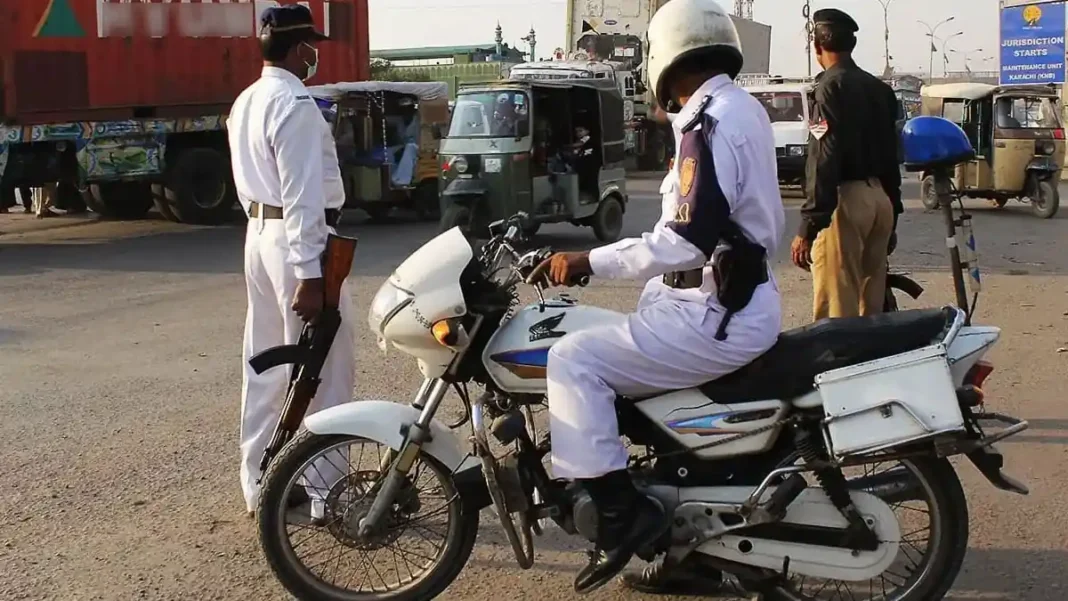
The Karachi e-challan system issued nearly 1.95 million traffic violation tickets and generated more than Rs5 billion in fines during its first year of operation. Over Rs2 billion of that amount was deposited into the national exchequer.
The Karachi e-challan system issued 1.947 million challans in its first year, according to traffic police officials. Authorities waived around Rs3 billion in fines over the same period, including more than 330,000 challans issued through the Traffic Regulation and Citation System, known as TRACS.
Traffic police chief Pir Muhammad Shah said TRACS works as a deterrent against traffic violations and helps improve road safety, rather than simply generating revenue. He said overall road fatalities in Karachi had fallen by more than 15 per cent since the system began. Deaths involving heavy transport vehicles had fallen by about 45 per cent compared with the period before TRACS.
The figures show how large automated enforcement has become in Pakistan’s biggest city. Nearly two million tickets in one year means the system now touches a large share of Karachi’s drivers, and the fines add up to one of the largest single streams of traffic revenue in the country.
How the Karachi e-challan system works
TRACS uses cameras and electronic records to spot violations and issue tickets without a policeman stopping the vehicle. The ticket goes to the registered owner of the vehicle, and the fine must be paid through the official channels.
The system covers the main violations that cause most crashes in the city, including speeding, running red lights and wrong-way driving. Because the camera records the offence, the driver cannot argue with an officer at the scene, and the record stays on file until the fine is settled.
The scale of the waivers is also worth noting. Around Rs3 billion in fines was waived, and more than 330,000 challans were set aside. That suggests the authorities have used discretion where tickets were issued in error, although the report does not break down the reasons for the waivers.
For drivers, the message is plain. The system is now a permanent part of driving in Karachi, and fines are real. But the waivers show that the system is not meant to punish without review, and drivers who believe a ticket is wrong can expect it to be looked at.
Road deaths down by more than 15 per cent
The most important figure in the first-year report is not the money. It is the fall in deaths. Overall road fatalities in Karachi fell by more than 15 per cent after TRACS began, and deaths involving heavy transport vehicles fell by about 45 per cent.
Heavy vehicles have long been one of the deadliest parts of Karachi’s traffic. Dumpers, tankers and buses move through crowded streets through the day, and crashes involving them often kill pedestrians, motorcyclists and car passengers. A fall of nearly half in deaths linked to heavy transport is therefore a large result, if it holds over a longer period.
The police chief linked the fall to deterrence. When drivers know that cameras are watching and that fines follow, they slow down and follow signals more often. That is the theory behind automated enforcement in cities around the world, and the first-year figures from Karachi point in the same direction.
Even so, one year is a short period, and the figures compare the TRACS period with the period before it. Traffic patterns, road works and enforcement levels all change over time, so the fall in deaths should be read as an early sign rather than a settled fact. The next year of figures will show whether the improvement lasts.
Fines and enforcement in other cities
Karachi is not the only city in Pakistan moving towards electronic fines. Islamabad has launched QR code payment for traffic fines, which lets drivers pay without visiting an office. Lahore has challaned 11,871 smoke-emitting vehicles as part of its drive against pollution and unsafe vehicles.
Lahore has also ordered dashcams and panic buttons in ride-hailing cars to make passenger travel safer. Each city is taking a different route, but the direction is the same: more cameras, more records and less room for cash fines at the roadside.
The Karachi figures also sit beside a wider road safety problem. Eight people were killed in a coaster crash near Burewala this week, a reminder that enforcement in cities does not reach the district roads where many fatal crashes happen. Cameras can change behaviour where they are installed, but they cannot fix bad roads or overloaded vehicles on their own.
For Karachi’s drivers, the first year of TRACS has brought both fines and fewer deaths. The system will now be judged on whether it can keep the death toll falling while treating drivers fairly.
Frequently asked questions
How many challans did Karachi’s e-challan system issue in its first year?
It issued 1.947 million challans, nearly 2 million tickets, in its first year of operation.
How much money did the system generate in fines?
It generated more than Rs5 billion in fines. Over Rs2 billion was deposited into the national exchequer, while around Rs3 billion in fines was waived.
What is TRACS?
TRACS is the Traffic Regulation and Citation System. It uses cameras and electronic records to issue traffic challans in Karachi.
How many challans were waived?
More than 330,000 challans issued through TRACS were waived, and around Rs3 billion in fines was set aside in total.
Have road deaths fallen since TRACS began?
Yes. Overall road fatalities in Karachi fell by more than 15 per cent, and deaths involving heavy transport vehicles fell by about 45 per cent, according to traffic police.