Buddhist Leaders Explore Gandhara Heritage in Pakistan
Senior Buddhist religious figures from eight Asian countries visited the Islamabad Museum and the historic Shah Allah Ditta Caves on Tuesday, as part of the three-day Gandhara Strategic Dialogue 2026. The visit put Pakistan’s Gandhara heritage at the centre of a push for cultural ties and heritage preservation.
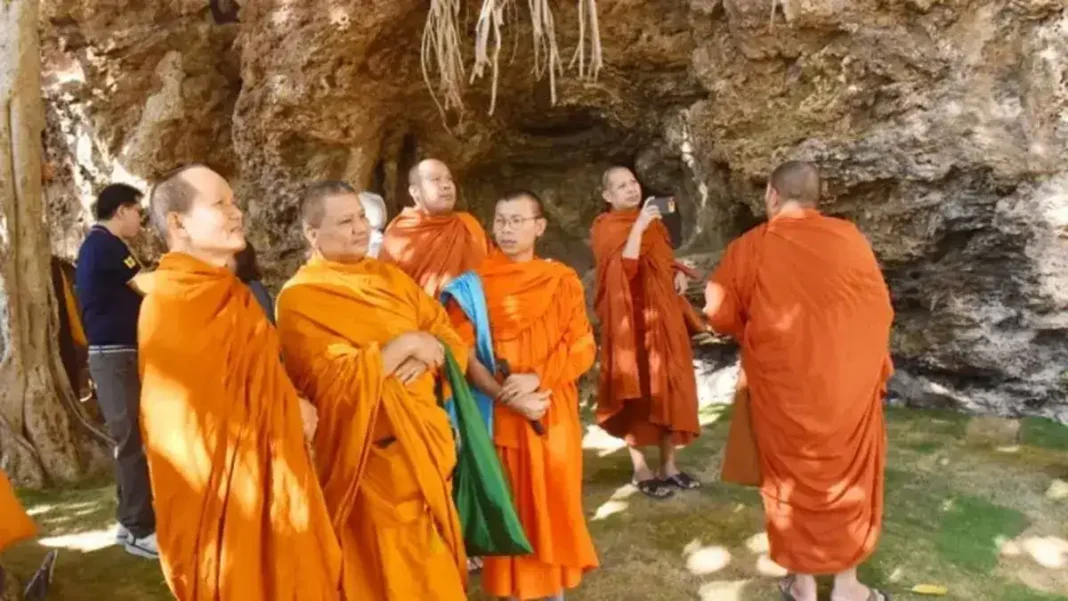
The delegation brought together monks and scholars from Thailand, Laos, Vietnam, Japan, Cambodia, Sri Lanka, South Korea and Bangladesh, to see Gandhara’s legacy as an early centre of Buddhist art, philosophy and learning.
The visit to the museum and the caves
At the Islamabad Museum, the delegation explored an extensive collection of Gandharan antiquities, including Buddha sculptures, Buddhist relics and archaeological artefacts that reflect the region’s historical and spiritual importance.
The visitors also watched an immersive digital presentation on Gandhara’s history and cultural legacy, which brought the ancient civilisation closer through modern technology. The presentation is part of a wider effort to make the museum’s collection accessible to visitors who may never travel to the excavation sites themselves.
The delegation then visited the Shah Allah Ditta Caves, an archaeological site linked to the region’s Buddhist past. The visit gave the monks and scholars a chance to explore the site’s historical and spiritual significance and to connect with a heritage that still holds religious importance for Buddhist communities across Asia.
Joint Secretary of the National Heritage and Culture Division Tanzeela Sabahat accompanied the delegation during the visits.
The Gandhara Strategic Dialogue
The visit is part of the Gandhara Strategic Dialogue 2026, held under the theme “Towards a Shared Future”. The dialogue aims to strengthen international cooperation for the preservation, promotion and global recognition of Gandhara’s shared Buddhist heritage.
The initiative is led by Imran Shaukat, coordinator to the Prime Minister’s Task Force on Gandhara. He said the dialogue reflected Pakistan’s commitment to deeper engagement with the international Buddhist community, adding that Gandhara could serve as a bridge for cultural diplomacy, interfaith understanding and international cooperation.
The three-day dialogue brings together Buddhist religious leaders, scholars, heritage experts and Pakistani stakeholders. Its sessions cover faith-based visitor facilitation, conservation, international promotion of Gandhara, sacred manuscripts, tourism infrastructure and community participation in heritage protection.
The dialogue opened at the Ministry of Foreign Affairs and will conclude at the Ministry of National Heritage and Culture Division.
Why Gandhara heritage matters for Pakistan
Gandhara is one of Pakistan’s richest cultural assets, and Taxila sits at its heart. Readers planning to see the sites themselves can start with Feature Pakistan’s Dharmarajika Stupa Taxila travel guide, which covers one of the most important Buddhist sites in the country. The nearby Kheri Murat reserve forest travel guide covers another stop in the same region.
The dialogue is also about tourism. Religious tourism could bring visitors from Buddhist-majority countries to Pakistan’s heritage sites, but arrivals have been a concern: the National Assembly recently discussed falling foreign tourist arrivals, and the dialogue’s sessions on visitor facilitation and tourism infrastructure speak directly to that problem.
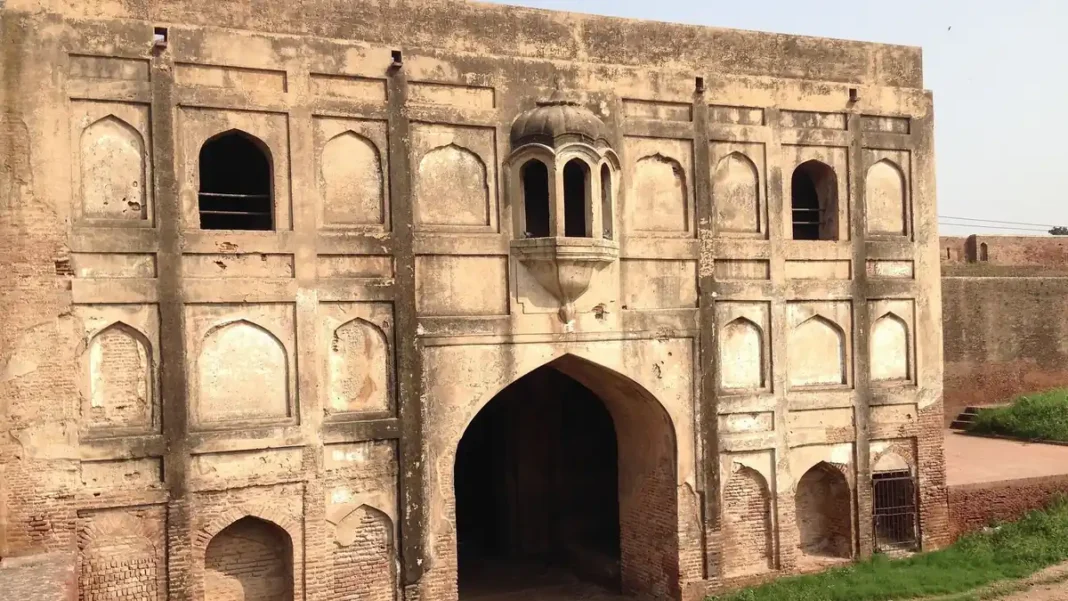
Heritage work in Pakistan is not limited to Gandhara. In Lahore, the Akbari Gate of Lahore Fort is set to reopen in December after conservation work, another example of historic sites being prepared for visitors. The Gandhara dialogue fits the same pattern: protect the sites, explain their story, and make them easier for visitors to reach.
For the Buddhist leaders who travelled to Islamabad, the visit was also personal. Gandhara is where their faith’s art and learning took a distinct form more than two thousand years ago. That shared ownership is the point of the dialogue, and why its organisers hope it leads to lasting cooperation rather than a single event.
Frequently asked questions
Who visited Pakistan for the Gandhara Strategic Dialogue 2026?
Senior Buddhist monks and religious scholars from eight Asian countries: Thailand, Laos, Vietnam, Japan, Cambodia, Sri Lanka, South Korea and Bangladesh.
Which sites did the delegation visit?
The delegation visited the Islamabad Museum, where it saw Gandharan antiquities including Buddha sculptures and relics, and the Shah Allah Ditta Caves, an archaeological site linked to the region’s Buddhist past.
What is the aim of the Gandhara Strategic Dialogue?
Held under the theme “Towards a Shared Future”, the dialogue aims to strengthen international cooperation for the preservation, promotion and global recognition of Gandhara’s shared Buddhist heritage.
Why is Gandhara important for religious tourism in Pakistan?
Gandhara was an early centre of Buddhist art, philosophy and learning, with major sites such as Taxila. Promoting it could draw visitors from Buddhist-majority countries, which is why the dialogue covers visitor facilitation and tourism infrastructure.
Who is leading the Gandhara Strategic Dialogue?
The initiative is led by Imran Shaukat, coordinator to the Prime Minister’s Task Force on Gandhara. He said the dialogue reflected Pakistan’s commitment to deeper engagement with the international Buddhist community.