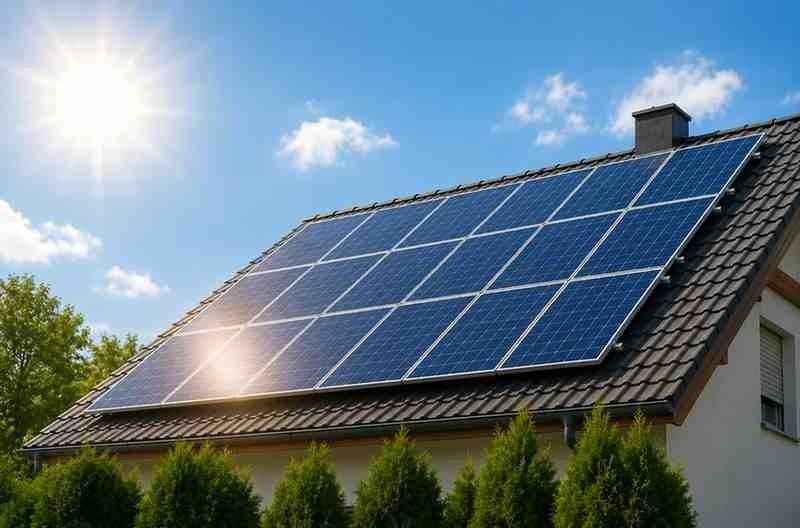
Islamabad: The government has introduced another positive step for Solar Users after the National Electric Power Regulatory Authority (NEPRA) announced important amendments to the Solar Regulations 2026. The latest changes aim to make the installation process easier and encourage more people to adopt clean energy across Pakistan.
According to the new notification, people who install solar systems with a generation capacity of up to 25 kilowatts (kW) will no longer need direct approval from NEPRA. This decision removes one of the regulatory steps that many applicants previously had to complete.
Instead, the responsibility for approving eligible solar installations now rests with the relevant electricity distribution company. This change is expected to reduce delays and speed up the approval process for consumers.
The latest amendment has brought welcome relief for thousands of homeowners, businesses, and small industries planning to install rooftop solar systems. Industry experts believe the simplified procedure will encourage more investment in renewable energy.
The number of Solar Users has increased rapidly during the past few years. Rising electricity prices and frequent power shortages have pushed more families and businesses to search for reliable alternatives.
Many consumers now view solar energy as a long-term investment instead of an optional technology. Although installation requires an initial cost, lower electricity bills often make the investment financially attractive over time.
Pakistan has experienced one of the fastest growth rates in solar adoption in recent years. Every month, more households decide to install solar panels to reduce dependence on conventional electricity supplies.
The country’s electricity challenges continue to influence consumer behavior. High power tariffs and occasional load management have encouraged many people to shift toward renewable energy solutions.
Experts believe the latest regulatory change will further accelerate this trend. Easier approvals can reduce waiting periods and encourage quicker installation of new solar systems.
The Solar Users community now includes homeowners, commercial buildings, factories, educational institutions, and agricultural businesses. Solar technology has become increasingly accessible across different income groups.
Previously, solar energy was mostly associated with high-income households. However, rising electricity costs have encouraged middle-income and even lower-income families to explore affordable solar solutions.
Banks and financial institutions have also started offering financing options for solar installations. These facilities have helped many consumers purchase solar systems through easy installment plans.
Industry observers believe simplified regulations will improve investor confidence. Solar installation companies may also experience increased demand as more customers begin new projects.
According to recent estimates, nearly 15 to 25 percent of Pakistani households now use solar energy in some form. That figure continues to grow as awareness about renewable energy increases.
Some households rely on small solar systems for lighting and basic appliances. Others have installed complete rooftop systems capable of meeting most of their daily electricity requirements.
Hybrid systems connected to the national grid have also become increasingly popular. These systems allow consumers to benefit from both solar energy and conventional electricity whenever needed.
The growing number of Solar Users also supports Pakistan’s environmental goals. Increased use of renewable energy reduces dependence on fossil fuels and helps lower carbon emissions over the long term.
Energy experts believe renewable power will play an even greater role in Pakistan’s future electricity mix. Continued investment in solar infrastructure could strengthen national energy security while reducing pressure on the conventional power system.
Businesses have also shown growing interest in solar technology. Lower operating costs and predictable electricity expenses make solar energy an attractive option for commercial and industrial sectors.
Analysts believe the latest regulatory amendment sends a positive signal to both consumers and investors. A simpler approval process may encourage additional growth in Pakistan’s renewable energy market.
Although the new rules simplify approvals, consumers should still ensure their systems comply with technical standards and installation requirements issued by their electricity distribution companies.
The Solar Users community is expected to expand further as electricity prices remain high and awareness about clean energy continues to grow. The latest NEPRA decision represents another important step toward making solar power more accessible, affordable, and practical for millions of Pakistanis.