Shehbaz Sharif COP31: Pakistan’s Climate Case
Prime Minister Shehbaz Sharif will present Pakistan’s climate case at the COP31 summit in Antalya, Turkiye, today. The Shehbaz Sharif COP31 address will press for fair climate finance and global help to study the country’s melting glaciers.
The prime minister is set to address the COP31 Antalya Leaders’ Summit on Wednesday, 11 November, and hold bilateral meetings with Turkish President Recep Tayyip Erdogan and other world leaders on the sidelines. He will also speak at a high-level dialogue on clean energy transition and electrification titled “35 by 35: Powering the Future”.
Pakistan contributes less than one per cent of global greenhouse gas emissions, yet it ranks among the countries hit hardest by climate change. That contrast sits at the heart of the case Shehbaz Sharif will make in Antalya.
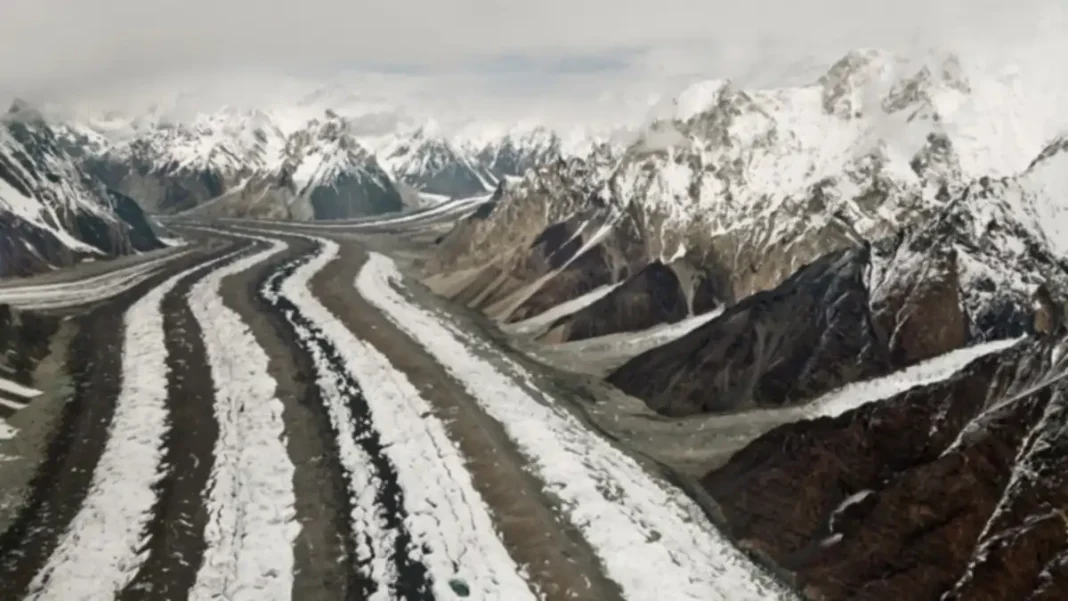
Pakistan’s glaciers are melting fast
Federal Minister for Climate Change Musadik Malik set out the scale of the threat at the UN Climate Change Pavilion at COP31. He said more than 13,500 glaciers had been identified in Pakistan, and the growing risk of glacial lake outburst floods demanded joint scientific research and global cooperation.
“Pakistan contributes less than one per cent to global greenhouse gas emissions, yet it remains among the countries most severely affected by climate change,” Malik said.
He warned that melting glaciers were putting thousands of people, their homes and sources of livelihood at risk. Climate change, he said, was not only an environmental challenge but a question of human survival.
The minister called for an even share of climate finance. He said developing countries facing severe climate effects needed money on time, while finance still flowed mostly to major emitting countries. He added that research in mountain regions could also improve understanding of climate risks in plains and polar regions, and urged the world to move past declarations towards practical cooperation.
Malik also outlined plans for a Green Virtual University to connect Pakistani students, researchers and faculty with leading international universities and scientists.
Why the 2022 floods still shape Pakistan’s case
Pakistan’s argument at COP31 rests on recent loss. The floods of 2022 affected 33 million people and caused about $30 billion in losses, a figure Islamabad keeps returning to when it asks for adaptation support and climate finance. Global fossil fuel emissions are set to fall in 2026 for the first time since 2020, yet Pakistan’s glaciers keep melting, a reminder that global trends move slower than local damage.
The same pressure is visible at home. Development spending by the federal government reached just 10.4 per cent of its annual allocation in the first four months of this financial year, and the climate change division spent only Rs259 million of its Rs2.5 billion allocation in that period. The gap between climate risk and climate spending is part of why Pakistan is asking the world for help.
The glacier threat is also a water threat. Glacial melt feeds the rivers that supply farms and cities across the country, and sudden outburst floods can wipe out roads, homes and crops in a single day. That is why Malik is asking for shared research rather than sympathy alone.
Shehbaz Sharif COP31 and green freight corridors
Federal Minister for Communications Aleem Khan also spoke at COP31, at a ministerial roundtable on the Global Green Freight Corridors Initiative. He reaffirmed Pakistan’s commitment to cutting emissions from global supply chains and building climate-resilient logistics.
Pakistan has already backed the global green freight corridors plan at COP31, endorsing its four pillars of clean technology, digital connectivity, smart route planning and climate finance. Khan said freight transport was the lifeblood of global commerce but also one of the fastest-growing sources of transport emissions.
He argued that economic growth and environmental protection reinforced each other, and said the launch of the initiative showed that sustainable logistics was essential for the future. He urged countries to turn COP31 commitments into tangible cross-border outcomes, including pilot green corridors.
What happens next at COP31
Shehbaz Sharif travelled to Turkiye for the COP31 summit with climate finance and adaptation high on his agenda. His meetings with Erdogan and other leaders will test whether that agenda wins backing beyond the conference hall.
The test for Pakistan is practical. Promises of finance and research help only if they reach the valleys where glaciers are melting and the farms that depend on their water. The prime minister’s speech will set out the ask. The days after the summit will show whether the world answers it.
Frequently asked questions
What is Shehbaz Sharif doing at COP31?
He is addressing the COP31 Antalya Leaders’ Summit in Turkiye on 11 November, outlining Pakistan’s climate priorities and meeting President Recep Tayyip Erdogan and other world leaders.
How many glaciers does Pakistan have?
More than 13,500 glaciers have been identified in Pakistan, according to Climate Change Minister Musadik Malik.
Why does Pakistan want climate finance?
Pakistan produces less than one per cent of global emissions but faces severe climate effects, including the 2022 floods that affected 33 million people and caused about $30 billion in losses.
What is the Green Virtual University?
It is a proposed initiative to connect Pakistani students, researchers and faculty with leading international universities and scientists for climate research and innovation.