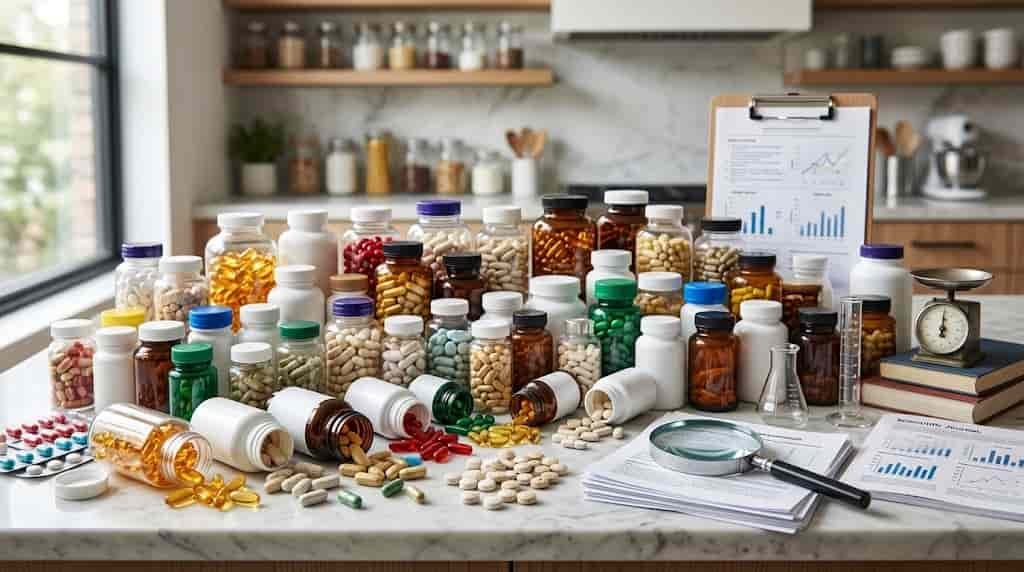
Americans have a serious appetite for dietary supplements.
Walk through almost any U.S. pharmacy, supermarket or health store and you will see shelves filled with multivitamins, vitamin D, magnesium, fish oil, herbal products, gummies, powders and other supplements.
Many people take them hoping to improve energy, strengthen bones, support immunity, fill nutritional gaps or simply stay healthier as they age.
New federal data shows just how widespread this habit has become.
According to the latest report from the U.S. Centers for Disease Control and Prevention, 60.2% of American adults aged 20 and older used at least one dietary supplement during the previous 30 days.
Even more strikingly, 38.7% of adults used two or more dietary supplements.
However, health experts caution that widespread use does not mean every supplement provides a proven benefit.
Some supplements can play an important role in health. Others may provide little benefit to someone who already gets enough nutrients from food, while excessive doses or inappropriate combinations can create risks.
So, why are Americans taking so many supplements, and what does the science actually say?
More Than 6 in 10 American Adults Take Supplements
The latest numbers come from the CDC’s National Center for Health Statistics.
Researchers analyzed National Health and Nutrition Examination Survey data collected from August 2021 through August 2023.
They found that 60.2% of U.S. adults aged 20 and older had taken at least one dietary supplement in the previous 30 days.
That means supplement use is no longer a niche wellness habit.
It is part of everyday life for a majority of American adults.
The same research found that 38.7% of adults used at least two dietary supplements.
That raises another important issue because people taking several products may unknowingly consume overlapping ingredients.
Supplement Use Has Increased Over the Past Decade
The CDC data also shows that supplement use among American adults has increased.
During 2013–2014, about 53.8% of adults reported using at least one dietary supplement.
By August 2021–August 2023, that number had increased to 60.2%.
Multiple-supplement use rose even faster.
In 2013–2014, 30.9% of American adults reported using two or more dietary supplements.
The latest figure stands at 38.7%.
Therefore, Americans are not only more likely to take supplements than they were around a decade ago. A growing share also uses several products.
Older Americans Use Supplements the Most
Age produces one of the clearest differences.
Among Americans aged 20 to 39, 46.3% reported using at least one dietary supplement.
The figure increased to 60.3% among adults aged 40 to 59.
However, supplement use became particularly common among older Americans.
Among adults aged 60 and older, an extraordinary 75.9% reported taking at least one supplement.
That means roughly three out of every four Americans in this age group use dietary supplements.
Older adults were also far more likely to take several products.
Many Older Adults Take Multiple Supplements
The CDC found that 56.4% of adults aged 60 and older used at least two dietary supplements.
Around 39.9% used three or more, while 26.5% used four or more.
In other words, more than one-quarter of Americans aged 60 and above reported taking at least four dietary supplements.
This does not automatically mean those people are taking unsafe amounts.
However, it makes checking labels and overlapping ingredients increasingly important.
A person could take a multivitamin, a separate vitamin D product, a calcium supplement and another wellness formula without realizing that several contain some of the same nutrients.
American Women Take More Supplements Than Men
The CDC also found a noticeable difference between men and women.
Among adults aged 20 and older, 66.1% of women reported using at least one dietary supplement.
Among men, the figure was 53.9%.
Therefore, roughly two-thirds of adult American women use supplements compared with slightly more than half of men.
The reasons people take supplements can vary considerably, ranging from general health maintenance to addressing specific nutritional needs.
American Children and Teenagers Also Take Supplements
Supplement use is not limited to adults.
The CDC found that 35.7% of U.S. children and young people aged 0 to 19 used at least one dietary supplement during the previous 30 days.
Meanwhile, 11.3% used two or more supplements.
The overall rate of supplement use among young people did not show the same significant long-term increase as among adults.
However, the proportion using two or more supplements increased from 6.4% in 2013–2014 to 11.3% in August 2021–August 2023.
Parents should therefore pay attention to what children are taking rather than assuming that vitamins or gummies are automatically harmless.
Why Are Americans Taking So Many Supplements?
People take supplements for many reasons.
Some want to make sure they receive enough essential vitamins and minerals.
Others use them in hopes of maintaining overall health or supporting specific areas such as bone or cardiovascular health.
Wellness culture has expanded those expectations.
Consumers now encounter supplements marketed around sleep, stress, immunity, energy, beauty, exercise performance and healthy aging.
Social media has made those claims even more visible.
However, an attractive bottle, celebrity endorsement or viral TikTok video cannot establish whether a product actually provides a meaningful health benefit.
Do Supplements Really Work?
There is no single yes-or-no answer.
According to the National Institutes of Health’s Office of Dietary Supplements, supplements can help people obtain adequate amounts of essential nutrients when their diets fall short.
That is a real benefit.
However, NIH also emphasizes that dietary supplements should not replace the variety of foods that make up a healthy diet.
The value of a supplement therefore depends heavily on what a person takes, why they take it and whether they actually need it.
Some Supplements Have Well-Established Benefits
Questioning unnecessary supplement use does not mean every supplement lacks scientific value.
Some have clear and important uses.
For example, calcium and vitamin D help support strong bones.
Women who could become pregnant need adequate folic acid, because it helps reduce the risk of certain serious birth defects affecting a baby’s brain and spine.
NIH also notes that certain combinations of vitamins, antioxidants and minerals can help slow further vision loss in some people with age-related macular degeneration.
Meanwhile, healthcare professionals may recommend specific nutrients when a person’s diet, laboratory results, medical condition or life stage indicates a genuine need.
Therefore, the useful question is not whether supplements as a whole “work.”
The better question is whether a specific supplement at a specific dose benefits a particular person.
What About a Daily Multivitamin?
Multivitamins remain among the most familiar supplements in America.
For many people, taking one each morning feels like inexpensive nutritional insurance.
However, a multivitamin cannot cancel out an unhealthy lifestyle.
NIH guidance emphasizes that people should obtain most nutrients from food and beverages when possible.
Food provides far more than isolated vitamins and minerals.
A balanced diet can also provide fiber and numerous other compounds that supplements may not reproduce.
Multivitamins can still have a place for some people, particularly when dietary intake does not meet specific nutritional needs.
But taking one does not automatically guarantee better health.
More Vitamins Do Not Automatically Mean More Health
A common mistake is assuming that if a little of a vitamin is good, more must be even better.
That can be dangerous.
NIH warns that taking some nutrients in excessive amounts can cause harmful effects.
For example, too much vitamin A can cause headaches and liver damage, reduce bone strength and cause birth defects.
Excess iron can cause nausea and vomiting and may damage the liver and other organs.
This becomes particularly important when people use multiple supplements.
Fortified breakfast cereals, drinks and other foods may also contain added vitamins and minerals.
As a result, someone can consume much more of a nutrient than expected.
Taking Several Supplements Can Increase the Risk
The latest CDC numbers make this issue especially relevant.
Almost four in 10 American adults reported taking at least two supplements.
Among older adults, multiple-product use is even more common.
A person might take a multivitamin for general health, vitamin D for bones, another formula marketed for immunity and a fortified protein or nutrition product.
Those products can contain overlapping ingredients.
Therefore, consumers should read the Supplement Facts labels rather than judging each bottle in isolation.
Supplements Can Interact With Prescription Medicines
Dietary supplements are not always biologically inactive.
Some ingredients can change the way medicines work.
One important example involves vitamin K and warfarin, a blood-thinning medication.
NIH warns that vitamin K can reduce warfarin’s ability to prevent blood clotting.
People taking warfarin need to keep their vitamin K intake reasonably consistent and should discuss supplements containing the nutrient with their healthcare provider.
Another example is St. John’s wort.
NIH says it can speed up the breakdown of many medicines and reduce their effectiveness.
Those can include some antidepressants, birth-control pills, heart medicines, HIV medications and transplant drugs.
Some antioxidant supplements may also interfere with certain cancer chemotherapy treatments.
This is why doctors and pharmacists need to know about supplements as well as prescription drugs.
Supplements Can Matter Before Surgery
People preparing for surgery should also tell their healthcare team what supplements they use.
NIH warns that certain supplements can increase bleeding risk or affect the body’s response to anesthesia.
A patient may not think of a herbal capsule or vitamin product as a medication.
However, healthcare professionals still need to know about it.
Keeping a complete list of medicines and supplements can make those conversations easier.
“Natural” Does Not Automatically Mean Safe
The word “natural” has enormous marketing power.
Consumers may assume that a plant-based, herbal or natural supplement cannot cause harm.
That assumption is unreliable.
Natural substances can still have strong biological effects.
They can interact with medicines, produce side effects or become harmful at inappropriate doses.
Therefore, consumers should judge supplements by evidence, dose, quality and individual circumstances rather than marketing terms alone.
Dietary Supplements Are Not FDA-Approved Like Drugs
This is one of the most important facts American consumers should understand.
The U.S. Food and Drug Administration does not approve dietary supplements for safety and effectiveness before they are marketed in the same way it approves new drugs.
Under U.S. law, supplement companies generally have the initial responsibility for ensuring their products meet applicable safety and labeling requirements.
In many cases, a dietary supplement can reach the market without the manufacturer first proving to the FDA that it works.
There are additional requirements for certain new dietary ingredients, while the FDA can inspect facilities, review reports, monitor the market and take enforcement action when safety or legal problems emerge.
Still, seeing a dietary supplement for sale should not be interpreted as proof that the FDA has verified its claimed benefits.
Be Skeptical of “FDA Approved” Supplement Claims
Consumers should pay particular attention to this wording.
The FDA explicitly states that it does not approve dietary supplements for safety and effectiveness.
Therefore, a vitamin, mineral, herb or other supplement should not be treated like an FDA-approved prescription medicine.
The FDA also warns that supplements marketed as cures or quick fixes for health problems may make claims that sound too good to be true.
Consumers should look for evidence rather than relying on impressive packaging.
Why Expert Skepticism Does Not Mean “All Supplements Are Useless”
This distinction is crucial.
Medical experts are not simply arguing that vitamins and supplements never work.
The concern is much more specific.
People may spend money on products they do not need, take doses higher than necessary, combine products with overlapping ingredients or use supplements for benefits that scientific studies have not established.
At the same time, targeted supplementation can be extremely valuable when a genuine nutritional need exists.
That is why personalized advice matters more than broad claims that everyone should take—or avoid—the same product.
Who Might Benefit From Supplements?
People with confirmed nutritional deficiencies may benefit from targeted supplementation recommended by a healthcare professional.
Certain life stages can also create specific nutritional requirements.
Pregnancy is an obvious example because folic acid plays an important role before and during early pregnancy.
People with restricted diets may sometimes struggle to obtain enough of particular nutrients from food alone.
Older adults and people with certain health or absorption problems may also have different nutritional requirements.
However, belonging to one of these groups does not mean every person needs the same combination or dose.
Food Should Usually Come First
For most people, nutritional health begins with food.
NIH guidance states that people should obtain most nutrients from foods and beverages.
A healthy diet provides a combination of nutrients and other beneficial food components.
Supplements are designed to supplement that diet, not replace it.
Someone who eats poorly should therefore be cautious about treating a multivitamin as a substitute for improving their overall eating pattern.
Social Media Has Changed the Supplement Market
Consumers today encounter supplement advice everywhere.
TikTok videos may promote magnesium for sleep.
Instagram influencers may recommend gummies for stress.
YouTube creators may advertise powders for energy or performance.
Other products promise improved immunity, better skin, stronger hair or faster weight loss.
Some recommendations may contain useful information.
Others may rely primarily on personal experiences, sponsorships or marketing.
A testimonial is not the same thing as evidence from a well-designed clinical trial.
Consumers should therefore ask whether reliable research supports a claim before spending money or changing their health routine.
Five Things to Check Before Taking a New Supplement
First, ask why you want to take it.
Do you have a diagnosed deficiency, a specific nutritional need or simply an advertisement telling you that you need the product?
Next, examine the scientific evidence supporting the claimed benefit.
Then check the dose and compare it with other supplements or fortified foods you already consume.
Also consider your medications.
Finally, talk to a doctor, pharmacist or registered dietitian when the supplement could interact with your health conditions, medicines or other products.
Should You Throw Away Your Supplements?
No.
A headline questioning supplement benefits should not cause people to abruptly stop products recommended for a genuine medical or nutritional reason.
Someone taking iron for a confirmed deficiency, for example, has a very different situation from someone taking multiple wellness products because an influencer recommended them.
Instead, consumers can review every supplement they take.
Ask what it contains, why you use it, whether evidence supports the benefit and whether your healthcare provider knows about it.
Frequently Asked Questions
What percentage of Americans take dietary supplements?
According to the latest CDC data, 60.2% of U.S. adults aged 20 and older reported using at least one dietary supplement during the previous 30 days.
How many Americans take multiple supplements?
The CDC found that 38.7% of adults used two or more dietary supplements.
Do older Americans take more supplements?
Yes. Supplement use increased with age, reaching 75.9% among adults aged 60 and older.
Do women take more supplements than men?
Yes. The latest CDC figures show supplement use among 66.1% of adult women, compared with 53.9% of adult men.
Do American children take supplements?
Yes. About 35.7% of Americans aged 0 to 19 used at least one dietary supplement, while 11.3% used two or more.
Are all dietary supplements useless?
No. Some supplements have clear benefits in specific circumstances. Supplements can also help people meet nutrient requirements when diet alone does not provide enough.
Are dietary supplements FDA-approved?
No. The FDA does not approve dietary supplements for safety and effectiveness before marketing in the way it approves new drugs.
Can vitamins be harmful?
Yes, particularly at excessive doses. Too much vitamin A or iron, for example, can cause serious adverse effects.
Can supplements interact with medicines?
Yes. Vitamin K can interact with warfarin, while St. John’s wort can reduce the effectiveness of several medications.
Is a natural supplement automatically safe?
No. Natural or herbal ingredients can still cause side effects or interact with medicines.
Should I take several supplements together?
Do not assume that combining supplements is automatically safe. Check for overlapping ingredients and discuss the combination with a healthcare professional when appropriate.
Should I ask my doctor before taking supplements?
The FDA advises consumers to talk with a doctor, pharmacist or other healthcare professional before deciding to use dietary supplements, particularly when medicines or other supplements are involved.
The Bottom Line
Americans clearly love dietary supplements.
The latest CDC research shows that more than six in 10 U.S. adults take at least one, while almost four in 10 take multiple products.
Among Americans aged 60 and older, supplement use reaches nearly 76%.
Those numbers show how deeply supplements have become embedded in American health and wellness culture.
However, popularity does not prove effectiveness.
Some supplements can correct deficiencies or provide established benefits in particular circumstances. Others may offer uncertain benefits, unnecessary doses or risks when combined with medicines and other supplements.
Consumers should also remember that dietary supplements do not go through the same FDA premarket approval process for safety and effectiveness as new drugs.
Instead of asking whether all supplements are good or bad, Americans may benefit from asking a much more useful question:
What exactly am I taking, why do I need it, and what reliable evidence shows that it will help me?
For many people, answering those three questions may be more valuable than adding another bottle to an already crowded supplement shelf.