Quick Facts
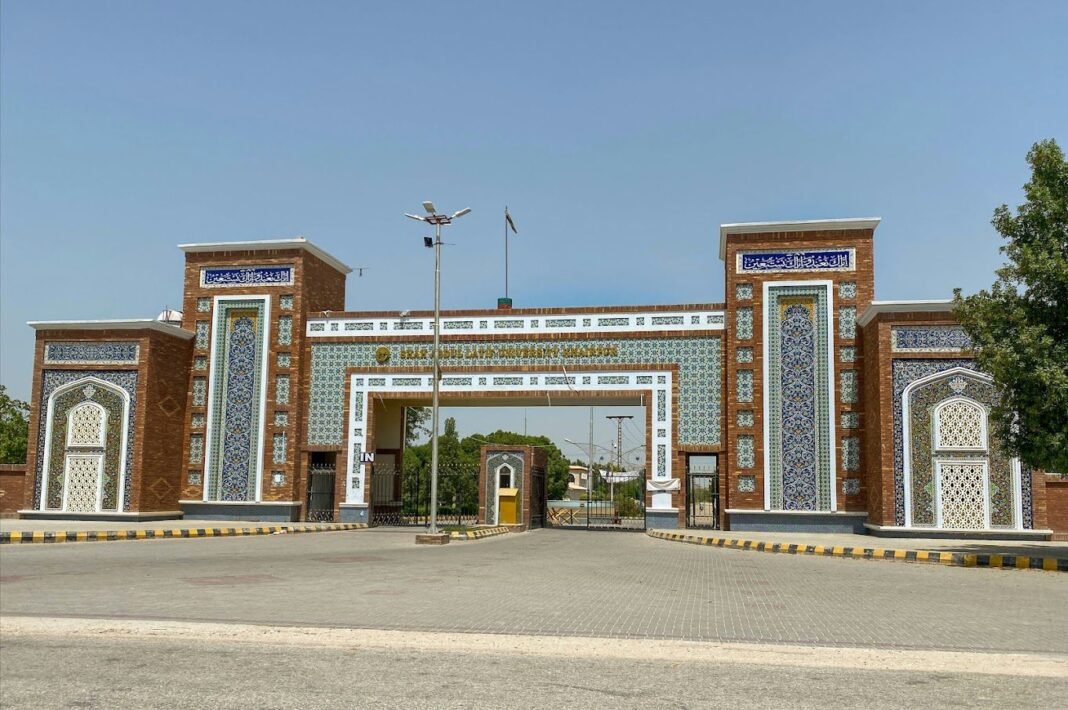
- Location: On the campus of Shah Abdul Latif University, Khairpur, Sindh
- Altitude: Around 60 meters (200 feet); Khairpur sits on the plains of upper Sindh
- Famous For: Artifacts from Kot Diji, Amri, Bhanbhore, and other Indus civilization sites, plus the ethnographic cultures of all four provinces
- Nearest City: Sukkur, about 29 kilometers away; Khairpur itself is a major district town
- Accessibility: Easy road access on the N-5 National Highway; the museum is inside the university campus in Khairpur
- Known Landmarks: The two-hall museum building, the conservation laboratory, and the Department of Archaeology
- Best For: History students, researchers, school groups, cultural travelers, and families visiting upper Sindh
Why Visit Archaeology & Anthropology Museum, Shah Abdul Latif University, Khairpur
Upper Sindh is one of the richest archaeological regions in Pakistan, and this museum is its academic heart. The Archaeology and Anthropology Museum at Shah Abdul Latif University in Khairpur displays artifacts excavated by the university’s own Department of Archaeology from sites like Kot Diji, Amri, and Bhanbhore, covering the full sweep from the pre-Harappan cultures to the Islamic period. Unlike the big national museums in Karachi and Lahore, this is a working university museum: the same halls that show you a 5,000-year-old pot also house the students and researchers who dug it up.
The museum is also significant for what it represents institutionally. Its PC-I was approved by the Higher Education Commission, and the building was constructed with two major display halls plus a chemical and conservation laboratory for treating and preserving artifacts, a facility described as the first of its kind in Pakistan’s museum sector. For visitors interested in how archaeology actually works, not just what it finds, the museum offers a rare look at the science behind the displays, from excavation to conservation.
A third reason to visit is the anthropology floor. While the ground floor covers archaeology, the first floor is devoted to the living cultures of Pakistan, with galleries showing the traditional daily life, crafts, embroidery, jewelry, arms, coins, and documents of societies from all the provinces. It is one of the few places in Sindh where you can see the country’s cultural diversity laid out under one roof, and it makes the museum rewarding for visitors who are not archaeology specialists.
Finally, the museum anchors a wider heritage itinerary. Khairpur district holds the Kot Diji Fort and the Talpur-era palaces, Sukkur is half an hour away, and Mohenjo Daro lies within reach in neighboring Larkana district. Pairing the museum with these sites turns a day trip into a genuine journey through the Indus civilization. For more heritage destinations, see the Explore Pakistan section and the Hunza Valley guide.
History of Archaeology & Anthropology Museum, Shah Abdul Latif University, Khairpur
The museum’s roots go back to 1976, when the Department of Archaeology at what is now Shah Abdul Latif University began its academic life in Khairpur. Over three decades the department grew into one of Pakistan’s leading archaeology departments, awarding BS, M.Sc., MS/M.Phil., and Ph.D. degrees, and sending its scholars and students into the field for surveys and excavations across Sindh. The idea of a museum grew naturally out of this work: the department needed a place to preserve, study, and display what its teams were finding.
The Higher Education Commission approved the museum’s PC-I, and a purpose-built museum building was completed on the university campus. It was designed with two major display halls: the ground floor for archaeological material collected by the department through its survey and excavation projects (supplemented by artifacts loaned from federal and provincial departments), and the first floor for anthropological displays. The design also included working rooms, storage space, and a well-equipped chemical and conservation laboratory for treating metal, stone, pottery, and bone specimens, an analytical facility the university describes as the first of its kind in Pakistan’s museum sector.
The museum’s collection reflects the department’s fieldwork. Its archaeologists have worked at some of Sindh’s most important sites. Kot Diji, in Khairpur district itself, is the type site of the pre-Harappan Kot Dijian culture that flourished before the mature Indus cities. Amri, in Dadu district, preserved the early cultural layers that help archaeologists understand how urban civilization developed in the region. Bhanbhore, the ancient port city near the Indus delta, shows continuous occupation from ancient to early Islamic times. Finds from these and other sites, including Lakhan-jo-Daro near Sukkur, excavated by university teams, form the core of the displays.
The museum is directed by the Chairperson of the Department of Archaeology; Dr. Tasleem Alam Abro has led guided tours explaining the significance of the collections, from Kot Dijian pottery to Buddhist stupa fragments. The institution’s mission goes beyond display: it aims to be a laboratory for archaeological research in Pakistan, where excavation, analysis, and conservation happen alongside public education. For a young museum, it has already become an important resource for students and researchers from across the country and for foreign scholars who collaborate with the department on field projects.
Top Things to Do in Archaeology & Anthropology Museum, Shah Abdul Latif University, Khairpur
Tour the Ground-Floor Archaeology Galleries
The ground floor is devoted to the archaeological sequence of Sindh, displaying a representative collection of all archaeological periods. The cases move from the prehistoric and pre-Harappan cultures through the mature Indus civilization and into the historic periods. Look for the Kot Dijian pottery with its distinctive painted bands, terracotta figurines, seals, beads, and tools excavated by the department’s own teams. Because the material comes from documented excavations, the labels tell you exactly which site and layer each object came from, which is a treat for serious history readers.
Study the Buddhist and Early Historic Artifacts
Among the museum’s notable holdings are Buddhist artifacts, including stupa fragments, votive tablets, and sculptures that reflect the early Buddhist presence in Sindh. These sit alongside material from the Hindu and Islamic periods, including coins, inscriptions, and jewelry, showing how the region’s religious and cultural landscape changed over two millennia. The juxtaposition of a Buddhist votive tablet with a medieval Islamic coin in the same institution quietly tells the whole story of Sindh.
Explore the First-Floor Anthropology Galleries
The first floor shifts from the ancient past to living culture. Its galleries display the traditional features of societies from all provinces of Pakistan: how people dress, what tools they use, how they decorate their homes. You will see arms and armor, embroidery and textiles, jewelry, coins, and ancient documents, along with a gallery presenting village life and traditional crafts. For visitors traveling with children, this floor is often the most engaging, because it connects the museum’s ancient objects to people and customs that still exist.
Learn About the Conservation Laboratory
Ask the staff about the museum’s conservation laboratory, which is equipped to treat and preserve metal, stone, pottery, and bone specimens. The university presents it as Pakistan’s first museum facility of its kind, built on scientific lines with analytical capabilities. Even a short explanation of how a corroded copper artifact is stabilized, or how a shattered pot is reconstructed, gives you a new appreciation for the objects in the cases. Researchers and students can inquire about the laboratory’s work in more depth.
Meet the Department and Its Researchers
Because this is a university museum, the archaeologists are often right there. The Department of Archaeology hosts national and international scholars, and its faculty, including the museum’s director, regularly brief visitors and the media on new discoveries, such as the ongoing work at Kot Diji. If you visit during term time, ask whether a faculty member or postgraduate student can walk you through the galleries; their explanations turn a good museum visit into a memorable one.
Famous Places In and Around Archaeology & Anthropology Museum, Shah Abdul Latif University, Khairpur
- Kot Diji Fort: The pre-Harappan type site in Khairpur district, where the Kot Dijian culture was first defined; ongoing excavations continue to reveal new finds.
- Faiz Mahal: Khairpur’s famous Talpur-era palace, a landmark of the city’s royal past.
- Mohenjo Daro: The great Indus Valley city in neighboring Larkana district, a UNESCO World Heritage Site and one of the world’s most important archaeological sites.
- Sukkur: The historic Indus river city about 29 kilometers away, with its barrage, old town, and the Lakhan-jo-Daro archaeological site.
- Bhit Shah: The shrine town of the Sufi poet Shah Abdul Latif Bhittai, the saint for whom the university is named.
- Rohri: Sukkur’s twin city on the Indus, known for its historic shrines and the Lansdowne Bridge.
How to Reach Archaeology & Anthropology Museum, Shah Abdul Latif University, Khairpur
The museum is on the campus of Shah Abdul Latif University in Khairpur, Sindh, and the city is easy to reach by road. Khairpur sits on the N-5 National Highway, the main artery of upper Sindh, and the university campus is a well-known landmark that every local driver can find. Enter through the main gate and follow signs to the Department of Archaeology and the museum building.
From Islamabad: The road distance from Islamabad to Khairpur is about 1,217 kilometers via the motorway network (M-2, M-4, and M-5) through Faisalabad, Multan, and Sukkur, a journey of roughly 19 hours of driving. In practice, almost no one drives this in one go; travelers break the trip with overnight stops in Multan or Sukkur. There is no direct commercial airport in Khairpur, so air travelers fly to Sukkur Airport and continue by road, or fly to Karachi and drive north.
From Lahore: The route from Lahore follows the M-3/M-4 and M-5 motorways south through Multan to Sukkur and then to Khairpur, a full day of driving. As with Islamabad, most travelers break the journey overnight. Alternatively, fly from Lahore to Karachi or Sukkur and continue by road.
From Karachi: Karachi is the natural gateway to Khairpur. The distance is about 450 to 460 kilometers via the N-5 through Hyderabad and Sukkur, and the drive takes roughly 5 to 6 hours. Buses and vans run frequently between Karachi and Sukkur/Khairpur, and Pakistan Railways operates trains on the main line that stop at Khairpur and nearby stations. From Khairpur city, the university is a short drive.
Nearest airport: Sukkur Airport (Begum Nusrat Bhutto International Airport) is the closest airport, about 30 to 40 minutes from Khairpur by road. Karachi’s Jinnah International Airport is the major international gateway, about 5 to 6 hours away by road.
Road conditions by season: The N-5 and the motorways are in good condition year-round. Summer heat in upper Sindh is extreme, with temperatures crossing 40 degrees Celsius, so long drives are best done early in the morning. Winter driving is comfortable. During the monsoon (July to September), watch for rain on the plains, though the main highways drain well.
Route Details
- Karachi to Khairpur: Take the N-5 north through Hyderabad, Moro, and Ranipur toward Sukkur; Khairpur lies just before Sukkur on the highway. About 450 to 460 kilometers, 5 to 6 hours.
- Sukkur to Khairpur: Continue on the highway (AH2/N-5) for about 29 kilometers; Khairpur is the first major town before Sukkur when coming from the south.
- Khairpur city to the university: Follow local signs to Shah Abdul Latif University; the campus is on the edge of the city and the museum is inside it. Allow 15 to 20 minutes from the city center.
- By train: Pakistan Railways services on the Karachi-Peshawar main line stop at Khairpur; from the station, take a rickshaw or taxi to the university.
- By air: Fly to Sukkur Airport, then take a taxi or van the 30 to 40 minutes to Khairpur and the university campus.
Where to Stay in Archaeology & Anthropology Museum, Shah Abdul Latif University, Khairpur
Khairpur is a district headquarters with a reasonable range of hotels, and Sukkur, half an hour away, has a wider selection. In Khairpur city you will find mid-range hotels and guesthouses near the main bazaar and along the N-5, offering air-conditioned rooms, which are essential in summer, and in-house restaurants. Standards are functional rather than luxurious, and prices are budget-friendly. Book by phone ahead of arrival, especially if you are visiting during the date-harvest season when the city fills with traders.
Sukkur offers more choice, including well-established mid-range hotels along the main roads and near the clock tower area, with better amenities such as room service, backup generators, and conference facilities. Many travelers visiting the museum choose to base themselves in Sukkur, see the museum and Khairpur’s sights by day, and return to Sukkur in the evening. The 29-kilometer drive takes about 30 to 40 minutes.
Budget travelers can find economy hotels and rest houses in both Khairpur and Sukkur. If you are visiting the museum on academic business, ask the university’s Department of Archaeology about guesthouse facilities on or near campus; universities in Pakistan often have simple guest rooms for visiting scholars. Wherever you stay, confirm air-conditioning for summer visits, since upper Sindh heat is no joke.
Where to Eat: Local Foods of Archaeology & Anthropology Museum, Shah Abdul Latif University, Khairpur
Upper Sindh has a distinct and delicious food culture, and Khairpur is a fine place to explore it. The signature Sindhi dishes include sai bhaji, a slow-cooked mix of spinach, lentils, and vegetables that is the region’s comfort food, and Sindhi biryani, spicier and tangier than its Karachi cousin. You will also find bhugha chawal (caramelized onion rice), koki (a thick wheat flatbread), and a variety of lentil and vegetable curries served with fresh roti. Meat lovers should try the local mutton curries and seekh kebabs from the bazaar barbecue shops.
Khairpur’s identity is inseparable from its dates. The district grows the famous Aseel variety, and the date markets of Khairpur and Sukkur are worth visiting in their own right, especially during the harvest season. Fresh dates, dried dates (chhuhara), and date-based sweets are sold everywhere, and they make the perfect edible souvenir. The city’s sweet shops also sell traditional mithai, and roadside stalls offer sugarcane juice, lassi, and fresh fruit.
Meals in Khairpur are very budget-friendly; a full meal at a local restaurant costs little by city standards, and the dhabas along the N-5 serve hearty food to travelers around the clock. The university area has canteens and tea shops catering to students. Drink bottled water, and in summer, keep hydrated and eat at clean, busy places. If you visit during Ramadan, note that most restaurants close during fasting hours.
Weather in Archaeology & Anthropology Museum, Shah Abdul Latif University, Khairpur
Khairpur has a hot desert-influenced climate typical of upper Sindh: extremely hot summers, mild winters, and very little rain. Summer temperatures routinely cross 40 degrees Celsius from May to August, while winter days are pleasant, ranging from about 8 to 25 degrees. The museum is indoors and air-conditioned, so it can be visited comfortably even in peak summer, but the overall trip is far more enjoyable in the cooler months. The best time to visit is from November to February, when the weather is mild and the date harvest brings the district to life.
| Season | Temperature Range | Conditions |
|---|---|---|
| Winter (Dec-Feb) | 8°C to 25°C | Mild, sunny days and cool nights; the best season for sightseeing and the date harvest |
| Spring (Mar-May) | 20°C to 42°C | Rapidly heating up; March is pleasant, May is fiercely hot; plan indoor activities midday |
| Summer (Jun-Aug) | 30°C to 45°C | Extreme heat; the museum’s indoor galleries are a cool refuge; avoid midday outdoor travel |
| Autumn (Sep-Nov) | 20°C to 38°C | Cooling down; November turns pleasant; monsoon rains are light and brief |
Language and Culture of Archaeology & Anthropology Museum, Shah Abdul Latif University, Khairpur
Sindhi is the language of Khairpur, spoken by the great majority of the population, with Urdu widely understood and English used in the university and official settings. The culture is deeply Sindhi: Sufi, poetic, and hospitable. The region reveres its saints and poets, above all Shah Abdul Latif Bhittai, the 18th-century Sufi poet whose shrine at Bhit Shah draws pilgrims year-round and for whom the university is named. His poetry, the Shah Jo Risalo, is the cornerstone of Sindhi literature.
Daily life in Khairpur moves at the pace of an agricultural market town. The date harvest season transforms the city, with traders, laborers, and basket weavers arriving from surrounding districts. The dress code is traditional: men wear shalwar kameez, often with the Sindhi topi (cap), and women wear shalwar kameez with dupatta. Visitors should dress modestly; women will be more comfortable with arms and legs covered and a scarf for shrine visits.
Inside the museum, standard museum etiquette applies: no touching the artifacts, no flash photography (confirm the policy on arrival), and quiet conversation in the galleries. The university campus is a respectful academic environment; dress neatly and behave accordingly. If you visit Bhit Shah or any shrine, remove your shoes where required, dress conservatively, and follow the lead of local devotees. A greeting of “Assalam-o-Alaikum” and a smile open every door in Sindh.
Shopping in Archaeology & Anthropology Museum, Shah Abdul Latif University, Khairpur
Khairpur’s markets reflect its agricultural wealth. The star purchase is dates: the Khairpur and Sukkur date markets sell the Aseel variety and dozens of others, fresh and dried, in quantities from a small gift box to bulk sacks. Buy from established traders in the main market for the best quality, and taste before you buy. Dried dates (chhuhara) travel well and make excellent gifts.
The city’s bazaars also sell Sindhi handicrafts: ajrak (the famous block-printed shawl of Sindh), Sindhi embroidery, ralli quilts, and traditional caps. These are authentic regional crafts, and prices are lower here than in Karachi’s tourist shops. You will also find lacquer work, blue pottery from nearby craft centers, and camel-skin and leather goods. Bargaining is expected and friendly.
For everyday shopping, Khairpur’s main bazaar has clothing, electronics, and household goods at small-town prices. There are no large shopping malls in Khairpur; for mall-style shopping, Sukkur has more modern retail. The most meaningful souvenirs from a museum trip, though, are the dates and the ajrak: both are deeply tied to the land whose ancient history you have just seen in the galleries.
Travel Tips for Archaeology & Anthropology Museum, Shah Abdul Latif University, Khairpur
Packing Essentials
Pack for the season: light cotton clothes, a hat, sunglasses, and sunscreen for summer; a light jacket for winter evenings. For the museum visit itself, bring a notebook, a camera (check photo policies), and comfortable walking shoes for the campus. If you plan to combine the museum with Kot Diji Fort or Mohenjo Daro, add sturdy shoes, a water bottle, and sun protection, since those sites are fully outdoors.
Safety Tips
Khairpur and the university campus are calm and safe for visitors, and the museum is a controlled academic environment. Standard travel precautions apply: keep valuables secure, use registered transport, and avoid walking alone late at night in unfamiliar areas. The campus has its own security. If you are a foreign visitor, carry your passport, and check whether any permissions are needed for archaeological sites you plan to visit beyond the museum.
Money & Connectivity
ATMs are available in Khairpur city and widely in Sukkur, but carry cash for the bazaars, small restaurants, and rickshaws. Mobile networks have good 4G coverage in Khairpur and on the university campus, and most hotels offer Wi-Fi. Ride-hailing apps may have limited availability, so agree taxi and rickshaw fares in advance.
Best Time to Visit Archaeology & Anthropology Museum, Shah Abdul Latif University, Khairpur
Winter (November to February): The Best Season
This is the best time to visit. Days are mild and sunny (8 to 25 degrees Celsius), perfect for the museum and for outdoor sites like Kot Diji Fort. The date harvest season brings energy to the markets, and fresh dates are everywhere. University term is in session, so you are most likely to meet faculty and researchers.
Spring (March to April): Pleasant but Warming
March is still pleasant, but temperatures climb fast through April. Early spring is a good shoulder season with fewer visitors and comfortable mornings. Plan museum visits for the cooler parts of the day and keep outdoor sightseeing to mornings and evenings.
Summer (May to August): Extreme Heat
Summer in Khairpur is brutally hot, with highs above 40 degrees. The museum’s indoor, air-conditioned galleries are actually an ideal summer activity, and you can pair them with an early-morning or late-evening look at outdoor sites. Stay hydrated, avoid midday sun, and choose accommodation with reliable air-conditioning.
Autumn (September to October): Cooling Down
Autumn brings relief as temperatures fall from the summer peak. October is increasingly comfortable, and the light is beautiful for photography at the outdoor sites. It is a good season for combining the museum with a wider upper-Sindh tour before the winter crowds arrive.
Final Thoughts
The Archaeology and Anthropology Museum at Shah Abdul Latif University is one of Sindh’s hidden cultural treasures: a university museum where the artifacts come from the excavations of the very department that displays them, and where the story runs from 5,000-year-old Kot Dijian pottery to the living crafts of Pakistan’s provinces. It deserves a place on every cultural itinerary of upper Sindh, whether you are a student, a researcher, or simply a curious traveler.
Visit in winter for the best weather, give the galleries unhurried time, and talk to the staff and researchers if you can; their passion is the museum’s greatest exhibit. Then step outside and see the land itself: the date orchards of Khairpur, the fort at Kot Diji, and, if your schedule allows, the great city of Mohenjo Daro. Few regions on earth pack this much history into so small an area, and this museum is the perfect key to unlock it.
FAQs
Where is the Archaeology & Anthropology Museum located?
The museum is on the campus of Shah Abdul Latif University in Khairpur, Sindh, Pakistan, in a purpose-built building housing the Department of Archaeology’s collections.
What is the best time to visit the museum?
The museum is indoors and open year-round, but the best time to travel to Khairpur is November to February, when the weather is mild and the date harvest is in season.
How do I reach the museum from Karachi?
Drive the 450 to 460 kilometer N-5 highway from Karachi to Khairpur (5 to 6 hours), take a bus or train to Khairpur, or fly to Sukkur Airport and drive 30 to 40 minutes to the university campus.
Is the museum suitable for families and children?
Yes. The museum is educational and easy to tour, and the first-floor anthropology galleries, with their displays of traditional crafts, clothing, and village life, are especially engaging for children.
Is the museum safe to visit?
Yes. It is a controlled academic environment on a university campus in a calm district town. Standard travel precautions apply, as anywhere.
Where can I stay near the museum?
Khairpur has mid-range hotels and budget guesthouses; Sukkur, 29 kilometers away, offers a wider range of hotels. Ask the university about guesthouse facilities if you are visiting on academic business.
What food should I try in Khairpur?
Try sai bhaji, Sindhi biryani, and the district’s famous Aseel dates, fresh or dried, from the Khairpur and Sukkur date markets.
What are the museum’s most important artifacts?
Highlights include pottery and figurines from Kot Diji (the pre-Harappan type site), material from Amri and Bhanbhore, Buddhist stupa fragments and votive tablets, and coins, seals, and jewelry spanning the Indus, historic, and Islamic periods.