Quick Facts
- Location: Abbottabad District, Khyber Pakhtunkhwa, in the Galiyat region of the Himalayan foothills.
- Altitude: Around 8,000 feet (2,400 metres) on average; the highest point, Miranjani, reaches 3,027 metres.
- Famous For: Temperate pine forests, Pakistan’s first chairlift, the 4-kilometre Pipeline Walking Track, and Himalayan wildlife including leopards and pheasants.
- Nearest City: Murree, about 26 kilometres away; Abbottabad is about 50 kilometres away.
- Accessibility: About 2 to 2.5 hours by road from Islamabad via the Murree Expressway. Nearest airport: Islamabad International Airport.
- Known Landmarks: The Ayubia chairlift, Pipeline Track, Mukshpuri summit, Dunga Gali (park headquarters), and the PTDC motel.
- Best For: Families, hikers, nature lovers, birdwatchers, and summer escapes from the plains heat.
Why Visit Ayubia National Park
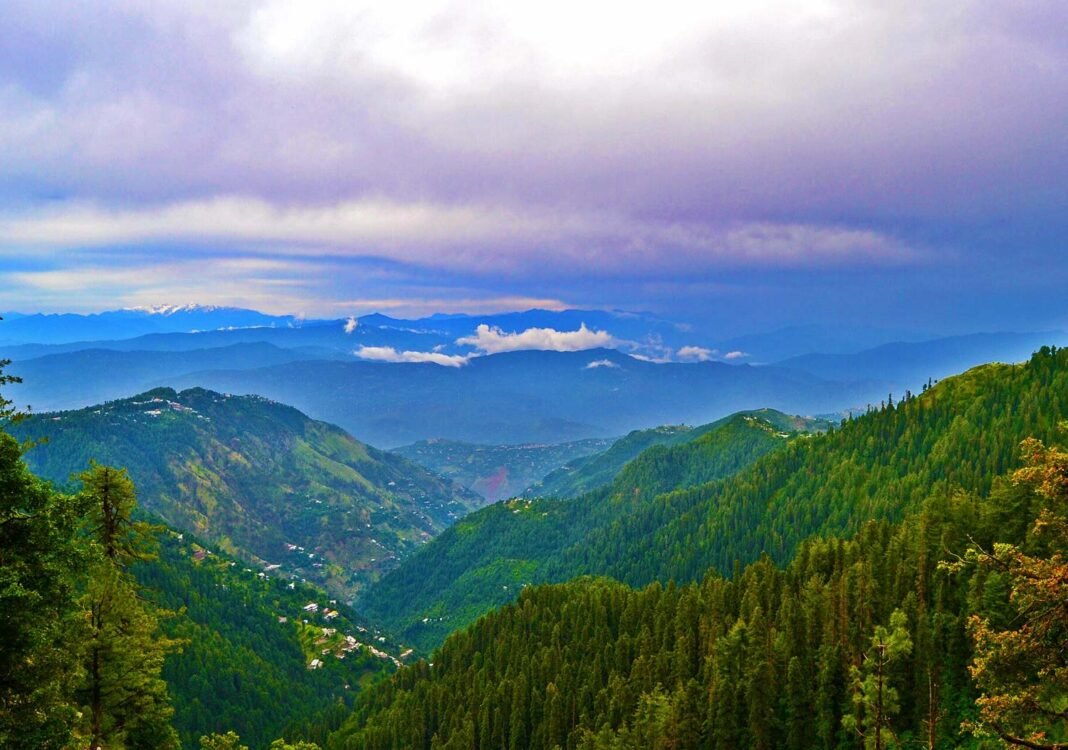
There is a particular moment, about two hours out of Islamabad, when the Murree Expressway climbs into cool air and the hillsides turn from scrub to deep pine forest. That is the Galiyat, and at its heart sits Ayubia National Park: 3,312 hectares of temperate Himalayan forest that has been drawing summer visitors for generations. This Ayubia National Park travel guide explains why it remains one of the most rewarding easy-access hill destinations in Pakistan.
The park’s great strength is that it works at every level of effort. Families with small children can ride the chairlift, stroll the flat Pipeline Track through the pines, and picnic in the meadows without breaking a sweat. Serious walkers can take on the climbs to Mukshpuri and Miranjani, proper Himalayan summits with proper Himalayan views. Birdwatchers get koklass and kalij pheasants, golden eagles overhead, and forests full of songbirds. Everyone gets the same thing underneath it all: clean mountain air and the particular quiet of a pine forest.
Ayubia also carries a conservation story worth knowing. Declared a national park in 1984 to protect these moist temperate forests, it earned international recognition for its management, including designation under UNESCO’s Man and the Biosphere Programme. The forests here are among the best-preserved of their type in Pakistan, home to leopards, flying squirrels, and a remarkable diversity of plants. Visiting with a guide or simply walking quietly, you are inside a working protected ecosystem, not a theme park.
Finally, the logistics are kind. No jeep track, no special permits, no multi-day trek to reach it. The road from Islamabad is excellent, the park headquarters at Dunga Gali is well organised, and the cluster of Galiyat towns around it, Nathia Gali, Dunga Gali, Khanspur, Changla Gali, means food and beds are never far. For a first Himalayan experience, or a quick summer weekend, Ayubia is hard to beat.
History of Ayubia National Park
The area now protected as Ayubia National Park has been valued for its forests for well over a century. During the British era, the Galiyat hill stations, of which the Ayubia cluster was part, served as summer retreats from the heat of the plains, and the forests were managed as reserve forest. The modern park was created by combining four small hill resorts of the Galiyat, Khaira Gali, Changla Gali, Khanspur and Ghora Dhaka, into a single protected landscape.
The park was formally declared a national park in 1984, named after Field Marshal Muhammad Ayub Khan, Pakistan’s second president. Its founding purpose was the conservation of the temperate forests, among the finest moist temperate forests in the country, with their wide diversity of plant and animal species. In 1998 the park was expanded from its original 1,684 hectares to 3,312 hectares (33 square kilometres), more than doubling the protected area. Since then it has been managed by the Khyber Pakhtunkhwa Wildlife Department, with the park headquarters at Dunga Gali.
Ayubia’s protection record earned it international notice: its intensive management led to designation as a biosphere reserve under UNESCO’s Man and the Biosphere Programme, recognising the Galiyat forests’ ecological value. The park is classified as IUCN Category V, a protected landscape where conservation works alongside the seven villages and the towns of Thandiani, Nathiagali and Khanspur that surround it. Tourism has grown steadily; the park now receives well over 100,000 visitors a year, drawn by its picnic spots, trails and the famous chairlift, the first recreational chairlift built in Pakistan, which still carries visitors up toward Mukshpuri for views over the forested hills.
Top Things to Do in Ayubia National Park
The park rewards both the gentle stroller and the committed hiker. Start at the Dunga Gali headquarters for orientation, then choose your pace.
Walk the Pipeline Track
The Pipeline Walking Track is Ayubia’s signature walk: a 4-kilometre, mostly flat trail running from Ayubia to Nathiagali through beautiful pine forest, following the line of an old water pipeline. It is shaded, well-marked, and suitable for children and older walkers, taking about 45 minutes to an hour at a stroll. Go early in the morning for birdsong and the chance of seeing monkeys and pheasants, and carry water; there are no shops on the trail itself.
Ride the Chairlift toward Mukshpuri
The Ayubia chairlift was the first recreational chairlift in Pakistan and remains a major attraction. It carries visitors from the central Ayubia area up toward the Mukshpuri ridge for sweeping views of the forested hills and, on clear days, the distant snow peaks. The ride is gentle and suitable for families. Queues build up on summer weekends and public holidays, so ride on a weekday morning if you can.
Hike to Mukshpuri Summit
Mukshpuri (around 2,800 metres) is the classic Galiyat day hike and one of the most popular treks near Islamabad. The trail climbs through pine and oak forest to a broad summit with panoramic views. Allow 2 to 3 hours up at a steady pace, carry water and snacks, and start early to be down before afternoon cloud builds. In winter the upper trail holds snow and needs proper boots.
Climb Miranjani
Miranjani, at 3,027 metres the highest point in the park area, is a bigger undertaking than Mukshpuri and a more serious reward: on a clear day the views run from the Galiyat ridges to the high Himalaya. The usual route starts near Dunga Gali. It is a full morning’s climb; go with a local guide if you are unsure of the route, and check conditions in winter when snow can make the top section difficult.
Watch for Wildlife and Birds
Ayubia’s forests shelter Indian leopards, leopard cats, golden jackals, red foxes, yellow-throated martens, civets, wild boar, rhesus macaques and flying squirrels, though the larger mammals are shy and mostly nocturnal. The birds are the real show: kalij and koklass pheasants, wedge-tailed green pigeons, great barbets, Himalayan cuckoos, crested serpent-eagles and golden eagles. Dawn on the Pipeline Track with binoculars is the best birding in the park. Keep your distance from all wildlife, never feed the monkeys, and stay on marked trails.
Picnic in the Meadows
The park’s meadows and designated picnic spots are made for slow afternoons: pine shade, cool air, and space for children to run. The areas around the chairlift base and along the Pipeline Track are the most popular. Bring your food from the Galiyat towns, take all litter back with you, and do not light fires in the forest.
Explore Dunga Gali
The park headquarters town of Dunga Gali, 25 kilometres from Murree and 50 from Abbottabad, is worth an hour on its own: a classic Galiyat hill settlement with old British-era buildings, bazaar lanes, and the start of the Miranjani trail. It is also the practical base for park information.
Famous Places In and Around Ayubia National Park
Nathia Gali: The best-known Galiyat hill station, at the far end of the Pipeline Track, with its bazaar, church, and Governor’s House viewpoints.
Murree: The famous hill station 26 kilometres away, for Mall Road, Kashmir Point and Pindi Point.
Khanspur: The quiet Galiyat town within the park’s orbit, with the historic church and calm lanes.
Thandiani: A serene, less-visited hill station to the north, good for a quiet second day.
Abbottabad: The gateway city 50 kilometres away, with Shimla Hill, Ilyasi Mosque and the old cantonment.
Changla Gali and Khaira Gali: The smaller Galiyat settlements that were merged into the park, peaceful and scenic.
How to Reach Ayubia National Park
Ayubia is one of the most accessible hill destinations in Pakistan, served by the excellent Murree Expressway (E75) from Islamabad.
From Islamabad
The drive is roughly 70 to 80 kilometres and takes 2 to 2.5 hours. Take the Murree Expressway from Islamabad toward Murree, continue past Murree toward Nathiagali, and follow signs for Ayubia and Dunga Gali. The road is a well-maintained dual carriageway most of the way, then a good mountain road. Start early on summer weekends to beat both the heat of the plains and the traffic.
From Lahore
Take the M2 motorway to Islamabad (about 380 kilometres, 4 to 4.5 hours), then the expressway up to Ayubia. Door to door it is a full day’s journey, roughly 7 to 8 hours with rest stops, so most Lahore visitors make it at least a two-day trip with a night in the Galiyat.
From Karachi
Fly to Islamabad International Airport and drive up from there; the road journey from Karachi is well over 1,400 kilometres and only practical within a long northern tour. From the airport to Ayubia is about 3 hours by car.
Nearest Airport
Islamabad International Airport is the nearest airport. Taxis and rented cars with drivers are available at the airport; for the mountain road, a driver who knows the Galiyat is worth the extra cost.
By Public Transport
Public vans and coasters run from Rawalpindi to Murree throughout the day; from Murree, local vans and jeeps serve Ayubia, Dunga Gali and Nathiagali. The connections are frequent in summer and thinner in winter. For families and groups, hiring a car with a driver from Islamabad or Rawalpindi is far more comfortable and flexible.
Route Details
The standard route: Islamabad Expressway to the Murree Expressway interchange, up the E75 past the Satra Meel toll plaza, through the expressway’s tunnels and viewpoints to Lower Topa and Murree, then the Nathiagali road past Dunga Gali to Ayubia. The expressway is driveable year-round, but in December-February heavy snowfall can temporarily close or restrict the upper sections; check conditions before leaving, carry warm clothing, and in deep winter consider a 4×4. Monsoon rain (July-September) makes the mountain road slippery and can trigger landslides, so drive cautiously and avoid night driving in heavy rain.
Where to Stay in Ayubia National Park
Accommodation clusters in the Galiyat towns around the park rather than inside it. The well-known PTDC motel at Ayubia is the landmark stay, a long-established government motel in a superb forest setting; book well ahead for summer weekends. Around it, Nathia Gali, Dunga Gali, Khanspur and Changla Gali offer the full range: mid-range hotels and guesthouses aimed at summer families, simpler budget guesthouses, and a handful of upmarket options with valley views.
Prices rise steeply in the June-August peak season and on long weekends, and the best places fill weeks ahead, so reserve early. For a quieter stay, Khanspur and Changla Gali are calmer than Nathia Gali’s bazaar strip. Winter visitors should confirm heating arrangements before booking; not every guesthouse is properly equipped for sub-zero nights. Camping inside the national park itself is not an established, serviced option; stick to proper accommodation in the towns.
Where to Eat: Local Foods of Ayubia National Park
Galiyat food is mountain comfort food. The bazaars of Nathia Gali, Dunga Gali and the Ayubia chairlift base are lined with restaurants and dhabas serving chicken karahi, the default celebratory dish of every hill trip, along with mutton karahi, daal, and mixed vegetables, all mopped up with tandoori naan. Breakfast is a local institution: desi-ghee parathas, omelettes, halwa puri and endless doodh patti, best eaten on a hotel terrace in the morning sun.
Roadside stalls sell roasted corn (bhutta) in season, pakoras and samosas for the chairlift queue, and excellent local walnuts and wild honey from Galiyat shops, worth buying to take home. Hotel restaurants in the mid-range properties do set barbecue nights in summer. A dhaba meal for one is budget-friendly at a few hundred rupees; tourist restaurants on Nathia Gali’s main strip charge more. Eat at busy places, drink bottled water, and carry snacks and water on the trails, where there is nothing to buy.
Weather in Ayubia National Park
At 2,400 metres, Ayubia’s climate is a different world from the Punjab plains two hours below. Summers are cool and pleasant, the monsoon brings near-daily rain, autumn is crisp and clear, and winter brings heavy snow. Always carry a layer more than you think you need; mountain weather changes fast.
| Season | Temperature Range | Conditions |
|---|---|---|
| Winter (Nov-Feb) | -10 to 10°C | Cold with heavy snowfall in December-January. Magical but demanding; check road conditions. |
| Spring (Mar-Apr) | 5 to 18°C | Cool and fresh; wildflowers appear, crowds are thin. Nights still need warm clothing. |
| Summer (May-Aug) | 15 to 25°C | Pleasantly cool; the peak visitor season. Monsoon rain is frequent July-September. |
| Autumn (Sep-Oct) | 8 to 20°C | Clear skies, golden forest colours, excellent hiking weather. Arguably the finest season. |
Language and Culture of Ayubia National Park
Hindko is the mother tongue of most Galiyat communities, with Pashto also spoken and Urdu understood everywhere; hotel and restaurant staff will communicate easily with visitors from any part of Pakistan. The local culture is that of conservative mountain communities: hospitality is genuine and generous, but visitors should dress modestly, ask before photographing people, and respect prayer times, when shops briefly close.
The villages around the park live with the forest; many families depend on it for fuelwood, grazing and medicinal plants, which is why the national park’s rules matter. Stay on marked trails, do not pick plants or disturb wildlife, and carry your litter out. Friday is the quiet day in the bazaars. If you hire a local guide for Mukshpuri or Miranjani, you are also supporting the community the park was partly created to sustain.
Shopping in Ayubia National Park
Shopping here is small-scale and local. The Nathia Gali bazaar is the main market: shops selling walnuts, wild honey, dried fruits, woollen shawls and caps, wooden handicrafts, and the usual hill-station souvenirs. Dunga Gali’s smaller bazaar is quieter and sometimes cheaper. Bargain politely; starting offers are tourist-priced. There are no shopping malls in the Galiyat, and this guide claims none; for serious shopping, Abbottabad’s markets, 50 kilometres away, are the nearest proper town centre. Buy the walnuts and honey; they are the genuine local products.
Travel Tips for Ayubia National Park
Packing Essentials
Layers are everything: a warm jacket even in summer for the evenings, and full winter gear (thermals, gloves, waterproof boots) from November to February. Sturdy walking shoes with grip are essential for the trails; the Pipeline Track is easy but Mukshpuri and Miranjani are not. Bring sunscreen and sunglasses (mountain sun is strong), a rain jacket in monsoon season, a basic first-aid kit, and a power bank; carry cash, as ATMs are limited in the Galiyat towns.
Safety Tips
Stay on marked trails; the forest is dense and it is easy to get disoriented off-path. Start hikes early and be down before dark. Do not approach or feed monkeys or any wildlife. In winter, check avalanche and road advisories before attempting high trails, and never drive the mountain road in heavy snow without experience and proper tyres. Keep children close at viewpoints and on the chairlift.
Money & Connectivity
ATMs exist in Nathia Gali and Murree but can run dry on long weekends, so carry enough cash for your whole stay. Mobile signals from the major networks cover the main towns and the park’s central areas, though data can be patchy on the trails and in valleys. Hotels increasingly accept bank transfers for bookings; roadside restaurants are cash-only.
Best Time to Visit Ayubia National Park
May to June: Classic Summer Season
Cool 15 to 25°C days, green forests, all facilities open. This is the peak season and the best time to visit Ayubia National Park for a classic summer escape, but book accommodation early and expect crowds on weekends.
September to October: The Connoisseur’s Season
Clear skies, golden autumn colours, crisp hiking weather and thinner crowds. Many regulars consider this the finest time in the Galiyat.
December to February: Snow Season
Heavy snowfall transforms the park into a winter landscape. Beautiful for snow play and photography near the towns, but high trails become difficult and road access can be interrupted; check conditions daily.
March-April and July-August: Shoulder Months
Spring brings flowers and solitude with cool nights. The monsoon months are lush and misty but wet, with near-daily rain; the forest is at its greenest, but trails are slippery and views are often clouded.
Final Thoughts
Ayubia National Park is the rare protected area that asks nothing difficult of its visitors and gives a great deal back. A flat forest walk, a chairlift ride, a proper summit if you want one, pheasants at dawn, and the clean cold air of 8,000 feet, all within two and a half hours of Islamabad. The conservation story underneath, one of Pakistan’s best-managed temperate forests, makes every visit feel like it matters a little.
Walk the Pipeline Track at dawn at least once; it is the single experience that explains the park. Then, if the hills have truly caught you, our Malam Jabba guide takes you higher into the mountains, while Hunza Valley shows you what lies beyond. More ideas across the country are in the Explore Pakistan section.
FAQs
Where is Ayubia National Park located?
In Abbottabad District, Khyber Pakhtunkhwa, in the Galiyat region, about 26 kilometres from Murree and 70 to 80 kilometres from Islamabad.
When was Ayubia National Park established?
In 1984, named after President Muhammad Ayub Khan; it was expanded from 1,684 to 3,312 hectares in 1998 and is managed by the KP Wildlife Department.
What is Ayubia famous for?
Pakistan’s first chairlift, the 4-kilometre Pipeline Walking Track from Ayubia to Nathiagali, temperate pine forests, and wildlife including leopards, flying squirrels and Himalayan pheasants.
What is the best time to visit Ayubia?
May-June for classic summer weather, September-October for clear autumn hiking, and December-February for snow. Avoid expecting dry trails in the July-September monsoon.
How do I reach Ayubia from Islamabad?
Drive the Murree Expressway (2 to 2.5 hours, 70-80 km) past Murree toward Nathiagali and follow signs to Ayubia/Dunga Gali. Public vans run via Murree.
Is Ayubia good for families with children?
Very. The chairlift, the flat Pipeline Track, picnic meadows and gentle weather make it one of Pakistan’s easiest hill destinations for kids.
Where can I stay near Ayubia?
The PTDC motel at Ayubia plus mid-range hotels and guesthouses in Nathia Gali, Dunga Gali, Khanspur and Changla Gali. Book early for summer weekends.
Can I see a leopard in Ayubia National Park?
Leopards live in the park but are shy and nocturnal; sightings are rare and lucky. Dawn walks offer the best chance of seeing pheasants, monkeys, martens and rich birdlife instead.