Hidden among the pine-covered ridges of Poonch District, Banjosa Lake is one of the most peaceful weekend escapes in Azad Jammu and Kashmir. This Banjosa Lake travel guide brings together everything a first-time visitor needs: the lake’s real history, the best time to visit, things to do, where to stay, what to eat, and the exact routes from Islamabad, Lahore and Karachi. Whether you are planning a family picnic, a winter trip to walk on frozen water, or a quiet retreat in the pines, this guide has you covered.
Quick Facts
- Location: Poonch District, Azad Jammu and Kashmir, Pakistan
- Altitude: around 1,981 metres (6,499 feet) above sea level
- Famous For: a calm man-made lake ringed by dense pine forest, boating, winter ice-walking
- Nearest City: Rawalakot, about 18 to 20 kilometres away
- Accessibility: metalled road from Rawalakot; about 160 km from Islamabad/Rawalpindi
- Known Landmarks: AJK Tourism rest houses, lakeside cottages, Chotta Gala Bazaar
- Best For: families, couples, nature photographers, weekend travellers, winter-snow seekers
Why Visit Banjosa Lake
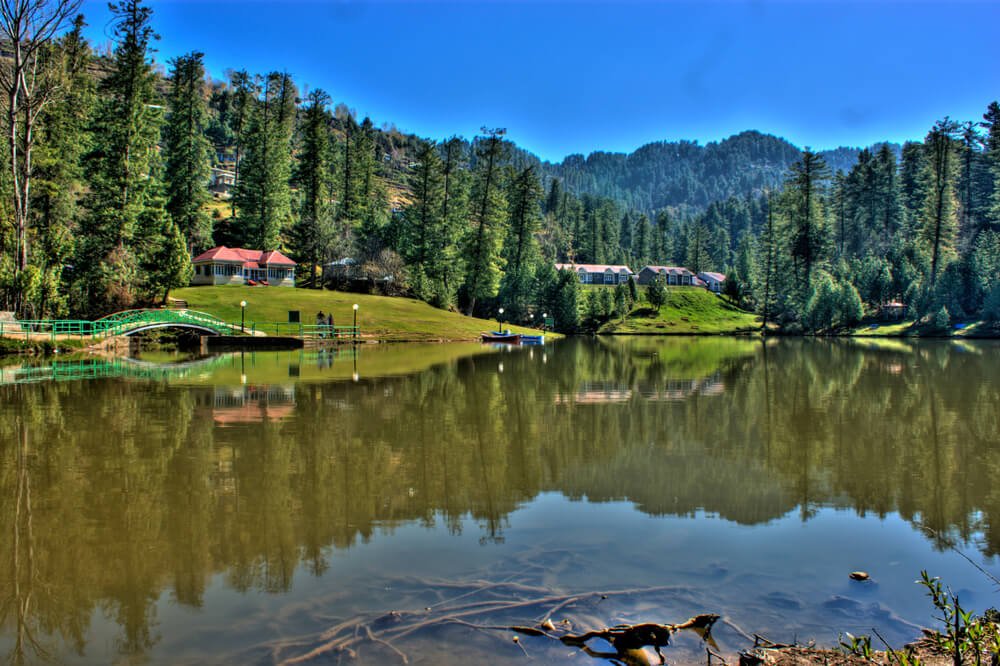
Banjosa Lake earns its reputation honestly. Unlike remote alpine lakes that demand days of trekking, this one is reached by an easy drive from Rawalakot, yet it still feels like a genuine mountain retreat. The water is calm and reflective, the air smells of pine, and the hills around the lake are thick with forest. It is the kind of place where a family can spread a picnic cloth, where photographers can wait for the evening light, and where city travellers can simply sit still.
Part of the appeal is how much the place changes with the seasons. In summer the lake is a cool refuge from the heat of the plains, with paddleboats on the water and horses trotting along the shoreline. In winter the entire landscape transforms: the lake freezes over, snow settles on the pines, and visitors walk across the ice — one of the most unusual free experiences within a day trip of Islamabad.
Banjosa is also practical. Rest houses, guest houses and small hotels cluster around the lake, a market sits about a kilometre away, and Rawalakot’s full services are only half an hour down the road. For travellers exploring Azad Kashmir for the first time, it pairs naturally with a trip to Toli Pir and the rest of the Poonch region, making it a strong anchor for a two- or three-day itinerary. If you are building a list of places worth a weekend, our Explore Pakistan section has more destinations of the same kind.
History of Banjosa Lake
Banjosa Lake is a man-made lake, not a natural one, and its documented history is refreshingly recent. The lake and its surrounding tourist resort were developed as a recreational site for Rawalakot, and the lake was rebuilt by Shoukat Hussain, a well-known contractor of Poonch District. Over the years the site grew from a quiet reservoir into one of the most visited tourist spots in Azad Kashmir, with rest houses built by the AJK Tourism and Archaeology Department, the Pakistan Public Works Department (PWD) and the Pearl Development Authority.
The history of the wider region reaches much further back. Poonch is an ancient district that lay on old trade routes between Punjab and Kashmir, and its villages have long been home to Pahari-speaking farming communities. Rawalakot itself, often called the “Pearl Valley,” developed as the administrative and commercial centre of the district. The creation of the lake gave the region a landmark it had never had before — a still, reflective body of water in a landscape previously defined by rivers and streams — and local tourism grew around it quickly.
Today the lake is managed as a tourism site, with boating, horse riding and camping available in season. The wooden cottages and walkways along the shore are part of a deliberate effort to make the area comfortable for families. Unlike ancient monuments, Banjosa does not ask visitors to imagine history — it asks them to enjoy a landscape that their own generation helped create, and that is part of its charm.
Top Things to Do in Banjosa Lake
Boating on the Lake
Boating is the signature activity at Banjosa. Paddleboats and rowing boats are available in the warmer months, and a slow circuit of the lake is the best way to appreciate how completely the pines ring the water. Early morning and late afternoon give the calmest water and the best reflections. Boats are rented by local operators near the main shore, and a ride is short enough to fit between a picnic and a lakeside walk.
Walk or Skate on the Frozen Lake
In the coldest weeks of winter, usually around December and January, the lake’s surface freezes hard enough to walk on. Locals and visitors alike step onto the ice, and some bring skates. It is a rare sight — a sheet of ice surrounded by snow-dusted pines — and it costs nothing. Check with locals that the ice is thick enough before stepping out, and keep to areas where others are already walking.
Horse Riding Around the Shore
Horse owners along the lake offer short rides, especially in summer. The gentle path around the water is easy for beginners and children, and a ride of twenty to thirty minutes is a pleasant way to see the forest edge. Agree on the duration and price before mounting, as you would anywhere in the northern areas.
Lakeside Walks and Photography
A walkway circles much of the lake, with benches placed at the best viewpoints. The water mirrors the pines so cleanly that sunrise and sunset photographs here look almost painted. Bird watchers should bring binoculars in spring, when the forest is active, and everyone should bring a camera in winter, when mist sometimes hangs over the ice.
Camping Under the Pines
Camping is a popular choice in the warmer months, either with your own tent in the forest clearings or through operators who set up camps near the shore. Nights are cool even in July, and the sky away from city lights is excellent for stargazing. A small bonfire with tea is the classic Banjosa evening.
Family Picnics
The grassy areas and shaded spots around the lake were made for picnics. Many families from Rawalakot and Islamabad make it a day trip, arriving by mid-morning and leaving before dusk. Tuck shops near the lake sell snacks and cold drinks, so a full packed meal is optional.
Famous Places In and Around Banjosa Lake
- Toli Pir: a famous hilltop with panoramic views of valleys and meadows, the most common add-on to a Banjosa trip.
- Rawalakot: the “Pearl Valley” itself, with markets, restaurants and parks, 18 to 20 km away.
- Paniola Meadows: green meadows near Rawalakot, good for a quiet walk and village views.
- Poonch River: a scenic riverside spot for nature lovers and photographers.
- Ghazi-e-Millat Shrine: a well-known shrine in the Rawalakot area, visited by many travellers to the region.
How to Reach Banjosa Lake
Banjosa Lake is one of the easiest mountain lakes in Pakistan to reach. The nearest city is Rawalakot, about 18 to 20 kilometres away, and a metalled road connects the town to the lake in roughly 30 minutes. From Islamabad or Rawalpindi, the drive is about 160 kilometres and usually takes three and a half to four and a half hours, depending on traffic and road conditions. The standard route runs through Kahuta and Azad Pattan into Azad Kashmir, then climbs to Rawalakot and continues to the lake.
From Lahore, the journey is around 540 kilometres via the M-2 motorway to Islamabad and then the Rawalakot road — roughly nine to ten hours of driving with breaks, so most travellers break it at Islamabad. From Karachi, flying to Islamabad (about two hours) and then driving to the lake is the sensible option; the road journey from Karachi is over 1,400 kilometres and not practical for a short trip.
The nearest airport is Islamabad International Airport. From there, visitors can hire a private car or book a tour van; regular public transport runs to Rawalakot, from where local Suzuki vans and taxis go up to the lake. The Rawalakot–Banjosa road is paved and fine for ordinary cars in most of the year, though winter snow can close it briefly — confirm conditions before setting out in December or January.
Route Details
- Islamabad/Rawalpindi to Rawalakot: take the Kahuta road toward Azad Pattan, cross into Azad Kashmir, and follow the road up to Rawalakot (about 130 km, 3 to 4 hours).
- Rawalakot to Banjosa Lake: from the city centre, take the Banjosa road southeast for about 18 to 20 km (about 30 minutes). Signposts and locals will point the way.
- Public transport: coaches and vans run from Islamabad’s Pirwadhai and Faizabad terminals to Rawalakot; from Rawalakot’s main adda, vans and taxis serve the lake.
- Best departure time: leave Islamabad early in the morning to reach the lake by early afternoon with daylight to spare.
Where to Stay in Banjosa Lake
Accommodation around the lake falls into a few clear tiers. Government rest houses — including those of the AJK Tourism and Archaeology Department, the PWD and the Pearl Development Authority — are among the most sought-after options, with simple comfortable rooms in excellent locations near the water. These are booked in advance, especially on summer weekends.
Private hotels and guest houses near the lake include places such as Hotel Night Bridge, Heaven Dreams Guest House, Gulf Palace, the AJK Tourism Guest House, Roshni Heights Hotel & Guest House and Banjosa Inn Guest House, offering rooms with lake or forest views. A market about a kilometre away at Chotta Gala Bazaar and Banjosa Bazaar has a few more small hotels and tuck shops. For a wider choice, Rawalakot — thirty minutes down the road — has hotels at every level, and many visitors simply base themselves in town and drive up for the day. Camping in the forest clearings is the budget option in summer; bring your own tent or arrange one through a local operator.
Where to Eat: Local Foods of Banjosa Lake
Food around the lake is simple mountain fare. Tuck shops and small eateries near the shore serve tea, pakoras, parathas and fried snacks — the standard picnic companions. For fuller meals, the bazaars at Chotta Gala and Banjosa, and the restaurants of Rawalakot, serve Pakistani and Kashmiri dishes.
The drink to try is Kashmiri chai — the pink, salted tea (also called noon chai) that is the signature of the region — along with kehwa, the light green tea served after meals. In Rawalakot you will find dishes common across Poonch: hearty daal and sabzi, grilled meats, and Kashmiri-style pulao. A meal at a lakeside eatery is budget-friendly, while a restaurant meal in Rawalakot costs a little more; as a rough guide, expect a simple meal for two near the lake to be very affordable, with Rawalakot restaurants sitting in the mid-range. For a sweet touch, look for local bakeries selling fresh biscuits and cakes in Rawalakot’s main bazaar.
Weather in Banjosa Lake
Banjosa sits at nearly 2,000 metres, so its weather is cool in summer and genuinely cold in winter. Summer days are pleasant and mild, winter brings snowfall and a frozen lake, and spring and autumn are short, beautiful shoulder seasons. The table below gives approximate seasonal ranges.
| Season | Temperature Range | Conditions |
|---|---|---|
| Winter (Dec–Feb) | -5°C to 8°C | Snowfall common; lake freezes over; roads can close briefly after heavy snow |
| Spring (Mar–Apr) | 8°C to 18°C | Wildflowers in the meadows; forest fresh and green; very pleasant |
| Summer (May–Aug) | 16°C to 25°C | Mild and refreshing; best for boating, camping and picnics; monsoon showers possible |
| Autumn (Sep–Nov) | 10°C to 20°C | Clear skies; golden foliage in the forest; fewer crowds |
Language and Culture of Banjosa Lake
The people around Banjosa Lake are Pahari-speaking, with the Poonchi dialect of Pothwari/Pahari common in homes and bazaars. Urdu is widely understood, especially around Rawalakot and the tourist sites, so visitors from other parts of Pakistan have no trouble communicating. English is understood in hotels and rest houses.
The culture is that of rural Azad Kashmir: deeply hospitable, family-oriented and conservative. Guests are treated with warmth, and it is normal to be offered tea by shopkeepers. Visitors should dress modestly, particularly around villages and shrines, and ask before photographing people. Littering is a real concern at such a popular spot — carry your rubbish back to the bins. The region is Muslim-majority, and prayer times structure the day; restaurants and shops may pause briefly at those times.
Shopping in Banjosa Lake
Shopping here is low-key. The small market near the lake at Chotta Gala Bazaar and Banjosa Bazaar sells snacks, daily essentials and a few souvenirs. For real shopping, head to Rawalakot’s bazaars, where you will find woollen shawls, embroidered fabrics, dry fruits and walnuts — the classic Kashmiri souvenirs — along with local honey. Prices are reasonable and bargaining is normal. There are no shopping malls at the lake or in Rawalakot; the experience is bazaar shopping, which suits the place.
Travel Tips for Banjosa Lake
Packing Essentials
Pack warm clothes even in summer — evenings at 1,981 metres are chilly, and a light jacket is essential. In winter, bring heavy woollens, gloves and sturdy waterproof shoes. Sunscreen, a reusable water bottle, a power bank and a camera round out the kit. If you plan to camp, bring a warm sleeping bag.
Safety Tips
Banjosa is considered safe for families and solo travellers, and the area is well visited. Standard precautions apply: stick to marked paths, do not swim in the lake, and supervise children near the water and on boats. In winter, confirm the road is open before leaving Rawalakot, and do not walk on the ice unless locals confirm it is frozen solid.
Money & Connectivity
Carry cash — small eateries, boat operators and horse owners do not take cards, and ATMs are limited to Rawalakot. Mobile signals from the major networks generally work around the lake, though data can be slow on busy weekends. Wi-Fi is available in most hotels and rest houses.
Best Time to Visit Banjosa Lake
April to October — Green Season
This is the classic window. The forest is at its greenest, the lake is open for boating, and camping and horse riding are in full swing. May and June bring wildflowers, September and October bring golden foliage and thinner crowds. October is an especially good single month: sharp clear air, autumn colour, and accommodation available without long advance booking.
December to February — Snow Season
For snow lovers, winter is the reward. Temperatures drop to around -5°C, snowfall covers the pines, and the frozen lake becomes the main attraction. January is the best bet for the full frozen-lake experience. Confirm road access from Rawalakot the day before, pack serious winter clothing, and plan to return to town before dark.
March and November — Shoulder Months
These months are quiet and can be lovely, but the weather is changeable and some services wind down. Good for travellers who prefer solitude, as long as they pack for cold snaps.
Final Thoughts
Banjosa Lake is proof that a great destination does not need ancient ruins or extreme adventure. It needs clean air, still water, tall pines and easy access — and it has all four. A day here resets the mind in a way that crowded hill stations no longer manage, and the winter ice adds a genuine surprise for returning visitors.
Plan around your season of choice, book your stay ahead in summer, carry cash, and leave the shoreline cleaner than you found it. If this Banjosa Lake travel guide has helped you plan, you may also enjoy our guides to other northern escapes such as Malam Jabba and the Hunza Valley.
FAQs
Where is Banjosa Lake located?
Banjosa Lake is in Poonch District of Azad Jammu and Kashmir, about 18 to 20 kilometres from Rawalakot, at an altitude of around 1,981 metres.
What is the best time to visit Banjosa Lake?
April to October is best for boating, camping and green scenery. December to February is best for snowfall and the frozen lake.
How do I reach Banjosa Lake from Islamabad?
Drive about 160 kilometres via Kahuta and Azad Pattan to Rawalakot (3 to 4.5 hours), then 30 minutes up the Banjosa road. Public vans run from Islamabad to Rawalakot.
Is Banjosa Lake safe for families?
Yes. It is a well-visited, family-friendly spot with rest houses, eateries and easy paths. Supervise children near the water and on boats.
Can you walk on the frozen lake in winter?
Yes — in December and January the lake usually freezes hard enough to walk on, and some visitors skate. Confirm with locals that the ice is safe first.
Where can I stay near Banjosa Lake?
Options include AJK Tourism and PWD rest houses, private guest houses such as Hotel Night Bridge, Heaven Dreams Guest House and Banjosa Inn, and hotels in Rawalakot 30 minutes away.
What food is available at Banjosa Lake?
Lakeside tuck shops serve tea and snacks; fuller meals and Kashmiri chai, kehwa and regional dishes are available in the nearby bazaars and in Rawalakot.
Is there an entry fee for Banjosa Lake?
There is generally no formal entry fee for the lake area itself; you pay separately for boating, horse riding and parking.