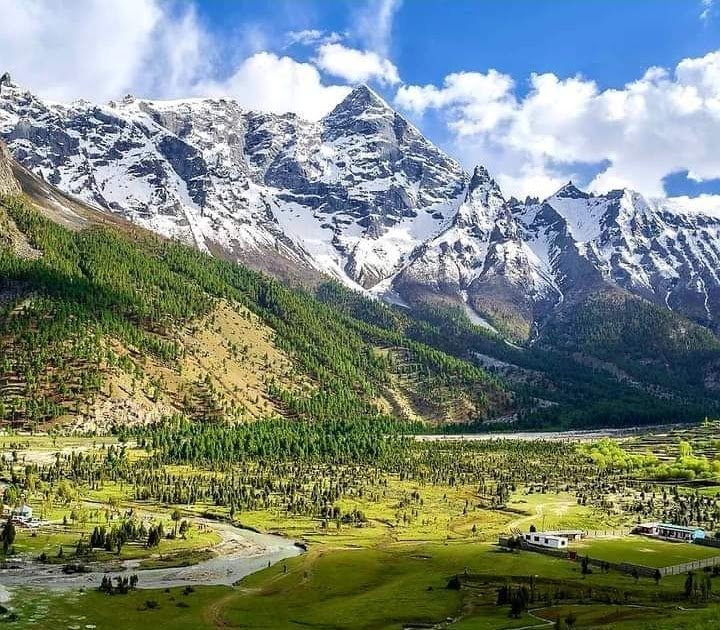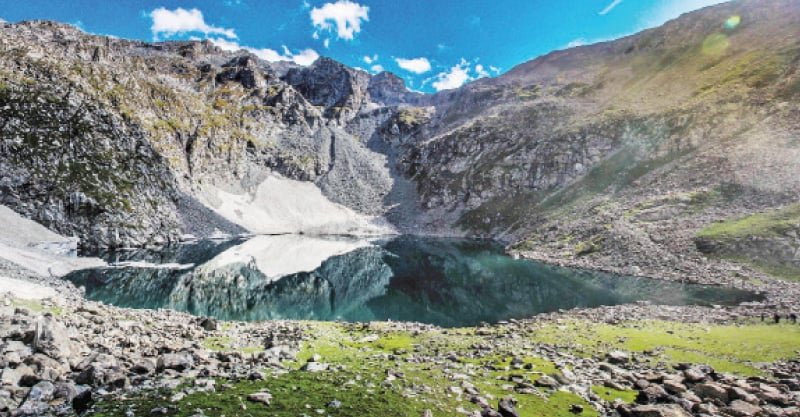
Quick Facts
- Location: Bashigram Valley, east of Madyan, Swat District, Khyber Pakhtunkhwa
- Altitude: Around 11,500 feet (3,500 metres) above sea level
- Famous For: A remote alpine glacial lake, locally called Bashigram Danda, reached by a 4–5 hour trek
- Nearest City: Madyan (base town); Mingora is the nearest major city
- Accessibility: Partly metalled road to Bashigram valley from Madyan (40–50 minutes by vehicle), then a 4–5 hour hike to the lake
- Known Landmarks: The emerald glacial lake itself, the Chail Khwar stream flowing out of it, the hamlets of Kas, Shako and Bela Bhigram on the trail
- Best For: Trekkers, adventure seekers, photographers, nature lovers — not a casual drive-up destination
Why Visit Bashigram Lake
Most visitors to Swat never get beyond Kalam, Malam Jabba and Mahodand Lake, but the valley holds far more than its famous stops — and Bashigram Lake is the proof. Sitting at around 11,500 feet in the alpine zone of Bashigram valley, east of Madyan, this glacial lake rewards the people willing to walk for it with the kind of solitude the popular lakes lost years ago. A bashigram lake travel guide exists because the lake deserves to be known, but it also deserves to stay wild.
The journey is genuinely part of the destination. The trek from the valley floor takes four to five hours through thick forest, past crystal-clear springs and along gushing streams, with the trail climbing through hamlets where nomad families graze sheep, goats and cows on summer pastures. Trekkers who have made the trip describe emerald-coloured water ringed by high walls of rock and alpine peaks — a sight that, in the words of one Dawn report, makes visitors “instantly forget the pain they experience to reach it.” Guides from the trail villages say foreign trekkers have called it one of the most beautiful lakes in the world.
Bashigram also offers something rare in Pakistani tourism: a frontier feeling. There are no hotels at the lake, no snack stalls, no crowds — just the lake, the glaciers above it and the silence between streams. Local folklore says far-off lakes like this are the dwelling places of fairies, and standing on the shore at 11,500 feet, you can understand why the people of the valley believe it. For adventure lovers who want to earn their views, this is one of the finest day-to-several-day treks in Swat.
Finally, the lake is honest about what it asks of you. It cannot be driven to, it cannot be rushed, and the weather can turn fast. That filter keeps it pristine — trekkers have complained about the few plastic bottles that do appear, which is a reminder that Bashigram stays beautiful only because its visitors respect it. If you are the kind of traveler who carries their litter back down, Bashigram is yours.
History of Bashigram Lake
Bashigram Lake is a natural place with no palace, fort or recorded monument attached to it, so its “history” is really two histories: the geological story of a glacier-carved alpine lake, and the human story of the Swat valley it belongs to. The lake — known in Pashto as Bashigram Danda — was formed by glacial meltwater collecting in a high cirque east of Madyan, fed by the glaciers of the surrounding peaks and draining through the Chail Khwar stream. It has existed in its present form for thousands of years, frozen and silent through winters that few humans have ever witnessed.
The human history around it is the history of Swat itself. The Swat valley was the ancient Uddiyana, a celebrated centre of Gandharan Buddhism more than two thousand years ago; archaeological sites across the valley, from Butkara to Saidu Sharif, testify to that era. Later the valley passed through Hindu Shahi rule and then centuries of Muslim dynasties, including the Yusufzai Pashtuns who settled the valley in the 16th century, before becoming the princely State of Swat under the Wali of Swat — which acceded to Pakistan in 1969. Bashigram valley, a side valley east of Madyan, stayed on the margins of all of this: a grazing and forest area worked by small hamlets, visited by nomads in summer and largely snowbound in winter.
The lake became known to travelers only recently. For generations, Bashigram was simply a remote corner that local Gujjar herders and villagers knew about, along with its fairy folklore — the belief that remote lakes are the homes of fairies who do not tolerate human presence for long. It entered the wider travel conversation in the 2010s as Pakistani trekkers began documenting Swat’s hidden lakes, with newspaper coverage such as Dawn’s 2016 report on Swat’s unseen places bringing it national attention. Even today it remains one of the least-visited major lakes in Swat, which is exactly its charm. Trekkers are advised to hire a local guide from Kas or Madyan, not only for the trail but because these guides carry the living knowledge of the valley’s routes and weather.
Top Things to Do in Bashigram Lake
Trek to the lake
The trek itself is the headline activity. From Bashigram valley floor — reached by a partly metalled road 40–50 minutes from Madyan — the trail climbs for four to five hours through forest, past springs and streams, and through hamlets like Shako, Bela Bhigram, Kis and Mughal Mar. Dawn’s coverage of the route describes trekkers starting from Kas village and walking five to seven hours along gushing streams and through mud-made hamlets. The trail is demanding but non-technical, and the panorama of alpine peaks and glaciers on arrival pays for every step.
Photography at the emerald shore
The lake’s emerald-green water against the high rock walls and snowfields is one of the most photogenic sights in Swat. Early morning gives the calmest water and the clearest reflections; afternoon clouds add drama to the surrounding peaks. Trekkers consistently describe the lake as changing character through the day.
Camp under the stars
There is no accommodation at the lake, so overnight stays mean camping. Trekkers who visited the lake have recommended staying at least two nights to let the place sink in. Nights at 11,500 feet are cold even in summer, but the starfield above the cirque is extraordinary. Carry everything in and carry everything out.
Experience nomad hospitality
In summer, Gujjar and nomad families move into the upper pastures with their sheep, goats and cows, living in simple seasonal houses along the route. Travelers describe being welcomed with butter, cheese, fresh goat milk, local bread and tea. Accept graciously, ask before photographing people, and consider carrying small useful gifts or paying fairly for any food shared.
Wildlife and bird watching
The forests and alpine zone of the upper valley support colourful birdlife, and the higher reaches are home to Himalayan ibex and other mountain wildlife. Early morning on the trail is the best time to spot birds and hear the valley wake up. Keep your distance and keep noise down.
Famous Places In and Around Bashigram Lake
- Madyan: The base town, with the Swat River running through it, hotels, bazaars and restaurants.
- Bahrain: A scenic riverside town on the road north of Madyan, famous for its trout and handicrafts.
- Kalam: The valley’s main tourist hub, about 99 km north of Mingora, gateway to Mahodand and other lakes.
- Daral Lake: Another high alpine lake of Swat; locals claim Bashigram surpasses it in size.
- White Palace, Marghazar: The former summer residence of the Wali of Swat, now a hotel and heritage site.
How to Reach Bashigram Lake
Bashigram Lake cannot be reached by road — the journey is a vehicle ride plus a serious hike. The base for the trip is Madyan, a town in Swat District on the road between Mingora and Kalam.
From Islamabad: Drive via the M1 and the Swat Motorway to Mingora — around 230 km and roughly 5 hours — then continue north to Madyan (about 50–55 km further, another 1.5–2 hours). Total journey to Madyan is in the range of 6–7 hours. From Lahore: Take the M2 to join the same route — allow 8–9 hours to Madyan. From Karachi: Fly to Islamabad and drive, or take the long road route north; almost all Karachi travelers fly. Nearest airport: Islamabad International Airport is the practical option; Saidu Sharif Airport near Mingora has limited services. From Madyan to the trek start: A partly metalled road runs east into Bashigram valley — 40–50 minutes by 4×4 or even an ordinary vehicle in fair weather — to the hamlets where the foot trail begins.
Route Details
Step by step: (1) Drive to Madyan and arrange an overnight stay, supplies and a local guide — guides from Kas village or Madyan know the route and the weather signs. (2) Drive or ride 40–50 minutes into Bashigram valley on the partly metalled road. (3) Begin the trek from the valley hamlets — the trail climbs through Shako, Bela Bhigram, Kis and Mughal Mar, following streams and forest paths for 4–5 hours (5–7 hours from Kas village). (4) The final approach opens onto the alpine cirque and the lake. Plan to camp and return the next day; do not attempt the trek in bad weather or start late in the afternoon. If you are building a wider Swat itinerary, see our Explore Pakistan section, and compare notes with the popular Malam Jabba route for a different side of Swat.
Where to Stay in Bashigram Lake
There is no hotel, guesthouse or formal accommodation at Bashigram Lake — camping is the only option, and trekkers must carry their own tents, sleeping bags rated for near-freezing nights, and cooking gear. The practical base is Madyan, which offers a spread of mid-range hotels, family-run guesthouses and budget lodges aimed at domestic tourists, many of them along the Swat River. Kalam, further north, has a wider and generally better-established range of hotels and resorts if you prefer to base yourself there and day-trip south to Madyan. For an authentic touch, some trekkers arrange to overnight in the hamlets of the Bashigram valley with local families through their guide — basic but warm. Whatever you choose, book Madyan or Kalam accommodation in advance during the July–August peak, and confirm your guide the evening before the trek.
Where to Eat: Local Foods of Bashigram Lake
On the trail, you eat what you carry — pack high-energy food, dry fruit, nuts and plenty of water, because there is nothing to buy between the valley floor and the lake. The summer nomad families along the route may share fresh goat milk, butter, cheese and local bread with tea, which trekkers describe as one of the highlights of the walk; accept with thanks. In Madyan town, the food scene is classic Swat: trout fish from the Swat River (fried or grilled), chapli kebab, karahi, dal, fresh tandoori roti and the valley’s famous peaches and plums in season. Swat is known for its hospitality cuisine — simple, hearty mountain food. A dhaba meal in Madyan is budget-friendly; trout restaurants cost more but remain reasonable. Carry all meals and snacks for the trek day itself, and pack out every wrapper.
Weather in Bashigram Lake
At around 11,500 feet, Bashigram Lake lives in a true alpine climate: a short, cool summer and a long, deep winter. The lake and trail are effectively accessible only in the snow-free months, and even summer nights can drop near freezing. Conditions change fast in the mountains, so build a buffer day into your plan.
| Season | Temperature Range | Conditions |
|---|---|---|
| Winter (Nov–Mar) | Well below freezing | Lake frozen, heavy snow, trail inaccessible — do not attempt |
| Spring (Apr–May) | 0–12°C | Melting snow, muddy trail, high streams; usually still too early |
| Summer (Jun–Sep) | 8–20°C days, near 0°C nights | Best window; green pastures, nomads in the upper valley, lake at its bluest |
| Autumn (Oct) | -2–12°C | Golden colours, cold nights; trail possible early in the month with care |
Language and Culture of Bashigram Lake
The language of the trail villages is Pashto, and the people of Bashigram valley are Pashtuns and Gujjar herders known for straightforward mountain hospitality. Urdu is understood in Madyan town and by most guides, so communication with your trekking guide in Urdu works fine; a few Pashto greetings go a long way in the hamlets. The culture here is conservative and rural: dress modestly (long sleeves and trousers for everyone), greet elders first, and always ask before photographing people — especially women. The Gujjar nomads who summer in the upper pastures live a simple, self-sufficient life and are generous to respectful visitors. Respect their livestock and grazing land, keep noise down at campsites, and never leave litter — the fairy folklore of the lakes reflects a genuine local reverence for these places.
Shopping in Bashigram Lake
There is no shopping at the lake or on the trail, so buy everything in Madyan or Mingora before you set out. Madyan’s bazaar sells practical trekking supplies, dry fruit, honey and the woolen shawls and caps of the region; Swat is famous for its emeralds and peaches, and you will see both in the bazaars of Mingora and Madyan in season. Nomad families along the upper route sometimes sell fresh dairy products — butter, cheese and milk — to passing trekkers; buy if offered, it is excellent and supports the herders directly. There are no malls or branded outlets on this route, and that is entirely the point — the souvenirs here are the lake’s photographs and the valley’s honey.
Travel Tips for Bashigram Lake
Packing Essentials
Trekking boots (broken in), warm layers including a down jacket, a sleeping bag rated to at least -5°C, a tent, rain gear, headlamp, water purification, high-energy food, sunscreen, sunglasses and a first-aid kit. There is no gear shop beyond Madyan.
Safety Tips
Hire a local guide from Kas or Madyan — the trail is not marked for outsiders and weather changes fast. Start the trek early in the morning, carry more water than you think you need, and turn back if clouds build over the peaks. Altitude affects people differently at 11,500 feet: ascend steadily, rest when needed and watch for headaches and dizziness. Do not swim in the lake — glacial water is dangerously cold.
Money & Connectivity
Carry all cash in Pakistani rupees — there are no ATMs beyond Madyan, and no card payments anywhere near the trail. Mobile signals fade quickly once you leave the valley floor; expect no coverage at the lake. Tell your hotel in Madyan your planned return time.
Best Time to Visit Bashigram Lake
Summer (June–September) — The only real window
This is when the trail is snow-free, the pastures are green, the nomads are in the upper valley and the lake shows its emerald colour. July and August are the busiest and warmest; June and September are quieter with crisper air.
Spring (April–May) — Too early
Melting snow makes the trail muddy and the streams dangerously high. The lake may still be partly frozen. Not recommended for trekking.
Autumn (October) — A narrow shoulder
Early October can offer golden light and solitude, but nights are very cold and the first snows can close the route without warning. Only for experienced, well-equipped trekkers.
Winter (November–March) — Closed
The lake freezes and the trail disappears under heavy snow. The valley hamlets largely empty out. Do not attempt.
Final Thoughts
Bashigram Lake is not a destination you stumble upon — it is one you commit to. The 4–5 hour climb, the cold nights and the absence of every comfort are the price of admission, and the lake pays it back with interest: emerald water, glacier-crowned walls of rock, and a silence so complete you can hear the streams thinking. In a country where the famous lakes now come with parking lots, Bashigram still feels like a secret.
Go prepared, go with a local guide, and go gently. Carry your litter down, respect the herders and hamlets on the route, and leave the fairy-haunted shore exactly as you found it. Swat has many lakes, but few ask as much of you — and few give as much back — as Bashigram. For the adventure traveler, that exchange is the whole point.
FAQs
Where is Bashigram Lake located?
In Bashigram valley, east of Madyan in Swat District, Khyber Pakhtunkhwa, at around 11,500 feet above sea level.
What is the best time to visit Bashigram Lake?
June to September, when the trail is snow-free and the lake is at its most colourful. The lake is inaccessible in winter.
How do I reach Bashigram Lake?
Drive to Madyan, take the partly metalled road 40–50 minutes into Bashigram valley, then trek 4–5 hours to the lake with a local guide.
Is Bashigram Lake safe for trekkers?
Yes with a guide, proper gear and good weather. The trail is demanding, nights are near freezing, and weather changes fast — turn back if conditions worsen.
Is Bashigram Lake suitable for families?
Only for fit, experienced families with older children; the 4–5 hour high-altitude trek is too demanding for young kids or casual walkers.
Where can I stay near Bashigram Lake?
Camp at the lake with your own gear, or stay in Madyan’s hotels and guesthouses as your base.
What food is available on the Bashigram trek?
None — carry all food and water. In Madyan, try Swat trout, chapli kebab and seasonal peaches.
How long does the Bashigram Lake trek take?
Four to five hours of hiking from the Bashigram valley floor (five to seven hours from Kas village), so plan a full day up and a full day down, ideally with a camping night at the lake.