At the far edge of Pakistan’s map — where the Karakoram Highway bends toward China and the Wakhan Corridor of Afghanistan begins — lies a valley so remote that most Pakistanis have only heard its name in whispers. Chapursan Valley, in Gojal, Upper Hunza, is one of the last truly untouched corners of the country: a land of Wakhi villages, grazing yaks, ancient rock carvings, and canyons that glow at sunset. There is no commercial tourism here. What there is, instead, is silence, wind, and the feeling of standing at the edge of the known world.
This chapursan valley travel guide is for the traveler who has already seen Hunza’s famous sights and wants what lies beyond them. Chapursan is not a casual stop — it is a commitment, a jeep journey into a valley that touches three borders and keeps centuries of Wakhi culture alive. If that sounds like your kind of adventure, read on: here is why this valley deserves your trip, when to go, and how to reach it.
Quick Facts
- Location: Gojal, Upper Hunza, Gilgit-Baltistan — a side valley off the Karakoram Highway near Sost, close to the borders with Afghanistan’s Wakhan Corridor, China, and Tajikistan
- Altitude: Around 3,200–3,500 metres above sea level in the upper valley
- Famous For: Untouched Wakhi villages, the Baba Ghundi shrine, yak pastures, dramatic canyons, and the annual Baba Ghundi Festival
- Nearest City: Sost, about 45–50 km (2–2.5 hours by jeep) from the upper valley; Gilgit is the nearest major town
- Accessibility: Jeep-only on a narrow, rugged mountain road from the Karakoram Highway; no public transport into the valley
- Known Landmarks: Baba Ghundi shrine, Zoodkhun village, Irshad Pass (to Afghanistan), ancient rock carvings
- Best For: Adventure travelers, trekkers, photographers, cultural explorers, solitude seekers
Why Visit Chapursan Valley
Every famous destination in Pakistan was once a secret. Chapursan is still one. While tour buses crowd Attabad Lake and the Hussaini Bridge, this side valley beyond Sost remains almost empty of outsiders — a place where the Wakhi way of life continues much as it has for centuries, where shepherds move their yaks to high pastures, and where the night sky is unspoiled by a single town light. If you have ever wanted to see the Karakoram before the crowds arrive, this is that place, right now.
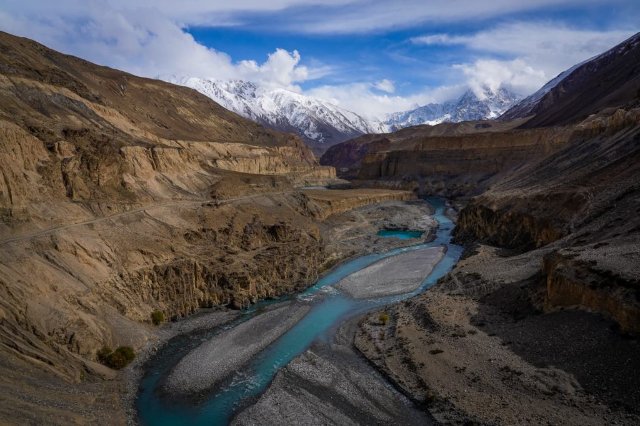
The valley’s geography alone is worth the journey. Chapursan is one of the most strategically and scenically remarkable valleys on earth — it sits near the junction of four countries, with Afghanistan’s Wakhan Corridor on one side and China and Tajikistan beyond the high passes. The landscape is correspondingly dramatic: massive canyons, striking rock formations, and ancient carvings etched into stone that whisper stories from centuries ago, untouched by time or tourists.
Then there is the human side. The Wakhi people of Chapursan are renowned across the north for their warmth and hospitality. Villages like Zoodkhun, Reshit, Shersabz, Kirmin, and Yarzerech welcome travelers into family-run guesthouses, serve organic food from their own gardens, and share a culture shaped by the high Pamirs. For the traveler who collects experiences rather than checklists, a few days in Chapursan — walking the villages, sitting with a Wakhi family, watching the light move across the peaks — will rank among the most memorable of a lifetime.
History of Chapursan Valley
Chapursan’s history is the history of the great mountain corridors of Central Asia. The valley sits at the edge of the Wakhan Corridor, the narrow strip of Afghanistan that separates Pakistan from Tajikistan — a route used for centuries by traders, monks, and armies moving between the subcontinent, the Pamirs, and China. The Wakhi people who live here are part of a community spread across four countries: Pakistan, Afghanistan, Tajikistan, and China, united by language and culture across some of the world’s highest mountains.
For centuries, the people of Chapursan and the Wakhan traded across the Irshad Pass — in summer, Kyrgyz traders from Afghanistan still cross with yaks, sheep, and goats, exchanging them for shoes, cloth, garments, and kitchen utensils from the Pakistan side. This barter trade, carried on for generations, is a living thread of the old Silk Road economy, and the valley’s villages grew up around it.
The valley’s spiritual history centers on Baba Ghundi, the revered Sufi saint whose shrine stands in the upper valley. According to local tradition, Baba Ghundi played a pioneering role in spreading Islam in this remote region, and his shrine has been a place of pilgrimage for centuries. The modern chapter of Chapursan’s story began around 2010, when the Chipursan Local Support Organisation, together with the Gilgit-Baltistan tourism department and the Aga Khan Rural Support Programme, launched the Baba Ghundi Festival to celebrate the valley’s culture and draw respectful tourism. Since then, the valley has slowly opened to adventurous travelers — while remaining, wonderfully, one of Pakistan’s least-visited destinations.
Top Things to Do in Chapursan Valley
Visit the Baba Ghundi Shrine
The shrine of Baba Ghundi, the Sufi saint of the valley, is Chapursan’s spiritual heart. Set in a high meadow below the Irshad Pass, the shrine draws devotees from across Gilgit-Baltistan and, in better times, from Afghanistan’s Wakhan as well. Visit with respect, dress modestly, and take time to absorb the extraordinary setting — few shrines in Pakistan stand in such wild, beautiful country.
Walk the Wakhi Villages
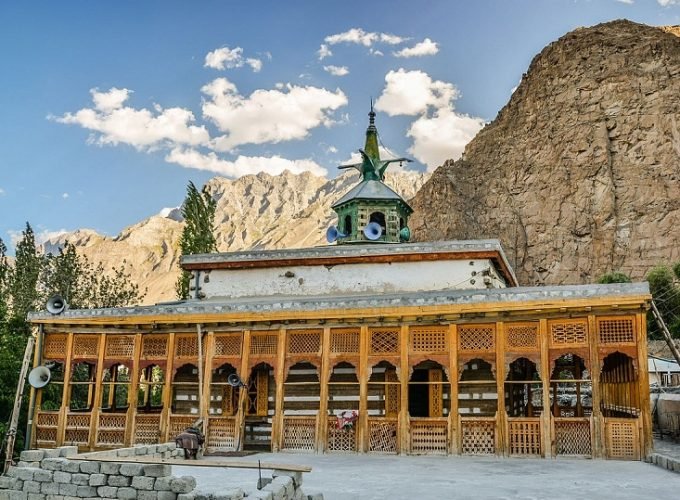
The string of villages along the valley — Yarzerech, Shersabz, Reshit, Kirmin, Kil, and Zoodkhun — are the soul of Chapursan. Walk between them on the valley tracks, past terraced fields of wheat and potatoes, orchards of apricot and apple, and traditional stone-and-timber Wakhi houses. The villagers are welcoming, and a homestay night lets you experience the famous Wakhi hospitality firsthand.
Trek Toward the Irshad Pass
The Irshad Pass leads from Chapursan into Afghanistan’s Wakhan Corridor, along the old trade route of the Kyrgyz yak caravans. You cannot cross the border, but the trek toward the pass — through high summer pastures where yaks graze — is one of the great walks of the Karakoram. Go with a local guide, as the route is remote and unmarked in places.
Photograph the Canyons and Rock Carvings
Chapursan’s geology is spectacular: deep canyons, folded rock formations, and ancient carvings on boulders that recall the petroglyphs of Central Asia. Photographers should plan for golden hour, when the low sun sets the canyon walls glowing. This is landscape photography at its most raw and rewarding.
Experience Yak Culture
Yaks are central to life in the upper valley — for milk, transport, and the famous yak races and safaris of festival time. In summer you will see herds grazing the high meadows around Baba Ghundi. Some guesthouses can arrange short yak rides or treks with pack yaks, a wonderfully authentic way to travel.
Famous Places In and Around Chapursan Valley
- Zoodkhun (Zudkhun): The main village of the upper valley, around 45–50 km from Sost, and the base for exploring the shrine and the high pastures.
- Baba Ghundi Meadow: The shrine meadow below the Irshad Pass, the valley’s spiritual and scenic climax.
- Sost: The last town on the Karakoram Highway before Khunjerab, with the famous dry port, bazaars, and the turn-off into Chapursan.
- Khunjerab Pass: The highest paved border crossing in the world (4,693 m), about 75 km beyond Sost — an easy pairing with a Chapursan trip.
- Passu Cones and Batura Glacier: The cathedral peaks of Passu and one of the longest glaciers outside the polar regions, on the KKH south of Sost.
- Shimshal and Misgar Valleys: Chapursan’s equally remote neighbours in Gojal, for travelers building a full Upper Hunza expedition.
How to Reach Chapursan Valley
Getting to Chapursan is an expedition in itself — and that is part of the point. The valley turns off the Karakoram Highway about a kilometre past Sost, and from there a narrow, rugged jeep track climbs some 45–50 km to Zoodkhun, taking 2 to 2.5 hours. There is no public transport into the valley; you need a hired 4×4 jeep and, ideally, a local driver who knows the road.
Route Details
From Islamabad: The classic route is the Karakoram Highway north through Mansehra, Besham, and Chilas to Gilgit (roughly 600–640 km, 14–18 hours with stops), then onward through Hunza to Sost (about 190 km from Gilgit). From Sost, take the jeep track into Chapursan. Most travelers break the journey with a night in Gilgit or Hunza. Alternatively, fly from Islamabad to Gilgit (about an hour, weather permitting) and drive from there.
From Lahore: Drive to Islamabad via the M-2 Motorway (about 4 hours), then follow the Islamabad route above. The full Lahore–Sost journey is around 1,000 km and is best done over two days, with a stop in Gilgit or Karimabad.
From Karachi: Fly to Islamabad or Gilgit — the road journey from Karachi is over 1,800 km and not practical for a single trip. From Gilgit, it is a full day’s drive to Sost and into the valley.
Nearest airport: Gilgit Airport, with daily PIA flights from Islamabad (weather dependent). Skardu Airport, with more reliable connections, is an alternative — from Skardu, drive the KKH to Gilgit and on to Sost.
Road conditions and transport: The Karakoram Highway is paved and generally good, though landslides can close sections in monsoon season. The Chapursan jeep track is narrow, unpaved, and rough — a 4×4 is essential, and the drive should only be attempted in daylight. Hire your jeep in Sost or through a Hunza-based tour operator, and travel with a local guide if you plan to trek.
Where to Stay in Chapursan Valley
Accommodation in Chapursan is refreshingly simple: family-run guesthouses and homestays. The best-known is the Pamir Serai, with traditional Wakhi guesthouses in Zoodkhun village and at the Baba Ghundi meadow — run by a family with more than two decades of experience hosting travelers, serving organic food from their own gardens. Staying here is as much a cultural experience as a night’s lodging.
Beyond that, several village families offer homestay rooms, and tented camps can be arranged in summer. Do not expect hotels, room service, or Wi-Fi — expect clean rooms, home-cooked meals, and hosts who treat you like family. For more conventional hotels, base yourself in Sost or Karimabad and visit the valley on a long day trip, though an overnight in the valley is far more rewarding.
Where to Eat: Local Foods of Chapursan Valley
Wakhi mountain cuisine is hearty, wholesome, and built for high altitudes. In the valley’s guesthouses you will eat what the family eats: khambir (wholewheat flatbread baked on hot stones), mamtu (steamed dumplings filled with minced meat and onions), chapshuro (a savoury meat pie), hearty noodle soups, and rich dairy — butter, yoghurt, and qurut (dried cheese). Apricots, apples, and mulberries fill the orchards in season, and apricot oil is a local staple.
Everything is organic by default — the vegetables come from the village fields and the meat from local herds. Meals are simple and filling rather than elaborate, and eating with your hosts is part of the experience. Carry snacks and energy bars for trekking days, as there are no restaurants or shops in the upper valley. A day’s food here costs very little by city standards, and the hospitality is priceless.
Weather in Chapursan Valley
At 3,200–3,500 metres, Chapursan has a true high-mountain climate: short, glorious summers and long, severe winters when the valley is cut off by snow. The travel season runs from late May to September. Here is what to expect:
| Season | Temperature Range | Conditions |
|---|---|---|
| Winter (Nov–Mar) | -10 to -20°C | Heavy snow; the valley is largely inaccessible. Only for the hardiest winter travelers. |
| Spring (Apr–May) | 0–15°C | Snow melting, tracks reopening; blossom season in the lower villages. Beautiful but unpredictable. |
| Summer (Jun–Sep) | 10–25°C | Pleasant days, cool nights; all tracks open. The prime season for travel and trekking. |
| Autumn (Oct) | -5 to 12°C | Golden poplars and crisp air; the season closes as snow returns. Stunning for photography. |
Language and Culture of Chapursan Valley
The people of Chapursan are Wakhi, speaking the Wakhi language — an ancient Eastern Iranian tongue shared with communities across the Wakhan Corridor, Tajikistan, and China. Most also speak Urdu, and many speak Burushaski from wider Hunza. The community is predominantly Ismaili Muslim, known for its emphasis on education, gender equality, and warm hospitality to guests.
Cultural norms are relaxed by the standards of the region, but respect still matters: dress modestly (covering shoulders and knees is appreciated), ask before photographing people, and accept offered tea — refusing hospitality can offend. If you visit the Baba Ghundi shrine, behave as at any sacred site: quiet, covered, and reverent. The Wakhi are famously friendly, and a genuine interest in their language and traditions will open every door.
Shopping in Chapursan Valley
There are no bazaars in Chapursan — and that is part of its charm. What you can buy is authentic and handmade: yak-wool socks, caps, and shawls knitted by village women; dried apricots and apricot oil; and occasionally local handicrafts sold at guesthouses or during the Baba Ghundi Festival, where stalls sell traditional food and crafts. For a wider selection of Hunza handicrafts — gemstones, embroidered caps, walnut-wood carvings — shop in Karimabad or the Sost bazaar on your way through.
Local Events and Festivals
Baba Ghundi Festival (annually, usually in July): Chapursan’s great cultural event is held each year at the shrine of Baba Ghundi, near the Afghan border. The three-day festival honours the Sufi saint who spread Islam in the region, and brings together the Wakhi-speaking peoples of both sides of the border. Expect freestyle polo, buzkashi, yak races and yak safaris, traditional sword dances, Wakhi folk music, Sufi night gatherings, and stalls of local food and handicrafts. In recent years the festival has been held around the third week of July; earlier editions were timed with World Tourism Day in late September. The festival also revives the valley’s centuries-old barter trade, with Afghan traders crossing the Irshad Pass to exchange yaks, sheep, and goats for goods from Hunza. If you want to experience Chapursan at its most vibrant, time your visit for the festival — but book your jeep and guesthouse well ahead.
Travel Tips for Chapursan Valley
Packing Essentials
Pack for mountain weather: warm layers, a good jacket, a hat, and gloves even in summer — nights at 3,500 metres are cold. Sturdy trekking boots are essential for the valley tracks. Bring a sleeping bag liner for homestays, a headlamp, sunscreen (the high-altitude sun is fierce), a water bottle, and any medicines you need — there are no pharmacies in the valley. A power bank is vital; electricity is limited.
Safety Tips
Chapursan is peaceful and the Wakhi are famously hospitable, but the environment demands respect. The jeep track is genuinely rugged — travel only in daylight with an experienced local driver. Acclimatise before strenuous trekking, stay hydrated, and never trek alone in the upper valley. The valley sits near sensitive international borders: carry your CNIC or passport, cooperate at any checkpoints, and do not approach border areas or photograph military installations.
Money & Connectivity
Carry all the cash you will need in Pakistani rupees — there are no ATMs or banks in the valley, and no card payments. Mobile signals are weak to non-existent in Chapursan; some networks catch a signal in the lower villages, but plan to be offline. Download offline maps, inform someone of your itinerary, and embrace the disconnection — it is part of the experience.
Best Time to Visit Chapursan Valley
Summer (June–September): The Prime Season
This is when Chapursan is fully open and at its best: green pastures, grazing yaks, open tracks, and the Baba Ghundi Festival in July. Days are pleasantly warm and the high meadows are in full glory. Book ahead for festival time.
Late Spring (May): Blossom and Reopening
The valley wakes up in May — apricot and cherry blossom in the lower villages, snow still on the high peaks. Tracks may be partially open, so check conditions, but the rewards are immense.
Autumn (October): Golden and Quiet
Poplars turn gold, the air turns crisp, and the summer crowds (such as they are) vanish. Early October can be magical for photography, but the season closes fast as winter snows arrive.
Winter (November–April): Closed to Travel
Heavy snow seals the valley. Chapursan in winter is a world for its own people alone — beautiful beyond imagining, but not a travel season.
Final Thoughts
Chapursan Valley is not for everyone, and that is exactly why it matters. It asks for effort — a long drive, a rough jeep track, simple lodgings — and it repays that effort with something increasingly rare: a place that is still itself. The Wakhi villages, the shrine meadow, the yak pastures under the high peaks — these are not performances for tourists. They are a living culture in a living landscape.
If you go, go gently. Travel with a local guide, stay in a family guesthouse, eat what the valley grows, and leave nothing behind but gratitude. Chapursan will give you stories for a lifetime. For more journeys to Pakistan’s far north, explore the Explore Pakistan collection, including our guide to the Hunza Valley that begins where this adventure ends.
FAQs
Where is Chapursan Valley located?
Chapursan is in Gojal, Upper Hunza, Gilgit-Baltistan — a side valley off the Karakoram Highway near Sost, close to the borders with Afghanistan’s Wakhan Corridor, China, and Tajikistan.
What is the best time to visit Chapursan Valley?
Late May to September, with June to August the prime season. The Baba Ghundi Festival in July is the cultural highlight.
How do I reach Chapursan Valley?
Drive the Karakoram Highway to Sost, then take a hired 4×4 jeep up the valley track — about 45–50 km, 2 to 2.5 hours, to Zoodkhun village. There is no public transport into the valley.
Is Chapursan Valley safe for tourists?
Yes — the Wakhi community is famously hospitable and the valley is peaceful. The main risks are environmental: the rough jeep track, high altitude, and proximity to sensitive borders, so travel with a local guide and respect checkpoints.
What is the Baba Ghundi Festival?
An annual three-day cultural festival at the Baba Ghundi shrine honouring the valley’s Sufi saint, featuring polo, buzkashi, yak races, sword dances, and Wakhi music. In recent years it has been held in July.
Where can I stay in Chapursan Valley?
Family-run guesthouses and homestays, notably the Pamir Serai in Zoodkhun and at the Baba Ghundi meadow. Expect simple, clean rooms and home-cooked organic meals.
What language do people speak in Chapursan?
Wakhi, an ancient Eastern Iranian language, along with Urdu and often Burushaski. The community is predominantly Ismaili Muslim.
What should I pack for Chapursan Valley?
Warm layers and a jacket even in summer, trekking boots, sunscreen, a headlamp, a power bank, cash in rupees, and any medicines — there are no shops or pharmacies in the upper valley.