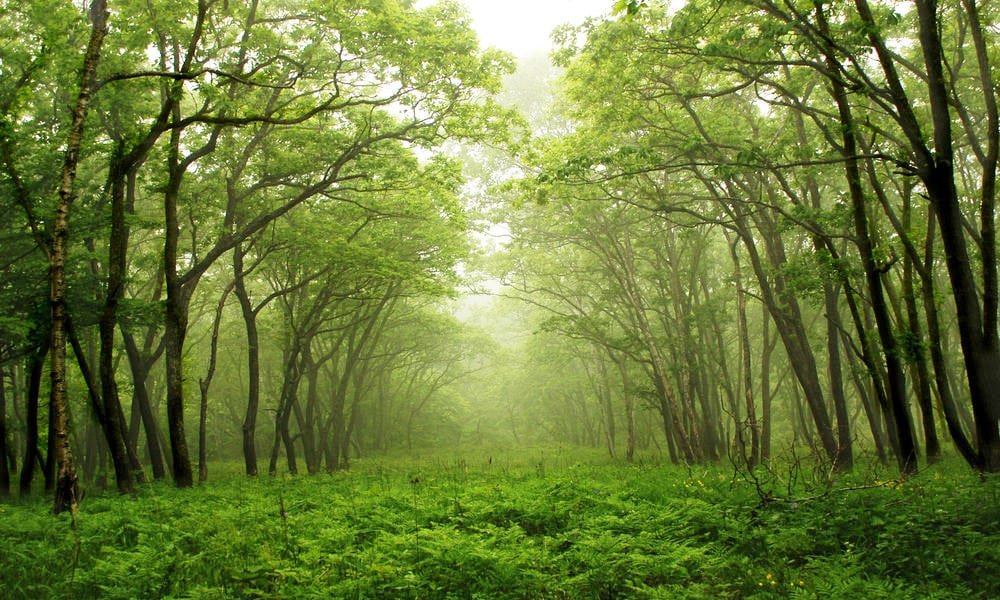
Imagine a forest so famous that its name comes from two outlaws — and so old that its trees once fuelled the steam engines of the British Raj. Changa Manga, spread across the Kasur and Lahore districts of Punjab, is one of the oldest hand-planted forests in the world, a green ocean of shisham and kikar that has been growing since 1866. On a cool winter morning, when mist hangs between the tall trunks and a little narrow-gauge train chugs along its forest track, this place feels like a storybook that happens to be real.
This changa manga forest travel guide is your invitation to Pakistan’s most unusual woodland escape. Whether you are a family looking for the perfect picnic, a birder chasing fifty species of birds, or a history lover drawn to the legend of two 19th-century bandits, Changa Manga earns its day trip. Here is how to plan it — the history, the train ride, the lake, the wildlife, and the best time to go.
Quick Facts
- Location: Chunian Tehsil, Kasur and Lahore districts, Punjab — off the N-5 Highway near Bhai Pheru and Chunian
- Altitude: Lowland Punjab plains, around 200 metres above sea level
- Famous For: One of the world’s oldest hand-planted forests (established 1866); the miniature forest train; Mehtabi Lake
- Nearest City: Lahore, about 80 km northeast
- Accessibility: Easy drive from Lahore via the N-5 Highway; suitable for families, coaches, and day tours
- Known Landmarks: Mehtabi Jheel (Lunar Lake), the forest railway, the wildlife park and zoo, the colonial-era Forest Rest House
- Best For: Families and picnics, nature walks, birdwatching, school trips, photography
Why Visit Changa Manga Forest
There is a particular kind of magic in knowing that every tree around you was planted by human hands. Changa Manga is not a wilderness that happened — it is a wilderness that was made, planted row by row by British foresters in 1866 to feed timber and fuel to the North-Western Railway. Walking its shaded tracks today, under towering shisham and white mulberry, you are walking through a living piece of industrial history, one that has quietly become a sanctuary for jackals, nilgai, wild boar, and the Indian peafowl.
Then there is the sheer fun of the place. Where else in Pakistan can you ride a narrow-gauge train for five kilometres through a forest, boat on a moonlit-named lake, and wander a zoo — all in one afternoon? Changa Manga is that rare destination that delights children and adults equally. The forest railway, originally built in 1870 for logging, now carries tourists; Mehtabi Jheel, the artificial “Lunar Lake,” offers boating; and the forty-acre nature sanctuary protects an astonishing variety of wildlife.
And do not miss the legend. The forest is named for Changa and Manga, two brother dacoits who terrorised traders in the 19th century and hid in the forest’s “secret heart” until the police caught them. Their story gives the whole place a Robin-Hood-in-reverse romance, and you will hear it told with relish by every local guide. For Lahoris, this is the easiest green escape in the province — barely an hour from the city, and a world away from its noise.
History of Changa Manga Forest
The story of Changa Manga begins with steam. In 1866, as the North-Western Railway network pushed across the subcontinent, British foresters faced a practical problem: the railway’s wood-burning engines and its wooden sleepers needed an enormous, reliable supply of timber. Their answer was to plant a forest from scratch on the plains southwest of Lahore — an irrigated plantation on an unprecedented scale.
The plantation grew fast and proved its worth. In 1870, the Changa Manga Forestry Railway was created to haul timber out of the forest; its early locomotives were wood-fired, later replaced by coal engines to prevent accidental fires. The forest supplied fuel and sleepers for the railways and timber for markets across the region. At its height it was considered the largest man-made forest in the world, covering far more than its present extent.
The name, though, comes from crime, not forestry. Changa and Manga were two brothers, dacoits who “held up and plundered” passing traders in the districts around, and who made their den in the forest’s secret heart. They were eventually captured by the police, but their notoriety lived on — and the forest took their names. Not long after, the Salvation Army opened a camp at the forest site as a place for the reformation of criminals, adding one more curious chapter to the story.
The modern era has been harder on the forest. Mismanagement and illegal deforestation shrank it to less than half its original size; it now covers about 48.6 square kilometres, roughly 12,000 acres. A fire in February 2014 destroyed a significant portion of the woodland. In response, the Punjab government has run replanting campaigns — including a 2017 drive that put some 7,300 seedlings into a ten-acre area — and stationed forestry wardens at the entry and exit routes around the clock. The forest endures, and on a good day, it still feels endless.
Top Things to Do in Changa Manga Forest
Ride the Forest Mini Train
The undisputed star of Changa Manga is its narrow-gauge train, running about five kilometres through the heart of the forest. The track was laid in 1870 for logging; today the little train carries visitors past towering shisham and kikar in what feels like a journey back in time. It is especially beloved by children, and the ride is the single best way to see the scale of the plantation.
Boat on Mehtabi Jheel
Mehtabi Jheel — the “Lunar Lake” — is an artificial lake built to draw visitors, and it works beautifully. Boating here, with the forest rising on every side, is one of the most relaxing experiences in Punjab’s plains. Look out for the Mehtab Mahal pavilion and the little footbridge that make the lake so photogenic.
Explore the Wildlife Park and Zoo
The forest’s forty-acre nature sanctuary and wildlife park protect an impressive community of animals. The forest is home to fourteen mammal species — including nilgai, wild boar, golden jackal, and mouflon — fifty bird species, six reptile species, and twenty-seven species of insects. The Indian peafowl is a particular delight. A dedicated Gyps vulture conservation centre, part of WWF Pakistan’s restoration programme, works to save these magnificent birds.
Walk the Forest Tracks
Beyond the attractions, the forest itself is the attraction. The main tree species — shisham (rosewood), kikar, white mulberry, eucalyptus, and poplar — create long, shaded avenues perfect for morning walks. Early morning is the best time: the light filters through the canopy and the birds are at their loudest.
Picnic Like a Lahori
Changa Manga is one of Punjab’s classic picnic spots, and families arrive with full baskets. The recreational park has lawns, a children’s play area, and shaded corners made for an afternoon of food and rest. Come on a weekday if you want the place to yourselves; weekends and public holidays are lively.
Famous Places In and Around Changa Manga Forest
- Mehtab Mahal: The pavilion on Mehtabi Jheel, a favourite backdrop for photographs.
- The Waterfall and Water Turbine: Small engineered attractions inside the park that fascinate children.
- Changa Manga Forest Rest House: The colonial-era rest house, built for British forest officers, with its distinctive old-world look.
- Chunian and Bhai Pheru: The nearby towns on the N-5, good for a meal or supplies on the way.
- Head Balloki: A scenic riverside spot on the River Ravi, an easy addition to a Changa Manga day trip for sunset views and photography.
- Lahore: Just 80 km away — combine the forest with the Badshahi Mosque, Lahore Fort, and the food streets of the old city.
How to Reach Changa Manga Forest
Changa Manga sits off the N-5 National Highway near Bhai Pheru and Chunian, about 80 km southwest of Lahore. The drive is simple and the road is good, which is why the forest works so well as a day trip.
Route Details
From Lahore: Take the N-5 Highway southwest toward Sahiwal, turning off near Bhai Pheru/Chunian for the forest. The drive is about 80 km and takes roughly 1.5 to 2 hours. This is the classic route — most visitors come this way.
From Islamabad: Drive the Lahore–Islamabad Motorway (M-2) to Lahore, then continue on the N-5 to Changa Manga. The total distance is around 437 km, roughly a 5 to 6-hour drive. Many Islamabad visitors make it a weekend trip, pairing the forest with a Lahore stay.
From Karachi: The road journey is over 1,300 km — fly to Lahore (about 2 hours) and drive the final 80 km. This is by far the most practical option.
Nearest airport: Allama Iqbal International Airport, Lahore, about 80 km away, with connections across Pakistan and abroad.
Road conditions and transport: The N-5 is a well-maintained highway; the turn-off roads to the forest are paved. Private cars, tour vans, and coaches all reach the park easily, and there is parking at the entrance. Public vans run between Lahore and Chunian/Bhai Pheru, but a car or booked van is far more convenient for a family picnic. The park is open to visitors throughout the year and is busiest on national holidays.
Where to Stay in Changa Manga Forest
Most visitors come for the day, but staying overnight in the forest is a special experience — the jungle sounds at night are unforgettable. The Changa Manga Forest Rest House, a colonial-era building with a distinct British look, offers rooms for visitors who book ahead, and there is also a four-room motel on the site. Both are simple and comfortable rather than luxurious, and they put you steps away from the morning birdsong.
If you prefer city comforts, Lahore’s full range of hotels — from budget guest houses to five-star properties — is just 80 km away, making an overnight in the city and an early start the most popular plan. Chunian town has basic lodgings for the most economical stays.
Where to Eat: Local Foods of Changa Manga Forest
Picnic culture rules here, and many families bring their own food — which is half the fun. If you would rather eat out, the dhabas along the N-5 near Bhai Pheru and Chunian serve hearty Punjabi roadside food: chicken karahi, dal fry, fresh tandoori roti, and lassi. Chunian’s bazaars have sweet shops and snack stalls for the journey.
Inside the park area, small vendors typically sell tea, cold drinks, and snacks, especially on busy days — but options are limited, so packing a proper picnic is the smart move. A satisfying dhaba meal on the highway is very budget-friendly, and the forest’s own honey — produced in the plantation and sold locally — makes a lovely edible souvenir to take home.
Weather in Changa Manga Forest
Changa Manga lies on the hot Punjab plains, so its weather mirrors Lahore’s: scorching summers, a monsoon interlude, and gloriously cool winters. The forest is at its best when the plains are cool, from October to March, when the shade of the trees feels like a blessing rather than a necessity.
| Season | Temperature Range | Conditions |
|---|---|---|
| Winter (Dec–Feb) | 5–20°C | Cool, misty mornings; the best season for walks, the train ride, and picnics. |
| Spring (Mar–Apr) | 15–32°C | Pleasant and green; birds are active. A lovely time to visit. |
| Summer (May–Jul) | 30–45°C | Very hot; the forest shade helps, but visit early morning and carry water. |
| Autumn/Monsoon (Aug–Nov) | 22–36°C | Monsoon rain cools the air; the forest turns lush. October onward is ideal. |
Language and Culture of Changa Manga Forest
You are in the heart of Punjab here, and Punjabi is the language of the villages around the forest, with Urdu spoken everywhere. The culture is classic Punjabi warmth: generous, hospitable, and fond of good food. The forest staff and local guides take pride in the plantation’s history and love telling the story of Changa and Manga.
As a visitor, the main courtesies are environmental: this is a protected forest, so carry out all your rubbish, do not disturb the wildlife, and keep to the tracks. Respect the privacy of any forest department or village land adjoining the park. If you are photographing staff or local families, a smile and a quick ask go a long way.
Shopping in Changa Manga Forest
Changa Manga is not a shopping destination, but there are a few things worth picking up. The forest’s own honey, produced in the plantation and sold in the local market, is the signature buy — pure and fragrant. Chunian and Bhai Pheru bazaars sell everyday Punjabi goods, snacks, and sweets. For serious shopping, save it for Lahore: Liberty Market, Ichhra, and Anarkali are all an easy drive away and cover everything from fabric to handicrafts.
Travel Tips for Changa Manga Forest
Packing Essentials
For a winter visit, bring a light jacket for the misty mornings. In summer, sun protection, a hat, and plenty of water are essential. Pack your picnic in reusable containers, bring a mat or sheet for the lawns, and carry binoculars if you enjoy birdwatching — fifty species is a lot to spot. A camera is a must for the train ride and the lake.
Safety Tips
Changa Manga is a well-managed, family-friendly park. Stay on the marked tracks, supervise children near the lake and the railway line, and do not feed the zoo animals. The forest is patrolled by wardens, but as with any woodland, it is wise to leave before dusk unless you are staying at the rest house.
Money & Connectivity
Entry and activity charges are nominal — carry small cash in rupees for tickets, the train ride, boating, and snacks, as card facilities are limited. ATMs are available in Chunian and Bhai Pheru towns. Mobile signals from all major networks work well in the area.
Best Time to Visit Changa Manga Forest
Winter (October–March): The Perfect Season
Cool air, misty mornings, and comfortable afternoons make this the ideal window. The forest is at its most atmospheric, the train ride is a joy, and picnics are at their best. This is when the park sees most of its visitors.
Spring (March–April): Green and Lively
The forest is fresh and green, birds are nesting, and the weather is still pleasant. An excellent time for nature walks and photography.
Summer (May–July): For Early Birds Only
Daytime heat is fierce on the plains, but the deep shade of the old trees makes early mornings surprisingly pleasant. If you come in summer, arrive at opening time and leave by noon.
Monsoon (August–September): Lush but Humid
Rain transforms the forest into a dripping green cathedral. It is beautiful, but the humidity is high and tracks can be muddy — good for the adventurous, less so for a relaxed family picnic.
Final Thoughts
Changa Manga is proof that humans can create wonder as well as destroy it. Planted for steam engines, named for outlaws, and loved by generations of picnickers, this forest has lived many lives — and it is still growing. A day here, with the little train, the lake, and the long shaded walks, is one of the most purely enjoyable outings in Punjab.
Go between October and March, pack a generous picnic, and ride the train with the windows open. And when the guide tells you the story of Changa and Manga, listen well — it is the kind of legend that makes a forest feel alive. For more green escapes and heritage journeys, browse the Explore Pakistan collection, or pair this trip with a visit to Malam Jabba for a very different kind of forest.
FAQs
Where is Changa Manga Forest located?
Changa Manga is in Chunian Tehsil of Kasur district (extending into Lahore district), Punjab — about 80 km southwest of Lahore, off the N-5 Highway near Bhai Pheru and Chunian.
What is the best time to visit Changa Manga Forest?
October to March, when the Punjab plains are cool. Winter mornings are misty and beautiful, and ideal for the train ride and picnics.
How do I reach Changa Manga from Lahore?
Drive the N-5 Highway southwest toward Sahiwal and turn off near Bhai Pheru/Chunian — about 80 km, roughly 1.5 to 2 hours by car.
Is Changa Manga really the largest man-made forest in the world?
It was once considered the largest, and is still described as one of the oldest hand-planted forests in the world. Deforestation has reduced it to about 48.6 sq km (12,000 acres), less than half its original size.
What can families do at Changa Manga?
Ride the 5-km forest mini train, boat on Mehtabi Jheel, visit the wildlife park and zoo, walk the shaded tracks, and picnic on the lawns. It is one of Punjab’s most family-friendly day trips.
Is there accommodation inside the forest?
Yes — the colonial-era Forest Rest House and a four-room motel offer simple overnight stays. Book ahead, as rooms are limited.
What wildlife can I see at Changa Manga?
Nilgai, wild boar, golden jackal, mouflon, Indian peafowl, and fifty species of birds, plus a Gyps vulture conservation centre run with WWF Pakistan.
Why is it called Changa Manga?
The forest is named after Changa and Manga, two brother dacoits who hid in the forest in the 19th century before being captured by the police.