Quick Facts
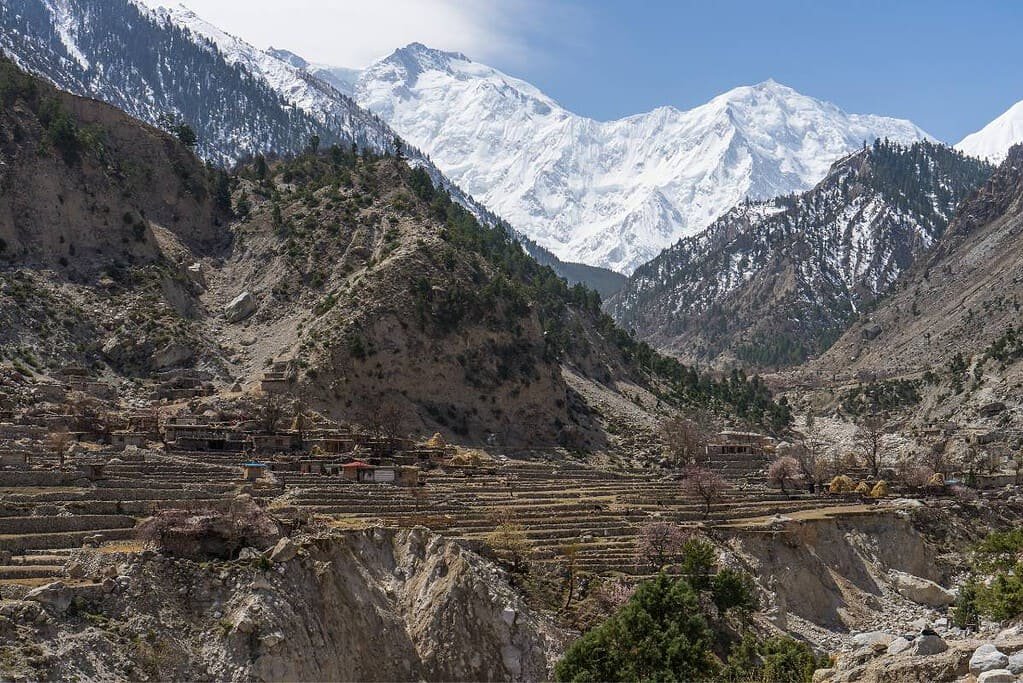
- Location: Danyor, in Gilgit district of Gilgit-Baltistan, Pakistan — about 10 kilometres from Gilgit city, across the Gilgit River, beside the Karakoram Highway.
- Altitude: Around 1,500 metres (4,900 feet) above sea level, in the Gilgit valley.
- Famous For: Being the final resting place of the Chinese engineers and workers who lost their lives building the Karakoram Highway in the 1960s and 1970s; locally known as China Yadgar, the “China Memorial.”
- Nearest City: Gilgit, roughly 10 kilometres away.
- Accessibility: Easy road access from Gilgit city — a short drive across the river to Danyor on the Karakoram Highway. The nearest airport is Gilgit Airport.
- Known Landmarks: The white memorial tower with Chinese inscriptions, the rows of graves with Chinese epitaphs, and the photo gallery of the highway’s construction era.
- Best For: History travellers, anyone interested in Pakistan-China friendship, photographers, and visitors to Gilgit who want to understand the human cost behind the Karakoram Highway.
Why Visit Chinese Cemetery
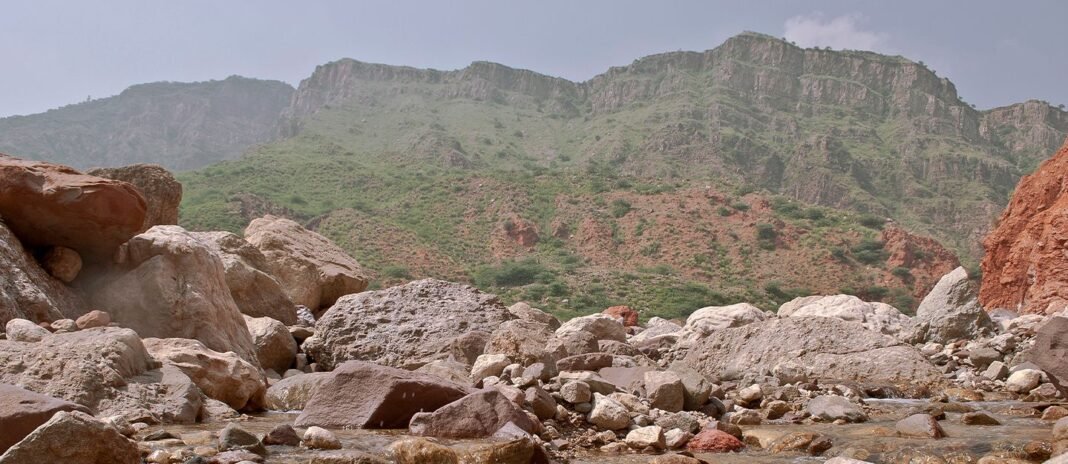
Every traveller who has driven the Karakoram Highway has marvelled at it: 1,300 kilometres of road carved through some of the most brutal mountain terrain on earth, from Hasan Abdal in Punjab to Khunjerab on the Chinese border. But few stop to ask what the road cost. The Chinese Cemetery at Danyor, just outside Gilgit, is where that question is answered — quietly, movingly, and in rows of white headstones. This is the final resting place of the Chinese engineers and workers who died building the highway in the 1960s and 1970s, and visiting it changes the way you see the entire road.
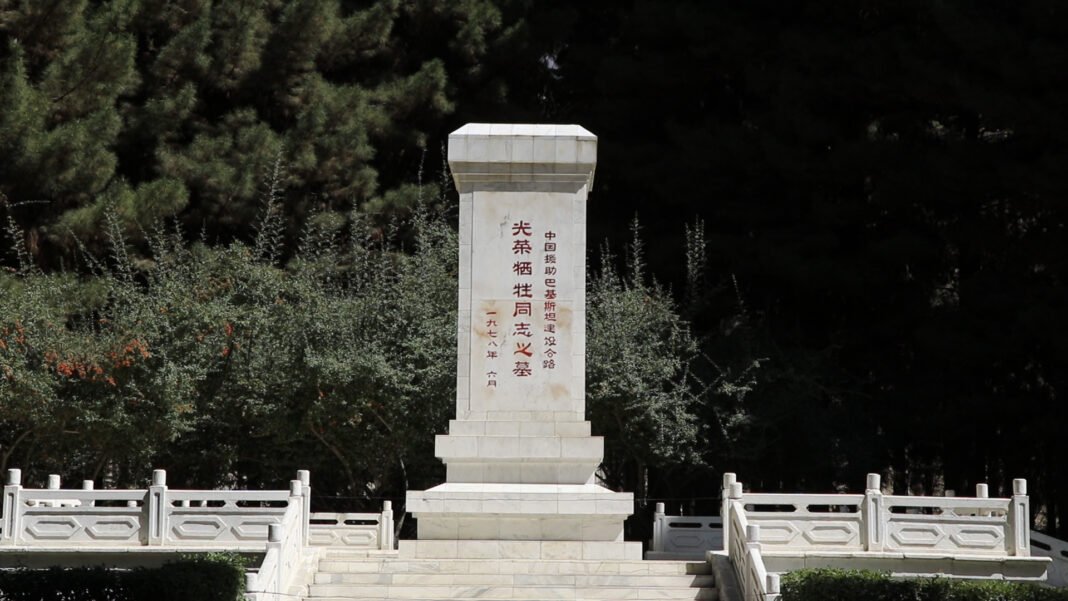
The cemetery is small and beautifully kept. As you enter through the main gate, photographs from the construction era line the pathway — Chinese workers in the mountains, the road taking shape cliff by cliff. Ahead rises the memorial tower, a lime-white structure with Chinese inscriptions in red, reached by stairs on all sides and ringed with alpine trees. Beyond it lie the graves in their four neat quarters, each with a round tombstone and an epitaph in Mandarin Chinese giving the name and details of the person buried there. It is a solemn, orderly, deeply respectful place.
What makes this visit special is the story it tells about friendship between nations. The Karakoram Highway is often called the Eighth Wonder of the World, and it was built by Pakistani and Chinese workers side by side, at a cost of over a thousand lives. The Chinese government bought this land when construction began in 1966, appointed custodians to maintain it, and restored the cemetery in 2013. Every year, ceremonies are held here honouring the dead. For a traveller, standing among these graves is a moment of genuine connection — to history, to sacrifice, and to the bond between two peoples that the road itself represents.
This Chinese Cemetery travel guide covers everything: the real history of the cemetery and the highway’s construction, how to reach Danyor from Islamabad, Lahore, and Karachi, the best time to visit Gilgit, where to stay and eat, and how to visit respectfully. It is a short trip from Gilgit city — and one of the most meaningful stops in all of Gilgit-Baltistan.
History of Chinese Cemetery
The story of the Chinese Cemetery begins with the Karakoram Highway itself, one of the great engineering feats of the 20th century. In 1966, Pakistan and China began building a road through the Karakoram mountains to link the two countries — a 1,300-kilometre highway from Hasan Abdal in Punjab to Xinjiang in China, crossing the Khunjerab Pass. The terrain was merciless: sheer cliffs, glaciers, landslides, and some of the highest paved road on earth. The work continued into the late 1970s, and it was done largely by hand, with dynamite, drills, and human muscle.
The human cost was staggering. Around 200 Chinese engineers and workers lost their lives during the construction, alongside some 800 Pakistani workers. They died in landslides, in falls from the cliffs, and in the thousand accidents of mountain road-building. When the Chinese government began the project in 1966, it bought a 17,000-square-foot plot of land at Danyor — chosen because it lay between the Hunza-Nagar and Diamer-Kohistan stretches, the most difficult and dangerous terrain the highway crosses — and established the cemetery in the early 1970s as the final resting place for its dead.
The cemetery holds 110 graves in four equal quarters of 27 graves each, though only 88 of the Chinese workers are actually buried here. The bodies of others were never recovered — lost to landslides or drowned in the rivers — and some families took their relatives’ remains home to China. Twenty of the graves stand empty, kept deliberately blank to honour those whose bodies could not be retrieved. Each occupied grave carries a round tombstone with an epitaph in Chinese characters, recording the name and details of the deceased.
The cemetery has remained a living memorial. In August 2011, a Chinese delegation of retired People’s Liberation Army soldiers, journalists, and a relative of one of the workers visited to pay homage — a visit widely covered in the Chinese media. In April 2013, a ceremony at the cemetery brought together the Chinese embassy’s consul in Islamabad, officials of the China Road and Bridge Corporation, members of the Gilgit-Baltistan Legislative Assembly, and Pakistani law enforcement, with the Chinese government pledging a full renovation of the site — a restoration that was duly carried out. Since then, a ceremony has been held at the cemetery every year on April 4th, organised by the Overseas Chinese Association and Gilgit-Baltistan police with the Chinese embassy, at which wreaths are laid, candles are lit, and both national anthems are played. The custodians appointed by the Chinese government maintain the grounds and share the cemetery’s story with visitors.
Top Things to Do in Chinese Cemetery
Walk the entrance gallery of construction-era photographs
As you enter through the main gate, both sides of the pathway are lined with photographs from the Karakoram Highway’s construction — Chinese workers in the mountains, the road being blasted and graded through impossible terrain. Take your time here. These images, many of them decades old, are the best possible introduction to what the cemetery commemorates, and they put every headstone you are about to see into its full human context.
Climb the memorial tower
The main memorial tower stands just a few metres in front of the main gate, a lime-white structure with Chinese inscriptions in red, ringed by alpine trees and accessible by stairs on all sides. Climb it for the view over the ordered quarters of graves and the Gilgit valley beyond. The tower is the ceremonial heart of the site — this is where official wreaths are laid and where the annual April ceremony centres.
Read the epitaphs with a custodian’s help
The graves are arranged in four equal quarters, each tombstone round and each epitaph in Mandarin Chinese. The custodians appointed by the Chinese government look after the site and provide visitors with basic information about the cemetery — ask them about the names and stories on the stones. Knowing that some graves stand deliberately empty, honouring workers whose bodies were never recovered, makes the rows far more affecting than any statistic.
Visit on April 4th for the annual ceremony
If your travel dates allow, time your visit for April 4th, when the annual commemoration ceremony is held. Chinese citizens, relatives of the workers, embassy officials, the Overseas Chinese Association, police, and local people gather to lay floral wreaths, light candles, place gifts and food at the graves according to Chinese tradition, and observe silence while both national anthems play. It is a moving, dignified event and the single best day of the year to understand what this place means.
Combine it with Danyor’s other sights
Danyor itself rewards a few hours. The Danyor Suspension Bridge — built over half a century ago — connects to the Karakoram International University campus, and its Danyor end runs into a single-lane tunnel carved by locals some five decades ago without proper engineering equipment. In summer, local tourists visit the Danyor Springs under the old Chinese bridge. The shrine of Shah Sultan Ali Arif above the Danyore tunnel and the rock inscriptions at Chikas are also worth seeing.
Famous Places In and Around Chinese Cemetery
Gilgit city — the capital of Gilgit-Baltistan, 10 km away, with bazaars, the Gilgit River, and Kargah Buddha nearby. Danyor Suspension Bridge — the half-century-old bridge to the KIU campus with its remarkable hand-dug tunnel. Danyor Springs — a popular summer picnic spot under the old bridge. Kargah Buddha — the 7th-century rock-carved Buddha near Gilgit. Hunza Valley — the great valley 2–3 hours north on the KKH, covered in our Hunza Valley travel guide. Find more northern destinations in Explore Pakistan.
How to Reach Chinese Cemetery
The cemetery is in Danyor, about 10 kilometres from Gilgit city across the Gilgit River, right beside the Karakoram Highway — so reaching it means getting to Gilgit first. From Islamabad, you have two options. The classic road route follows the Karakoram Highway north through Mansehra, Besham, Dasu, and Chilas to Gilgit: roughly 600 kilometres and 12 to 14 hours of driving, best split over two days with a night in Besham or Chilas. In summer, the shorter and far more scenic route runs via Naran, Babusar Top (4,170 m), and Chilas to Gilgit. The fastest option by far is the 45-minute flight from Islamabad to Gilgit Airport, though flights are weather-dependent and often cancelled in bad conditions.
From Lahore, add the motorway stretch to Islamabad first (about 375 km), making the road journey to Gilgit roughly 975 kilometres — a two-day drive for most travellers. From Karachi, fly to Islamabad and continue by air or road to Gilgit; the road journey from Karachi is far too long to attempt directly. Once in Gilgit, the cemetery is a 20- to 30-minute drive: cross the Gilgit River toward Danyor on the Karakoram Highway, and any local driver or hotel can point you to China Yadgar. Taxis and hotel cars in Gilgit make the trip routinely.
Route Details
Islamabad to Gilgit by road (all weather): Islamabad — Hassan Abdal (N-35) — Mansehra — Thakot — Besham — Pattan — Dasu — Chilas — Gilgit. Islamabad to Gilgit via Babusar (summer only): Islamabad — Hazara Motorway — Mansehra — Naran — Babusar Top — Chilas — Gilgit. Gilgit to the cemetery: Gilgit city — cross the Gilgit River — Danyor on the KKH — China Yadgar (Chinese Cemetery), about 10 km total.
Where to Stay in Chinese Cemetery
The cemetery is a short trip from Gilgit city, so Gilgit is the natural base. Gilgit offers the full range of northern-areas accommodation: comfortable mid-range hotels in the city centre and along the river, family-run guesthouses, and a handful of higher-end options for those who want more comfort after mountain days. Prices rise in the summer peak season (June to September), when Hunza-bound traffic fills the city — book ahead if you are visiting then.
For a quieter stay, consider the guesthouses in Danyor itself or in the villages around Gilgit, where you get mountain views, home-style food, and a slower pace. Most visitors see the cemetery as a half-day trip from Gilgit, combining it with Kargah Buddha or the Danyor bridge in a single outing. There is no need to stay overnight at the cemetery — it is a place of remembrance, not a resort — but the custodians and local drivers can advise on timing your visit for the best light and the fewest crowds.
Where to Eat: Local Foods of Chinese Cemetery
Eat in Gilgit, where the choice is wide. The city’s restaurants and dhabas serve the standard northern spread — daal, sabzi, chicken and mutton karahi, fresh tandoori roti, rice, and chai — alongside bakeries, fruit vendors, and snack shops. Gilgit’s bazaar is also the place to try the region’s famous dry fruits: apricots, almonds, and walnuts, plus local honey. In Danyor, small local eateries serve simple, fresh food to travellers and university students from the nearby KIU campus.
If you are invited to share food by locals — and in Gilgit-Baltistan, you often are — accept graciously. Hospitality is a point of pride here. Carry water and snacks for the cemetery visit itself, as there are no food stalls at the site, which is entirely fitting for its solemn character. A simple, respectful picnic elsewhere in Danyor afterwards, perhaps near the springs in summer, rounds out the outing.
Weather in Chinese Cemetery
Gilgit valley has a dry mountain climate: hot summers, cold winters, and very little rain at any time of year. The cemetery, at around 1,500 metres, shares this pattern — summer afternoons are warm, winter days are crisp and clear, and the air is dry throughout. Spring and autumn are the most pleasant seasons for walking the grounds unhurried.
| Season | Temperature Range | Conditions |
|---|---|---|
| Winter (Dec–Feb) | Around -2–10°C | Cold and dry; clear sunny days, frosty nights. The cemetery is quiet and atmospheric in winter light. |
| Spring (Mar–May) | Around 12–25°C | Pleasant and fresh; apricot blossom season in the valley. An excellent time to visit, including the April 4th ceremony. |
| Summer (Jun–Aug) | Around 25–38°C | Hot and dry; visit in the morning or late afternoon. Peak tourist season in Gilgit-Baltistan. |
| Autumn (Sep–Nov) | Around 10–25°C | Cooling down with golden light and clear skies; the poplars turn yellow. Lovely for photography. |
Language and Culture of Chinese Cemetery
Gilgit is a meeting point of languages: Shina is widely spoken, with Burushaski, Khowar, and Wakhi also heard in the city, and Urdu understood everywhere. The people of Gilgit-Baltistan are known across Pakistan for their warmth toward visitors. At the cemetery, the cultural expectations are those of any place of remembrance: dress modestly, keep your voice low, and behave with the quiet respect the site deserves.
Photography is generally acceptable in the grounds, but be discreet — this is a graveyard, not a backdrop. Ask the custodians before photographing close-ups of individual epitaphs, and never climb on the memorial tower’s inscriptions or sit on the graves. If you visit during the April 4th ceremony, follow the lead of the participants: stand for the anthems, observe the silence, and let the rituals unfold without interruption. Small courtesies here mean a great deal.
Shopping in Chinese Cemetery
There is no shopping at the cemetery itself, and there should not be — but Gilgit’s bazaars, 10 kilometres away, are among the best in the northern areas for souvenirs. Look for dry fruits (apricots, almonds, walnuts), local honey, woollen shawls and caps, gemstones, and handicrafts from across Gilgit-Baltistan. Danyor’s small markets cover daily needs and snacks. As with all the northern bazaars, bargaining is gentle and good-humoured. Buy your mementos in Gilgit before or after the cemetery visit, and keep the visit itself free of commerce.
Local Events and Festivals
The one fixed annual event at the cemetery is the commemoration ceremony held every year on April 4th. Organised by the Overseas Chinese Association and Gilgit-Baltistan police in collaboration with the Chinese embassy, it brings together Chinese citizens, relatives of the deceased workers, embassy officials, and local people. Participants lay floral wreaths, light candles, place traditional offerings at the graves, observe silence, and listen to both national anthems while a police contingent presents a salute. If you are in Gilgit in early April, this is a profoundly moving event to witness respectfully.
Travel Tips for Chinese Cemetery
Packing Essentials
Bring sun protection (hat, sunglasses, sunscreen) for the open grounds, comfortable walking shoes, and water. In winter, warm layers are essential for Gilgit’s cold days; in summer, light clothes and extra water. A camera is a must, but use it discreetly and respectfully.
Safety Tips
The cemetery is a safe, well-kept site visited regularly by officials and tourists. The usual Gilgit-Baltistan travel sense applies: keep to daylight hours, carry water, and let your hotel know your plans. The memorial tower stairs are the only climbing involved — take them carefully.
Money and Connectivity
Gilgit city has banks, ATMs, and full mobile coverage from the major networks. Carry cash for taxis, small eateries, and bazaar shopping, as smaller vendors do not take cards. The cemetery visit itself has no entry fee, though a small donation toward upkeep, if offered, is a gracious gesture.
Best Time to Visit Chinese Cemetery
Spring (March–May)
The finest season. Mild temperatures, apricot blossoms across the valley, and the annual April 4th commemoration ceremony. If you can only visit once, come in April.
Summer (June–August)
Hot but fully accessible, and the peak season for combining the cemetery with Hunza, Naran, and the rest of the north. Visit early in the morning to beat the heat.
Autumn (September–November)
Clear skies, golden poplars, and thinning crowds. The light on the white memorial tower is at its most beautiful. An excellent season for photography.
Winter (December–February)
Cold and very quiet. Flights to Gilgit are often disrupted by weather, so the road via Chilas is the reliable route. The reward is a solemn, crowd-free visit in crisp mountain air.
Final Thoughts
The Chinese Cemetery at Danyor is not a big attraction, and it does not try to be. It is a small, white, orderly place where the story of the Karakoram Highway — the road every northern traveller drives — is told in its most human terms. The 88 graves, the 20 empty ones, the photographs of young workers in impossible mountains: together they turn an engineering marvel back into what it was, a project built by real people, some of whom never went home.
Go in the morning light, walk the gallery of photographs slowly, climb the memorial tower, and stand for a quiet moment among the stones. Then drive on to Hunza or back to Gilgit with a fuller understanding of the road beneath your wheels. Some destinations entertain you; this one stays with you.
FAQs
Where is the Chinese Cemetery located? In Danyor, Gilgit district, Gilgit-Baltistan — about 10 kilometres from Gilgit city, across the Gilgit River, beside the Karakoram Highway. It is locally known as China Yadgar (China Memorial).
What is the best time to visit the Chinese Cemetery? March to May is ideal, especially early April for the annual commemoration ceremony on April 4th. September to November is also excellent. Summer is hot but fully accessible.
How do I reach the Chinese Cemetery? Fly or drive to Gilgit (flights from Islamabad take about 45 minutes; the KKH road journey is 12–14 hours), then drive 10 km to Danyor. Any Gilgit taxi or hotel car knows China Yadgar.
Is the Chinese Cemetery safe to visit? Yes. It is a well-maintained site regularly visited by officials and tourists. Visit in daylight, dress modestly, and behave with the respect due to a place of remembrance.
Is the Chinese Cemetery suitable for families? Yes. The grounds are flat, the paths are easy, and the visit is short. It is also a valuable history lesson for older children about the human cost of the Karakoram Highway.
Where can I stay near the Chinese Cemetery? Gilgit city, 10 km away, has hotels, guesthouses, and lodges for every budget. Danyor has a few quieter guesthouse options.
What food is available near the Chinese Cemetery? Gilgit’s restaurants serve daal, karahi, fresh roti, rice, and chai, plus dry fruits and local honey from the bazaar. There are no food stalls at the cemetery itself.
How many Chinese workers are buried in the cemetery? 88 of the roughly 200 Chinese workers who died building the Karakoram Highway are buried here; 20 graves stand deliberately empty to honour those whose bodies were never recovered.