Quick Facts
- Location: Attock Khurd, Attock District, Punjab — on the eastern bank of the Indus River
- Altitude: Around 350 metres — the Pothohar foothills above the Indus gorge
- Famous For: The shrine of Hazrat Sakhi Sultan (Syed Sakhi Sultan-ul-Arifeen Saddar-ud-Din Hashim), its annual Urs, and the 25th Muharram Zuljanah procession
- Nearest City: Attock city (about 5 km); Islamabad is roughly 90 km via the GT Road
- Accessibility: Easy road access off the GT Road; also reachable via the historic Attock Khurd railway station
- Known Landmarks: Attock Fort (1581), the 1883 Attock railway bridge, the Victorian Attock Khurd station (“Doll House of Pakistan”), Indus–Kabul river confluence
- Best For: Spiritual travellers, history lovers, photographers and anyone exploring the GT Road’s Mughal and colonial heritage
Where the Grand Trunk Road crosses the Indus, history piles up in layers: a Mughal fort on the ridge, a Victorian railway bridge across the gorge, a 19th-century station they call the Doll House of Pakistan — and, in the old town of Attock Khurd, the darbar of Hazrat Sakhi Sultan, a Sufi shrine whose annual Urs is important enough that the district declares a local holiday for it. This darbar sakhi sultan attock khurd travel guide shows why the shrine deserves a place on your Punjab itinerary, and how to combine it with one of the richest heritage clusters in the country.
Why Visit Darbar Sakhi Sultan, Attock Khurd
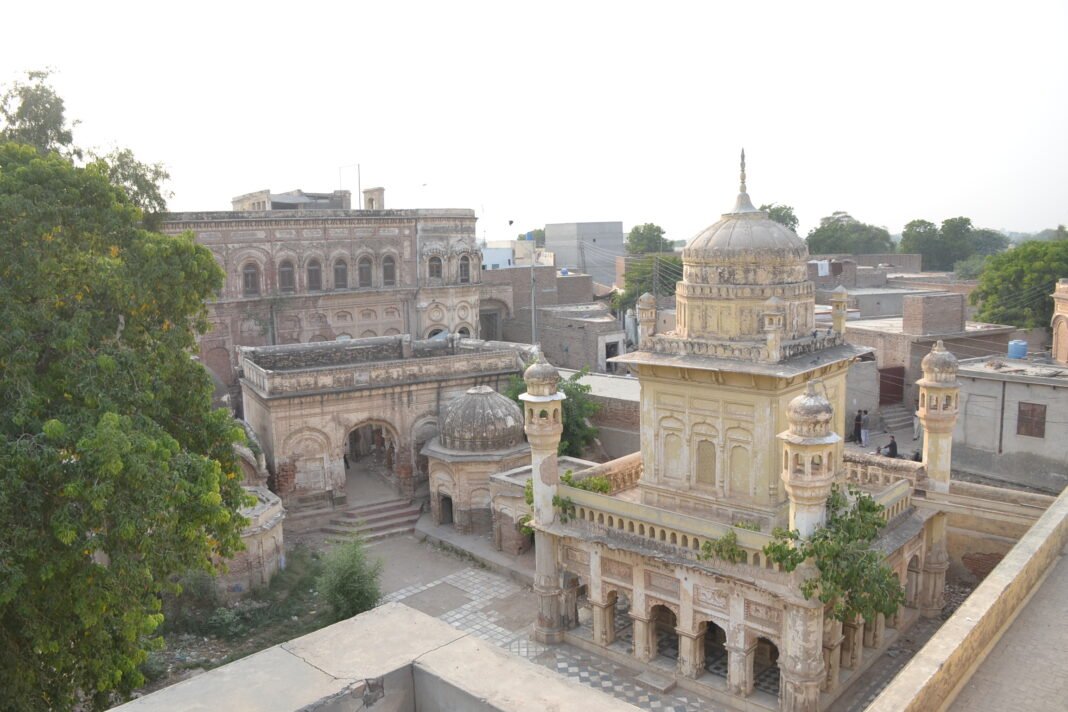
Visit for the spiritual atmosphere first. The darbar of Hazrat Sakhi Sultan — Syed Sakhi Sultan-ul-Arifeen Saddar-ud-Din Hashim, known locally as Sakhi Sultan Bhaakri — is a living Sufi shrine, not a museum. Devotees come year-round to pay respects, and the shrine sits at the heart of Attock Khurd’s religious life. If you have ever wanted to understand the Sufi shrine culture of Punjab up close — the quiet of an ordinary day, the fervour of an Urs, the drums and banners of a Muharram procession — this is an authentic place to do it, far from the commercialised circuits.
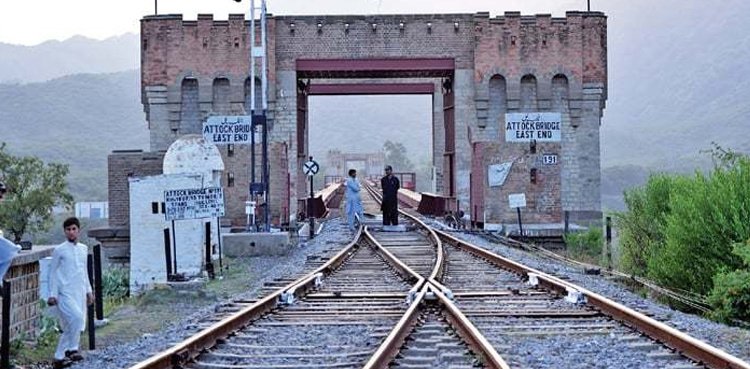
Visit second for the setting, which is genuinely extraordinary. Attock Khurd occupies one of the most storied crossings in South Asia: the point where the Indus meets the Kabul River, where Alexander is said to have crossed, where Mughal armies marched, where the British built their great iron bridge. Within a few kilometres of the darbar you can see Akbar’s Attock Fort (1581), the old Attock railway bridge (opened to traffic on 24 May 1883, designed by Sir Guildford Molesworth and built by Westwood, Baillie & Co. of London), the lovingly restored 1885 Attock Khurd railway station, Bahram-ki-Baradari (1681), Begum-ki-Serai and the tomb and temples of the old town. It is a full day of history with the darbar as its spiritual centre.
And visit third because it is so easy. Attock Khurd lies just off the GT Road, about 90 km from Islamabad — an easy day trip, and a natural stop on any journey between Punjab and Khyber Pakhtunkhwa. The shrine is free to enter, the station’s heritage resort welcomes visitors, and the whole area rewards the traveller who slows down.
Perfect for? Devotees and spiritual seekers, obviously — but equally for history buffs, railway enthusiasts, photographers of colonial architecture, and families looking for a meaningful GT Road day out. Time your visit for the Urs or the 25th of Muharram and you will see the shrine at its most alive.
History of Darbar Sakhi Sultan, Attock Khurd
The shrine honours Hazrat Sakhi Sultan — Syed Sakhi Sultan-ul-Arifeen Saddar-ud-Din Hashim, remembered in local histories as Sakhi Sultan Bhaakri, the maternal uncle of Syed Imam Jafer Shah Bukhari. He belongs to the Sufi landscape of the Attock region, a land that old gazetteers describe as studded with the shrines, tombs and hospices of saints — the darbar stands among the tombs and temples that have made this Indus crossing a sacred geography for centuries.
Attock Khurd’s own history frames the shrine. The town grew in the shadow of Attock Fort, built by the Mughal emperor Akbar in 1581 to guard the Indus crossing. In 1813 the Sikh Empire wrested the fort from the Durranis in the Battle of Attock; in 1833 Hari Singh Nalwa strengthened it with massive bastions. The British era then layered the railway age over the Mughal one: the old Attock bridge — two levels, five spans, the upper for rail and the lower for road and pedestrians — opened on 24 May 1883, and the beautiful stone Attock Khurd station, built around 1885 in Victorian style, served it. The station was restored as a railway heritage resort in 2007.
The darbar itself has grown in prominence in modern times: the Deputy Commissioner of Attock formally declares a district local holiday each year for the annual Urs of Hazrat Sakhi Sultan, closing government offices and schools — a measure of how deeply the shrine is woven into the district’s life. The shrine is also a noted centre of Muharram observance, hosting the annual Zuljanah procession on the 25th of Muharram.
Top Things to Do in Darbar Sakhi Sultan, Attock Khurd
Pay Respects at the Darbar
The shrine is the heart of the visit. Enter respectfully, offer fateha, and spend time in the courtyard. On ordinary days it is peaceful; during the Urs and Muharram it transforms. Dress modestly, remove shoes where custom requires, and follow the lead of local devotees.
Walk the Old Attock Bridge
The 1883 iron girder bridge is a marvel of colonial engineering — two levels, five spans, three of 257 feet and two of 312 feet. The lower level, once used by wheeled traffic and pedestrians, is now open for pedestrian traffic, offering extraordinary views up and down the Indus gorge. Stand mid-span and watch the river run beneath a structure that has carried trains since the 1880s.
Visit the “Doll House” Railway Station
The Attock Khurd railway station, built around 1885 and restored as a heritage resort in 2007, is a gem of Victorian stone masonry set against the hills — travel writer Salman Rashid’s famous description celebrates its pitched roofs, chimneys, gables, bell arches and even gargoyles. The waiting room, antique furniture, the station master’s room and the old Neale’s token-ball system make it a living museum of the railway age. Few trains stop here, which only adds to the time-stood-still atmosphere.
See the Indus–Kabul Confluence
Just upstream, the muddy Kabul River joins the clear blue Indus — a striking two-tone confluence visible from the bridge area. It is one of the great river sights of Pakistan and a favourite with photographers.
Explore the Mughal Monuments
Akbar’s Attock Fort (1581) crowns the ridge — it houses military units, so access is restricted, but its ramparts dominate every view. Nearby lie Begum-ki-Serai, Bahram-ki-Baradari (built 1681), the Attock tomb and the old town’s Hindu, Jain and Sikh temples. The shrine of Hazrat Gee Baba sits near the road along the river.
Famous Places In and Around Darbar Sakhi Sultan, Attock Khurd
- Attock Fort (1581): Akbar’s great Indus fortress on the ridge above the town.
- Old Attock Bridge (1883): The two-level iron railway bridge, open to pedestrians on the lower deck.
- Attock Khurd Railway Station (c. 1885): The Victorian “Doll House”, restored as a heritage resort.
- Bahram-ki-Baradari (1681): Mughal-era pavilion on the ridge south of the GT Road.
- Taxila (about 50 km): The great Gandharan archaeological sites — a natural extension of the trip.
- Wah Gardens: The Mughal gardens near Wah Cantt, on the GT Road back toward Islamabad.
Heritage road-trippers should browse the Explore Pakistan series for more GT Road and Punjab history — and our Islamabad guide if you are basing yourself in the capital.
How to Reach Darbar Sakhi Sultan, Attock Khurd
From Islamabad, take the GT Road west toward Attock — about 90 km, roughly 1.5 to 2 hours depending on traffic. Just before the new Indus bridge at Khairabad, a road turns left off the GT Road toward Attock Khurd, the old bridge and the railway station; the darbar is in the old town nearby. The whole detour from the highway takes about ten minutes.
From Lahore, the GT Road run to Attock is about 350 km (5–6 hours), or take the motorway to Islamabad and join the GT Road from there. From Karachi, fly to Islamabad and drive — the road journey exceeds 1,300 km. The nearest airport is Islamabad International Airport.
Rail is a romantic option: Attock Khurd station sits on the main Peshawar–Karachi line and all trains between Rawalpindi and Peshawar pass through — though few stop, so check schedules. By road, any car or public van on the GT Road works; from Attock city, local transport covers the few kilometres to Attock Khurd. Note that the fort area hosts military units and foreigners need prior approval to move in the immediate vicinity — carry ID regardless.
Route Details
- Islamabad → GT Road west toward Taxila, Wah Cantt and Attock (about 90 km).
- Just before the new Indus bridge at Khairabad, turn left off the GT Road toward Attock Khurd (signposted for the old bridge/railway station).
- About 10 minutes down this road: the old 1883 bridge, the heritage railway station and the darbar in the old town.
- Park near the station complex and explore the bridge, station, river viewpoint and shrine on foot — allow 3–4 hours for the full circuit.
Where to Stay in Darbar Sakhi Sultan, Attock Khurd
Most visitors come as a day trip from Islamabad or Rawalpindi, which offer the full range of accommodation. If you want to stay locally, Attock city — about 5 km away — has mid-range hotels and guesthouses serving GT Road travellers and business visitors. Wah Cantt, closer to Islamabad, has additional options.
There is no hotel at the shrine itself or in the old town of Attock Khurd. For a heritage-themed overnight, consider staying in Taxila or Islamabad and combining the darbar with Taxila’s museums and ruins the next day. Book ahead during the Urs, when devotees fill local accommodation.
Where to Eat: Local Foods of Darbar Sakhi Sultan, Attock Khurd
Eat on the GT Road, as travellers have for centuries. The highway dhabas around Attock, Wah and Taxila serve the great Pothohar-Punjab roadhouse repertoire: chicken and mutton karahi bubbling in open kitchens, daal fry, tandoori naan straight from the clay oven, lassi in steel glasses, and endless doodh patti. Attock city’s bazaars add local bakeries, samosa and pakora stalls, and seasonal fruit.
During the Urs, the shrine area comes alive with food stalls and the traditional langar-style distribution of food to devotees — sharing a meal here is part of the experience. Meals at GT Road dhabas are famously budget-friendly. Carry water for the walk around the bridge and station, where there are no food outlets.
Weather in Darbar Sakhi Sultan, Attock Khurd
Attock sits at the edge of the Pothohar plateau: hot summers, pleasant winters, and a monsoon that swells the Indus below the bridge. The best visiting weather is October to March; summer afternoons on the exposed bridge deck are fierce.
| Season | Temperature Range | Conditions |
|---|---|---|
| Winter (Dec–Feb) | 3 to 20 °C | Cool, clear, ideal for the bridge walk and shrine visit. Foggy mornings possible. |
| Spring (Mar–Apr) | 15 to 32 °C | Pleasant; the hills around the station turn green. |
| Summer (May–Jul) | 30 to 42 °C | Hot; visit early morning or late afternoon. Monsoon rains July onward. |
| Autumn (Sep–Nov) | 18 to 34 °C | Clearing skies; October–November excellent for photography. |
Language and Culture of Darbar Sakhi Sultan, Attock Khurd
The Attock region speaks Punjabi with a strong Pothohari/Hindko colouring; Urdu is universal. Shrine culture here blends Sunni Sufi devotion with the region’s Muharram traditions — the darbar hosts both the Sunni Urs and the Shia Zuljanah procession, a reminder of how layered Punjab’s religious life is.
At the shrine, dress modestly (cover head if you wish, as many devotees do), remove shoes where indicated, and avoid photography during prayers or processions unless invited. During Muharram, the atmosphere is solemn and devotional — observe quietly and respectfully. The town is conservative; greet people warmly and you will be met with the famous Pothohari hospitality.
Shopping in Darbar Sakhi Sultan, Attock Khurd
There is no tourist shopping at the shrine or the station — shop in Attock city’s bazaars: everyday Punjabi goods, fresh produce, bakeries and cloth merchants. The GT Road corridor is known for its roadside nurseries, pottery and furniture workshops between Wah and Taxila — worth a browse on the drive back. For serious souvenir hunting, Taxila’s craft shops (Gandharan-inspired replicas) and Islamabad’s markets are the stops. No malls here — the heritage is the attraction.
Local Events and Festivals
Two events define the shrine’s calendar. The annual Urs of Hazrat Sakhi Sultan is the biggest: the Deputy Commissioner of Attock declares a district-wide local holiday for it each year (recent observances have fallen in late August and late October in different years — the exact date is announced annually), closing government offices and schools while devotees gather at the darbar for prayers, qawwali and langar. If you want the shrine at its most vibrant, time your visit for the Urs — but book Attock accommodation early.
The second is the Zuljanah procession on the 25th of Muharram, when the Jaloos-e-Aza brings the alam and Zuljanah to the darbar — a major event in Attock’s Muharram calendar, drawing mourners from across the district. Visitors are welcome to observe respectfully.
Travel Tips for Darbar Sakhi Sultan, Attock Khurd
Packing Essentials
Sun protection and water for the exposed bridge walk, comfortable walking shoes, a light shawl or cap for the shrine, and your camera — the station and bridge are among the most photogenic colonial sites in Punjab.
Safety Tips
The old bridge’s lower deck is safe for pedestrians but keep children close to the railings and stay off the upper rail level. The fort area is military — do not photograph restricted installations, and carry your CNIC; foreigners need prior approval for the immediate area. Stick to daylight hours around the gorge.
Money & Connectivity
Carry cash — small dhabas and local transport are cash-only. ATMs are available in Attock city. All mobile networks work well along the GT Road corridor; signals are strong at the shrine and station.
Best Time to Visit Darbar Sakhi Sultan, Attock Khurd
Winter (October to March) — The Ideal Season
Cool, clear days perfect for walking the bridge, exploring the station and sitting at the shrine. The Indus runs clear and the light is superb.
Urs Time — The Spiritual Peak
Whenever the annual Urs falls (announced each year by the district administration), the darbar is at its most alive — qawwali, langar, crowds of devotees. Plan ahead.
25th Muharram — The Procession
The Zuljanah jaloos at the darbar is a profound cultural experience for respectful observers.
Summer (May to August) — The Off Season
Hot and, from July, humid with monsoon rains swelling the river. Visit early in the day if you must; otherwise wait for autumn.
Final Thoughts
Darbar Sakhi Sultan at Attock Khurd is that rare destination that gives you two trips in one: a living Sufi shrine with a real Urs and a real community of devotees, set inside one of the densest heritage landscapes in Pakistan — Mughal fort, Victorian bridge, Doll House station, and the meeting of two great rivers. Few day trips from Islamabad pack in this much history per kilometre.
Come on an ordinary day for peace, come for the Urs for fervour, and always leave time for the bridge at golden hour. The Indus has been crossed here for millennia; standing on the 1883 ironwork with the shrine’s drums faint in the distance, you will feel every century of it. This darbar sakhi sultan attock khurd travel guide has mapped the route — the river will do the rest.
FAQs
Where is Darbar Sakhi Sultan located?
In the old town of Attock Khurd, Attock District, Punjab — on the eastern bank of the Indus, a few kilometres off the GT Road near the historic railway bridge.
What is the best time to visit?
October to March for weather; the annual Urs (date announced yearly, with a district holiday) and the 25th of Muharram procession are the spiritual high points.
How do I reach it from Islamabad?
Drive the GT Road west about 90 km (1.5–2 hours), turn left just before the new Indus bridge at Khairabad toward Attock Khurd — the shrine, old bridge and station are about 10 minutes off the highway.
Who was Sakhi Sultan?
Hazrat Sakhi Sultan — Syed Sakhi Sultan-ul-Arifeen Saddar-ud-Din Hashim, known as Sakhi Sultan Bhaakri — a Sufi saint of the Attock region, maternal uncle of Syed Imam Jafer Shah Bukhari.
Is the shrine safe for tourists?
Yes. It is a peaceful, welcoming shrine. Carry ID, dress modestly, and note that the nearby fort is a military area where photography is restricted.
Is it suitable for families?
Very — easy road access, no climbing, and the station and bridge fascinate children. Keep kids close on the bridge deck.
Where can I stay nearby?
Day-trip from Islamabad/Rawalpindi, or stay in Attock city (5 km) or Wah Cantt for mid-range hotels.
What else should I see nearby?
The 1883 Attock railway bridge, the Victorian Attock Khurd station, the Indus–Kabul confluence, Bahram-ki-Baradari — and Taxila’s Gandharan ruins, about 50 km back toward Islamabad.