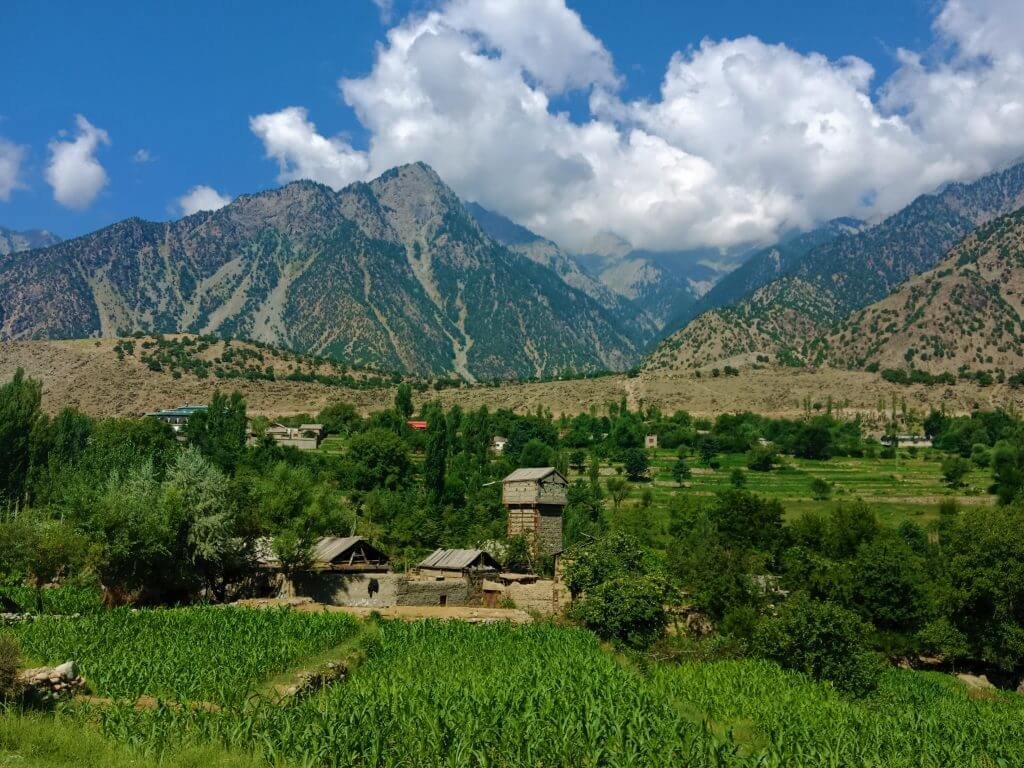
Most travelers racing up the Karakoram Highway never look sideways — and that is exactly why Darel Valley still feels like a secret. Tucked into the mountains of Gilgit-Baltistan on a tributary of the mighty Indus, Darel is a valley of carved wooden villages, ancient Buddhist ruins, and autumn color that rivals anywhere in the north. If you have already ticked off Hunza and Skardu and want something rawer, quieter, and steeped in fifteen centuries of history, this Darel Valley travel guide will show you why this valley deserves a place on your list.
Quick Facts
- Location: Darel District, Gilgit-Baltistan, Pakistan — on the Darel River, a tributary of the Indus
- Famous For: The ancient Buddhist monastery remains of Phuguch, centuries-old rock carvings, hand-carved wooden villages, and brilliant autumn foliage
- Nearest City: Chilas, reached via the Karakoram Highway
- Accessibility: About 443 km from Islamabad and around 226 km from Gilgit; a jeep track leaves the Karakoram Highway at Shatiyal, crosses the Indus bridge, and climbs the valley along the Darel River
- Known Landmarks: Phuguch monastery (Naukot), Shatiyal rock carvings, the old wooden mosque of Gayel, and the Gumari fortress
- Best For: History lovers, photographers, cultural explorers, and offbeat adventurers
Why Visit Darel Valley
Visit Darel Valley because it is one of the few places in northern Pakistan where the past has not been polished into a postcard. The valley’s Buddhist monastery of Phuguch was described by Chinese pilgrims sixteen hundred years ago as the seat of a 100-foot wooden Maitreya figure and an important center of the Udayana kingdom — the same kingdom that ruled ancient Swat. Standing among the ruins with the Darel River roaring below, you are not looking at a museum exhibit. You are walking through a chapter of the Silk Road that most travelers never open.
Darel is also perfect for anyone who loves mountain culture up close. The first village you meet, Gayel, is famous across the valley for its wooden houses — nearly every home carries intricate carvings that mark the social standing of its owner, and the old wooden mosque with its floral-carved facade is a beautiful blend of local and foreign craft. In upper Darel, families still stack hay over chopped tree branches in almost every village and store dried winter meat the way their ancestors did. This is living heritage, not a staged show.
Then there is autumn. From September to November, the scattered trees along the Darel River turn gold and crimson against bare mountains, and photographers get frame after frame without another soul in sight. Unlike Hunza’s crowded October season, you may have the whole valley to yourself.
Finally, Darel is easy to combine with a bigger northern trip. It sits right off the Karakoram Highway at Shatiyal, so you can slot in a day or two between Chilas and Gilgit without changing your whole route. For travelers exploring Explore Pakistan destinations, Darel pairs beautifully with its sister valley Tangir and the rock art of Chilas — see our Chilas Valley travel guide and Chilas rock carvings guide for the full picture.
History of Darel Valley
Darel’s recorded history begins with the Chinese Buddhist pilgrims. Faxian, traveling around 403 AD on his way to Udayana (ancient Swat), described “To-li” — identified by scholars as modern Darel — as the capital of the Udayana kingdom, and wrote of the great Buddhist monastery of Ta-li-lo with its carved wooden image of the Maitreya Bodhisattva. Two centuries later, around the 7th century, Xuanzang visited the same monastery, calling it “Ta-li-lo” and confirming it as an old and important seat of the Udayana government, filled with monks of the Hinayana school. The monastery ruins, locally known as Naukot, still stand on a hill overlooking Phuguch village.
The rock art along the Indus at nearby Shatiyal tells an even older story. The earliest Kharosthi inscriptions there date to the 1st century AD, and travelers, traders, and missionaries from Samarkand, China, and Persia left thousands of carvings — Buddhist stupas and bodhisattvas alongside Zoroastrian fire altars and Sogdian names — between the 1st and 8th centuries AD. The Shatiyal site served as a halting place for people coming from the Darel monastery, connecting the valley directly to the Silk Road traffic of the upper Indus.
In more recent times, Darel belonged to what the British called Yaghestan — the “land of the free” — a string of Indus tributary valleys including Darel, Tangir, Harban, and Sazin that no ruler fully dominated. That changed when Pakhtun Wali Khan, a Khushwaqte prince from Yasin, established his rule over Darel, Tangir, Harban, Sazin, and Shatial from 1905 to 1917 and built the fortress at Gumari whose remains still overlook the valley. The Hungarian-British explorer Sir Aurel Stein visited Darel during Wali Khan’s rule and documented the valley’s history and heritage in his book Innermost Asia Vol. 1, becoming the first European to record what he saw. Today Darel stands as its own district of Gilgit-Baltistan, and its Buddhist ruins remain one of the most significant archaeological sites in the region.
Top Things to Do in Darel Valley
Explore the Phuguch Monastery Ruins (Naukot)
The remains of the Buddhist monastery locally called Naukot sit on a hill above Phuguch village, and this is the single most important sight in the valley. This is the “Ta-li-lo” monastery of the Chinese pilgrims, once home to hundreds of monks and the famous wooden Maitreya image. Walk the site slowly, look for carved stones and foundations, and picture the valley as it was sixteen centuries ago — a center of Buddhist learning on the road between Central Asia and Swat.
See the Shatiyal Rock Carvings
Before or after entering Darel, stop at Shatiyal on the Karakoram Highway, where boulders along the Indus carry thousands of petroglyphs: stupas, bodhisattvas, hunting scenes, and inscriptions in Kharosthi, Brahmi, and Sogdian. Scholars believe many of these were carved by travelers resting on their way to and from the Darel monastery, and the site’s earliest inscriptions go back to the 1st century AD.
Walk Through Gayel Village
Gayel is the first village that welcomes visitors to Darel, and it is worth a slow walk. The village is noted for its wooden houses with ornately carved door frames — each carving signals the owner’s place in the community. Do not miss the old wooden mosque with its arcade facade of floral designs and the open wooden platform where the village jirga once gathered. The blend of local and foreign elements in the woodwork is unlike anything else in the north.
Visit Gumari, the Valley Headquarters
Continue up the valley to Gumari, Darel’s main town and administrative center. The remains of the fortress built by Pakhtun Wali Khan during his 1905–1917 rule stand here, and the town’s small bazaar is the best place to meet locals, buy supplies, and arrange a jeep further up the valley.
Chase Autumn Color Along the Darel River
From late September through November, the valley’s orchards and riverside trees turn gold, amber, and red. Drive the Darel road slowly, stop at the confluence where the big stream meets the Darel River at Gayel, and walk the riverbanks with your camera. The bare mountains make the color pop even more dramatically than in the greener valleys.
Fish and Picnic by the Water
The Darel and Tangir rivers are clear, cold mountain streams. Bring a picnic, find a flat bank, and spend an afternoon doing very little — this is the kind of valley that rewards slowing down. Angling is possible in season; ask locals about the best spots and any local rules.
Famous Places In and Around Darel Valley
- Tangir Valley — Darel’s sister valley across the KKH at Sazin, with the Tangir River, orchards, and Tangir National Park.
- Shatiyal — The rock-art halting place on the Indus, minutes from the Darel turnoff.
- Chilas — The Diamer town on the KKH, gateway to Darel and famous for its own Buddhist petroglyphs.
- Babusar Top — The high pass connecting Chilas with Naran and Kaghan, usually open June to October.
- Nanga Parbat viewpoints — Several pullouts on the KKH near Chilas frame the world’s ninth-highest mountain.
How to Reach Darel Valley
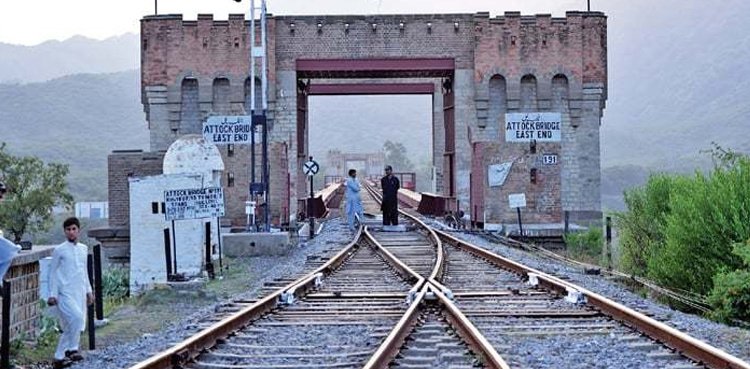
Darel sits about 443 km from Islamabad and around 226 km from Gilgit, just off the Karakoram Highway. The standard approach is from the KKH: at the police post near Shatiyal, cross the bridge over the Indus River and take the Darel road, which follows the Darel River up the valley. The drive from the turnoff to Gayel and on to Gumari takes roughly 3–4 hours by jeep over a narrow mountain track — a 4×4 is strongly recommended, and the road is best traveled in daylight.
From Islamabad: Drive the Karakoram Highway via Abbottabad, Mansehra, and Besham to Chilas — an 8 to 10 hour journey — then continue on the KKH to Shatiyal and turn into Darel. Total Islamabad to Darel is a full day’s drive, so most travelers overnight in Chilas or Besham.
From Lahore: Take the motorway to Islamabad (about 4–5 hours), then follow the Islamabad route above. There is no shortcut — plan for two days with a night stop.
From Karachi: Fly to Islamabad (about 2 hours) and continue by road, or take the train/bus to Rawalpindi and join the KKH route. A few tour companies run guided Darel and Tangir packages from Islamabad that handle transport and stays.
Nearest airport: Gilgit Airport, about 226 km from the Darel turnoff, with flights from Islamabad (weather permitting). Many travelers find it simpler to drive the whole way from Islamabad.
Road conditions by season: The jeep track is generally passable from May to November. Winter brings heavy snowfall that can cut the valley off entirely — upper Darel’s link with lower Darel breaks down in deep winter, and the track from Shatiyal becomes unsafe. Summer monsoon rains can trigger landslides on the KKH, so check road conditions before setting out in July and August.
Transport options: Private 4×4 or a hired jeep from Chilas or Shatiyal is the practical choice. Public NATCO and private buses run from Islamabad and Gilgit to Chilas, from where you can hire a jeep into the valley. Tour vans and guided packages from Islamabad are a good option for first-time visitors.
Route Details
Islamabad → Abbottabad → Mansehra → Thakot → Besham → Dasu → Chilas (8–10 hrs on the KKH) → Shatiyal → cross the Indus bridge → Darel road along the river → Gayel village → Gumari (3–4 hrs from Shatiyal). For Tangir on the return, take the KKH to Sazin, cross the Indus bridge there, and follow the Tangir road.
Where to Stay in Darel Valley
Darel is an offbeat destination, so accommodation is simple and honest rather than luxurious. There are no verified branded hotels in the valley, and that is part of its charm — you stay the way travelers have always stayed here.
Guesthouses in Gumari: The valley headquarters has a handful of basic guesthouses with clean rooms, home-cooked meals, and the owner’s local knowledge thrown in. Book through a local contact or simply arrive and ask — hospitality is a point of pride here.
Village homestays: In Gayel and other villages, families sometimes host visitors. This is the most rewarding option: you eat what the family eats, hear valley stories firsthand, and sleep in a carved wooden house. Arrange through a local guide or your jeep driver.
Camping: The riverbanks and flat meadows make excellent campsites from May to October. Bring your own tent, sleeping bag rated for cold nights, and cooking gear — there are no established campgrounds.
Base yourself in Chilas: If you prefer proper hotels, stay in Chilas on the KKH and visit Darel as a long day trip. Chilas has mid-range hotels with attached bathrooms and restaurants, and the drive to Shatiyal is short.
Where to Eat: Local Foods of Darel Valley
Dareli food is mountain food — hearty, simple, and built around what the valley grows and stores. The signature local item is Goshto (also called Nasalo), meat dried for the winter and stored in a triangle-shaped store called a “dango” on the upper storey of the house. Families slaughter animals before the heavy snows of late December, and the dried meat carries them through the months when the valley is cut off. Trying it is a genuine taste of Darel’s survival culture.
Day to day, expect fresh wheat breads baked on hot plates, dairy products like butter and yogurt from household cattle, seasonal fruits — apricots, mulberries, and apples in summer — and salt tea. Along the Karakoram Highway at Shatiyal and in Chilas, roadside dhabas serve traveler staples: daal, mixed vegetable, chicken karahi, and rice. Food here is budget-friendly — a filling dhaba meal costs very little, and guesthouse meals are typically simple home cooking included with or added to your stay at a modest price. Carry snacks and water for the jeep ride up the valley, as there are no restaurants once you leave the KKH.
Weather in Darel Valley
Darel’s weather follows the classic northern pattern: pleasant summers, glorious autumns, and harsh, snowbound winters. The valley floor is lower than Hunza or Skardu, so summers are warmer, but nights stay cool year-round and winter can shut the valley completely.
| Season | Temperature Range | Conditions |
|---|---|---|
| Winter (Dec–Feb) | Around -5°C to 8°C, colder at night | Heavy snowfall, especially in upper Darel; the valley can be cut off for weeks and the jeep track is unsafe |
| Spring (Mar–May) | Around 8°C to 22°C | Blossom season, melting snow, green pastures; roads reopen but check conditions early in the season |
| Summer (Jun–Aug) | Around 20°C to 32°C | Warm days, cool nights; occasional monsoon rain and landslide risk on the KKH approach |
| Autumn (Sep–Nov) | Around 8°C to 22°C | Clear skies and spectacular foliage color — the best overall season to visit |
Language and Culture of Darel Valley
The people of Darel are Shina speakers, part of the Dardic peoples of the western Himalaya and Hindu Kush. Shina is the everyday language of the valley, while Urdu works for communication with visitors and in the bazaar at Gumari.
Dareli culture is conservative and community-centered. The jirga tradition of collective decision-making is still alive — the old wooden mosque at Gayel even has an open platform built for jirga gatherings. Woodcarving is the valley’s signature craft: door frames, house beams, and mosque facades carry intricate designs that reflect a family’s standing, and the style blends local Dardic motifs with influences picked up along centuries of Silk Road traffic.
Visitors should dress modestly, greet elders respectfully, and always ask before photographing people or entering homes and mosques. Music and musicians, once frowned upon in the valley, are gradually accepted now — a sign of how Darel is changing — but the pace of change is gentle, and respectful travelers are warmly welcomed. If you are offered tea, accept it; hospitality here is generous and sincere.
Shopping in Darel Valley
Shopping in Darel means the small bazaar at Gumari and village households — there are no shopping malls, and that is the point. Look for dried apricots, mulberries, and walnuts in season, simple woolen caps and shawls, and carved wooden items made by local craftsmen. Prices are local prices: low, fair, and rarely negotiable the way tourist-bazaar prices are. For a wider selection, the bazaars of Chilas on the KKH stock dry fruits, trekking supplies, and everyday goods.
Travel Tips for Darel Valley
Packing Essentials
Pack layers for big day-night temperature swings, a warm jacket even in summer, sturdy walking shoes, sun protection (the mountain sun is strong), a basic first-aid kit, and a power bank. If camping, bring a cold-rated sleeping bag. Carry all the cash you will need — there are no ATMs in the valley.
Safety Tips
Travel the jeep track only in daylight and only with an experienced local driver. Avoid the valley in deep winter and check KKH conditions during monsoon season, when landslides are common. Tell someone your plan before heading up the track, and keep your phone charged — mobile signal is patchy once you leave Shatiyal.
Money & Connectivity
There are no ATMs in Darel, so withdraw cash in Chilas, Gilgit, or Islamabad. Mobile signals are limited in the valley; some networks work near Gumari but coverage fades quickly on the track. Download offline maps before you go, and let family know you may be unreachable for a day or two.
Best Time to Visit Darel Valley
Autumn (September to November) — The Best Season
This is when Darel shines. Clear skies, comfortable temperatures, harvest activity in the villages, and the famous riverside color make autumn the top pick for photographers and casual travelers alike.
Spring (April to June) — Blossom and Green Valleys
Spring brings blossom, fresh green pastures, and mild weather — a lovely time for walking the villages and visiting the monastery ruins without summer heat.
Summer (July to August) — Warm but Watch the Rains
Summer is fine for Darel itself, but monsoon rains can disrupt the KKH approach with landslides. Build buffer days into your plan.
Winter (December to February) — Avoid
Heavy snow can isolate the valley for weeks. Travel here in winter is not recommended for casual visitors.
Final Thoughts
Darel Valley is not trying to be the next Hunza, and that is precisely its magic. It offers something increasingly rare in the north: a valley where a 1,600-year-old monastery, a living woodcarving tradition, and some of Pakistan’s finest autumn color exist without crowds, queues, or curated viewpoints. Come with realistic expectations — the road is rough, the hotels are basic, and the Wi-Fi is a rumor — and Darel will give you one of the most genuine travel experiences in Gilgit-Baltistan.
Whether you are a history buff tracing the Chinese pilgrims’ route, a photographer hunting autumn light, or simply a traveler who prefers the road less taken, Darel deserves your visit. Pair it with Tangir, linger over the rock carvings at Shatiyal, and take home a story that very few travelers can tell. For more northern inspiration, browse our Explore Pakistan collection — and if the high Karakoram calls, our Malam Jabba guide covers one of the country’s best-developed mountain resorts.
FAQs
Where is Darel Valley located?
Darel Valley is in Darel District of Gilgit-Baltistan, Pakistan, on the Darel River — a tributary of the Indus. It lies just off the Karakoram Highway at Shatiyal, about 443 km from Islamabad and 226 km from Gilgit.
What is the best time to visit Darel Valley?
September to November is the best time, with clear skies and spectacular autumn foliage. April to June is also pleasant for blossom and green valleys. Avoid December to February, when snow can cut the valley off.
How do I reach Darel Valley?
Drive the Karakoram Highway to Shatiyal, cross the Indus bridge, and take the Darel jeep track up the valley to Gayel and Gumari (3–4 hours from Shatiyal). A 4×4 with a local driver is recommended.
Is Darel Valley safe for tourists?
Yes, for prepared travelers. The main risks are the rough mountain track and winter weather — travel in daylight with a local driver, avoid winter, and check KKH conditions in monsoon season.
Is Darel Valley good for families?
It suits adventurous families with older children who enjoy history and nature. The road is rough and facilities are basic, so it is less ideal for very young children or travelers needing comfort.
Where can I stay in Darel Valley?
Basic guesthouses in Gumari, village homestays in places like Gayel, or camping along the river. For proper hotels, base yourself in Chilas and visit Darel as a day trip.
What food is Darel Valley famous for?
The local specialty is Goshto (Nasalo) — meat dried for winter storage. You will also find fresh wheat breads, dairy products, seasonal apricots and mulberries, and salt tea.
What is the Buddhist connection of Darel Valley?
Darel was home to the great monastery of Phuguch (Naukot), described by the Chinese pilgrims Faxian (around 403 AD) and Xuanzang (7th century) as a major center of the Udayana kingdom with a famous 100-foot wooden Maitreya figure.