Quick Facts
- Location: Upper Swat, Khyber Pakhtunkhwa, northeast of Kalam town
- Altitude: around 2,000 to 2,500 metres in the village zone, rising much higher toward its alpine lakes
- Famous For: The “Green Valley of Swat” — emerald meadows, turquoise mountain rivers, and the gateway trail to Kundol Lake
- Nearest City: Kalam, about 16 kilometres away; Mingora roughly 80 kilometres to the south
- Accessibility: Paved road to Kalam, then a winding mountain track where a 4×4 jeep is strongly recommended
- Known Landmarks: Kundol Lake, Shahi Bagh meadows, Gabral River, the trailheads to Kharkhari and Daral Lakes
- Best For: Trekkers, anglers, campers, photographers, and anyone who wants Swat without the crowds
Why Visit Gabral Valley
Most people who “visit Swat” never actually see Swat. They see Kalam’s bazaar, Mahodand’s parking lot, and the same three photo spots every tour company puts on its brochure. Gabral Valley is what they miss — the Swat that locals talk about when the tourists have gone home. A green, river-cut valley just a short jeep ride from Kalam, where the meadows are still unfenced, the river still runs turquoise, and the only traffic jam you will hit is a herd of goats crossing the track.
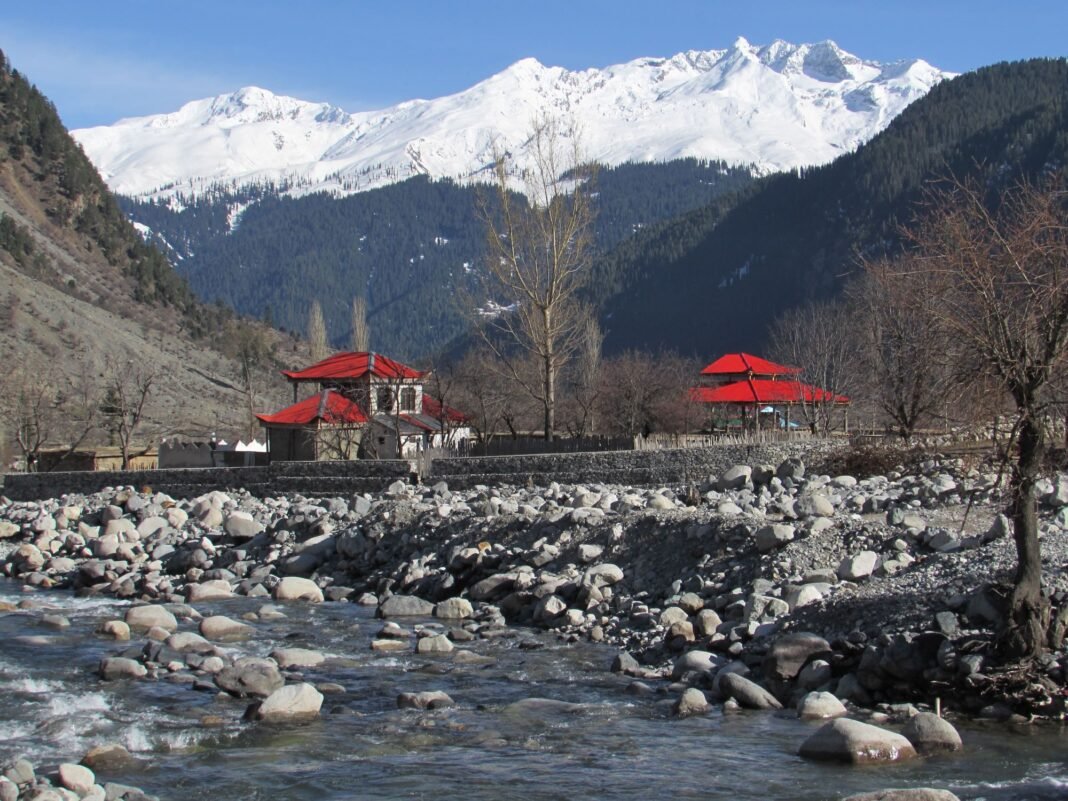
Gabral earns its nickname — the Green Valley of Swat — honestly. From May through September the valley floor is a patchwork of wheat, maize, and apple orchards, ringed by pine-covered slopes that climb into bare alpine rock. The Gabral River threads through it all, cold and clear, and the air smells of pine resin and cut grass. It is the kind of place where you arrive for a day trip and end up negotiating with a jeep driver to stay the night.
What makes Gabral genuinely special, though, is that it is a gateway, not a dead end. The trek to Kundol Lake — one of upper Swat’s most beautiful alpine lakes — begins in Gabral. The trails to Kharkhari Lake and across to Daral Lake start here too. So Gabral works on two levels at once: it is a gentle, family-friendly valley for picnics and short walks, and it is base camp for some of the finest high-altitude trekking in the region. Few places in Pakistan offer both without forcing you to choose.
If you are planning a Swat trip and wondering where to go beyond Kalam’s main street, put Gabral at the top of the list. It rewards the traveler who drives the extra half hour and takes the rougher road — the oldest rule of mountain travel, and one that has never failed here.
History of Gabral Valley
Gabral has no palace, no fort, no battle with a famous date attached to it — and that absence is part of its story. This is a valley of farmers and herders, and its history is the quiet, unwritten history of upper Swat’s mountain villages: people living on terraced fields, grazing livestock in summer pastures, and trading along the footpaths that connected Kalam with the valleys of the Kohistan side.
The wider region’s recorded history runs deep. Swat was ancient Uddiyana, the Buddhist “Garden” celebrated in texts going back more than two thousand years, and later the heartland of the Gandhara civilization, whose stupas and carvings still dot the lower valley. The rugged upper valleys — Utror, Ushu, Gabral — sat on the periphery of these kingdoms, inhabited by mountain clans who owed allegiance to whoever held the valley floor but mostly governed themselves.
In modern times, Gabral fell within the Yusufzai State of Swat, the princely state established by Miangul Abdul Wadud in 1915 and ruled from 1926 to 1969 by his son, the Wali of Swat, Miangul Abdul Haq Jahanzeb. The Wali’s administration brought roads, schools, and a famous building code to the valley, and upper Swat’s villages were gradually connected to the state machinery. When the state merged into Pakistan in 1969, these mountain valleys became part of the settled districts of Khyber Pakhtunkhwa — and places like Gabral began their slow transformation from remote farming villages to trekking destinations, as Pakistani travelers rediscovered Swat’s high valleys from the 1980s onward.
Today Gabral is still a working valley — apples and maize are its cash crops — but tourism now shares the economy with agriculture. The village has learned to host the trekkers passing through to Kundol and Kharkhari lakes, and the relationship between farmer and visitor is easy and unforced, in a way that only comes from a place that was not invented for tourism.
Top Things to Do in Gabral Valley
Trek to Kundol Lake
The crown jewel of any Gabral visit is the trek to Kundol Lake, roughly 15 kilometres from the village — a solid 4 to 6-hour hike each way through alpine meadows and pine forest. The lake sits in a high cirque surrounded by snow-dusted peaks, and on a clear day the water is an impossible blue-green. Most trekkers do it as a long day trip from Gabral with an early start, but strong hikers can camp at the lake. Hire a local guide from the village; the trail is straightforward in summer but the weather can turn fast, and a local knows the shortcuts and the water crossings.
Picnic and Walk at Shahi Bagh
Shahi Bagh — the “royal garden” meadow above Gabral — is the valley’s signature postcard: a wide, grassy expanse ringed by towering pines with the peaks behind. It is an easy walk from the village and makes a perfect family picnic spot. This is where you come when you do not want to trek all day but still want the full alpine experience. Arrive in the late afternoon, when the light goes golden across the meadow, and you will understand why this one spot appears in so many Swat travel guides.
Fish the Gabral River
The cold, fast water of the Gabral River holds brown trout, and fishing here is one of the valley’s genuine pleasures. Trout fishing in Swat requires a permit from the fisheries department — check the current rules in Kalam before you go — and local anglers can show you the productive pools. Even if you do not fish, a slow walk along the riverbank at dusk, watching the water braid itself around the boulders, is one of the simplest joys the valley offers.
Day Trip to Kharkhari Lake
Less visited than Kundol but nearly as beautiful, Kharkhari Lake lies about 15 kilometres from Gabral village in a high alpine basin. The trek is a full day’s work and sees a fraction of the traffic of the Kundol route, which means you may well have the lake to yourself. The surroundings are classic high Swat: snow-patched ridges, grazing sheep, and a silence so complete it feels physical.
Camp Under the Stars
Gabral is made for camping. The meadows around the village and along the Kundol trail offer flat, grassy sites with running water nearby, and at this altitude the night sky is spectacular — the Milky Way on a moonless night is bright enough to walk by. Bring a proper sleeping bag; even in August, nights at these altitudes are cold. Local families sometimes offer space in their orchards for campers for a small fee, which gets you flat ground and a morning chai.
Photograph the Valley’s Green Season
June and July turn Gabral into a study in green: emerald fields, dark pine, pale alpine flowers. Photographers should plan for the golden hours — the valley runs roughly north-south, so sunrise lights the eastern ridges first while the river mist still hangs low. Autumn brings a completely different palette of gold and copper in the poplar and chinar, and winter, for the hardy, wraps everything in snow.
Famous Places In and Around Gabral Valley
- Kundol Lake — the premier alpine lake of upper Swat, reached by trek from Gabral
- Shahi Bagh — the valley’s famous pine-ringed meadow, ideal for picnics
- Kharkhari Lake — a quieter, high-altitude lake about 15 km from the village
- Daral Lake — another alpine lake reachable on trails from the Gabral side; see our Daral Lake travel guide
- Ushu Valley — thick coniferous forest and riverside meadows, about 12 km by trek from Gabral
- Kalam town — the valley’s base town and market hub; browse the bazaar and riverside walks
- Mahodand Lake — Swat’s most famous lake, an easy jeep trip from Kalam past Gabral’s turnoff
How to Reach Gabral Valley
Getting to Gabral is a two-stage journey: the comfortable highway run to Kalam, then the proper mountain leg into the valley. From Islamabad, take the M-1 motorway toward Peshawar, exit onto the Swat Expressway (M-16), and drive to Mingora — about 250 kilometres and 4 to 5 hours on good divided highway. From Mingora, the N-95 climbs the Swat River gorge through Khwazakhela and Bahrain to Kalam, another 100 kilometres or so of winding but fully paved mountain road (roughly 2.5 to 3 hours). From Kalam, a mountain track heads northeast to Gabral village, about 16 kilometres — short in distance, but allow a full hour, and do it in a 4×4.
From Lahore, add roughly 4 to 5 hours to the Islamabad timings: the run to Islamabad is motorway all the way, then the same Swat route. Most Lahore travelers leave at dawn and sleep in Kalam or Bahrain on the first night. From Karachi, the realistic option is to fly to Islamabad (about 2 hours) and continue by road, or take the train or bus to Rawalpindi and hire a vehicle from there. The total Karachi-to-Gabral journey is a two-day affair with an overnight stop.
The nearest airport is Saidu Sharif Airport in Swat, about a 3 to 4-hour drive from Kalam when flights are operating. Schedules are seasonal and weather-dependent, so treat it as a bonus, not a plan — Islamabad remains the dependable gateway.
Road conditions are the decisive factor. The Kalam road is open year-round except during the heaviest snow spells, when it can close for days in January and February. The Gabral track itself is a summer route: from roughly May to October it is drivable in a 4×4 (and in the best months, in a high-clearance car driven carefully); in winter it is blocked by snow and the valley is effectively cut off. Monsoon rains in July and August can make the track slippery and trigger small landslides — check conditions in Kalam before heading up.
Transport options: private car or SUV to Kalam, then hire a local 4×4 jeep in Kalam for the Gabral leg (drivers know the track intimately and will quote a round-trip rate). Coaster and van tours from Islamabad and Lahore run regular Swat packages that include Kalam; ask the operator to add Gabral and Kundol, or book a custom jeep from Kalam’s stand. Public vans reach Kalam from Mingora; beyond that, you are in jeep territory.
Route Details
- Step 1: Islamabad/Rawalpindi → M-1 motorway → Swat Expressway (M-16) → Mingora/Fizagat (approx. 250 km, 4–5 hours)
- Step 2: Mingora → N-95 north along the Swat River → Khwazakhela → Bahrain (stop for chai and the river views) → Kalam (approx. 100 km, 2.5–3 hours)
- Step 3: Kalam → northeast on the mountain track → Gabral village (approx. 16 km, about 1 hour by 4×4)
- Step 4: Gabral village → on foot to Shahi Bagh (short walk), or the full-day trek to Kundol Lake (approx. 15 km each way, 4–6 hours)
Where to Stay in Gabral Valley
Gabral village itself is small, and accommodation is correspondingly simple. A handful of family-run guesthouses and basic hotels serve trekkers and summer visitors — clean rooms, hot water in the good ones, and home-cooked food on request. Do not expect luxury here; do expect genuine hospitality and some of the best sleep of your trip, at prices that are budget-friendly by any standard.
Most travelers base themselves in Kalam, where the choice is far wider: mid-range hotels with river views line the main road, and a few upscale properties offer the comforts of hot tubs, in-house restaurants, and reliable heating. Kalam is a 45-minute to one-hour jeep ride from Gabral, which makes it a practical base for a Kundol trek (start very early) and comfortable for families.
For the adventurous, camping is the premium experience in Gabral. The meadows around Shahi Bagh and along the Kundol trail have established informal campsites; bring your own tent and a warm sleeping bag, and you can arrange meals with village families. In July and August, a few seasonal tent setups appear near the trekking trailheads. Book Kalam accommodation in advance for June–August weekends, when the valley fills with holiday traffic.
Where to Eat: Local Foods of Gabral Valley
Swati cuisine is hearty mountain food, and Gabral’s kitchens reflect that. The star of the table is trout — pan-fried or grilled, caught from the valley’s own river and usually served with lemon and local spices. It is the one dish every visitor should try here, ideally at a riverside spot in Kalam or cooked fresh by a guesthouse family in Gabral.
Beyond trout, expect the Pashtun staples done well: chapli kebabs, mutton karahi, daal, and fresh tandoori naan. Breakfast is parathas with desi ghee and chai. The valley’s apple orchards mean fresh apples in late summer and autumn, and dried apricots and walnuts appear in every bazaar. Kalam’s main bazaar has the widest choice of restaurants, from budget dhabas to mid-range family restaurants; in Gabral itself, eat where you sleep — guesthouse kitchens cook simple, honest food. A full meal at a dhaba is budget-friendly; a trout dinner at a proper restaurant costs more but is worth every rupee.
Weather in Gabral Valley
Gabral’s climate is classic high-valley mountain weather: a short, glorious summer, a crisp autumn, and a long, snowbound winter. The valley sits high enough that even midsummer nights need a jacket, and the weather can swing from sunshine to rain in an afternoon. Layering is not advice here; it is the dress code.
| Season | Temperature Range | Conditions |
|---|---|---|
| Winter (Dec–Feb) | -10°C to 5°C | Heavy snowfall; the Gabral track closes; the valley is largely cut off |
| Spring (Mar–Apr) | 5°C to 18°C | Snowmelt, rushing streams, blossoms in lower fields; high trails still blocked |
| Summer (May–Sep) | 12°C to 25°C | Warm days, cool nights; peak green season; all trails open |
| Autumn (Oct–Nov) | 2°C to 15°C | Golden foliage, clear skies, cold nights; track closes with first heavy snow |
Language and Culture of Gabral Valley
Pashto is the language of the valley, spoken in the soft northern Swati dialect; many villagers also understand Urdu, and the guesthouse and jeep crowd in Kalam get by in a mix of all three. In the higher hamlets you may hear Gujari, the language of the Gujar herders who move their flocks to the summer pastures.
Culturally, Gabral is a traditional Pashtun mountain community with a strong code of hospitality — guests are honored, and a traveler in genuine need will rarely be turned away. Dress modestly: long trousers and covered shoulders for both men and women are the respectful default, especially in the villages. Ask before photographing people, particularly women. Friday is the prayer day; plan treks and shopping around it. If you are invited for chai — and you may be — accept; refusing hospitality is considered rude, and the conversation that comes with the tea is often the best part of the trip.
Shopping in Gabral Valley
Gabral is not a shopping destination, and that is part of its charm — but the wider upper Swat has real crafts worth carrying home. Kalam’s bazaar, your last stop before the valley, sells hand-woven woolen shawls, embroidered caps, walnut-wood carvings, and dried fruits: apricots, walnuts, and almonds from the valley orchards. In Gabral village itself, ask about fresh honey and desi ghee — both are produced locally and both are excellent. There are no malls and no brand outlets anywhere in this part of Swat; the bazaar in Kalam and the small shops in Bahrain are your commercial centres. Bargain gently and with a smile — it is expected, but it is a conversation, not a confrontation.
Travel Tips for Gabral Valley
Packing Essentials
Warm layers even in summer (a fleece and a windproof jacket), sturdy trekking shoes with ankle support, a rain shell for the afternoon showers of July and August, sun protection (the high-altitude sun is fierce), a headlamp for campsites, a basic first-aid kit with blister care, and a water bottle — the streams are clean but a filter or purification tablets are wise. For the Kundol trek: a daypack, snacks, and a packed lunch, because there are no shops on the trail.
Safety Tips
The valley is peaceful and crime against tourists is rare, but mountain sense matters. Never trek to Kundol or Kharkhari alone — hire a local guide. Start high treks at dawn to be back before afternoon weather builds. Keep to the main trails, carry a charged phone, and tell your guesthouse where you are going. On the jeep track, trust your driver’s judgment about river crossings and landslip zones; they drive this road daily.
Money & Connectivity
Bring cash — there are no ATMs in Gabral village, and the nearest reliable ones are in Kalam and Bahrain. Jazz and Telenor signals reach the village and parts of the valley; Zong is patchy. Data is slow and drops out on the trails, so download offline maps before you leave Kalam. Most guesthouses have no card machines; cash is king all the way up.
Best Time to Visit Gabral Valley
Summer (May to September) — the classic season
This is Gabral at its greenest and most alive. All roads and trails are open, the meadows are in full flower, the river runs clear and strong, and the long days give you time for the Kundol trek and back. June to August is peak season — book Kalam accommodation ahead and start treks early to beat both the crowds and the afternoon clouds.
Autumn (October to November) — the photographer’s season
Fewer visitors, crystalline air, and the valley in gold and copper. The poplar avenues and orchards turn spectacular, and the trekking trails are at their most comfortable — cool days, no rain, empty paths. The trade-off: nights are properly cold, and the first heavy snowfall (usually late November) closes the track. Watch the weather and have a flexible exit plan.
Winter (December to March) — for the hardcore only
Gabral under deep snow is staggeringly beautiful and almost entirely inaccessible — the track closes and the village turns inward. Only experienced winter mountaineers with local support should consider it, and even then, check conditions carefully. For most travelers, winter Gabral is a view to admire from Kalam’s snowy streets, not a destination to attempt.
Spring (April) — the shoulder season
April brings blossoms to the lower fields and thundering snowmelt to the river, but the high trails to Kundol and Kharkhari are usually still snow-blocked. It is a lovely time for valley walks and village life, a quieter alternative to summer — just do not plan the big treks yet.
Final Thoughts
Gabral Valley is the answer to a question every Swat traveler eventually asks: where do I go when Kalam starts to feel crowded? The answer is up the track, past the last hotel, into a valley that is still green for the sake of being green, not for the sake of a photograph. The trek to Kundol Lake alone justifies the trip; the hospitality, the trout, and the star-filled nights are the reasons you will come back.
Go in summer for the full experience, in autumn for the colors, and always with a local guide for the high trails. Travel slowly here — Gabral rewards the unhurried. If you want the full northern Pakistan picture, pair it with Malam Jabba for the resort side of Swat, and browse more ideas in our Explore Pakistan collection.
FAQs
Where is Gabral Valley located?
Gabral Valley is in upper Swat, Khyber Pakhtunkhwa, about 16 kilometres northeast of Kalam town and roughly 80 kilometres from Mingora. It sits on the mountain track that continues toward Kundol and Kharkhari lakes.
What is the best time to visit Gabral Valley?
May to September is the classic season, with green meadows and open trails. October to November offers golden autumn colors with fewer crowds. The valley is snowbound and inaccessible through most of winter.
How do I reach Gabral Valley?
Drive the Swat Expressway to Mingora, continue on the N-95 to Kalam (paved all the way), then take a 4×4 jeep on the 16-kilometre mountain track to Gabral village. From Islamabad, the full journey takes about 8 to 10 hours.
Is Gabral Valley safe for tourists?
Yes. The valley is peaceful, crime against visitors is rare, and locals are famously hospitable. The main risks are mountain ones — weather, rough tracks, and altitude — so trek with a local guide and respect local customs.
Is Gabral Valley suitable for families?
Yes, for the valley itself: Shahi Bagh meadows, riverside picnics, and short walks are very family-friendly. The Kundol and Kharkhari treks are full-day hikes best suited to fit teenagers and adults.
Where can I stay in Gabral Valley?
A few simple family-run guesthouses in the village, or a much wider choice of mid-range and comfortable hotels in Kalam, about an hour away by jeep. Camping in the meadows is the adventurous option — bring a warm sleeping bag.
What food is Gabral Valley famous for?
Fresh trout from the valley river is the signature dish. You will also find chapli kebabs, mutton karahi, fresh tandoori naan, and in season, apples, honey, and dried apricots from local orchards.
What makes Gabral different from Kalam?
Kalam is the busy base town; Gabral is the quiet valley beyond it. Fewer crowds, greener meadows, working farms, and direct access to the Kundol and Kharkhari lake treks — it is Swat the way it was before the tour buses arrived.