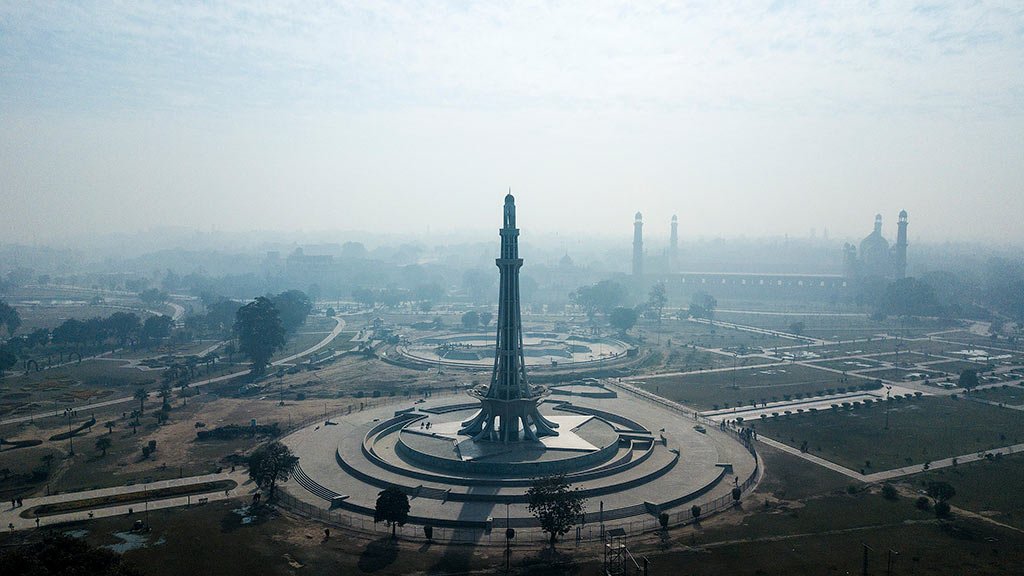
Lahore has no shortage of beautiful places, but if you want to stand on the exact ground where the idea of Pakistan was first publicly proclaimed, there is only one address: Greater Iqbal Park. This sprawling urban park in the heart of the old city holds the Minar-e-Pakistan, the 70-metre national monument that marks the spot where the Lahore Resolution was passed on 23 March 1940. Whether you are a history lover, a family looking for a relaxed day out, or a photographer chasing the perfect shot of Lahore’s skyline, this greater iqbal park travel guide will help you plan the visit it deserves.
Quick Facts
- Location: On the edge of the Walled City of Lahore, Punjab, Pakistan
- Famous For: Minar-e-Pakistan, the 70-metre tower marking the site of the 1940 Lahore Resolution
- Nearest City: Lahore (the park sits inside the city, minutes from the historic core)
- Accessibility: Easy road access from anywhere in Lahore; Azadi Chowk Metrobus Station nearby; wheelchair-friendly walkways in most areas
- Known Landmarks: Minar-e-Pakistan, artificial lake with 800-foot musical fountain, tombs of Allama Iqbal and Hafeez Jalandhari; Lahore Fort and Badshahi Mosque stand right next door
- Best For: Families, history buffs, school trips, photographers, and anyone visiting Lahore for the first time
Why Visit Greater Iqbal Park
Most parks are pleasant. This one is important. Greater Iqbal Park is the ground where the All-India Muslim League held its historic session in March 1940 and passed the Lahore Resolution, the first formal demand for a separate homeland for the Muslims of British India. Seven years later, that demand became Pakistan. Standing beneath the Minar-e-Pakistan today, you are not just visiting a monument — you are standing in the very spot where the country’s political destiny was declared.
But the park is far more than a history lesson. Redeveloped in 2016 into a landscaped 125-acre complex (the wider enclosure covers about 329 acres), it is now one of Lahore’s favourite family destinations. There is an artificial lake with a spectacular 800-foot musical fountain, a two-kilometre soft-rail ride, a library, an open-air gym, a food court, horse-drawn carriages, children’s playgrounds, manicured lawns, and dancing fountains that light up the evening. On weekends the place fills with families on picnics, school groups, joggers on the morning track, and couples taking photographs with the minaret glowing behind them.
It is also the perfect first stop on a Lahore heritage day. The park’s walkways lead directly toward the entrances of the Lahore Fort, the Badshahi Mosque, and the Gurdwara Dera Sahib, so you can combine the monument, the tombs of Allama Iqbal and Hafeez Jalandhari, and two of the greatest Mughal masterpieces in a single outing. Few places in Pakistan pack this much history and pleasure into one green envelope.
Come at sunset if you can. The tower’s unfolding flower-petal base catches the evening light, the fountains begin their illuminated dance, and the skyline of the old city — Badshahi Mosque, Lahore Fort, the distant minarets — frames one of the most memorable views in Punjab.
History of Greater Iqbal Park
Before it was a park, this ground was known as Minto Park, named after Lord Minto (Gilbert Elliot), the British Governor-General of India from 1807 to 1813. For decades it was simply a vast open green on the outskirts of the Walled City, where ordinary Lahoris flew kites, played cricket, and gathered for festivals.
Then came 23 March 1940. The All-India Muslim League held its annual session here under the presidency of Quaid-e-Azam Muhammad Ali Jinnah, and the delegates passed the Lahore Resolution — later called the Pakistan Resolution — demanding that the Muslim-majority areas of northwestern and eastern India be grouped into independent states. It was the first official political call for the separate homeland that would be born on 14 August 1947. The ground became sacred to Pakistan’s political memory overnight.
To commemorate the resolution, Pakistan decided to raise a national monument on the very spot. The foundation stone of the Minar-e-Pakistan was laid on 23 March 1960 — the twentieth anniversary of the resolution — by Akhter Husain, the governor of West Pakistan. The tower was designed by Nasreddin Murat-Khan (1904–1970), a Russian-born Pakistani architect and civil engineer who also designed the Gaddafi Stadium. Construction took eight years and was completed in 1968, at an estimated cost of about Rs 7 million — a sum raised, at the governor’s demand, by an additional tax on cinema and horse-racing tickets.
The design is heavy with symbolism. The tower rises 70 metres, its base shaped like an unfolding flower — read as the birth of a new nation, or by some accounts as happiness, purity and prosperity. Coarse stone at the base gives way to polished marble toward the top, a progression historians describe as the journey from the hardships of the freedom struggle to the achievement of independence. Inscriptions on the structure include Quranic verses, the text of the Lahore Resolution itself, and excerpts from the speeches of Jinnah, engraved in Arabic, English, Bengali and Urdu. Inside, 162 stairs plus an elevator lead to a viewing gallery near the summit, from which you can look out over the Badshahi Mosque, the Lahore Fort and the old city — a dialogue between Mughal splendour and the modern Pakistani identity.
The park around the minaret remained a plain, dusty ground for decades — the Iqbal Park of kite-flying memories. In 2015–2016 the Lahore Development Authority undertook a full redevelopment, expanding the space into Greater Iqbal Park with lakes, fountains, walkways and themed attractions. Prime Minister Nawaz Sharif formally inaugurated it on 9 November 2016 (Iqbal Day). The project cost about Rs 981 million and included the renovation of the tomb of Hafeez Jalandhari, the poet who wrote Pakistan’s national anthem, whose grave lies within the park. A cascade surrounded by four memorial monuments representing Pakistan’s four provinces was added, and the Chrysanthemum Flower Show — long hosted at Jilani Park — moved here.
Today the monument is also Pakistan’s most famous rally ground. The PTI’s historic 30 October 2011 rally, and many large gatherings since, have been held on these lawns, continuing the tradition of a ground where political ideas are proclaimed before great crowds.
Top Things to Do in Greater Iqbal Park
Stand beneath the Minar-e-Pakistan
The tower is the soul of the park. Walk around its petal-shaped base and read the engraved inscriptions — the Lahore Resolution text and Jinnah’s words carved into stone. If the viewing gallery is open, climb the 162 stairs or take the elevator to the top platform for a panoramic view of the old city, the Badshahi Mosque and the Lahore Fort. Morning light is best for photographs; evening light is best for atmosphere.
Watch the musical fountain at the artificial lake
The four-acre artificial lake in the centre of the park hosts an 800-foot musical fountain, one of the longest in the region. After sunset it performs a choreographed show of water jets, coloured lights and music. Grab a spot on the lakeside benches or the surrounding lawns and stay for the full show — it is the highlight of an evening visit, especially for children.
Ride the soft rail and horse carriages
A two-kilometre soft-rail ride runs along the buggy track, offering a relaxed tour of the whole complex without tiring your feet. Old-fashioned horse-drawn carriages are also available for a slower, more romantic loop around the lawns. Both are especially popular with families and elderly visitors.
Pay respects at the tombs of Iqbal and Hafeez Jalandhari
The tomb of Allama Iqbal, Pakistan’s national poet-philosopher, lies in the park’s enclave between the monument and the Badshahi Mosque. The tomb of Hafeez Jalandhari, who wrote the words of Pakistan’s national anthem, was renovated as part of the 2016 redevelopment and sits within the park proper. A visit to both makes the trip feel complete — the man who dreamed Pakistan and the man who gave it its anthem, resting within a kilometre of each other.
Visit the four provincial monuments
Near the cascade, four memorial monuments represent Pakistan’s four provinces — a small symbolic walk through the country’s geography. It is a favourite photo spot and a gentle reminder that the resolution passed here was a national, not a regional, demand.
Use the library, open-air gym and children’s playground
The park’s library is a quiet corner for readers; the open-air gym attracts morning exercisers; and the children’s playground with its swings and slides keeps the youngest visitors happily busy. If you visit in the morning, you will share the jogging track with Lahore’s health-conscious crowd.
Famous Places In and Around Greater Iqbal Park
- Lahore Fort and Badshahi Mosque: Adjacent to the park — read our Badshahi Mosque travel guide before you go. The fort’s Alamgiri Gate is minutes away on foot.
- Gurdwara Dera Sahib: Directly accessible from the park; the birthplace of Sikh pilgrimage routes in Lahore.
- Hazuri Bagh and Ranjit Singh’s Samadhi: Next to the fort; the marble samadhi of the Sikh empire’s founder.
- Fort Road Food Street: Just beyond the fort — Lahore’s famous food street, perfect for dinner after a day at the park.
- Walled City and Shahi Mohalla: A short ride away for those who want to continue into the old city’s bazaars.
How to Reach Greater Iqbal Park
The park sits inside Lahore, so reaching it is straightforward from anywhere in the city. It lies just outside the Walled City, bounded by the road network around Azadi Chowk and the Circular Road. Ride-hailing apps (Careem, Uber, inDrive) operate across the city and will drop you at the park gates. The Azadi Chowk Metrobus Station is within easy reach of the park, making public transport a real option. If you are driving, there are large parking areas near the entrances; expect heavy traffic on weekends and public holidays.
From Islamabad: Take the M-2 motorway south to Lahore (about 380 km, roughly 4.5–5 hours), then follow the Ring Road/Circular Road toward the old city. From Karachi: The fastest option is a 1.5-hour flight to Allama Iqbal International Airport, followed by a 30–45 minute drive into the city. From Multan: About 340 km by N-5 or M-4/M-3, roughly 4.5 hours. The nearest airport is Allama Iqbal International Airport, Lahore, about 20–25 km from the park depending on traffic.
Road conditions are fine year-round — this is city driving, not mountain touring. The best time of day to arrive is early morning (the park opens around 6:00 AM) or late afternoon, avoiding both the midday heat and the evening crowds. Security checks are standard at the entrances: expect walk-through gates and a quick bag search, especially on weekends and national days.
Route Details
- Enter Lahore via your chosen route (M-2 from Islamabad, airport road from the airport, N-5 from the south).
- Head for the Walled City / Azadi Chowk area — follow signs for Badshahi Mosque or Lahore Fort.
- Park at the designated Greater Iqbal Park parking; proceed through the pedestrian entrance and security check.
- Pick up the main promenade: the Minar-e-Pakistan is visible from everywhere and makes a perfect first stop.
- Loop past the lake and fountain toward the Iqbal tomb enclave, then exit toward the Badshahi Mosque and Fort Road Food Street for the evening.
Where to Stay in Greater Iqbal Park
You do not stay in the park — it is a day attraction — but Lahore offers everything within a short drive, so base yourself by your budget and style of travel. Luxury travellers should look at the five-star hotels on Mall Road and the Upper Mall area, roughly a 15–25 minute drive from the park, with full amenities, international dining and spa facilities. Mid-range business hotels cluster around Gulberg, Model Town and the airport road, a 20–30 minute drive away, offering clean rooms, breakfast and parking at moderate rates.
Budget travellers and backpackers will find plenty of guesthouses and budget hotels in the areas around Railway Station and Lower Mall, 10–15 minutes from the park — simple, air-conditioned rooms at friendly prices. Families often prefer serviced apartments in DHA or Johar Town for longer stays, though these are a 35–45 minute drive from the old city. If you plan to spend a full heritage day (park, fort, mosque, Food Street), staying anywhere near Mall Road or the old city keeps you closest to the action. Book ahead during wedding season (December–February) and around 23 March, when the city fills up.
Where to Eat: Local Foods of Greater Iqbal Park
The park has its own food court for snacks, tea and fast food, but the real eating happens just outside its gates. Fort Road Food Street, a short walk past the Badshahi Mosque, is where Lahore shows off: sizzling tandoori platters, lahori chargha (deep-fried spiced chicken), chicken karahi, and kebabs served on traditional charpais with the illuminated fort as your backdrop. Prices at the food street are mid-range and family-friendly.
Lahore’s signature dishes are everywhere within a 15-minute radius: paye (trotter curry) and nihari for breakfast, dahi bhalla and golgappe from old-city vendors, fresh sugarcane juice, and the city’s famous falooda and kulfi for dessert. A full meal at a desi restaurant generally runs budget-friendly to mid-range per person — street snacks cost far less. Hygiene-conscious travellers should choose busy, well-lit eateries and drink bottled water.
Weather in Greater Iqbal Park
Lahore’s climate decides the best time for your visit more than anything else. Summers are brutally hot, winters are mild and pleasant, and the spring and autumn windows are pure gold. The park is an open, sun-exposed space, so summer midday visits are genuinely uncomfortable — plan accordingly.
| Season | Temperature Range | Conditions |
|---|---|---|
| Winter (Dec–Feb) | 7–22°C | Mild, foggy mornings, pleasant afternoons; ideal for long walks and photography |
| Spring (Mar–Apr) | 18–32°C | Warm and fresh; gardens in bloom; best season for picnics |
| Summer (May–Jul) | 35–45°C, can touch 48°C | Extreme heat and dust storms; visit only early morning or after sunset |
| Monsoon (Jul–Sep) | 30–38°C | Humid with heavy downpours; lush greenery but soggy lawns |
| Autumn (Oct–Nov) | 20–32°C | Clear skies, cooling evenings; excellent for the fountain show |
Language and Culture of Greater Iqbal Park
The working language of Lahore is Urdu, with Punjabi spoken everywhere in its warm, melodic Lahore accent — you will hear it from vendors, guides and fellow picnickers. English is widely understood in hotels and by tour operators. As a memorial site of national significance, the park carries a certain dignity: visitors dress modestly, keep the lawns and monuments clean, and treat the inscriptions on the minaret with respect.
Culturally, this is the heart of Pakistan’s political memory, so expect patriotic sentiment on national days — flag-waving crowds on 23 March and 14 August, schoolchildren on educational trips, and families who come as much for the history as the fountains. Photography is welcome almost everywhere; tripods and professional shoots are generally tolerated but check with the Parks and Horticulture Authority staff for commercial filming. It is customary to greet people warmly, and asking permission before photographing strangers — especially families — is good manners.
Shopping in Greater Iqbal Park
There are no shopping malls inside the park, and honestly you will not miss them. Souvenir stalls near the entrances sell Pakistan flags, minaret models, keychains, caps and postcards — handy keepsakes at small prices. For serious shopping, walk toward the Walled City: the bazaars around Delhi Gate and inside the old city offer embroidered khussas (traditional shoes), phulkari textiles, bangles and brass work.
If you want Lahore’s famous food shopping, Anarkali and Ichhra bazaars are a short drive away, and Liberty Market in Gulberg has everything from lawn suits to electronics. For books and calligraphy prints connected to Iqbal’s poetry, the Urdu Bazaar near the Walled City is the place.
Local Events and Festivals
The park’s calendar revolves around the national days it was built to honour. 23 March (Pakistan Day) is the biggest: official ceremonies, flag-hoisting, military parades in the city and large public gatherings at the Minar-e-Pakistan. 14 August (Independence Day) brings evening crowds, decorated monuments and fireworks over the old city. The Chrysanthemum Flower Show, moved here from Jilani Park, typically runs in the winter months when the flowers are at their peak, filling the lawns with colour. Basant (the kite festival) is not officially held here, but on any clear spring evening you may still see kites over the Walled City skyline.
Travel Tips for Greater Iqbal Park
Packing Essentials
Sun protection is non-negotiable for most of the year: a cap or hat, sunglasses and sunscreen. Carry a water bottle — you will walk a lot. Comfortable walking shoes matter more than style here. A light shawl or jacket is wise for winter mornings and foggy evenings. Keep your phone charged for photos; a small power bank helps on a full heritage day.
Safety Tips
The park is one of Lahore’s safest public spaces, with boundary walls, security gates and staff on duty. Standard city precautions apply: keep valuables close in crowds, avoid isolated corners after dark, and use registered ride-hailing for late returns. On 23 March and 14 August the area gets extremely crowded — agree on a meeting point with your group in case you get separated.
Money & Connectivity
ATMs are available in the commercial areas around the park and on Mall Road; carry some cash for food stalls and carriage rides. All major mobile networks (Jazz, Telenor, Zong, Ufone) have strong 4G coverage in the area. The park itself does not have reliable public Wi-Fi, so rely on your mobile data.
Best Time to Visit Greater Iqbal Park
Spring (March–April): The Sweet Spot
Warm days, blooming gardens and the Pakistan Day celebrations on 23 March make spring the single best time to visit. Arrive early on the day itself — security is tight but the atmosphere is electric.
Winter (October–February): Pleasant and Photogenic
Mild afternoons, low sun and morning fog give the minaret a moody, cinematic look. The fountain show at dusk is at its most enjoyable in the cool air. The only downside: occasional dense smog in December–January can mute the skyline.
Summer (May–September): Only If You Must
The heat is genuinely harsh. If summer is your only window, come at 6:00 AM for a morning walk or after 6:00 PM for the fountains, and spend the midday hours in the fort’s shaded galleries or an air-conditioned museum.
Final Thoughts
Greater Iqbal Park rewards the traveller who gives it a full day rather than a drive-by photo. Walk the ground where the Lahore Resolution was passed, read the inscriptions that surround the minaret, climb to the gallery, then let the evening unfold with the musical fountain, the food court and the lit-up old city. Pair it with the Badshahi Mosque and Lahore Fort next door, and you have done Lahore’s historic core properly.
For more ideas on where Pakistan’s heritage and landscapes take you next, browse our Explore Pakistan collection — from the valleys of Malam Jabba to the heights of Hunza, the country keeps rewarding the curious.
FAQs
1. Where is Greater Iqbal Park located?
It is in Lahore, Punjab, on the edge of the Walled City, right next to the Lahore Fort and the Badshahi Mosque, with Azadi Chowk Metrobus Station nearby.
2. What is the best time to visit Greater Iqbal Park?
Spring (March–April) and winter (October–February) are ideal. Avoid midday in summer (May–July), when Lahore’s heat can exceed 45°C.
3. How do I reach Greater Iqbal Park?
It is inside Lahore city. From anywhere in Lahore take a ride-hailing car, the Metrobus to Azadi Chowk, or drive to the park’s parking areas. From Islamabad it is about 380 km via the M-2 motorway; from Karachi, fly to Lahore’s international airport and drive 30–45 minutes.
4. Is Greater Iqbal Park safe for families?
Yes — it is one of Lahore’s most family-friendly spaces, with security gates, staff, playgrounds and family areas. Keep an eye on children near the lake.
5. Is there an entry ticket?
Entry was free when the redeveloped park opened; small charges may apply for specific rides like the soft rail and horse carriages. Carry cash for extras.
6. Can I climb the Minar-e-Pakistan?
The tower has 162 stairs and an elevator leading to a viewing gallery near the top. Access depends on the day’s security and maintenance status — ask at the entrance.
7. What local food should I try nearby?
Walk to Fort Road Food Street for lahori chargha, chicken karahi and kebabs, and try paye, nihari, golgappe and falooda from the old-city vendors.
8. What makes the Minar-e-Pakistan unique?
Its 70-metre petal-shaped tower stands on the exact site of the 1940 Lahore Resolution, with inscriptions of Quranic verses, the resolution text and Jinnah’s speeches — making it Pakistan’s defining national monument.