Quick Facts
- Location: Beside the Sukkur–Rohri bridge, just off the road that winds down along the bridge on the Indus, Sukkur District, Sindh
- Famous For: A shrine of Guru Nanak Dev Ji visited during his third udasi; a lamp said to have been lit by the Guru that burns day and night; the point from where he set out for Sadhu Bela island
- Nearest City: Sukkur (the gurdwara sits at the edge of the city, by the bridge); Rohri railway station serves the city
- Accessibility: Easy by car or rickshaw from anywhere in Sukkur; Sukkur Airport and Rohri Junction railway station connect it to the rest of Pakistan
- Known Landmarks: The Sukkur–Rohri bridge (Lansdowne and Ayub bridges), the Indus River, Sadhu Bela island, Sukkur Barrage
- Best For: Sikh-heritage travellers, pilgrims, history lovers, photographers and families exploring upper Sindh
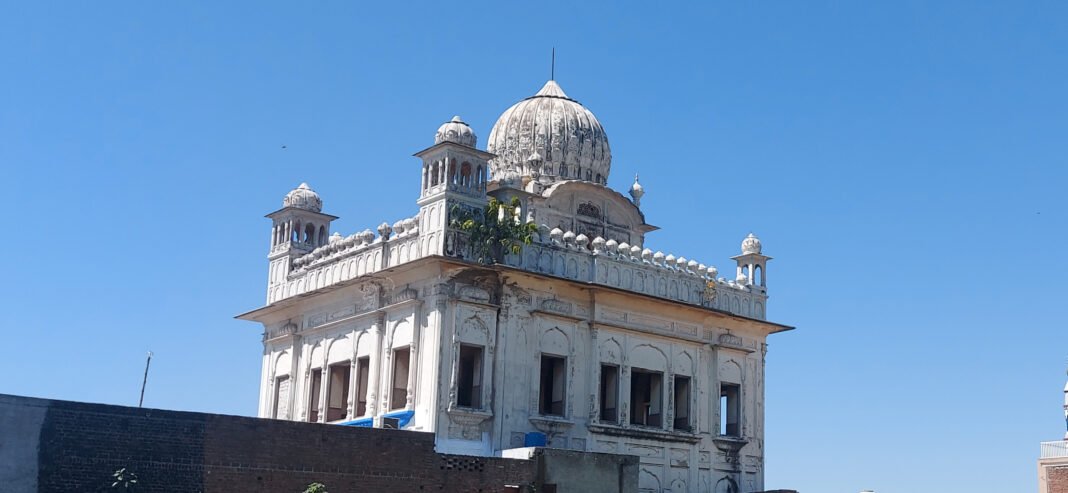
There are places you visit for their views, and there are places you visit because five hundred years ago someone extraordinary stood on that exact ground. Gurdwara Jind Pir, Sukkur is firmly the second kind. Tucked beside the great bridge that carries Sukkur across the Indus to Rohri, this quiet shrine marks the spot where Guru Nanak Dev Ji paused during his third great journey — and from where he crossed to the river island of Sadhu Bela. Inside, beside the Guru Granth Sahib, a lamp is kept burning around the clock, and those who tend the shrine will tell you it was lit by the Guru himself. Whether you come as a pilgrim, a history lover or simply a curious traveller, this is one of the most atmospheric small shrines in Sindh — and it pairs beautifully with a full day exploring Sukkur’s riverfront wonders. If you are building a list of heritage stops across the country, start with our Explore Pakistan collection and put this one near the top for Sindh.
Why Visit Gurdwara Jind Pir, Sukkur
First, the obvious reason: this is one of the few places in Pakistan where you can stand in the documented footsteps of Guru Nanak. The historical accounts of Sikh shrines in Pakistan record that Sat Guru Nanak Dev Ji graced this place during his third itinerary, and that it was from here he visited Sadhu Bela, the islet in the Indus. For Sikh pilgrims and anyone interested in the spiritual history of the subcontinent, that alone makes the trip worthwhile. The shrine is not a grand, crowded complex — it is intimate, lived-in and deeply peaceful, which is exactly its charm.
Second, there is the lamp. Inside the gurdwara, prakash of the Guru Granth Sahib takes place and Hindu idols are also worshipped — the shrine is in the care of Nanakpanthi Hindus, and the two traditions sit side by side here as they have for generations. A lamp believed to have been lit by Guru Nanak himself is kept burning round the clock, and pilgrims bow before it. Watching the quiet devotion around that small flame, with the sound of the Indus nearby, is one of those travel moments that stays with you far longer than any photograph.
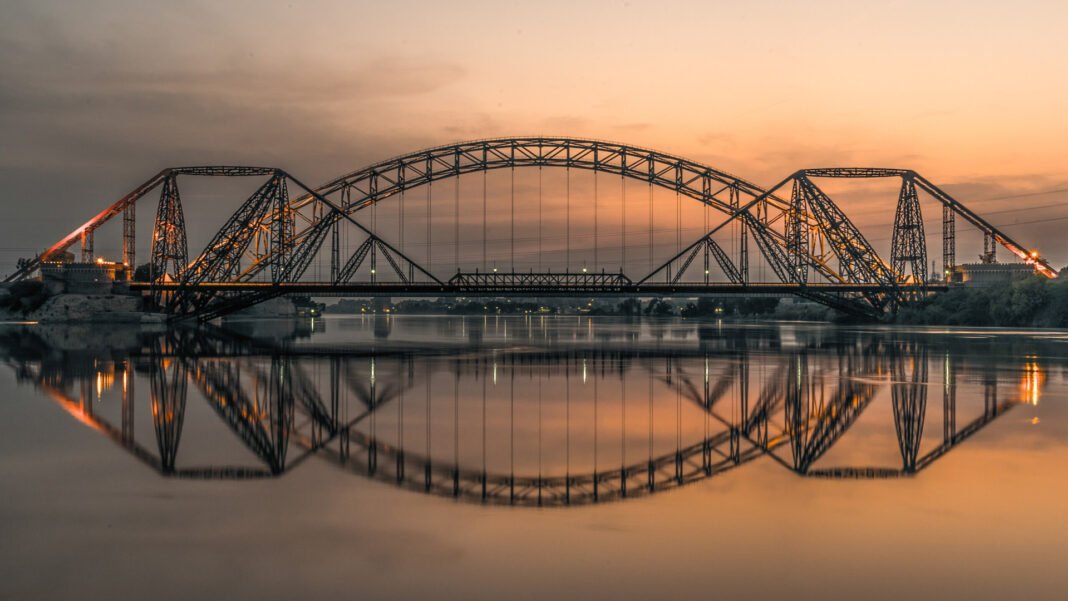
Third, the setting is unbeatable. The gurdwara stands right by the Sukkur–Rohri bridge, one of the great river crossings of South Asia. You can combine your visit with the island temple of Sadhu Bela (the very island the Guru crossed to), the mighty Sukkur Barrage, the colonial-era Lansdowne Bridge and the old city of Rohri across the river. Few heritage stops in Pakistan let you fold this much history into a single relaxed day.
Finally, this is a trip for the thoughtful traveller rather than the checklist tourist. Sukkur is not on most foreign itineraries, which means you will experience the shrine and the city without crowds, touts or queues. Families will find it easy and safe to visit in the cooler months, photographers will love the bridge and river light at sunset, and anyone tracing Guru Nanak’s journeys through Sindh will find Jind Pir an essential stop. It is a small detour with an outsized reward.
History of Gurdwara Jind Pir, Sukkur
The story of this shrine begins with Guru Nanak Dev Ji’s third udasi — his third great missionary journey, which carried him across the subcontinent spreading the message of one God, honest work and remembrance of the divine Name. Sukkur, then as now, was a famous city of Sindh on the west bank of the Indus, and the Guru’s travels brought him here. The historical record preserved in accounts of Sikh shrines in Pakistan states plainly: Sat Guru Nanak Dev Ji graced this place during his third itinerary, and it was from here that he visited Sadhu Bela, an islet in the river Indus.
Local tradition holds that the shrine’s first priest was Jhulay Lal, an Udasi sadhu — a follower of the ascetic tradition founded by Baba Sri Chand, Guru Nanak’s elder son. The Udasis kept the flame of the Guru’s memory alive in Sindh for centuries, and their presence here explains the shrine’s distinctive character. Over time the gurdwara passed into the possession of Nanakpanthi Hindus — Hindus who revere Guru Nanak as their spiritual guide — and they remain its custodians to this day.
What makes Jind Pir unusual among gurdwaras is this blending of traditions under one roof. Prakash of the Guru Granth Sahib — the ceremonial opening and reading of the Sikh scripture — takes place here, and at the same time idols are worshipped by the Hindu custodians. It is a living example of the syncretic religious culture of Sindh, where the boundaries between Sikh and Hindu devotion have long been soft. The lamp that pilgrims prostrate before is treated with the reverence due to something the Guru himself touched, and whether or not one accepts the tradition literally, the devotion it inspires is entirely real.
The shrine’s fortunes have risen and fallen with Sukkur itself. The city grew around the Indus crossing: the great cantilever Lansdowne Bridge of 1889 linked Sukkur to Rohri, the Sukkur Barrage of 1932 turned the region into the breadbasket of Sindh, and through it all the little gurdwara by the bridge kept its lamp burning. In 2007 a 23-member delegation of Hindu pilgrims from India, Dubai and Indonesia visited Sukkur’s sacred sites, including what the press called the “Jind Peer Temple on the bank of Indus River” alongside the Kalka Devi temple at Aror and the Sadh Bela temple — a reminder that this quiet shrine has long been on the pilgrimage map of the region’s diaspora. If Guru Nanak’s life and travels fascinate you, pair this visit with our Gurdwara Bal Lila Sahib, Nankana Sahib travel guide, which covers the town of the Guru’s birth.
Top Things to Do in Gurdwara Jind Pir, Sukkur
Pay Your Respects at the Shrine
The heart of the visit is the gurdwara itself. Remove your shoes, cover your head, and step inside to see the Guru Granth Sahib in its place of honour and the ever-burning lamp before which pilgrims bow. The Nanakpanthi custodians are generally welcoming to respectful visitors. Spend a few quiet minutes here — the shrine rewards patience rather than haste, and the atmosphere of continuous devotion is its greatest treasure.
See the Ever-Burning Lamp
Ask the caretaker about the lamp said to have been lit by Guru Nanak. Kept alight day and night, it is the spiritual centre of the shrine, and pilgrims prostrate before it as an act of devotion. Even for non-religious visitors, it is a moving sight: a small flame tended with complete dedication, generation after generation, on the bank of one of the world’s great rivers.
Walk Down to the Indus by the Bridge
The gurdwara is reached by a road that winds down along the Sukkur–Rohri bridge, and the river views from this stretch are superb. Stand on the bank and watch the Indus slide past — wide, brown and unhurried. At sunset the light on the water and the silhouette of the bridges make this one of the best photography spots in Sukkur.
Cross to Sadhu Bela Island
No visit to Jind Pir is complete without the island it is historically tied to. Sadhu Bela — the very islet Guru Nanak crossed to from this spot — is home to a famous Hindu temple complex reached by boat. The temple is known for its intricate marble work, and a large share of its visitors are Muslims and people of other faiths, a testament to the shared sacred geography of the Indus. Arrange a boat from the Sukkur riverfront; the short crossing is a pleasure in itself.
Famous Places In and Around Gurdwara Jind Pir, Sukkur
Sadhu Bela Temple — the island shrine in the Indus, historically linked to the Guru’s visit. Sukkur Barrage — the 1932 British-era barrage (originally the Lloyd Barrage), one of the largest irrigation works in the world, with a museum. Lansdowne Bridge — the 1889 cantilever railway bridge between Sukkur and Rohri, an engineering marvel. Ayub Bridge — the 1962 road bridge arching over the Indus beside it. Masoom Shah Minar — the imposing 16th–17th century minaret offering panoramic city views. Bukkur Island and Fort — the historic river island fortress between Sukkur and Rohri. Satiyan jo Asthan — the shrine of the Seven Sisters on the Rohri bank, wrapped in legend. Lab-e-Mehran — the riverside park popular for family outings and boating. Mohenjo-daro — the great Indus Valley Civilization city, about 100 km away, possible as a long day trip.
How to Reach Gurdwara Jind Pir, Sukkur
Sukkur is one of the best-connected cities in upper Sindh, sitting on the main Lahore–Karachi railway line and the national highway network. The gurdwara itself is remarkably easy to find: cross the bridge between Sukkur and Rohri, take the road that goes down on the right just after the bridge, and follow it as it winds along the bridge structure — it leads directly to Gurdwara Jind Pir.
From Karachi: about 470 km, roughly 6.5 hours by car via the M-9 and N-5. This is the most popular route — an easy morning departure gets you to Sukkur by afternoon. Comfortable air-conditioned buses and private vans run the route all day, and Pakistan Railways runs frequent trains from Karachi to Rohri Junction (6–8 hours, economical and comfortable).
From Lahore: roughly 750 km, about 7.5 hours by car via the M-3, M-4 and M-5 motorways through Multan — a smooth, fast motorway drive for most of the way. Trains from Lahore Junction to Rohri take around 9–10 hours; buses take about 11–12 hours.
From Islamabad: about 700 km via the N-5 through Multan and Bahawalpur, roughly 12–14 hours by car — best done as an overnight journey or with a stop in Multan or Bahawalpur. Alternatively, fly to Karachi or Multan and continue by road or rail.
Nearest airport: Sukkur Airport, a short drive from the city, with domestic connections. Jinnah International Airport in Karachi is the main international gateway, 470 km away.
Local transport: Rickshaws and Qingqi rickshaws are everywhere in Sukkur and cheap for short hops. For the gurdwara, simply tell the driver “Jind Pir, bridge wala” — most locals know the shrine. A private car or ride-hailing car gives you the flexibility to combine the shrine with Sadhu Bela and the barrage in one loop.
Route Details
Step by step for the final approach: (1) Enter Sukkur city and head for the Sukkur–Rohri bridge over the Indus. (2) Cross toward Rohri. (3) Just after crossing, watch for the road going down on your right. (4) Follow this road as it curves and winds along the side of the bridge — it hugs the structure down toward the riverbank. (5) The road reaches Gurdwara Jind Pir, set in a peaceful spot by the water. Park, remove your shoes, cover your head, and enter respectfully. The whole detour from the bridge takes only a few minutes, but give yourself at least an hour at the shrine and the riverbank.
Where to Stay in Gurdwara Jind Pir, Sukkur
Sukkur is a major city with a full range of accommodation, so you will have no trouble finding a bed for the night — the gurdwara itself is a short visit, but most travellers sensibly make it part of an overnight Sukkur stay. Mid-range hotels cluster in the city centre and along the main roads, offering air-conditioned rooms with attached baths at budget-friendly rates; these are the workhorse choice for most domestic travellers and are perfectly comfortable in the cooler months.
At the upper end, Sukkur has a handful of better-known hotels with restaurants, room service and more reliable power backup — worth the premium in the fierce summer months when a strong air conditioner is not a luxury. Ask for a room away from the road for a quieter night. At the budget end, simple guesthouses and highway motels line the approaches to the city; they are basic but clean enough for a night’s stopover.
If you are combining Jind Pir with a wider Sindh tour, many travellers base themselves in Sukkur for two nights: one day for the gurdwara, Sadhu Bela and the bridges, and a second for the barrage, the old city and Rohri. Book ahead during winter (December–February), when Sukkur’s pleasant weather draws the most visitors. Camping is not practical or necessary here — this is a city shrine, not a wilderness trek.
Where to Eat: Local Foods of Gurdwara Jind Pir, Sukkur
Sukkur sits in the heart of Sindh’s food country, and eating well here is one of the great pleasures of the trip. Sindhi cuisine is hearty and flavourful: start with sai bhaji (a slow-cooked mix of spinach, lentils and vegetables), bhugal gosht (meat braised with caramelised onions and spices) and the region’s beloved palla fish from the Indus — the shimmering migratory fish that Sindhis consider a delicacy of honour. Sindhi biryani, fiery and studded with potatoes and plums, is a must-try, and Sindhi curry with rice makes a satisfying vegetarian meal.
For snacks and sweets, look for kokri, busri (sweet flatbread) and mitho lolo, and cool off with a glass of thadal, the traditional almond-and-poppy-seed summer drink. The date-growing belt of nearby Khairpur means fresh and dried dates are superb here — buy a bag from any market as the perfect travel snack. Meals at local dhabas and restaurants are very budget-friendly; a filling lunch typically costs no more than a few hundred rupees per person, while a nicer restaurant dinner remains easy on the wallet. The area around Clock Tower and the old city has the densest concentration of eateries, and the riverfront comes alive with food stalls in the evening.
Weather in Gurdwara Jind Pir, Sukkur
Sukkur has a hot desert-edge climate: ferociously hot summers, a brief humid monsoon spell, and mild, sunny winters that are made for sightseeing. The Indus moderates the air slightly near the river, but from May to July the heat is genuinely extreme — plan outdoor shrine visits for early morning or late afternoon in those months.
| Season | Temperature Range | Conditions |
|---|---|---|
| Winter (Dec–Feb) | 8°C – 24°C | Mild and sunny; the best season for visiting. Cool nights, pleasant days, clear skies. |
| Spring (Mar–Apr) | 16°C – 38°C | Warming up fast; March is lovely, April turns hot. Good for travel with sun protection. |
| Summer (May–Jun) | 27°C – 45°C | Extremely hot and dry; among the hottest cities in Pakistan. Sightsee only in mornings/evenings. |
| Monsoon (Jul–Sep) | 28°C – 41°C | Hot and more humid with occasional heavy showers; brief relief but sticky heat. |
| Autumn (Oct–Nov) | 15°C – 35°C | Cooling down nicely; October can still be warm, November is very pleasant. |
Language and Culture of Gurdwara Jind Pir, Sukkur
The mother tongue of Sukkur is Sindhi, written in the Perso-Arabic script and spoken with warmth and pride. Urdu is universally understood, so visitors from anywhere in Pakistan will have no communication trouble, and basic English works in hotels and larger shops. You will also hear Saraiki and Balochi in the city’s markets, reflecting Sukkur’s position at the meeting point of Sindh, Punjab and Balochistan.
Culturally, upper Sindh is famous for its hospitality — guests are honoured, and it is common to be offered tea or a meal by strangers. At the gurdwara, observe the usual courtesies: cover your head (scarves are usually available at the entrance), remove your shoes, dress modestly with shoulders and knees covered, and keep your voice low inside the prayer hall. Photography inside the sanctum should only be done with the caretaker’s permission. The Nanakpanthi custodians appreciate visitors who show genuine interest; a small donation to the shrine’s upkeep is customary but never demanded. Women travellers will find Sukkur’s shrine circuit comfortable and welcoming, especially when visiting in daytime with family.
Shopping in Gurdwara Jind Pir, Sukkur
Sukkur’s bazaars are a delight for souvenir hunters. The old Shahi Bazaar is the classic stop: tie-and-dye dupattas, block-printed bed sheets, embroidered shirts and Sindhi topi caps spill from its shops. Ajrak — the iconic block-printed shawl of Sindh in deep indigo and crimson — makes the perfect gift, and the real hand-printed pieces are easy to recognise by their slightly irregular patterns and rich natural dyes.
Food souvenirs are equally good: Khairpur dates, date syrup, and packets of Sindhi spices and pickles travel well. The city’s markets also sell brassware, bangles and embroidered textiles at very reasonable prices — bargaining is expected and good-natured. There is no need to hunt for a shopping mall here; the traditional bazaars are the attraction, and an hour’s wander with no fixed agenda is the best way to enjoy them.
Local Events and Festivals
The Hindu and Sikh communities of Sukkur keep a lively festival calendar, and timing your visit to coincide with one adds real colour to the trip. Cheti Chand (March/April), the birthday of Jhulelal — the river saint revered by Sindhi Hindus — is celebrated with devotion at the region’s shrines, and processions and fairs fill the city. Given Jind Pir’s own connection to Jhulay Lal, the Udasi tradition’s river saint, the festival feels especially resonant here.
Baisakhi (April), the great Sikh harvest and Khalsa festival, is observed by Sikh and Nanakpanthi communities across Sindh with prayers, processions and community meals. If you visit during Baisakhi, expect the gurdwara to be at its most vibrant. Pilgrim groups from India and the diaspora also visit Sukkur’s sacred sites through the year, most often in the winter months — you may well share the shrine with a visiting jatha, which only adds to the atmosphere.
Travel Tips for Gurdwara Jind Pir, Sukkur
Packing Essentials
For a winter visit (the recommended season), pack light layers — days are warm but evenings by the river can be cool, so a light jacket or shawl is useful. Sun protection is essential year-round: a cap, sunglasses and sunscreen. Carry a headscarf or dupatta for the gurdwara (one is usually available at the shrine, but your own is more comfortable). Comfortable walking shoes that slip on and off easily are ideal, since you will remove them at the shrine. Bring a water bottle, especially from March onward.
Safety Tips
Sukkur is a busy, working city and the shrine area is calm and safe for visitors in daytime. As with any urban travel in Pakistan, keep valuables discreet, use registered transport at night, and drink bottled or filtered water. The riverbank near the bridge has no railings in places — supervise children closely and do not venture too near the water’s edge. If you take a boat to Sadhu Bela, use the established boat operators at the riverfront and wear the life jackets provided.
Money & Connectivity
ATMs are plentiful in Sukkur city, so carry only modest cash for the shrine area — small notes are handy for donations and rickshaw fares. Mobile signals from all major networks (Jazz, Telenor, Zong, Ufone) are strong across the city and at the gurdwara. Most mid-range hotels offer Wi-Fi. There is no entry ticket for the shrine; a voluntary donation box supports its upkeep.
Best Time to Visit Gurdwara Jind Pir, Sukkur
Winter (November to February) — the perfect season
This is when you should come. Daytime temperatures of 15–24°C, cool nights, clear blue skies and low humidity make it ideal for the shrine, the riverfront, Sadhu Bela and the barrage. Festival season also falls in this window, and Sukkur’s bazaars are at their liveliest. If you can only make one trip, make it in December or January.
Spring (March to April) — good, getting hot
March is still very pleasant, and Cheti Chand and Baisakhi bring festive energy. By April the mercury climbs toward 40°C, so shift shrine visits to morning or late afternoon and keep the midday hours for rest, museums and air-conditioned bazaars.
Summer and Monsoon (May to September) — for the hardy only
With temperatures routinely above 45°C in May and June, this is the toughest season. If you must travel then, visit the gurdwara at dawn, stay hydrated, and plan indoor activities for the middle of the day. The monsoon months add humidity and the occasional dramatic thunderstorm over the Indus.
Autumn (October to November) — the sweet shoulder
An underrated time to visit: the worst heat is gone, the skies clear, and the crowds of winter have not yet arrived. November in particular offers near-perfect sightseeing weather.
Final Thoughts
Gurdwara Jind Pir, Sukkur is not the biggest shrine in Pakistan, nor the grandest — and that is precisely why it deserves your visit. In a world of crowded tourist circuits, here is a place where history feels personal: a small gurdwara by a great bridge, a lamp that has burned for generations, and a river that has watched it all flow past. It asks for nothing more than an hour of your time and a little reverence, and it repays both many times over.
Come in winter, when the Indus glints under a mild sun and Sukkur is at its most welcoming. Pair the shrine with Sadhu Bela island, the barrage and the old bridges, eat well in the bazaars, and leave with a deeper sense of the layered, shared sacred history of Sindh. For more heritage journeys across the country, keep exploring our Explore Pakistan guides — and if the mountains are calling next, our Hunza Valley guide is the perfect contrast to Sindh’s river plains.
FAQs
Where is Gurdwara Jind Pir located?
It stands beside the Sukkur–Rohri bridge over the Indus, reached by a road that winds down along the bridge just after crossing from Sukkur toward Rohri, in Sukkur District, Sindh.
What is the best time to visit Gurdwara Jind Pir, Sukkur?
November to February, when daytime temperatures are a pleasant 15–24°C. Avoid May–June, when Sukkur is among the hottest cities in Pakistan at 45°C and above.
How do I reach Gurdwara Jind Pir from Karachi?
Drive about 470 km (roughly 6.5 hours) via the M-9/N-5, take a train to Rohri Junction (6–8 hours), or fly to Sukkur Airport and drive into the city.
Is Gurdwara Jind Pir safe for families and foreign visitors?
Yes. It is a peaceful, well-known shrine in a major city, welcoming to all respectful visitors. Visit in daytime, dress modestly, and follow the usual courtesies of a place of worship.
What is special about the lamp at Jind Pir?
Tradition holds that the lamp burning day and night inside the shrine was lit by Guru Nanak Dev Ji himself during his visit. Pilgrims bow before it as an act of devotion.
Can I combine the visit with Sadhu Bela?
Absolutely — and you should. Sadhu Bela island, which Guru Nanak crossed to from this very spot, is a short boat ride from the Sukkur riverfront and home to a famous temple complex.
Where can I stay near Gurdwara Jind Pir?
In Sukkur city, a short drive away. Mid-range hotels in the city centre are the most popular choice; better hotels with restaurants are worth it in summer.
What food should I try in Sukkur?
Sindhi classics: sai bhaji, bhugal gosht, palla fish from the Indus, Sindhi biryani, and sweets like busri and mitho lolo — plus excellent Khairpur dates from the bazaars.